CNC water jet cutting machine guide for materials, tolerances, and cost
What a CNC water jet cutting machine does
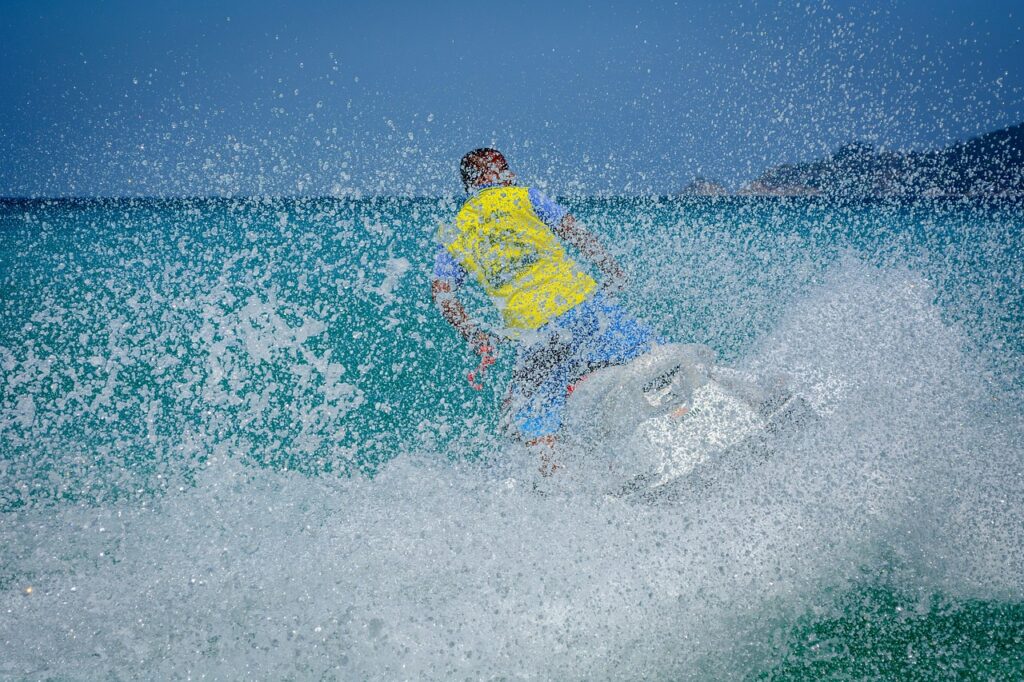
A CNC water jet cutting machine uses computer-controlled motion to guide a high-pressure water stream along a programmed toolpath. For soft materials, the jet may use water only. For metals, stone, glass, ceramics, and many composites, the water stream is usually mixed with garnet abrasive, so the cut is made by controlled erosion rather than heat. The main reason manufacturers choose waterjet is not precision alone; it is cold cutting. Because the process does not rely on melting, it can help reduce heat-affected zones, edge hardening, recast layers, and thermal distortion that may occur with laser, plasma, or oxyfuel cutting.
Waterjet is not the right answer for every job. It can be slower than laser cutting on thin sheet metal, abrasive cost can be significant, and wastewater or spent abrasive must be managed. The process is strongest when material flexibility, edge integrity, thick-section cutting, or mixed-material production matters more than maximum cutting speed. For more process context, visit the Processes section.
How the process works
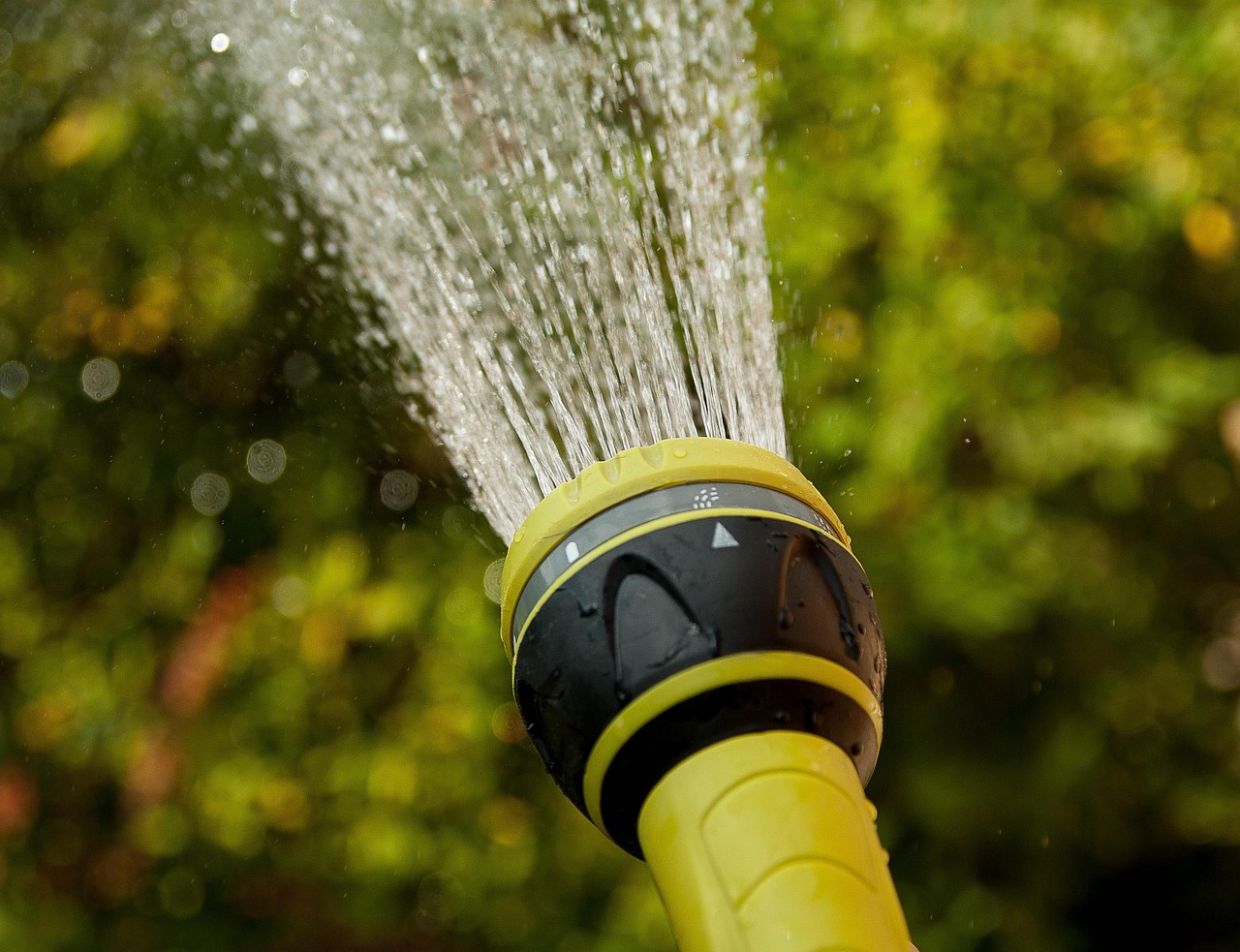
The machine converts hydraulic or mechanical power into a narrow, high-energy stream. A pump pressurizes the water, the cutting head focuses it through an orifice and nozzle assembly, and the CNC system moves the head over the workpiece. In abrasive cutting, garnet is metered into the stream after the water exits the orifice. The abrasive jet then removes material along the programmed contour.
Pure waterjet and abrasive waterjet
Pure waterjet cutting is mainly used for softer or fibrous materials such as rubber, foam, gasket sheet, insulation, textiles, and some plastics. It can cut quickly because there is no abrasive mixing system and no garnet consumption. Abrasive waterjet cutting is the more common choice for industrial plate and hard materials. It is used on carbon steel, stainless steel, aluminum, titanium, copper alloys, stone, tile, glass, ceramics, and composite panels, although each material still needs process testing.
This distinction affects machine configuration, consumable cost, cutting speed, and edge behavior. A shop cutting rubber gaskets does not need the same abrasive handling system as a shop cutting thick stainless plate. Likewise, a fabricator cutting glass or laminated composites must control piercing, support, and pressure ramping more carefully than a shop cutting general-purpose steel brackets.
Main machine modules
A complete CNC waterjet system normally includes a high-pressure pump, motion table, cutting head, CNC controller, CAD/CAM software, catcher tank, abrasive delivery equipment, water treatment components, and safety guarding. The pump may be an intensifier type or a direct-drive type. The better choice depends on pressure range, duty cycle, maintenance preferences, energy use, and local service support. The cutting head may be a standard 3-axis head for vertical cutting or a tilting 5-axis head for bevels and taper compensation.
In production, the system works only as well as its supporting details. Water quality affects pump and seal life. Abrasive cleanliness affects nozzle wear and cutting consistency. Fixturing affects part movement. CAM settings affect lead-ins, pierce quality, corner behavior, and final tolerance. A waterjet purchase should therefore be treated as a complete production cell, not just a table and pump.
Materials and part features that fit waterjet cutting
Waterjet is valued because it can process materials that are difficult to combine under one thermal cutting method. A job shop may cut aluminum one day, stainless steel the next, then switch to rubber, stone, or composite sheet without changing to a different cutting technology. This flexibility is useful for low-volume production, prototypes, repair parts, architectural panels, tooling components, and mixed-material assemblies.
Common applications include flat metal profiles, brackets, covers, machine guards, aerospace and marine components, gasket profiles, stone countertops, ceramic tile details, glass shapes, composite panels, and pre-machining blanks. Waterjet is also useful when the cut edge will later be welded, machined, bonded, heat treated, or inspected, because the process avoids many thermal edge changes.
However, waterjet has limits. Very small holes in thick material may show taper or poor roundness. Tall, narrow features can vibrate or break during cutting. Thin flexible materials may need vacuum support, tabs, or carrier sheets. Brittle materials need careful piercing and support. Tempered glass is generally problematic because internal stresses can release during cutting. Laminated and composite materials may require trials to confirm whether delamination, fiber pullout, or water intrusion is acceptable.
Accuracy, edge quality, and tolerances
Waterjet accuracy should be discussed as a system result, not as a single machine number. Finished part quality depends on machine condition, pump stability, abrasive flow, nozzle wear, material thickness, cutting speed, toolpath strategy, fixturing, and operator setup. Major machine builders often distinguish between machine positioning capability and the tolerance actually achieved on a finished part. That distinction is important when purchasing equipment or quoting work.
The most visible quality factors are kerf width, taper, lag lines, edge striations, corner washout, and burr-like abrasive marks on the underside. Slower cutting generally improves edge finish but increases cycle time and cost. Faster cutting reduces cost but may increase striation, taper, and dimensional variation. A tilting head can reduce taper or cut controlled bevels, but it adds programming and calibration requirements.
| Variable | Effect on the part | Practical control |
|---|---|---|
| Cutting speed | Changes edge smoothness, taper, and cycle time | Use quality levels matched to functional surfaces |
| Abrasive flow | Affects cutting power, edge consistency, and cost | Monitor feed rate and avoid contaminated abrasive |
| Nozzle and orifice wear | Can widen kerf and reduce accuracy | Inspect consumables and track cut hours |
| Material thickness | Increases jet lag and taper risk | Adjust speed, lead-ins, and taper compensation |
| Fixturing | Prevents shifting, vibration, and tip-up collisions | Use slats, tabs, weights, clamps, or sacrificial supports |
Drawings should state realistic tolerances, datum references, surface requirements, and whether taper is acceptable. ISO 9013 is often discussed for thermal cutting processes such as laser, plasma, and oxyfuel. Since abrasive waterjet is a non-thermal process, teams should avoid copying a thermal-cut class without confirming that it matches the required waterjet edge and inspection method. Clear drawing notes reduce disputes between design, purchasing, and production.
How waterjet compares with laser, plasma, and mechanical cutting
Waterjet is best understood as a complementary process. Laser cutting is usually faster and more economical for many thin sheet metal jobs, especially where a clean thermal edge is acceptable. Plasma cutting is productive for thicker conductive metals where edge heat and wider kerf are acceptable. Sawing and milling remain efficient for straight cuts, tight machined features, and high-volume operations with dedicated fixturing. Waterjet fills the gap where cold cutting, broad material range, and complex 2D profiles are more important than the highest feed rate.
| Process | Strong fit | Main limitation |
|---|---|---|
| CNC waterjet | Cold cutting, thick plate, mixed materials, heat-sensitive parts | Abrasive cost, slower speeds on thin sheet, wastewater management |
| Laser cutting | Fast thin-sheet metal cutting and fine detail | Thermal effects, reflectivity concerns, material limitations |
| Plasma cutting | Productive cutting of conductive plate | Heat-affected edge, wider kerf, more secondary cleanup |
| Mechanical cutting | Straight cuts, machining features, high repeatability with fixtures | Tool wear, cutting forces, less flexibility for complex nested shapes |
The choice should be made from the part requirement backward. If the part must avoid thermal damage, waterjet moves higher on the list. If speed and cost per part dominate on thin mild steel, laser may be a better fit. If the edge will be heavily machined afterward, a rougher and faster process may be acceptable. If the material is expensive, nesting efficiency and narrow kerf may justify a slower cutting method. See also: Machines.
Cost, productivity, and machine selection factors
The cost of waterjet cutting comes from machine time, abrasive, power, water, consumables, maintenance, programming, labor, and waste handling. Abrasive is often a major operating cost for hard-material cutting, so a lower purchase price does not always mean a lower cost per part. Buyers should compare actual jobs, not brochure specifications alone.
Important selection factors include table size, pump pressure, pump horsepower, duty cycle, cutting head type, abrasive capacity, software capability, nesting tools, service access, spare parts availability, water treatment needs, and expected maintenance intervals. A larger table may improve nesting and reduce material handling, but it also requires floor space and proper foundation planning. Multiple heads can raise throughput on repeat parts, but only when nesting, pump capacity, and job mix support parallel cutting.
A 5-axis head is valuable for weld-prep bevels, countersink-like features, and taper compensation, but it is not automatically necessary for every shop. If most parts are simple 2D profiles with generous tolerances, a stable 3-axis machine may be easier to operate and maintain. If parts require near-square edges on thick stock or programmed bevel geometry, multi-axis cutting becomes more attractive.
Before purchasing, manufacturers should run sample cuts on their own materials. Useful sample parts include inside corners, small holes, long straight edges, thin webs, tight slots, and any feature that represents the real production challenge. The sample should be inspected for dimension, taper, edge roughness, underside quality, piercing marks, and repeatability across the sheet.
Safety, maintenance, and environmental controls
A CNC waterjet may look cleaner than flame or plasma cutting, but it still presents serious hazards. High-pressure water can cause injection injuries, and abrasive-laden jets can cut through material, fixtures, and body tissue. Machine guarding, interlocks, emergency stops, pressure-rated plumbing, safe setup procedures, and operator training are essential. OSHA’s general machine guarding rule in the United States emphasizes guarding points of operation and other hazardous machine areas, while WaterJet Technology Association guidance highlights the seriousness of high-pressure injection injuries.
Maintenance planning should cover pump seals, check valves, high-pressure tubing, orifices, mixing tubes, abrasive lines, slats, tank cleaning, filters, and water treatment. Small changes in consumable condition can show up as wider kerf, poor edge finish, wandering cuts, or unexpected taper. A preventive maintenance schedule is more reliable than waiting until cut quality declines.
Environmental control is also part of the process. Spent garnet, metal fines, and process water must be handled according to local rules and the materials being cut. Cutting stainless steel, coated materials, composites, or alloys can create different waste streams than cutting plain carbon steel. Shops should confirm disposal requirements instead of assuming all spent abrasive is harmless general waste.
Frequently asked questions
Is a CNC water jet cutting machine the same as a laser cutter?
No. Both use CNC motion to cut programmed shapes, but the cutting mechanism is different. Laser cutting uses concentrated heat to melt or vaporize material, while waterjet cutting uses high-pressure water and, for hard materials, abrasive erosion. The difference affects edge condition, speed, material range, and heat-related distortion.
Does every waterjet job need abrasive?
No. Soft materials may be cut with pure water. Metals, stone, glass, ceramics, and many composites usually require abrasive because water alone does not remove those materials efficiently. The abrasive type, mesh size, feed rate, and cleanliness all influence performance.
Does waterjet cutting leave a heat-affected zone?
Waterjet is considered a cold cutting process, so it does not create the same heat-affected zone associated with thermal cutting. The edge can still show mechanical effects such as striation, taper, or abrasive texture, so edge requirements should be specified clearly.
What tolerances are realistic for waterjet parts?
There is no single tolerance that applies to all waterjet work. Thin material, rigid fixturing, good consumables, stable motion, and conservative cutting speeds can support tighter results. Thick material, small holes, fast cutting, worn nozzles, or unstable stock will reduce accuracy. Production drawings should specify functional tolerances and allow sample verification when the requirement is critical.
When is 5-axis waterjet cutting worth considering?
Consider 5-axis capability when parts require bevels, weld-prep edges, taper compensation, or angled features that would otherwise need secondary machining. For straightforward flat profiles, a well-maintained 3-axis system may be more practical and easier to justify.