How Tormach CNC Enhances Precision with the New 8L Lathe Automatic Collet Closer
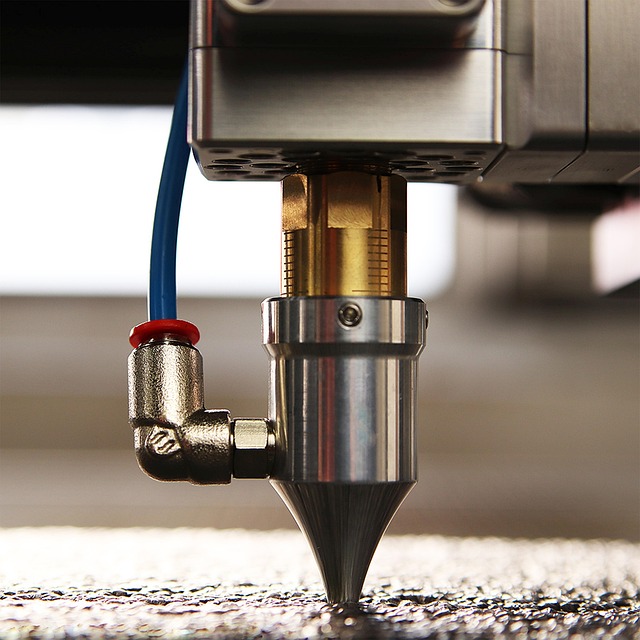
Tormach Adds Automatic Collet Closer for 8L Lathe
The addition of an automatic collet closer to the Tormach 8L Lathe marks a decisive step in compact CNC automation. This upgrade transforms the 8L into a more efficient precision platform, reducing manual operations and improving consistency in small-part production. By automating clamping sequences, Tormach has effectively bridged the gap between entry-level CNC systems and industrial-grade automation, enabling small machine shops to achieve repeatable accuracy with minimal operator input.
Advancements in Tormach CNC Technology
Tormach’s latest innovation builds on its long-standing approach of democratizing precision machining. The company continues to refine its compact CNC systems, integrating automation features once reserved for high-end industrial machines.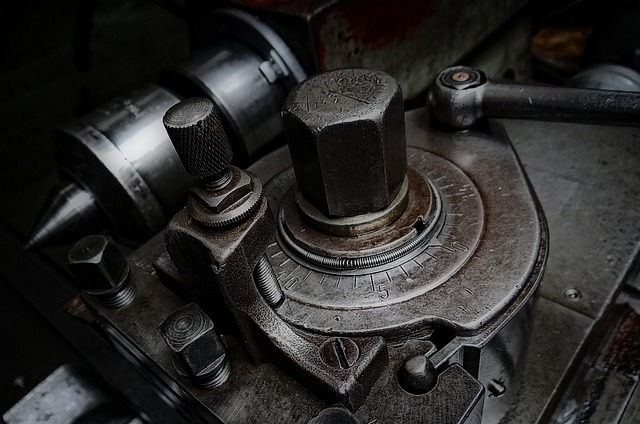
Overview of Tormach’s Innovation in Precision Engineering
Tormach’s design philosophy centers on accessibility and modularity. Its integration of automation into small-scale CNC systems allows users to scale capabilities without replacing entire machines. The 8L Lathe exemplifies this philosophy, evolving from a compact manual lathe into a fully automated precision tool through incremental upgrades. Modular components such as the automatic collet closer enhance flexibility by allowing operators to switch between manual and automated setups quickly, improving efficiency during short production runs or prototyping cycles.
The Role of Automation in Modern CNC Machining
Automation now defines modern CNC workflows. It drives consistent part quality and minimizes human error, particularly in repetitive production tasks. Compact platforms like the 8L Lathe benefit from automated collet systems that maintain uniform clamping pressure across cycles. When comparing manual versus automatic collet operation, data from production environments consistently show reduced setup times and improved dimensional stability when automation is employed.
Understanding the 8L Lathe Automatic Collet Closer
The automatic collet closer represents a mechanical advancement that directly influences spindle performance and workholding reliability. Its design emphasizes both structural integrity and operational speed.
Design and Mechanical Functionality
The system relies on precise alignment between the spindle nose and collet assembly to maintain accuracy during repeated clamping cycles. Pneumatic actuation enables rapid engagement and release, ideal for high-throughput turning operations where seconds matter. Compatibility with standard ER and 5C collets ensures versatility across various materials and part geometries without requiring special adapters or tooling modifications.
Installation and Integration with Existing Systems
Integrating the automatic collet closer into an existing 8L setup involves mechanical mounting followed by software calibration within PathPilot control. Operators configure control parameters such as actuation timing and pressure thresholds directly through the interface, synchronizing pneumatic actions with spindle commands. Routine maintenance includes checking air line integrity, inspecting seals, and verifying actuation response to preserve long-term stability.
Enhancing Precision Through Automated Workholding
Automated workholding contributes significantly to machining consistency by standardizing clamping force and minimizing operator influence on part alignment.
How the Automatic Collet Closer Improves Repeatability
Uniform clamping pressure reduces runout errors that typically occur when parts are manually tightened. This consistency translates into improved repeatability across multiple batches. Additionally, stable clamping minimizes vibration during high-speed turning, limiting thermal drift that can distort dimensions over long runs. The result is a uniform surface finish even under varying load conditions.
Efficiency Gains in Production Cycles
Automated clamping reduces setup time between parts because the system executes predefined sequences without manual adjustment. For small-batch manufacturing or prototype work, this translates into measurable throughput gains—often cutting cycle transitions by up to half compared with manual methods. Operator safety also improves since hands remain clear of moving spindles during loading operations.
Comparing the 8L Lathe Upgrade with Traditional Systems
When benchmarked against traditional manual lathes or older CNC models, the upgraded 8L demonstrates measurable advantages in both precision metrics and workflow efficiency.
Performance Metrics and Accuracy Evaluation
Tolerance consistency improves due to stabilized workholding forces that prevent micro-movement during cutting passes. Concentricity measurements taken before and after upgrade typically show reductions in total indicated runout (TIR) by several microns. These improvements become most visible in real-world machining scenarios involving tight-tolerance shafts or threaded components where dimensional drift directly affects assembly fit.
Compatibility with Other Tormach Accessories and Tooling Options
The automatic collet closer integrates seamlessly with other Tormach accessories including turret tool changers, tailstocks, and live tooling attachments. This interoperability allows educational labs to simulate industrial automation scenarios while giving small manufacturers scalable options for expanding capability without purchasing new machines. Users upgrading from earlier lathe models can retrofit their systems using existing pneumatic infrastructure with minimal modification.
Broader Implications for CNC Workflow Optimization
Automation modules such as the automatic collet closer signal a broader shift toward intelligent manufacturing ecosystems where machine feedback informs process optimization.
Streamlining Production Through Smart Automation Add-ons
Automated workholding supports lean manufacturing by reducing idle time between tool changes and part swaps. When connected through PathPilot’s monitoring tools, data on cycle durations and tool wear patterns can be analyzed to refine cutting strategies over time. Future iterations may incorporate sensor arrays or IoT-based diagnostics capable of detecting pressure anomalies before they impact part quality.
Economic and Operational Impact on Small Machine Shops
For smaller operations, adopting automated workholding represents a cost-effective way to scale output without increasing labor hours. While initial investment is higher than manual setups, long-term savings arise from reduced scrap rates, faster turnaround times, and lower operator fatigue. Automation also shifts workforce training priorities toward programming proficiency rather than repetitive mechanical tasks—a change aligning well with modern manufacturing education trends observed across industry training programs recognized by ISO technical standards.
FAQ
Q1: What benefits does the automatic collet closer bring to the Tormach 8L Lathe?
A: It automates part clamping for faster cycle transitions, improved repeatability, and safer operation compared with manual tightening methods.
Q2: Can existing 8L Lathes be retrofitted with this system?
A: Yes, it is designed as a modular upgrade compatible with current 8L configurations using standard pneumatic connections.
Q3: How does it affect machining accuracy?
A: By applying consistent clamping pressure each cycle, it reduces runout variation and maintains concentricity during extended runs.
Q4: Is additional software required for integration?
A: No external software is needed; configuration occurs within PathPilot through parameter adjustments linked to spindle control functions.
Q5: What maintenance schedule should operators follow?
A: Regular inspection of air lines, seals, and actuation response every few hundred cycles maintains optimal performance stability over time.