Will A Laser Engraving Machine for Metal Redefine Efficiency in 2026 Manufacturing
2026 Outlook: Laser Technology Driving Efficiency and Sustainability in Global Manufacturing
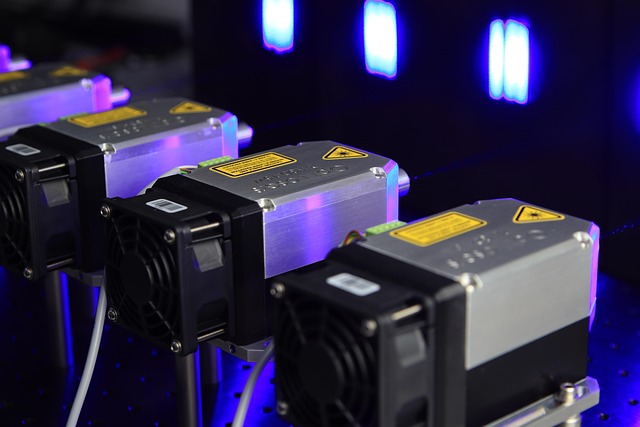
Laser engraving has moved from a niche marking tool to a core component of modern manufacturing. By 2026, the global shift toward digital production and sustainable practices will make the laser engraving machine for metal indispensable. Fiber and CO₂ laser systems now deliver unmatched precision, speed, and traceability, supporting industries from aerospace to electronics. The technology’s energy efficiency and clean operation align with global sustainability goals, while AI-driven automation is redefining productivity standards across industrial sectors.
The Growing Role of Laser Engraving in Modern Manufacturing
As manufacturing transitions toward digital workflows, laser engraving has become a strategic enabler of precision and traceability. Its evolution reflects both technological maturity and the industry’s demand for cleaner, faster processes.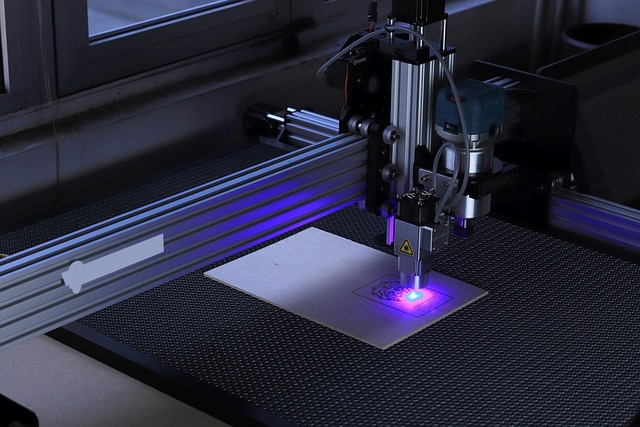
Evolution of Laser Technology in Industrial Applications
Laser technology began as a simple method for surface marking but quickly advanced into high-precision engraving capable of micron-level detail. Fiber lasers gained popularity due to their ability to process metals efficiently, while CO₂ lasers remained preferred for non-metallic materials. Over time, mechanical engraving was replaced by automated laser systems that require no physical contact with the workpiece, reducing wear and ensuring consistent quality.
Why Metal Engraving Is Central to Advanced Manufacturing
Metal engraving supports critical functions such as part identification, branding, and compliance with regulatory standards. In sectors like automotive or defense, permanent markings guarantee traceability throughout a product’s lifecycle. Manufacturers value laser marks for their resistance to abrasion and corrosion—essential qualities in harsh industrial environments. Moreover, global standards increasingly require permanent marking solutions that only laser systems can reliably deliver.
How Laser Engraving Machines Enhance Manufacturing Efficiency
Efficiency gains from laser systems extend beyond speed; they reshape entire production models through automation and data integration.
Precision and Repeatability in Metal Processing
A laser engraving machine for metal operates without direct contact, eliminating tool wear common in mechanical methods. This non-contact process minimizes maintenance downtime while maintaining micron-level accuracy across large production runs. Automated calibration ensures repeatable results even when switching between materials or designs, supporting flexible manufacturing lines.
Speed and Throughput Gains with Fiber Laser Systems
Fiber lasers achieve high energy density that enables rapid marking on hard metals such as titanium or stainless steel. Multi-axis configurations allow precise engraving on curved or complex surfaces without repositioning parts manually. These capabilities shorten cycle times significantly, aligning with lean manufacturing principles focused on minimizing idle equipment time.
Integration with Smart Manufacturing Systems
Modern laser engravers integrate seamlessly into Industry 4.0 frameworks through IoT connectivity. Real-time monitoring allows operators to track performance metrics such as beam stability or marking depth instantly. Data collected during each operation feeds predictive maintenance algorithms that prevent unplanned downtime—a key advantage in continuous production environments.
Sustainability Implications of Laser Engraving for Metal Fabrication
The environmental benefits of laser technology are becoming central to its adoption strategy among manufacturers facing stricter emission targets.
Energy Efficiency and Resource Utilization
Fiber lasers consume less power compared to traditional marking methods like chemical etching or stamping. Their solid-state design has fewer consumables, which reduces operational waste. Additionally, long service life means fewer replacements over time—an often-overlooked factor contributing to lower carbon footprints in fabrication plants.
Cleaner Production and Reduced Chemical Use
Unlike ink-based printing or acid etching, laser engraving requires no solvents or hazardous chemicals. This makes it suitable for cleanroom environments such as medical device manufacturing. Reduced emissions align with international green manufacturing initiatives promoted by organizations like ISO 14001 that emphasize pollution prevention and resource efficiency.
The Competitive Edge: Economic Impact by 2026
With cost pressures rising globally, manufacturers are turning to automation technologies like laser engraving to maintain margins without sacrificing quality.
Cost-Benefit Analysis for Manufacturers Adopting Laser Engraving Machines for Metal
Although initial investment can be substantial, long-term savings are realized through reduced labor costs and minimal consumable use. Automation allows one operator to manage multiple machines simultaneously. Furthermore, improved surface finish enhances perceived product quality—often justifying premium pricing in competitive markets.
Market Trends Driving Adoption Across Industries
Automotive Sector Innovations
Lightweight alloys used in electric vehicles require permanent yet non-invasive identification methods; lasers provide this without compromising structural integrity.
Aerospace and Defense Applications
Component traceability is vital under aerospace safety regulations such as AS9100D; permanent coding via laser ensures compliance.
Electronics and Medical Device Manufacturing
Miniaturized devices demand micro-engraving precision achievable only through controlled laser pulses capable of sub-micron resolution.
Technological Advancements Shaping the 2026 Landscape
Continuous innovation is redefining what manufacturers expect from their marking equipment—speed alone no longer defines competitiveness.
AI-Assisted Process Optimization in Laser Engraving Machines for Metal
AI-driven control systems analyze process variables like beam focus or pulse frequency in real time to adjust parameters automatically. Predictive analytics further improve throughput while maintaining consistent quality across diverse material batches—a capability increasingly valued in just-in-time production models.
Hybrid Systems Combining Additive and Subtractive Processes
Emerging hybrid machines combine 3D printing with post-process laser engraving within one workflow. This integration allows direct marking on freshly printed metal parts before final assembly, streamlining digital manufacturing ecosystems from design to finished product inspection.
Global Outlook: Redefining Efficiency Through Innovation and Collaboration
Regional strategies will shape how rapidly these technologies scale across different markets leading up to 2026.
Regional Developments Influencing Adoption Rates by 2026
Asia-Pacific continues leading investments in smart metal fabrication infrastructure driven by rapid industrialization and government-backed innovation programs. North America focuses more on sustainability-driven adoption under new environmental regulations encouraging low-emission production technologies.
Collaborative Ecosystems Between Equipment Manufacturers and End Users
Partnerships between machine builders, software developers, and material scientists are accelerating customization capabilities across industries. Open innovation models foster interoperability between hardware platforms and digital design tools—vital for flexible production networks where adaptability determines competitiveness.
FAQ
Q1: What metals can be processed using a laser engraving machine for metal?
A: Most systems handle stainless steel, aluminum, copper alloys, titanium, and coated surfaces effectively depending on beam wavelength configuration.
Q2: How does fiber laser efficiency compare to CO₂ lasers?
A: Fiber lasers typically convert over 40% of input power into usable light energy versus around 10% for CO₂ systems, making them more energy-efficient for metal work.
Q3: Are laser engravings resistant to corrosion?
A: Yes, properly calibrated engravings alter the surface structure rather than applying external coatings, so they remain intact even under harsh conditions.
Q4: Can laser engraving be integrated into automated assembly lines?
A: Modern units feature robotic interfaces allowing seamless integration into conveyor-based or robotic assembly cells without manual handling steps.
Q5: What role will AI play by 2026 in metal engraving operations?
A: AI will enable self-adjusting processes where machines fine-tune parameters autonomously based on sensor feedback to maintain precision at high throughput rates.