How Plasma CNC Machine Efficiency Transforms Pennsylvania Turnpike Upkeep
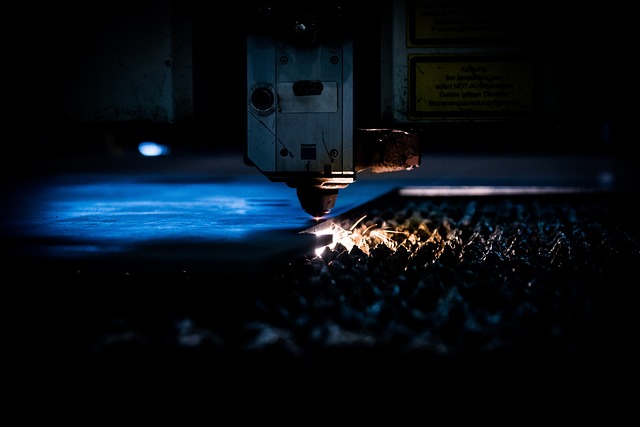
Plasma Cutting Opens Lanes for Pennsylvania Turnpike Upkeep
Precision fabrication has become central to modern roadway maintenance. On the Pennsylvania Turnpike, plasma CNC machines now play a decisive role in keeping infrastructure safe and operational. Their ability to cut thick metals with speed and accuracy shortens repair cycles and reduces lane closure times. This technology doesn’t just replace manual methods—it redefines how maintenance teams plan, fabricate, and install critical components across the state’s busiest corridors.
The Role of Plasma CNC Machines in Infrastructure Maintenance
Plasma CNC systems are reshaping how transportation agencies approach long-term asset management. By combining automation with high-temperature plasma cutting, these machines deliver consistent results even under tight deadlines.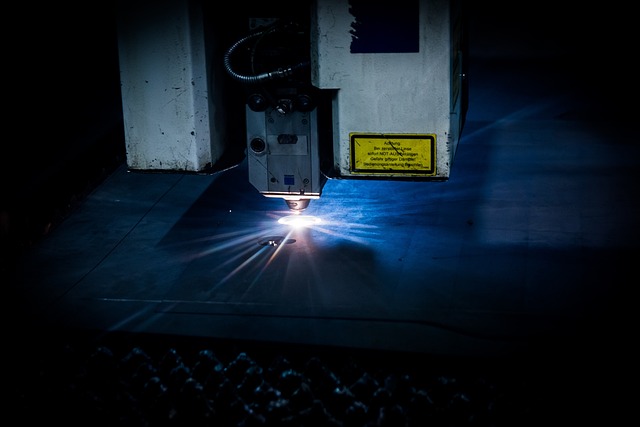
Understanding Plasma CNC Technology in Roadway Applications
A plasma CNC machine directs an electrically conductive gas through a focused nozzle, creating temperatures hot enough to slice through steel or aluminum cleanly. Its computer-controlled movements allow repeatable precision, vital when fabricating bridge brackets or guardrail posts that must meet strict tolerances. The integration of digital design files into these systems means fewer manual adjustments and less wasted material during production.
Why Plasma CNC Machines Are Suited for Turnpike Maintenance
Turnpike maintenance often involves heavy-gauge steel used in barriers, signposts, and expansion joints. Plasma cutters handle these materials easily while maintaining edge quality suitable for immediate installation. Their high-speed operation supports rapid replacement of damaged parts during scheduled closures, reducing disruption to motorists. Portable units can also be deployed roadside for on-site fabrication—a practical advantage when time-sensitive repairs arise.
Enhancing Efficiency in Pennsylvania Turnpike Upkeep Operations
Efficiency is not only about speed; it’s about predictability and coordination among teams responsible for design, fabrication, and installation. Plasma CNC machines provide that consistency by turning digital plans into exact physical components without lengthy intermediate steps.
Streamlining Fabrication and Replacement Processes
Pre-programmed cutting paths make it possible to produce standardized parts quickly from stored templates. This capability shortens lead times for emergency repairs—especially useful when severe weather or accidents damage structural elements. Automated nesting software arranges cut patterns to use every inch of metal sheet efficiently, lowering both cost and scrap volume.
Minimizing Downtime Through Precision and Automation
Accurate cutting reduces fitting errors that can delay field assembly. When engineers modify designs remotely through CAD systems linked to the plasma cutter’s interface, updates translate instantly into production changes. That digital continuity speeds up turnaround times so maintenance crews spend less time blocking traffic lanes.
Integrating Plasma CNC Machines with Modern Maintenance Strategies
Modern infrastructure management depends on data flow between engineering offices and field units. Plasma CNC technology fits naturally within this ecosystem by accepting digital inputs directly from design platforms used across departments.
Coordination Between Engineering Teams and Fabrication Units
Centralized CAD/CAM data sharing keeps component specifications uniform across multiple sites along the turnpike. Collaboration between field engineers who identify structural issues and fabrication specialists who produce replacement parts enhances workflow reliability. Predictive maintenance models can even schedule plasma cutting tasks before deterioration becomes critical.
Utilizing Data Analytics for Continuous Improvement
Machine logs record operational metrics such as cutting time, energy use, and wear on consumables. Analyzing this data helps technicians fine-tune parameters for better performance over time. Integration with asset management databases ensures each fabricated part is traceable from workshop to installation site—a key factor in compliance audits and quality control.
Environmental and Safety Advantages of Plasma CNC Implementation
Infrastructure upkeep increasingly aligns with sustainability goals set by public agencies. The shift toward automated plasma systems contributes both environmental benefits and improved worker safety conditions on high-traffic roadways like the Pennsylvania Turnpike.
Reducing Material Waste and Energy Consumption
Optimized cutting paths reduce scrap compared with traditional torch or saw methods, conserving raw materials that would otherwise be discarded. These machines also consume power efficiently relative to their output capacity, supporting lower overall energy footprints in state-funded projects. Even leftover metal pieces are recyclable, feeding back into a circular materials economy.
Improving Worker Safety During Turnpike Upkeep Projects
Automation limits direct human exposure to sparks, heat, and fumes typical of manual cutting operations. Many modern units support remote operation via control panels positioned away from active lanes or elevated work zones, minimizing risk from passing traffic. Consistent machine behavior further reduces accidents caused by fatigue or misjudgment during repetitive manual tasks.
Future Prospects for Plasma CNC Machines in Transportation Infrastructure
As infrastructure networks adopt smarter tools, plasma CNC systems are expected to evolve alongside broader trends in automation and connected machinery across public works sectors nationwide.
Advancements in Automation and Smart Integration
Next-generation plasma cutters already feature AI-assisted controls that adjust voltage or gas flow automatically based on material thickness readings. IoT-enabled sensors transmit real-time diagnostics so supervisors can monitor system health remotely from central command centers. Pairing these machines with robotic assembly arms could one day allow fully automated repair stations along major highways.
Expanding Applications Beyond Metal Fabrication in Turnpike Systems
Beyond structural steel work, plasma technology shows promise for producing custom signage panels or enclosures for tolling electronics where durability matters most. Broader adoption across other state-managed routes could harmonize standards for part fabrication statewide—simplifying procurement while improving consistency of roadside assets nationwide.
FAQ
Q1: How does a plasma CNC machine differ from traditional oxy-fuel cutting?
A: It uses electrically ionized gas instead of combustion-based heat, allowing faster cuts with cleaner edges on conductive metals like steel or aluminum.
Q2: Can portable plasma systems handle outdoor conditions on the turnpike?
A: Yes, many are designed with rugged casings and built-in compressors suitable for field deployment during roadside repairs.
Q3: What safety protocols accompany automated cutting near traffic zones?
A: Operators typically control equipment remotely while barriers or temporary shields protect the work area from debris or sparks.
Q4: How does data integration improve long-term maintenance planning?
A: Centralized digital records link each fabricated component to its service history, enabling predictive scheduling based on usage patterns.
Q5: Are there measurable cost savings from adopting plasma CNC technology?
A: Agencies report reduced material waste, shorter project durations, and fewer labor hours per repair cycle—all contributing to lower total maintenance costs over time.