Can a Mini CNC Machine Efficiently Handle Turning a Milling Machine Into a Lathe
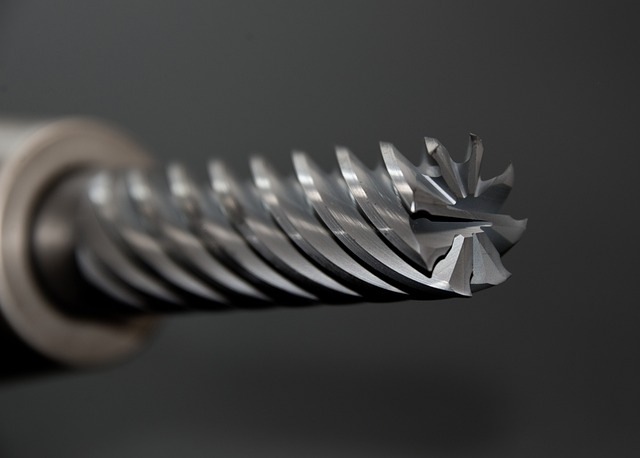
Turning A Milling Machine Into A Lathe
Converting a milling machine into a lathe is technically achievable but demands careful mechanical adaptation. The two machines operate on distinct principles: milling removes material with a rotating cutter, while turning shapes a rotating workpiece. When executed correctly, such conversion can expand the versatility of compact systems like the mini CNC machine, allowing small workshops to handle both prismatic and cylindrical parts without investing in separate equipment. However, this process requires precise alignment, spindle modification, and control software adjustments to maintain dimensional accuracy.
Understanding the Concept of Converting a Milling Machine into a Lathe?
Transforming a milling platform into a lathe involves addressing the fundamental mechanical and kinematic differences between the two processes. The success of such conversion depends on how well each system’s motion and tooling requirements are reconciled.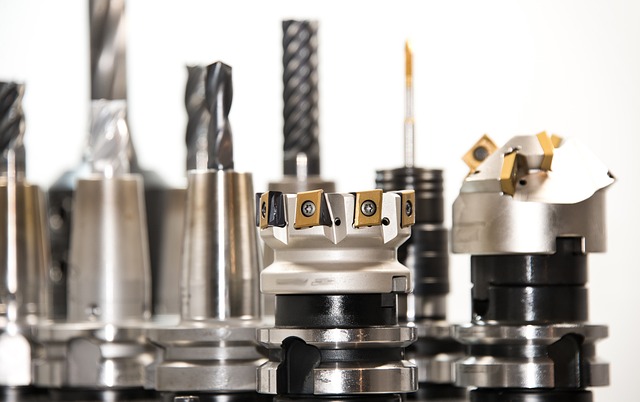
The Fundamental Differences Between Milling and Turning Operations
Milling removes material using rotating cutting tools that move across a stationary workpiece. Turning, on the other hand, relies on the rotation of the workpiece itself while a stationary tool removes material along its surface. These opposing dynamics define their mechanical contrast. Tool orientation in milling is typically vertical or horizontal relative to the table, whereas turning tools must align radially to the spinning part. Workholding also differs: vises or clamps secure flat stock in milling, while lathes use chucks or collets for round pieces.
The Feasibility of Hybrid Machine Configurations
Combining both functions in one setup is possible through hybrid configurations that integrate turning spindles into milling frames. Precision alignment between spindle axis and linear motion is crucial for maintaining concentricity. Structural rigidity plays an equally vital role since any flexing can distort roundness during turning operations. Control software must also support both toolpath types—milling’s Cartesian interpolation and turning’s polar coordinates—to synchronize motion accurately.
Evaluating the Role of Mini CNC Machines in Conversion Projects
In recent years, mini CNC machines have become popular platforms for experimentation due to their modular structure and affordability. They provide an accessible starting point for hybridization but come with inherent power and size limitations.
Capabilities of Mini CNC Machines in Precision Machining
A mini CNC machine offers compact dimensions ideal for small-scale precision work. Despite limited spindle torque, it delivers fine accuracy when machining soft metals or plastics. Its modular design allows users to retrofit additional components such as rotary attachments or custom spindles for experimental conversions. In educational labs or prototype environments, this adaptability provides valuable learning opportunities about multi-axis control.
Mechanical Constraints When Using a Mini CNC for Turning Tasks
However, several constraints arise when adapting these machines for turning duties. Short bed length limits both workpiece diameter and length capacity, restricting part geometry options. Spindle bearings designed for intermittent milling loads may not endure continuous rotational stress typical in lathe operations. At higher speeds, vibration and chatter become more noticeable because lightweight frames lack damping mass found in dedicated lathes.
Engineering Considerations for Conversion Efficiency
Mechanical modification must balance performance gains with system stability. The main challenges lie in spindle adaptation and tooling configuration that can withstand continuous rotational forces without compromising accuracy.
Spindle Adaptation and Workholding Challenges
A successful lathe conversion requires upgrading the spindle to handle sustained rotation under load conditions common in turning. Chuck mounting systems should accommodate both ER collets used in milling and three-jaw chucks preferred for cylindrical parts. Maintaining precise coaxial alignment between spindle centerline and cutting path prevents taper errors during finishing passes.
Tooling Modifications Required for Effective Turning on a Milling Platform
Turning tools demand rigid holders positioned at exact height relative to the workpiece axis. Installing quick-change tool posts can simplify setup while improving repeatability across multiple cuts. Unlike end mills, lathe tools rely on specific rake angles that influence chip flow; using improper geometry can cause surface tearing or excessive wear. Proper height adjustment also minimizes deflection that might otherwise degrade surface finish quality.
Control System Integration and Software Adjustments
Mechanical conversion alone cannot deliver full functionality without corresponding control system updates. Software-level adaptations allow hybrid machines to interpret G-code commands intended for traditional lathes.
CNC Programming Adaptations for Turning Operations
To mimic lathe behavior, G-code must be modified so that feed directions correspond with rotational motion rather than linear axes alone. Some users reconfigure axis mapping within their controller settings to redefine X as radial movement instead of transverse feed. Advanced CAM software supports custom post-processors capable of generating toolpaths tailored to hybrid setups.
Automation and Feedback Systems for Process Stability
Closed-loop feedback systems improve accuracy when switching between operational modes by continuously monitoring position errors through encoders or sensors. Integrating vibration sensors helps detect imbalance early before it affects part quality. Adaptive algorithms can then adjust feed rates dynamically based on real-time load data—features increasingly available even in compact controllers used with mini CNC machines.
Practical Applications and Limitations in Industrial Settings
Although not suited for heavy production environments, converted mini CNC-based hybrids serve valuable roles where flexibility outweighs throughput requirements.
Suitable Use Cases for Mini CNC-Based Hybrid Machines
Such setups are ideal for prototyping cylindrical components like bushings or pulleys when access to full-scale lathes is limited. Educational institutions use them to demonstrate principles of multi-axis machining within confined lab spaces. Small repair shops benefit from their versatility when handling low-volume jobs requiring both flat surfaces and turned features without changing equipment.
Technical Limitations Impacting Industrial Viability
Despite these advantages, industrial adoption remains constrained by power output and durability concerns. Continuous operation accelerates bearing wear since miniature spindles were never designed for long-duration turning cycles. Over time, accumulated vibration leads to gradual loss of precision—a critical factor where tight tolerances are mandatory.
Future Prospects of Multi-functional Mini CNC Systems
Emerging innovations continue to narrow the gap between dedicated lathes and converted milling units through smarter hardware integration and automation technologies.
Advancements in Compact Machine Tool Design
Manufacturers are developing micro-lathe modules compatible with existing mini CNC frameworks that enable seamless switching between operations within minutes. Improvements in servo motor efficiency now deliver higher torque from smaller housings, expanding cutting capability across tougher materials while maintaining compact form factors.
Potential Developments in Smart Machining Integration
Artificial intelligence could soon automate calibration routines during conversion setups by aligning axes autonomously through sensor feedback loops. Predictive maintenance algorithms analyzing stress data extend component life cycles by scheduling service intervals before failure occurs. Cloud-based control platforms may further unify hybrid machine management across different models within distributed workshop networks.
FAQ
Q1: Can any milling machine be converted into a lathe?
A: Not all models are suitable; machines with weak spindles or insufficient rigidity may fail under continuous rotation loads typical of lathe operations.
Q2: Is it safe to perform turning tasks on a mini CNC machine?
A: It can be safe if proper modifications are made—secure chuck installation, balanced rotation speeds, and vibration monitoring are essential precautions.
Q3: What materials can be turned effectively using converted mini CNC setups?
A: Softer materials like aluminum, brass, or plastics yield good results; harder alloys risk damaging bearings due to limited torque capacity.
Q4: How does software adaptation affect machining accuracy?
A: Correctly configured post-processors maintain coordinate consistency between modes; improper mapping often causes dimensional drift during transitions.
Q5: Are hybrid conversions cost-effective compared with buying separate machines?
A: For small workshops or educational labs where space is limited, conversions offer economic flexibility though not equivalent durability or throughput of dedicated systems.