Can a Small CNC Mill Handle a Proxxon CNC Conversion Efficiently
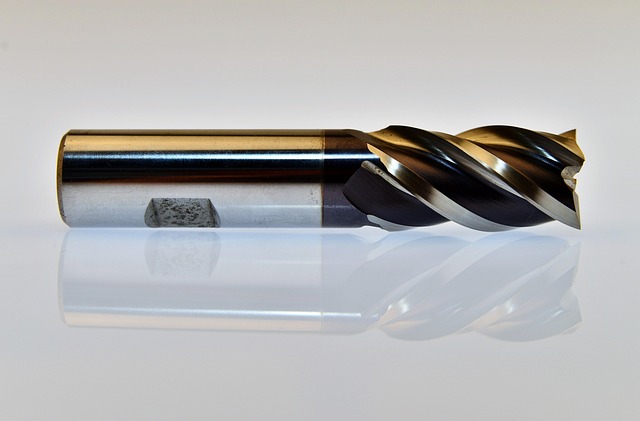
Proxxon CNC Conversion Makes A Small Mill A Bit Bigger
A Proxxon CNC conversion can transform a small CNC mill into a more capable precision tool. The conversion enhances rigidity, motion control, and repeatability without demanding a full machine replacement. For workshops that handle fine-detail machining or prototype work, this upgrade offers measurable accuracy gains and better workflow efficiency. The key lies in evaluating mechanical fit, power compatibility, and control integration before committing to the conversion.
Evaluating the Compatibility of a Small CNC Mill with a Proxxon CNC Conversion?
Compatibility defines whether the investment yields performance benefits or operational headaches. Before installation, engineers must verify that both mechanical geometry and electrical systems align correctly between the Proxxon kit and the existing mill.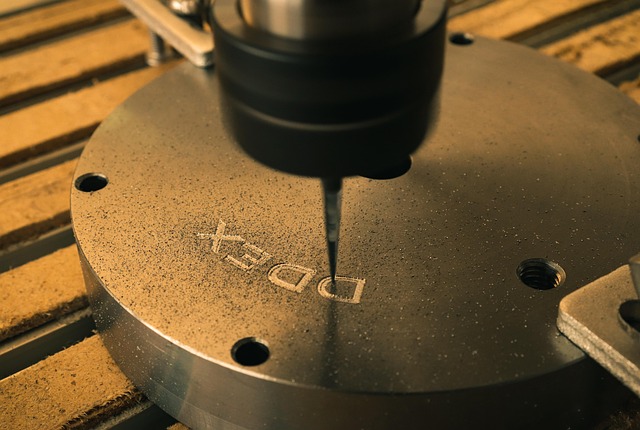
Assessing Mechanical and Dimensional Fit
The first step is confirming spindle alignment, bed size, and travel range. Even small deviations in spindle position can cause tool chatter or uneven cuts. The Proxxon conversion kit must match existing mounting points; otherwise, custom brackets may be required. When retrofitting older mills, users often find slight inconsistencies in hole spacing or Z-axis clearance that call for spacer blocks or redesigned plates. Rigidity after conversion is another concern—thin castings on compact mills tend to flex under load. Reinforcing column bases or adding cross-bracing helps maintain vibration control during high-speed passes.
Determining Mounting Point Alignment
Mounting alignment directly affects calibration accuracy. If the conversion kit’s bolt pattern deviates by even half a millimeter from the base casting, it can distort linear motion paths. Checking with precision squares and dial indicators before final tightening prevents misalignment-induced backlash later on. Many technicians prefer dry fitting all parts first to evaluate clearances between leadscrew housings and bearing supports.
Evaluating Rigidity and Vibration Control After Conversion
Vibration remains one of the most overlooked performance killers in small CNC mills. After converting with Proxxon components, additional stiffness from upgraded rails or heavier spindle mounts can improve surface finish quality by 15–20 %. Damping pads beneath the base also reduce harmonic resonance transmitted through benchtop surfaces.
Understanding Power and Motion Requirements
Once mechanical fit is confirmed, electrical performance becomes critical. The torque output of stepper motors must match both the weight of moving assemblies and cutting resistance of chosen materials.
Analyzing Motor Torque and Stepper Specifications
Stepper motors supplied with Proxxon kits typically deliver moderate holding torque suited for aluminum and plastics. However, when machining steel or brass, torque margins may narrow. Selecting NEMA 23-class motors with higher current ratings can prevent stalling during aggressive cuts. Engineers often measure actual load torque using a simple spring scale test at the tool tip to validate motor sizing.
Reviewing Controller Output Relative to Drive Demands
The controller’s maximum current output must support simultaneous multi-axis motion without overheating. If the Proxxon controller provides 2 A per channel while the stepper drivers require 2.5 A, performance degradation or skipped steps may occur. A small CNC mill benefits from external driver modules that allow fine-tuned microstepping and smoother acceleration curves.
Considering Backlash Compensation and Feed Rate Adjustments
Backlash compensation in the control software corrects for mechanical play between lead screws and nuts. Properly tuned parameters maintain consistent tool engagement, particularly during climb milling operations. Feed rate adjustments should reflect both spindle speed and material hardness to avoid deflection or chatter.
Mechanical Efficiency After Proxxon CNC Conversion
Mechanical efficiency determines whether the converted system can sustain precision over long production cycles. Reinforcing structural elements and optimizing spindle dynamics are essential steps toward professional-grade performance.
Structural Reinforcement and Rigidity Considerations
Small mills often rely on lightweight aluminum frames that flex under heavy loads. Adding linear rails or ball screws significantly improves stiffness, reducing positional error by up to 0.02 mm per axis. Ball screws also lower friction, improving energy transfer efficiency from motor to table movement. Increased rigidity directly influences surface finish consistency—fewer vibrations translate into smoother contours and tighter tolerances.
Spindle Performance and Cutting Capability
After conversion, spindle speed ranges may expand from 5 000 rpm to 20 000 rpm depending on Proxxon hardware configuration. This allows finer feed rates for micro-endmills used in PCB prototyping or jewelry machining. Tool compatibility depends on collet size; most Proxxon spindles accept 3 mm shanks but can be adapted for larger diameters with aftermarket collets. For deeper cuts, thermal buildup becomes a limiting factor—using air mist cooling or heat sinks around the spindle housing helps sustain accuracy during extended runs.
Thermal Management Strategies
Temperature drift affects both tool length offset and dimensional stability of small CNC mills. Regular monitoring with infrared sensors can identify hotspots near bearings or motor housings. Simple airflow ducts driven by low-noise fans often suffice for maintaining steady operating temperatures below 45 °C.
Control Systems Integration for Optimal Performance
Integration between hardware and software defines how effectively the converted mill executes complex toolpaths. Smooth communication between firmware, drivers, and motion control software minimizes latency and positional errors.
Software Compatibility and Parameter Tuning
Before full operation, verify that G-code formats generated by CAM software align with the Proxxon controller’s interpreter syntax. Some older controllers lack support for advanced commands like G43 (tool length offset) or M7 (mist coolant). Fine-tuning acceleration and deceleration curves prevents step loss when changing direction rapidly on short travel paths. Firmware updates sometimes introduce enhanced interpolation features or macro scripting that automate repetitive setups.
Sensor Feedback and Calibration Techniques
Installing homing switches on each axis allows precise referencing after power cycles, ensuring repeatable zero points within ±0.01 mm accuracy. Encoders add closed-loop feedback capability, detecting missed steps during motion execution. Post-installation calibration includes setting step distance values in control software based on measured travel per revolution of each lead screw.
Diagnostic Monitoring of Repeatability
Long-term reliability depends on tracking positional drift over time using dial indicators or laser interferometers during periodic maintenance checks. Consistent readings confirm mechanical integrity; deviations suggest wear in bearings or couplings requiring adjustment.
Workflow Efficiency in Small CNC Operations Post-Conversion
Once mechanical and control systems stabilize, workflow optimization defines daily productivity levels in small-scale workshops using converted mills.
Toolpath Optimization Strategies
Adapting CAM programs to exploit improved feed capabilities reduces machining time significantly. Sequencing operations logically—such as grouping similar tool diameters—cuts down tool change delays by several minutes per job run. Adaptive clearing strategies also help maintain uniform chip loads across irregular geometries common in prototype designs.
Maintenance Routines for Sustained Accuracy
Miniature mechanical systems demand disciplined lubrication schedules every 20–30 operating hours using light machine oil on linear rails and lead screws. Regular inspection of drive belts prevents slippage-induced dimensional errors while keeping couplings tight eliminates backlash growth over time. Clean work surfaces reduce debris accumulation that otherwise interferes with smooth axis movement.
Evaluating Return on Investment of a Proxxon CNC Conversion on Small Mills?
Financial justification matters as much as technical success when upgrading compact machines used in professional environments.
Cost-Benefit Analysis of Conversion vs Upgrading Equipment
A full Proxxon conversion typically costs less than one-third of purchasing a new mid-size CNC machine but still delivers comparable precision for small-part production runs. Downtime during installation averages two working days if pre-machined adapter plates are available locally. Operators already familiar with manual milling face minimal training overhead since user interfaces remain intuitive across most hobby-grade controllers.
Practical Applications Enhanced by Conversion Efficiency
Converted systems excel at producing miniature molds, engraving dies, electronic housings, and watch components where micron-level detail matters more than raw material removal rate. The upgrade broadens capability without demanding floor space expansion—a critical advantage in urban workshops constrained by limited area.
Evaluating Scalability Options if Production Demand Increases Beyond Current Capacity
If output requirements rise beyond what a small CNC mill can handle post-conversion, modular scaling through additional converted units may be more economical than replacing all equipment outright. Networked control setups allow multiple mills to share G-code tasks under centralized supervision software, achieving distributed manufacturing efficiency at modest cost increments.
FAQ
Q1: What is the main benefit of converting a small CNC mill with a Proxxon kit?
A: It increases precision and rigidity while extending spindle speed range suitable for micro-machining tasks.
Q2: Does the conversion require extensive mechanical modification?
A: Most conversions fit existing mounting points but may need minor spacer adjustments or reinforcement plates for better alignment.
Q3: Can standard CAM software generate code compatible with Proxxon controllers?
A: Yes, provided post-processing settings match supported G-code syntax; some advanced functions might need manual editing.
Q4: How often should maintenance be performed after conversion?
A: Lubrication every few dozen operating hours is recommended along with quarterly checks for backlash or bearing wear.
Q5: Is it more cost-effective than buying a new CNC machine?
A: For small-scale applications requiring high accuracy but limited cutting envelope, conversion offers superior value compared to full replacement investments.