How Does the CNC Machining Process Make Medical Device Parts More Reliable?
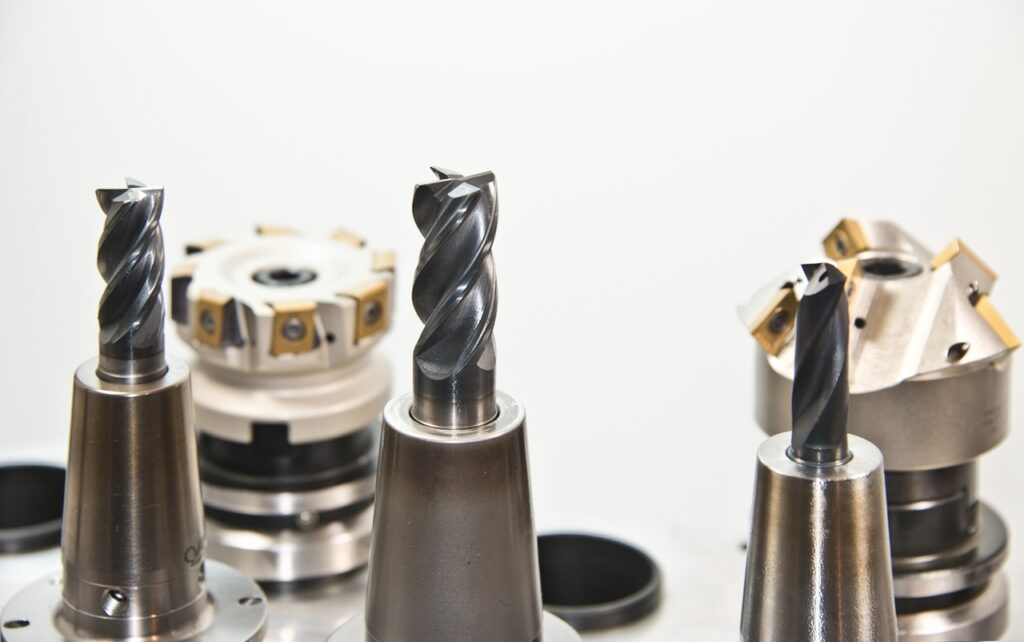
How Does the CNC Machining Process Make Medical Device Parts More Reliable?
The cnc machining process matters when a medical device part has to fit, move, seal, or support a clinical function without drama. You may be looking at a prototype housing, a surgical tool handle, a titanium trial component, or a small stainless steel connector. In each case, the drawing is only the starting point. The real value comes from controlled material, smart tool paths, stable fixturing, careful inspection, and clean documentation. For more related manufacturing topics, visit the jieerda Processes section.
Medical device machining is not just metal removal. It is a chain of choices. A wrong cutter radius can leave a corner that blocks assembly. A rushed deburring step can change an edge that touches a clinician’s glove. A missing lot record can slow a customer audit. Good CNC work feels almost quiet because problems are handled early, not after parts arrive in cartons.
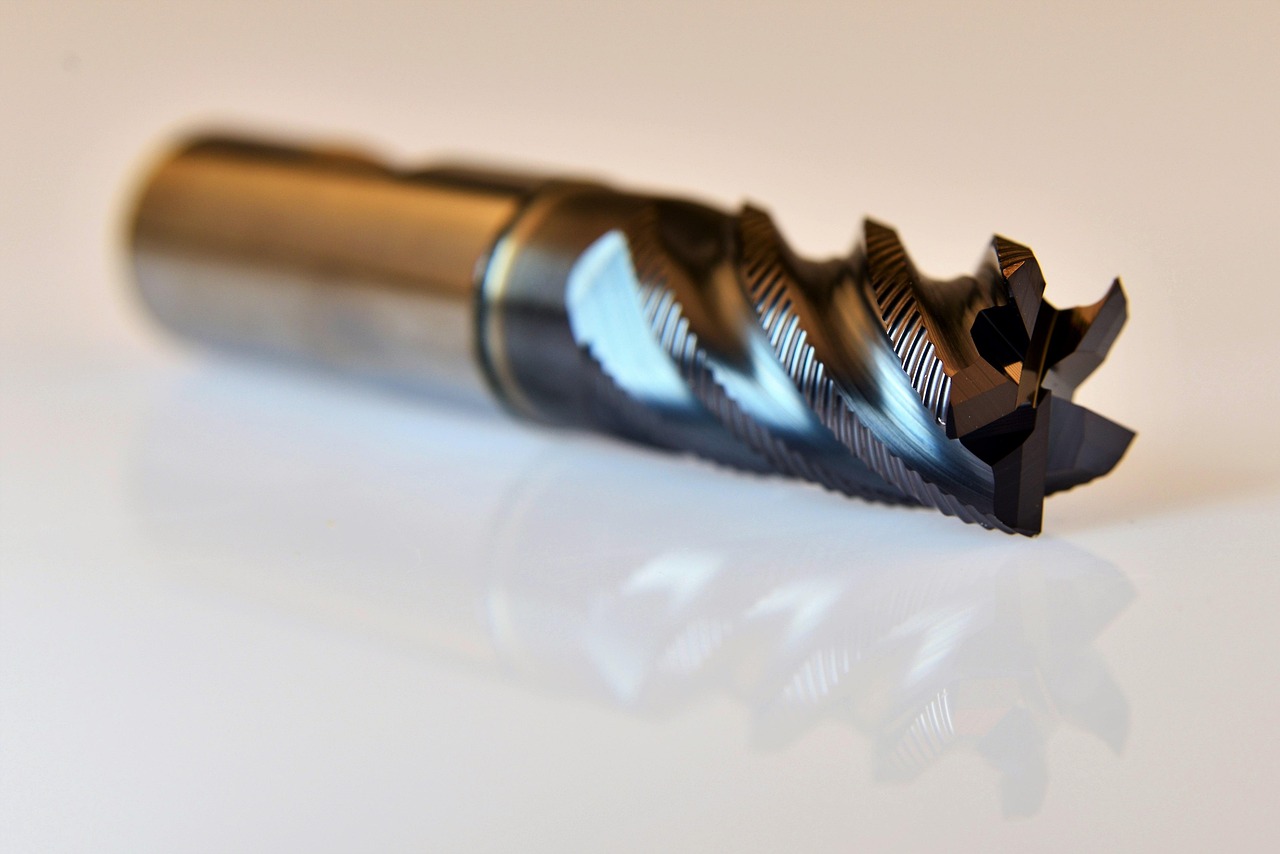
What Makes the CNC Machining Process Fit Medical Device Work?
CNC machining suits medical device parts because it can create detailed geometry from approved materials while keeping the process repeatable from one lot to the next. That repeatability is valuable in a market where scale and compliance sit side by side. Grand View Research reported in November 2024 that the U.S. medical device manufacturers market was estimated at USD 256.2 billion in 2024 and expected to reach USD 270.1 billion in 2025, with a projected 5.9% CAGR from 2025 to 2030. The simple conclusion is this: growing demand leaves little room for casual production habits, especially for parts used in regulated devices. Grand View Research
Tight Geometry and Clean Edges
Medical components often combine thin walls, small holes, slots, sealing faces, and thread features in one compact part. CNC milling and turning can hold these relationships well when the setup is rigid and the cutting sequence is planned. Clean edges matter too. A burr near a mating face may look tiny on a bench, yet it can create a real assembly issue.
Repeatable Tool Paths
Once a CNC program is proven, the same path can be repeated with controlled speeds, feeds, cutter engagement, and tool offsets. That does not mean the machine runs itself. Tool wear, coolant condition, material batch behavior, and thermal growth still need attention. The program gives you a stable base, then process control keeps it honest.
Material Options for Device Components
Device projects may call for stainless steel, aluminum, titanium, brass, copper alloys, PEEK, or other engineering plastics. Each material cuts differently. Titanium holds heat and punishes weak tooling. PEEK can move if stress and heat are handled poorly. A good supplier does not treat every drawing the same just because the file format looks familiar.
How Does a Good CNC Machining Process Start?
A strong machining job starts before the first bar, plate, or billet reaches the machine. The early review should connect the part function with the drawing notes, tolerance stack, material certificate needs, inspection method, surface finish, packaging, and expected order volume. This stage is not exciting, honestly, but it saves the most time.
Drawing Review and Risk Notes
The drawing review should flag features that may drive cost or risk. Deep pockets, sharp internal corners, micro holes, long slender pins, and cosmetic surfaces need special attention. If a drawing calls out a tight tolerance on a noncritical feature, you may be paying for precision that adds no value. If a critical feature is not marked clearly, the part may pass inspection but fail its job.
Material Selection and Lot Traceability
Material choice affects machinability, corrosion behavior, cleaning, strength, and appearance. For medical device buyers, traceability is just as important as the material name. You should ask how raw material lots are received, identified, stored, and linked to finished parts. A certificate that cannot be tied to a batch is not very helpful during a documentation review.
CAM Planning and Fixture Choice
CAM planning turns the CAD model into cutter paths. Fixture design holds the part while those paths run. Weak fixturing can create chatter, movement, poor flatness, or inconsistent hole position. A clever fixture may look simple, but it often carries the whole job. For low volume prototypes, soft jaws or modular fixtures may be enough. For repeat orders, dedicated fixtures can lower variation.
How Do Machining Steps Turn Stock Into a Finished Part?
The practical CNC machining process usually moves through roughing, semi finishing, finishing, inspection, deburring, cleaning, and packing. The exact route depends on whether the part is milled, turned, mill turned, or made through several operations. Small parts sometimes spend more time in handling and inspection than in actual cutting, which surprises new buyers.
Cutting Strategy and Tool Control
Roughing removes most of the material while leaving enough stock for a stable finishing cut. Finishing then brings the part to final size and surface condition. Tool control includes tool life limits, cutter inspection, offset updates, and replacement rules. If a shop waits for visible failure before replacing a cutter, your parts become the warning signal. That is not a good plan.
In-Process Checks
In-process checks catch drift before a full batch is affected. NIST has highlighted machining research where high accuracy machined diameters require checking part accuracy inside the machine tool so process corrections can be made. That public research point is useful for buyers: precision is not just a final inspection event. It is built through feedback during production. NIST
Deburring, Cleaning, and Surface Finish
Deburring is a real manufacturing step, not a quick favor at the end. Medical parts may need controlled edge breaks, no loose particles, and clean surfaces for later assembly or finishing. Cleaning should match the material and the next process. A machined aluminum enclosure, a stainless steel instrument part, and a polymer fluid path component may need very different handling.
Why Do Tolerances and Surface Finish Matter So Much?
Tolerance and finish tell the supplier how the part should behave, not just how it should look on paper. The hard part is balance. Overly loose tolerances can cause assembly play or leakage. Overly tight tolerances can raise cost, extend lead time, and create yield loss. You should know which dimensions are critical to function and which are simply nice to have.
Fit, Motion, and Assembly Feel
Medical device assemblies often rely on small mechanical relationships. A pin must slide without wobble. A cap must seat without rocking. A threaded part must start smoothly by hand. In these cases, tolerance is linked to user feel and device behavior. A CMM report may show numbers, but the assembly bench often tells the rest of the story.
Burr Control at Small Features
Small cross holes, slots, and intersecting bores are common burr traps. A burr inside a fluid or air path can create trouble long after machining is finished. Burr control may require tool path changes, special cutters, abrasive flow methods, manual work under magnification, or a mix of methods. The best choice depends on geometry and cleanliness requirements.
Surface Finish and Cleaning Results
Surface finish affects sliding, sealing, coating, cleaning, and appearance. A surface that is too rough can hold residue. A surface that is too polished may not be needed and can add cost. No single public tolerance or finish table proves what every supplier can do on every part. Capability depends on machine condition, material, cutter reach, inspection method, and operator skill.
How Should Quality and Compliance Be Built Into the Process?
For medical device work, quality cannot sit in a separate office away from machining. It has to show up in quotation review, purchasing, programming, operator instructions, inspection planning, nonconforming material control, and final records. Good quality practice is not paperwork for paperwork’s sake. It is the memory of the process.
ISO 13485 as the Quality Framework
ISO describes ISO 13485 as an internationally agreed standard that sets requirements for a quality management system specific to the medical device industry, and notes that it is designed for organizations involved in design, production, installation, servicing, and related services. For you, that means a machining supplier should be able to connect part making with risk, records, supplier control, and corrective action. ISO
FDA QMSR Alignment in 2026
For devices sold in the United States, the compliance picture changed on February 2, 2026. The FDA states that the Quality Management System Regulation became effective on that date, amending 21 CFR Part 820 and incorporating ISO 13485:2016 by reference. FDA also stopped using QSIT and moved to the updated Inspection of Medical Device Manufacturers Compliance Program. The takeaway is clear: machining records, risk based control, and supplier discipline matter more than ever. FDA
Records That Buyers Actually Need
Useful records may include material certificates, purchase traceability, approved drawings, inspection reports, first article inspection, tool or fixture notes, special process certificates, cleaning records, and packaging labels. You do not need a mountain of random files. You need the right records, tied to the right lot, available when the customer asks.
What Should You Ask before Choosing a CNC Machining Supplier?
The best supplier questions are practical. They should reveal whether the shop can make your part repeatedly, inspect it correctly, and communicate issues early. A glossy machine list is helpful, but it is not enough. You need evidence that the supplier can turn your drawing into controlled output.
Equipment Matched to Your Geometry
Ask whether the part needs 3-axis milling, 5-axis milling, Swiss turning, mill turn machining, wire EDM support, or secondary finishing. A machine with more axes is not automatically better. The right setup is the one that controls datums, reduces handling, protects surfaces, and keeps critical features in one stable relationship.
Inspection Planning Starts Early
Inspection should be planned before cutting metal. Ask which features will be checked on a CMM, optical system, height gauge, pin gauge, thread gauge, roughness tester, or custom fixture. Also ask how often checks happen during production. If the answer is only at the end, you may be carrying avoidable batch risk.
Communication That Prevents Rework
Good communication is a process control tool. Before placing an order, ask for clear answers to these points:
- Which dimensions drive cost, risk, or lead time?
- Which material certificates and inspection records will ship with the parts?
- How will drawing changes be controlled after quotation?
- What happens if a feature trends toward a tolerance limit?
- How will parts be protected from scratches, mix ups, and contamination during packing?
If a supplier answers these questions plainly, you are more likely to get a stable result. If every answer sounds vague, the low price may become expensive later. That is a small human rule in sourcing: the cheapest CNC quote often looks best before the first nonconformance report.
FAQ
Q1: What Is the CNC Machining Process for Medical Device Parts? A: It is a controlled method for cutting approved metal or plastic stock into finished components using programmed machine tools, verified setups, inspection steps, deburring, cleaning, and batch records.
Q2: Why Is CNC Machining Used for Medical Devices? A: CNC machining is used because it can make accurate, repeatable parts from materials such as stainless steel, titanium, aluminum, and engineering plastics while supporting traceability and inspection needs.
Q3: Does Every Medical Machined Part Need the Same Tolerance? A: No. Tolerances should match the part function. Critical sealing, motion, or assembly features may need tighter control, while noncritical areas can often use practical tolerances to reduce cost and lead time.
Q4: What Records Should You Request from a CNC Supplier? A: Common records include material certificates, first article reports, dimensional inspection data, finish or cleaning records, special process certificates, and labels that connect the finished lot to the purchase order.
Q5: How Can You Reduce Risk before Production Starts? A: Review the drawing carefully, mark critical features, confirm materials, agree on inspection methods, approve samples when needed, and keep revision control clear before full production begins.


