Why Is a CNC Milling Machine the Best Choice for Medical Device Parts?
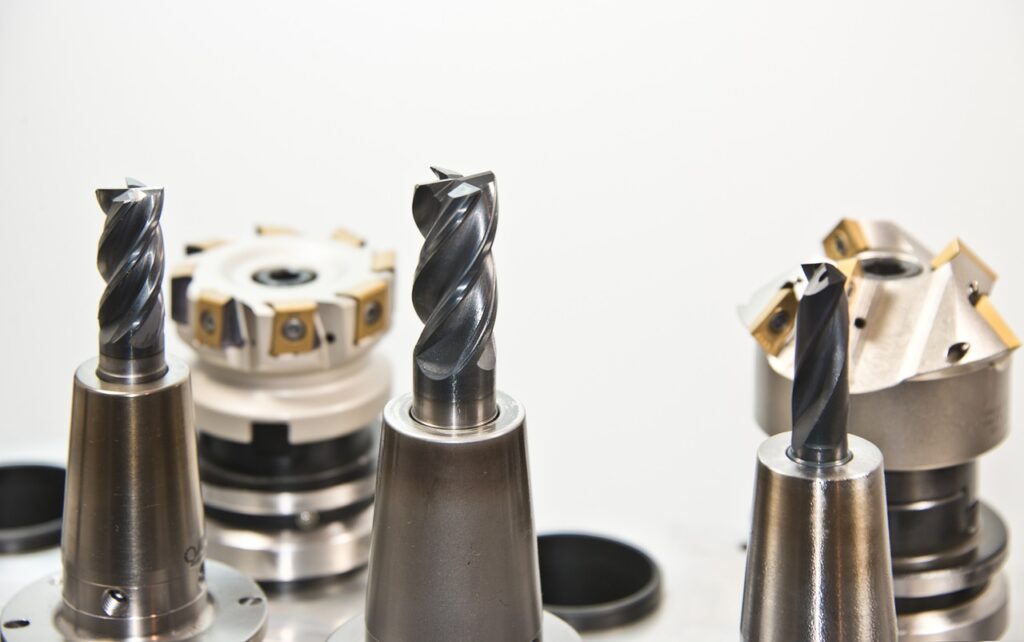
Why Is a CNC Milling Machine the Best Choice for Medical Device Parts?
If you are choosing a CNC milling machine for medical device parts, you are not just buying cutting capacity. You are choosing how small features, clean edges, stable materials, and repeatable inspection records will be handled every day. For more equipment topics in this category, you can also visit the Machines page.
The need is real. The WHO Global Health Observatory, accessed in July 2026, states that the world market has about 2 million kinds of medical devices, grouped into more than 7,000 generic device groups. That background matters because a shop may cut a stainless steel surgical handle on Monday, a titanium trial component on Tuesday, and an aluminum fixture by Friday. A flexible milling setup helps you handle that kind of spread without turning every job into a fresh headache.
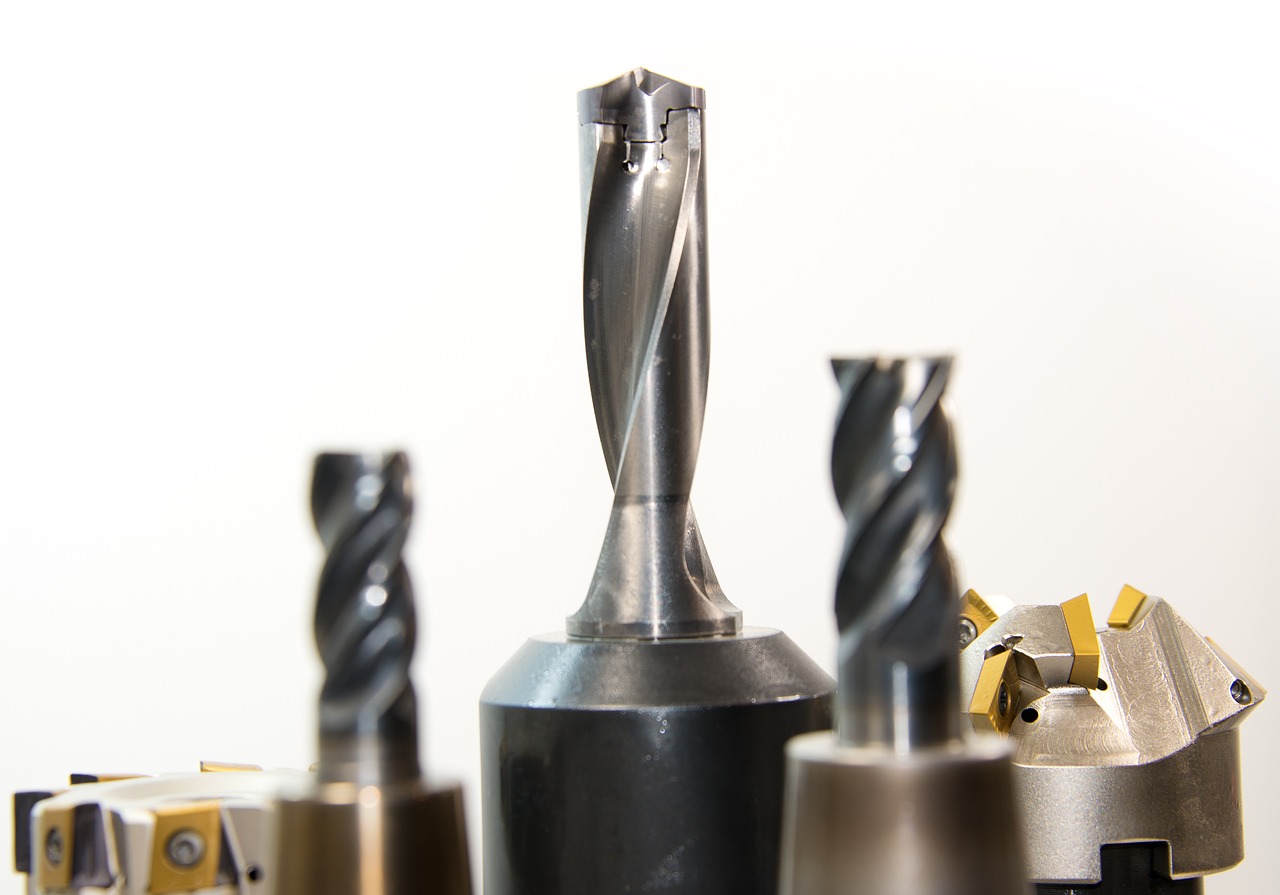
Why Does a CNC Milling Machine Matter in Medical Device Production?
Medical device machining is a strange mix of small details and big responsibility. One part may look simple in your hand, but it can carry holes, slots, radii, and surfaces that must match drawings again and again. A good milling setup gives you a controlled way to move from design intent to a checked part.
Tight Tolerances for Small Features
A CNC milling machine can cut pockets, threads, flats, ribs, and contoured forms with steady tool paths. In medical work, the point is not to chase a flashy number from a brochure. It is to match the drawing, prove the result, and keep that result stable over the batch.
Traceable Material and Repeatable Setups
You often deal with stainless steel, titanium alloys, cobalt chrome, engineering plastics, or aluminum used for tools and fixtures. The machine is only one part of the job. You also need clear material records, stable clamping, approved cutters, and a setup sheet that another trained operator can follow without guessing.
Clean Surface Paths for Patient-Contact Parts
Surface finish affects touch, cleaning, assembly, and in some cases tissue contact. Milling can leave predictable tool marks when speeds, feeds, coolant, and tool wear are controlled. A tiny burr near a slot can ruin an otherwise good part, so deburring and edge checks belong in the process, not at the very end as an afterthought.
Which Parts Fit CNC Milling Better than Other Processes?
Milling is strongest when you need subtractive cutting from known stock, accurate flatness, crisp features, or a machined finish. It is not the answer to every medical device project, but it is a dependable fit for many parts that need strength, geometry, and inspection access.
Surgical Instrument Bodies
Handles, clamps, guide blocks, and instrument bodies often need milled slots, ergonomic curves, and stable mating faces. For these jobs, the machine must hold geometry while the tool reaches several faces. A 3-axis machine may fit a simple handle, while 4-axis or 5-axis milling can reduce refixturing on complex shapes.
Implant Trial and Orthopedic Components
Trial implants, rasps, plates, and orthopedic prototypes may use demanding materials and fine profiles. CNC milling lets you cut from qualified stock and then check the part with gauges, CMM reports, or optical inspection. For final implants, the quality plan becomes even more strict, and every change should be recorded.
Housings, Jigs, and Custom Fixtures
Not every important part enters the body. Device housings, test nests, assembly jigs, and inspection fixtures also affect quality. A solid fixture can make later production faster and less messy. Funny enough, a plain-looking fixture sometimes saves more scrap than a brand-new cutter ever would.
What Should You Check before Buying a CNC Milling Machine?
Buying by travel size alone is risky. You need to match the machine to part geometry, material, inspection needs, floor skills, and future work. A practical review should include the machine, but also the tooling room, coolant plan, maintenance habit, and how operators will document each run.
Axis Count and Part Geometry
Start with the parts you expect to make, not the machine catalog. If the work is mostly flat plates and simple pockets, 3-axis milling may be enough. If the part has angled holes, curved surfaces, and several datums, 5-axis milling can reduce setup changes and lower the chance of stack-up error.
Spindle, Tooling, and Coolant Control
Hard medical materials need the right spindle power, stable holders, and cutters that can handle heat. Coolant also matters, especially for titanium and stainless steel. You should ask for a clear process window, not just maximum spindle speed. The fastest number on a spec sheet is rarely the whole story.
Workholding and Machine Footprint
A reliable machine still fails if the part moves. Check vises, pallets, soft jaws, vacuum plates, or custom fixtures before the purchase order is signed. Useful buying checks include:
- Largest part size and smallest critical feature
- Material families and expected batch size
- Inspection method for critical dimensions
- Coolant type, chip removal, and cleaning needs
- Operator skill level and maintenance support
How Do Quality Rules Shape CNC Milling for Medical Devices?
Medical device work is not only about cutting metal. You also need a quality system that links design inputs, production controls, inspection records, nonconforming parts, and change review. If a customer asks why a dimension is safe, the answer should come from records, not memory.
ISO 13485 Quality System Fit
The ISO 13485:2016 record says the standard covers quality management systems for regulatory purposes in medical devices, and ISO notes that the 2016 edition was last reviewed and confirmed in 2025. For a CNC process, that means you should connect machining steps with documented procedures, trained people, controlled equipment, and device-specific risk thinking.
FDA Process Validation Evidence
For the United States, the FDA PMA Quality System page states that process validation is a key requirement and that manufacturing processes must be validated when they cannot be fully verified. In milling, this can affect cleaning, special finishing, or any feature where later inspection cannot fully prove the result.
Inspection Data and Change Control
A public authority does not publish one universal tolerance that every CNC milling machine can hold. Tolerance depends on machine condition, cutter wear, stock stress, temperature, fixture design, and measurement method. So the better question is simple: can your process show repeatable data for this part, on this machine, with this setup?
Is a CNC Milling Machine Better than 3D Printing for Medical Parts?
The honest answer is that it depends on the part. Milling and additive manufacturing solve different problems. If you need internal lattice structures or shapes that cannot be reached by a cutter, additive manufacturing may fit. If you need known stock, accurate faces, and a proven machined surface, milling often feels more direct.
Known Stock Materials and Grain Direction
Milling starts with bar, plate, billet, or forged stock that can be tied to material certificates. That gives you a familiar path for purchasing, storage, machining, and inspection. For load-bearing metal parts, this can make reviews easier because the material route is clear from the start.
Smooth Finish after Cutting
A milled surface may still need polishing, passivation, anodizing, bead blasting, or cleaning, but it often starts with a controlled mechanical finish. That helps when a mating face must sit flat, a screw seat must be clean, or a sliding area must feel right in the hand.
Smart Use of Both Methods
Some teams print an early shape, then mill the critical features. Others mill fixtures used to inspect printed parts. You do not need to treat the choice like a fight. The better decision is based on risk, geometry, material, cost, lead time, and the inspection plan.
How Can You Build a Safer and More Reliable Milling Workflow?
A CNC milling machine should be productive, but it also has rotating tools, flying chips, coolant mist, and heavy doors. Safety and reliability are part of the same workflow. If operators feel forced to bypass guards or rush tool changes, the process is already poorly designed.
Guarding and Chip Control
The U.S. federal machine guarding rule at 29 CFR 1910.212, accessed in July 2026, calls for guarding methods to protect operators from hazards such as point of operation, rotating parts, flying chips, and sparks, and it specifically lists milling machines among equipment that usually requires point-of-operation guarding. For your shop, that points to enclosed cutting, interlocks, shields, safe chip removal, and lockout habits during service.
In-Process Checks and Thermal Drift
The NIST machining program listed 2026 work on thermal deformation and spindle monitoring, and it notes that high-accuracy machined diameters need in-machine accuracy checks so corrections can be made. The practical lesson is clear: temperature, spindle condition, and measurement timing can change real parts. Warm-up cycles and planned checks are not paperwork decorations.
Operator Training and Maintenance Rhythm
Good milling relies on people who can hear chatter, spot a dull cutter, clean a locating face, and stop a run before bad parts pile up. Keep maintenance simple and visible: spindle checks, coolant concentration, filter changes, way lubrication, probe calibration, and fixture cleaning. The boring routine is what protects the fancy part.
FAQ
Q1: What Is a CNC Milling Machine Used for in Medical Device Manufacturing? A: It is used to cut precise features in metal or plastic parts, including surgical instruments, orthopedic trials, housings, fixtures, and prototype components.
Q2: Is 5-Axis Milling Always Better for Medical Parts? A: No. 5-axis milling helps with complex geometry and fewer setups, but simple plates, brackets, and pockets may be more cost-effective on a stable 3-axis machine.
Q3: What Materials Can a CNC Milling Machine Cut for Medical Projects? A: Common choices include stainless steel, titanium alloys, cobalt chrome, aluminum for fixtures, and engineering plastics such as PEEK or acetal, depending on the device use and specification.
Q4: How Do You Prove a Milled Medical Part Meets the Drawing? A: You use controlled setup records, approved tools, inspection plans, calibrated gauges, CMM or optical reports when needed, and documented review of any process change.
Q5: Should You Choose CNC Milling or 3D Printing First? A: Choose based on geometry, material, risk, lead time, and inspection. Milling is often strong for accurate faces and known stock, while printing can suit shapes that cutting tools cannot reach.


