Why Do Tile Cutter Prices Vary So Much in 2026?
Why Do Tile Cutter Prices Vary So Much?
Tile cutter prices vary because the word tile cutter covers several tools. A buyer may be checking a small handheld scorer, a 24 in. snap cutter, a 48 in. large-format manual cutter, or a wet saw with a motor and water tray. For resale, contractor supply, or project procurement, the price difference becomes wider once packaging, freight, and service are added. For more buying guides in this category, visit the Sourcing section.
Public retail listings checked in July 2026 show the price range clearly. Home Depot listed QEP tile cutting products from about $9.98 for a handheld cutter to $530.99 for a 48 in. manual cutter, while Lowe’s listed a RUBI 70 in. snap cutter at $899. Harbor Freight showed a tabletop wet tile saw around $64.99, with a May 2026 coupon example at $54.99. These figures are market references, not fixed offers.
Tool Type Changes the Starting Price
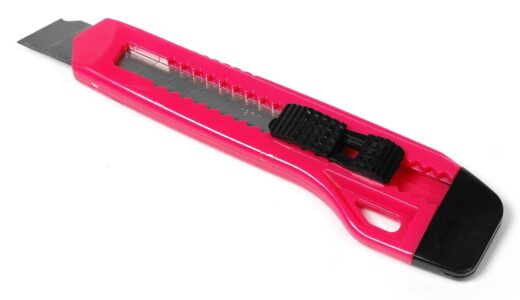
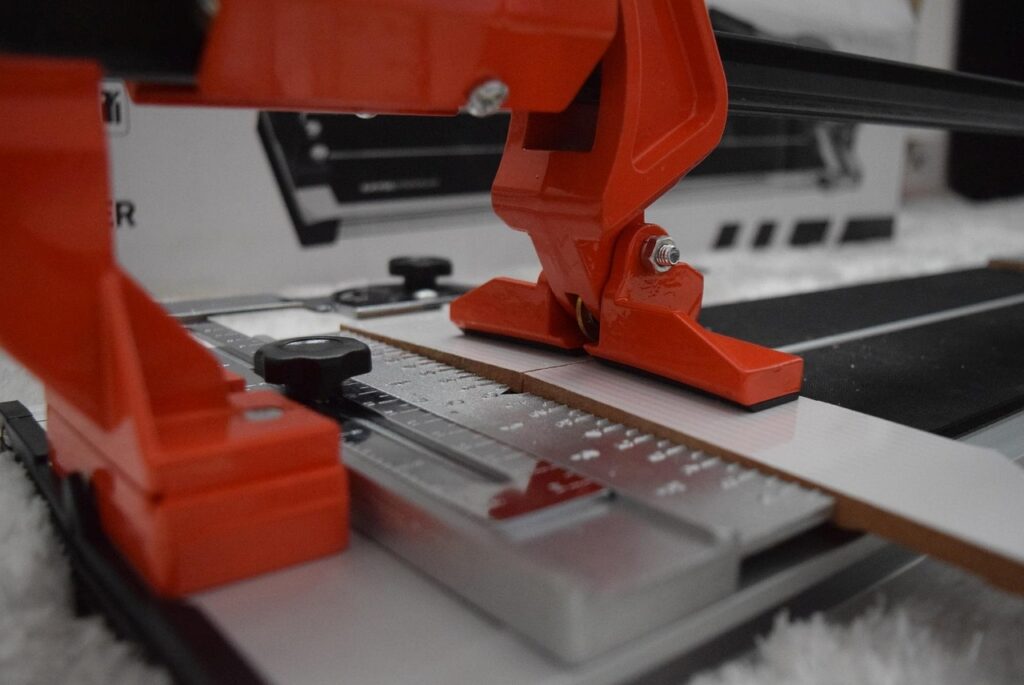
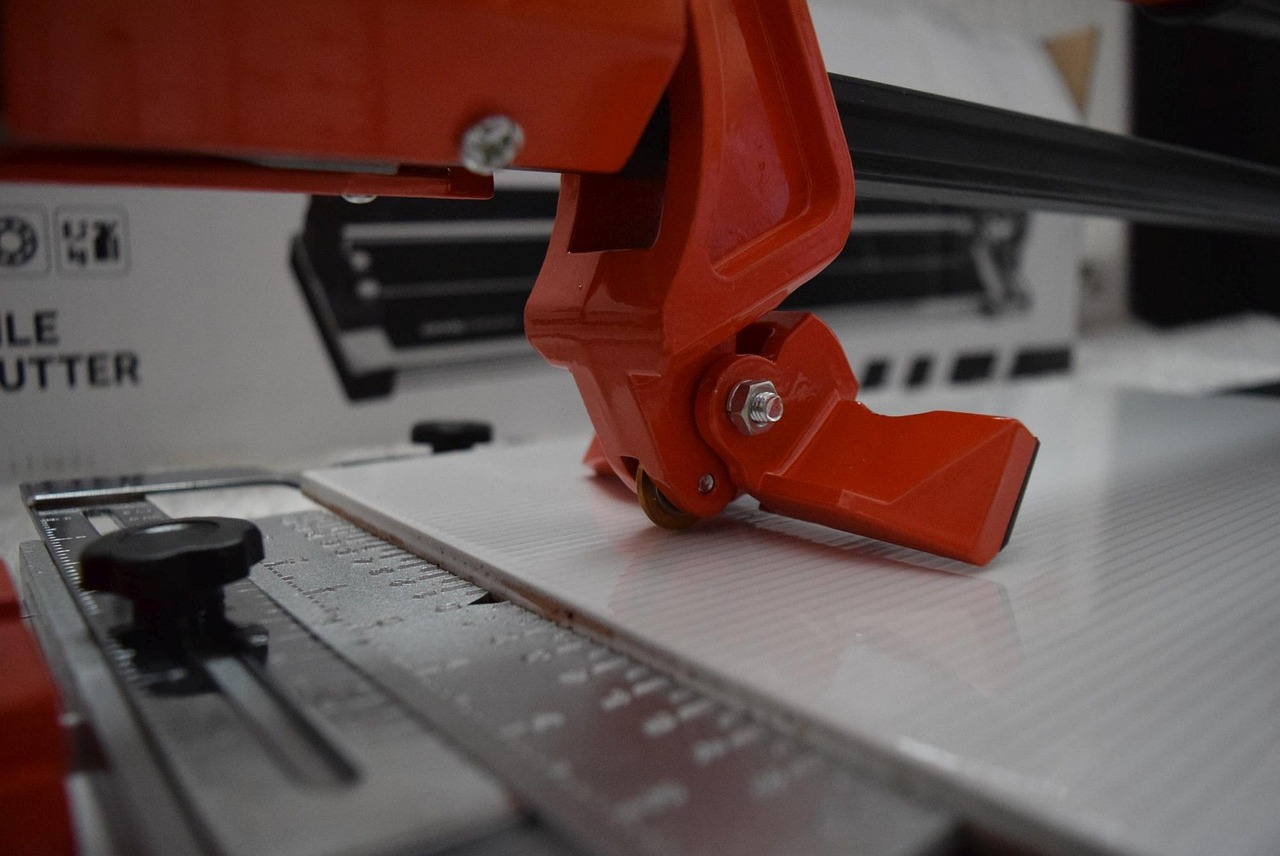
A handheld cutter costs less because it uses a scoring wheel and a basic breaking action. A manual rail cutter adds a base, guide rails, bearings, a breaker foot, and measuring parts, so the build is already different. A wet saw adds a motor, blade, table, water system, and more carton weight. This is why a small DIY cutter can stay below $50, while a professional wet saw or extra-long manual cutter can sell for several hundred dollars.
Cutting Length Raises the Price Fast
Length is one of the first items to check in a quote. A 600 mm cutter for wall tile is not the same product as a 1200 mm cutter for large porcelain floor tile. Longer rails need to stay straight when pressure is applied, and the base also has to resist twist. Even the carton becomes longer and harder to move, which is a small detail on paper but a real sourcing issue in shipment planning.
Brand, Channel, and Stock Status Matter
Retail prices include brand margin, warehouse cost, store returns, and local stock. Wholesale prices may look much lower, but they often do not include freight, duty, spare parts, or after-sales support. A well-known European or U.S. brand can also charge more because installers trust the cut quality. They also know they can buy replacement wheels without waiting weeks.
Which Price Range Fits Your Real Cutting Job?
The right budget depends on the tile, the cut length, and how often the tool will be used. A premium cutter is not needed for one small ceramic backsplash. A stronger cutter is needed if crews cut dense porcelain every day. A cheap tool that chips ten tiles on site is no longer cheap.
DIY Ceramic Work Needs a Lower Budget
For light ceramic wall tile, small repairs, or a one-room DIY job, a basic manual cutter can do the work. In U.S. retail examples from July 2026, compact manual cutters and entry tabletop wet saws often stayed below $150. This price range fits buyers who care more about simple use than long service life. It also works when the tool will sit in storage after one project.
Porcelain Floors Need a Stronger Cutter
Porcelain is harder and less forgiving than soft ceramic tile. For 600 mm or 800 mm porcelain floor tile, a stronger rail cutter with a better scoring wheel usually makes more sense. In retail channels, the price often sits around $100 to $300, depending on brand and size. The point is not to buy a fancy tool, but to reduce broken corners and arguments on the jobsite.
Large Format Tile Changes the Whole Budget
Large-format tile pushes the budget up quickly. Once tile length reaches 1200 mm, 1500 mm, or more, the cutter needs straight rails, full tile support, and a breaker system that applies pressure evenly. Public supplier listings on Alibaba and Made-in-China in 2026 showed many 600 mm to 1200 mm manual cutters from China around $26 to $70 per unit for common wholesale models. Longer or higher-grade listings reached above $100 before freight.
What Specs Make One Cutter Cost More Than Another?
Two cutters can look close in a product photo but work very differently on tile. Size is only one part of the cost. Rail stiffness, base material, scoring wheel quality, bearing movement, and water control all change the price. For trade buyers, these specs should be written in the quote instead of guessed from photos.
Rails and Base Build Decide Stability
Single-rail designs are common in low-cost models. Double-rail or heavy monorail designs cost more because they help reduce flex during scoring. A pressed steel base may be enough for light ceramic tile. For bigger porcelain, aluminum alloy bases, side extensions, thicker rods, and stronger brackets add cost, but they also give better control during cutting.
Scoring Wheels Affect Clean Breaks
A scoring wheel is a small wear part, but it affects the whole cutting result. Tungsten carbide wheels, titanium-coated wheels, and ball-bearing scoring assemblies often raise the price. On cheap cutters, the wheel may wobble or wear fast. When that happens, the tile does not break on the score line, and people often blame the tile first when the wheel is the real problem.
Motor Power and Water Control Raise Wet Saw Cost
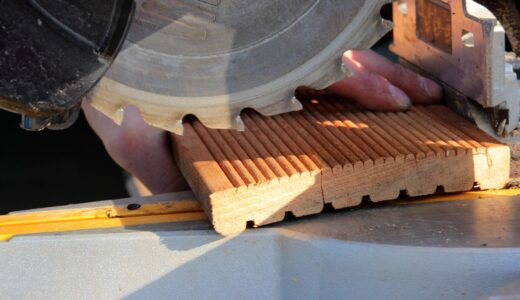
Wet saws cost more when the motor, blade table, water delivery, and cutting capacity are better. OSHA’s crystalline silica guidance for construction states that wet methods and engineering controls are key ways to reduce silica dust during cutting and sawing. That safety point is one reason a wet saw is more than a powered cutter. Used correctly, it also helps control dust on the job.
How Do Wholesale Tile Cutter Prices Differ From Retail Prices?
Wholesale listings can make tile cutter prices look very low. A 1200 mm cutter shown online at $30 to $60 may seem far cheaper than a retail cutter. Buyers should compare landed cost, not only the unit price shown on a supplier page. The difference between a factory quote and warehouse-ready cost can be large.
MOQ Makes Unit Price Look Smaller
Many supplier platforms show a lower unit price when the minimum order quantity is high. Made-in-China listings checked in 2026 showed examples such as 600 mm to 1200 mm manual cutters around $30 to $68 per piece, often tied to MOQs from 50 pieces to 1,000 pieces. A small trial order may cost more per unit. That is normal, because the factory still has setup, packing, and handling work.
Packaging Can Hide Real Cost
Packaging is not a small point for tile cutters. Long rails can bend if cartons are weak, and handles can break if the inner support is poor. For retail or Amazon-style channels, color boxes, foam inserts, manuals, barcodes, and drop-test packing add cost. For contractor supply, a plain brown carton may be enough, but it still needs to protect the rails during transport.
Freight and Duties Change the Landed Price
A cutter is long, not very expensive per cubic meter, and sometimes awkward to palletize. Sea freight may work for volume orders, while air freight can remove the margin quickly. Duties, local taxes, inspection fees, and inland trucking should be added before suppliers are compared. If a vendor only gives an ex-works quote, ask for FOB and carton data before making a buying decision. See also: Machines.
When Should You Pay More and When Should You Save?
Good sourcing is not the same as buying the cheapest tool every time. The tool has to match the tile and the customer. A homeowner, a remodeling contractor, and a tile showroom may search the same keyword, but their real use cases are not the same. The safer choice is the lowest-cost cutter that can still finish the job cleanly.
Pay More for Hard Porcelain and Repeat Work
Spend more when the tile is thick, polished, textured, or dense porcelain. Also spend more when the cutter will be used every week. A smoother bearing system and stronger base save time across many cuts, especially when crews are working under site pressure. TCNA reported that U.S. ceramic tile consumption was 2.70 billion sq. ft. in 2024, down 5.1% from 2023, which still points to a large working market even in a softer year.
Save on Simple Ceramic Wall Jobs
Save money when the tile is small, soft, and used for simple straight cuts. A low-cost manual cutter can be enough for subway tile, backsplash repair, or basic wall tile. Do not overbuy only because a longer cutter looks stronger. Long tools take up storage space, and small crews notice that quickly in a van.
Spend on Dust Control When Cutting Wet
Wet cutting costs more than dry scoring, but it has a safety reason. CDC and NIOSH guidance says respirable crystalline silica can be released when materials containing silica are cut or ground, and safe work practices include wet methods. If your customers often cut stone, porcelain, or masonry-style materials, a wet saw with reliable water feed deserves close attention. It may also help reduce complaints about dust on indoor jobs.
How Should You Compare Supplier Quotes Before You Buy?
A good quote should let you compare the same cutter against the same cutter. If one supplier quotes a 1000 mm single-rail cutter and another quotes a 1200 mm heavy monorail cutter, the lower price may not mean better value. Ask simple questions and ask for data. The answers often show which factory is more prepared for export orders.
Match the Same Cutting Length
Start with cutting length, diagonal cut size, maximum thickness, rail diameter, scoring wheel size, and base material. If the quote misses these points, ask the supplier to confirm them again. A 600 mm cutter and a 1200 mm cutter should not be compared only by unit price. The longer model uses more metal, more carton space, and more freight cost.
Request Test Cuts Before Bulk Orders
Samples matter in this product category. Ask the supplier to test ceramic, matte porcelain, and polished porcelain if those products match your market. Clear photos of the cut edge help, but a shipped sample tells more. Check rail straightness, handle feel, measurement scale, wheel movement, and whether the breaker foot leaves marks.
Check Wear Parts and Warranty Terms
Replacement scoring wheels, handles, breaker feet, and bearings should be available. A cutter that cannot get spare parts becomes a disposable item. For retail buyers, warranty terms also affect return risk. For B2B buyers, a small spare parts kit in each shipment can prevent many small complaints later.
FAQ
Q1: What Is a Fair Price for a Basic Tile Cutter? A: For light DIY ceramic work, many basic manual cutters sit below $100 in retail channels. Wholesale prices can be lower, but freight, packing, and MOQ must be added.
Q2: Why Are Professional Tile Cutters So Expensive? A: They use straighter rails, stronger bases, better scoring wheels, smoother bearings, and longer cutting capacity. These parts help reduce chipped edges and wasted tile.
Q3: Are Wholesale Tile Cutter Prices From China Reliable? A: They are useful for budgeting, but they are not the final landed cost. Always confirm MOQ, carton size, payment term, inspection needs, freight, and spare parts.
Q4: Should You Buy a Manual Cutter or a Wet Saw? A: Choose a manual cutter for clean straight cuts on ceramic or many porcelain tiles. Choose a wet saw for hard materials, notches, curves, and jobs where dust control matters.
Q5: What Data Should Be Checked Before Placing a Bulk Order? A: Check cutting length, maximum thickness, rail material, scoring wheel type, net weight, carton size, sample performance, warranty terms, and replacement part availability.