Which Machining Tool Materials Give the Best Tool Life for Your Parts?
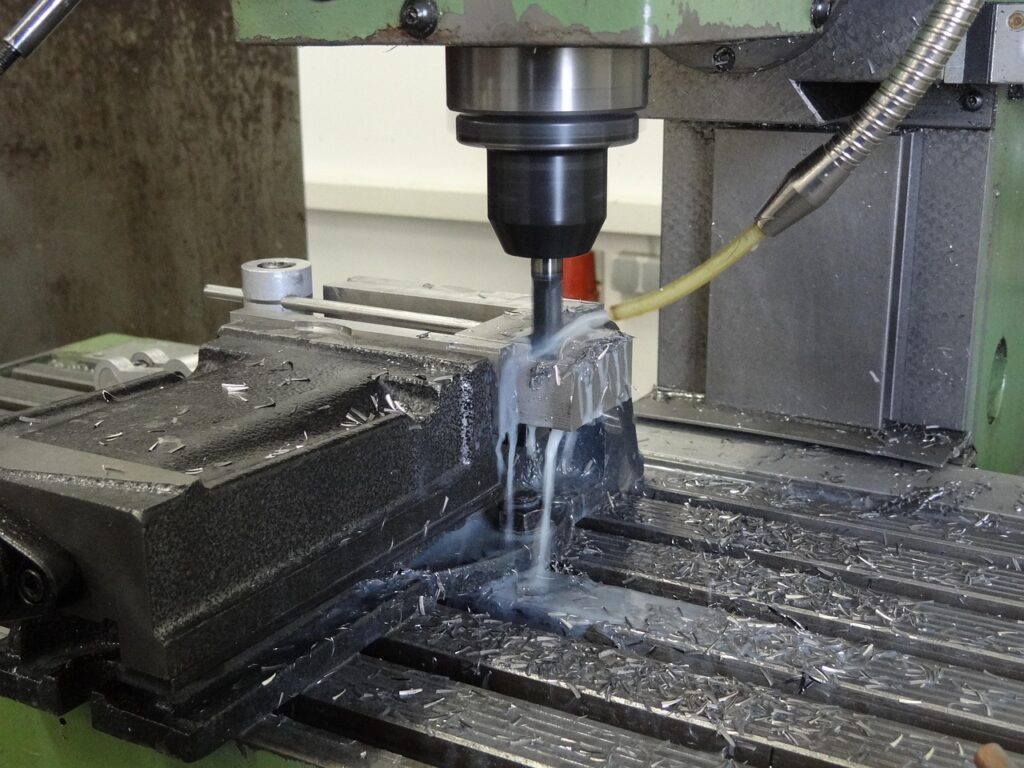
Why Do Machining Tool Materials Change the Whole Cutting Result?
When you choose machining tool materials, you are not only picking a cutter. You are also deciding how heat, chips, vibration, surface finish, and tool cost will behave during the cut. A small grade change can make a noisy lathe job run steady, or it can make a milling cutter chip after a few passes. For more background on metal and engineering materials, you can also visit the materials knowledge center.
Workpiece Family Comes First
The workpiece gives the first direction. ISO 513:2012 classifies hard cutting materials for chip removal and covers hardmetals, ceramics, diamond, and boron nitride. In daily shop talk, the part material is usually grouped as steel, stainless steel, cast iron, nonferrous metal, heat-resistant alloy, or hardened steel. That first grouping matters more than brand names when you start checking tool options.
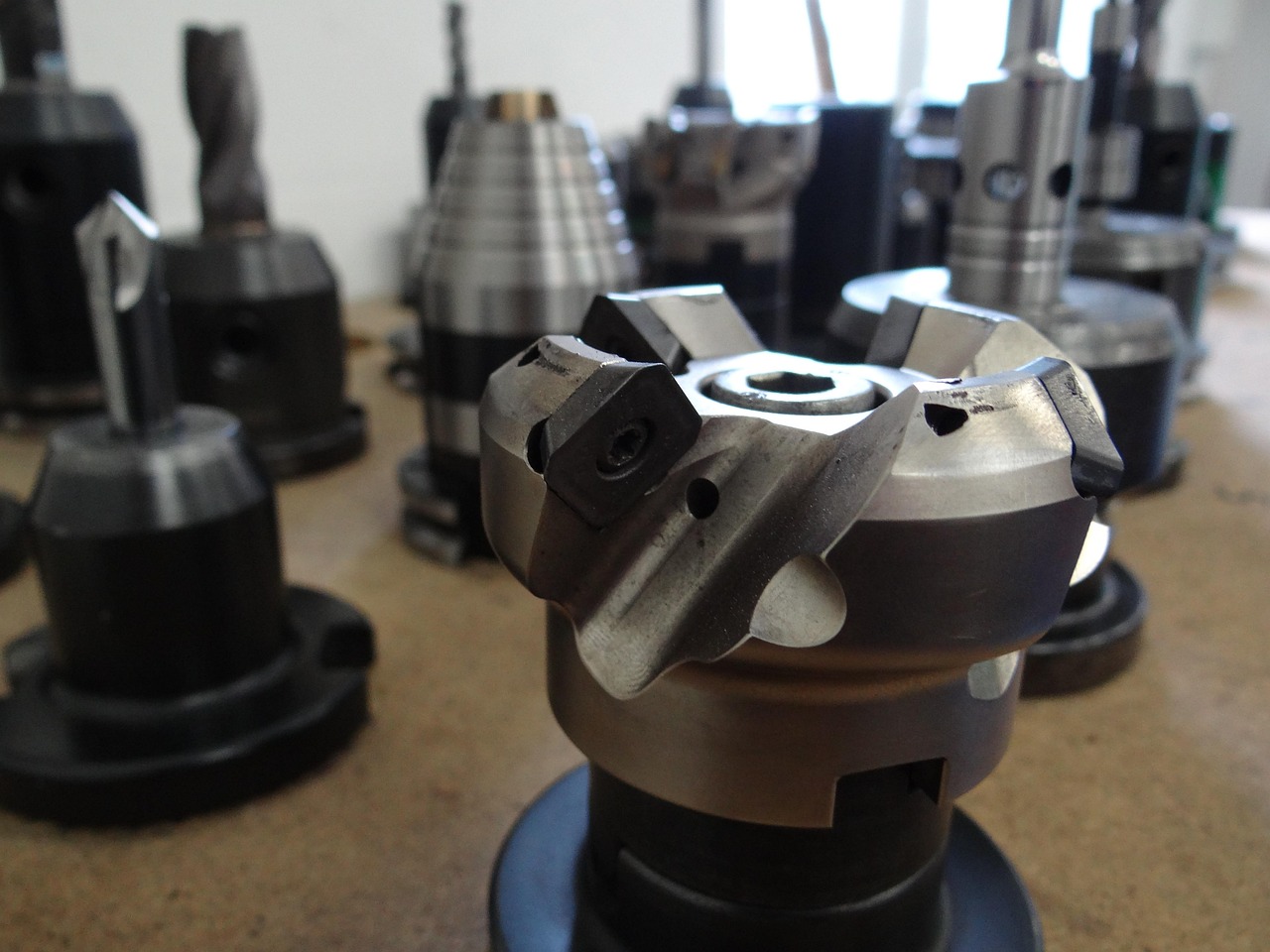
Heat Sets the Limit
Cutting heat is where many tools start to fail. HSS is tough and easy to sharpen, but it cannot take the same heat as cemented carbide. Ceramic, CBN, and PCD can handle certain jobs at much higher cutting speeds, but they need a stable setup. Heat is not just a value in a catalog. You see it as blue chips, flank wear, crater wear, or a broken corner without much warning.
Cost Means More Than Insert Price
A cheaper insert does not always make a cheaper part. If one carbide grade cuts 80 parts and another cuts 130 parts with fewer offset changes, the second one may be the better buy even when the box price is higher. Buyers should check cost per finished part, tool changes per shift, scrap rate, and inspection time. These numbers are not exciting, but they show where money is lost in production.
Which Tool Material Fits Steel, Stainless Steel, Cast Iron, and Aluminum?
Most CNC problems are easier to sort out when you match the tool to the material group first. After that, you can adjust geometry, coating, and cutting data. Sandvik Coromant’s public material guide lists ISO H for hardened steel around 45 to 65 HRC and chilled cast iron around 400 to 600 HB. That is a useful reminder that hardness can change the tool choice very quickly.
HSS for Low Speed and Easy Resharpening
High-speed steel still has a place in many shops. It works well for drills, taps, form tools, small-batch repair work, and machines without high speed or strong rigidity. You can resharpen it, grind special profiles, and get through minor setup abuse. For high-volume machining, though, HSS usually costs time because the cutting speed has to stay low.
Carbide for Most Production Cutting
Cemented carbide is the normal choice for many turning, milling, drilling, and boring jobs. It gives a useful balance of hardness and toughness, especially with current coatings. A fine-grain carbide end mill can cut steel pockets for a long run if the holder is firm and chip evacuation is clean. For stainless steel, a tougher carbide grade with a sharp edge often works better than a harder grade that chips too easily.
PCD and CBN for Narrow but Valuable Jobs
PCD fits aluminum alloys with high silicon, graphite, composites, copper alloys, and other abrasive nonferrous materials. CBN fits hardened ferrous materials, especially finish cutting on hard steel. These tools cost more, so there should be a clear reason to use them. Longer tool life, better finish control, or shorter cycle time should support the decision.
How Do Coatings and Grain Size Affect Tool Life?
Tool material is the base, but coatings and microstructure also change how the tool runs. The open-access review “The Critical Raw Materials in Cutting Tools for Machining Applications,” published on PMC in 2020, notes that WC-Co carbide performance can be improved through base material changes, advanced processing, and protective coatings.
Coatings as Heat and Wear Barriers
Coatings help slow wear and keep heat away from the carbide body. Common coating families are selected for oxidation resistance, friction behavior, and hot hardness. In dry or near-dry cutting, this point becomes more important. A 2024 CIRP Journal of Manufacturing Science and Technology review reports that dry cutting can create higher tool temperatures, with wear patterns such as crater wear and plastic deformation.
Grain Size as a Strength Choice
Fine-grain carbide can keep a sharper edge and often works well for small tools, finishing, and stainless steel. Coarser carbide can give more toughness for interrupted cuts or roughing. There is no single grade that covers every job. If the edge breaks, the grade may not be tough enough. If the tool wears away slowly, wear resistance may be the weak point.
Edge Prep as a Quiet Deal Breaker
Two inserts can use the same base material and coating but cut very differently because of edge prep. A honed edge resists chipping in roughing, while a sharper edge cuts cleaner in aluminum, stainless steel, and thin-wall parts. One small edge radius can decide whether a part chatters, smears, or cuts cleanly. It may sound like a small detail, but machinists notice it fast.
When Should You Move Beyond Carbide?
Carbide is the safe middle choice, but not every job sits in the middle. When heat, abrasion, or hardness gets too high, ceramic, CBN, or PCD can reduce cycle time and cut down tool changes. The move should come from the job requirement, not from a nice-looking catalog page.
Ceramic Inserts for Hot Fast Cuts
Ceramics can run very fast in cast iron and some high-temperature alloys. They keep hardness at high heat, which helps in continuous cuts. The downside is brittleness. Interrupted cuts, weak clamping, heavy vibration, or too much feed override can break ceramic edges quickly. Ceramic needs a steady process and a clear cutting plan.
CBN for Hardened Ferrous Parts
CBN is a strong option for hard turning bearing steel, die steel, and hardened shafts. A NIST study on finish hard turning reported that low-CBN-content tools with ceramic binders gave longer life and better finish than high-CBN-content tools with metallic binders in that tested case. The takeaway is simple enough for production work. Even within CBN, binder and structure can change the result.
PCD for Nonferrous and Abrasive Materials
PCD is not for steel cutting under normal conditions, but it works very well on aluminum, copper, brass, graphite, carbon fiber composites, and abrasive nonferrous parts. In automotive aluminum machining, a PCD tool may hold size much longer than carbide. The surface finish can also stay more stable. That helps when a bore or sealing face has a tight callout.
How Can Buyers Compare Machining Tool Materials Before Ordering?
For custom machining parts, you do not need a laboratory to make a better tool choice. You need a clean comparison. Keep the workpiece material, machine, holder, coolant, and tool path the same, then change one tool factor at a time. Random trials usually create costly opinions instead of useful data. See also: Machines.
A Simple Trial Sheet
Record the basics before buying in volume. A short trial sheet should include workpiece grade, hardness, operation, cutting speed, feed, depth of cut, coolant, holder, tool overhang, number of parts cut, wear type, and final surface finish. This sheet does not need to be fancy, but it should be clear enough for the buyer, machinist, and supplier to read the same way. If a supplier cannot help review that sheet, the support may be too thin for production work.
Stable Holding and Coolant Checks
Many tool material complaints are actually setup problems. Long overhang, weak fixtures, dirty coolant, wrong concentration, or poor chip flow can ruin a good carbide or CBN tool. Before blaming the material, check runout, clamping, spindle load, and chip shape. The insert often tells the truth, but somebody has to look at it closely.
Supplier Questions That Save Rework
Ask direct questions before placing repeat orders. The answers should help you judge whether the tool grade matches your real job, not just the catalog category.
- Which ISO material group is the tool grade designed for?
- What hardness range was used for the cutting data?
- Is the edge sharp, honed, or reinforced?
- What wear pattern should you expect first?
- What tool life target is realistic on your machine?
Good answers should be specific. “Works for steel” is not enough for export machining work where parts, batches, and inspection rules can change.
What Mistakes Shorten Tool Life Even With the Right Material?
The right material can still fail when the application is guessed. This happens often when a drawing only says “stainless steel” or “hardened part” without a grade, heat treatment, or hardness report. Cutting tools do not read purchase orders. They react to the metal in front of them.
Wrong ISO Group or Hardness Assumption
304 stainless, 17-4 PH, and duplex stainless do not cut the same way. Cast iron and hardened steel may both look gray on the shop floor, but their wear behavior can be very different. Always ask for the actual material standard and hardness when you can. If no reliable public data or customer report is available, say that clearly and run a controlled test.
Cutting Data Copied from a Different Setup
A speed that works on a rigid turning center may fail on a lighter machine. A milling feed that works with a short tool may chatter with a long-reach cutter. Catalog data is a starting point, not a promise. Change cutting data step by step, and keep notes. Your future setup work will be easier, even if the notebook gets oily.
Chasing Low Price Instead of Repeatability
For export parts, repeatability often matters more than the lowest tool bill. If a tool grade keeps size stable, reduces burrs, and avoids sudden stoppages, it can protect delivery dates. A cheap tool that needs constant offset changes can hide its real cost. The problem often shows up later as taper, poor finish, or missed tolerance during inspection.
FAQ
Q1: What Are the Main Machining Tool Materials? A: The main choices are HSS, cemented carbide, ceramic, CBN, and PCD. Carbide covers the widest range of CNC production work, while the others fit more specific speed, hardness, or abrasion needs.
Q2: Is Carbide Always Better Than HSS? A: No. Carbide is usually faster and more wear resistant, but HSS is tougher, easier to grind, and useful for low-speed machines, taps, drills, and special profiles.
Q3: When Should You Use CBN Inserts? A: Use CBN mainly for hardened ferrous materials, such as hard steel finishing. It works best with stable clamping, controlled depth of cut, and a process that avoids heavy shock.
Q4: Why Is PCD Popular for Aluminum Machining? A: PCD resists abrasion and keeps a sharp edge on many nonferrous materials. It can give long tool life and steady finish on high-silicon aluminum, copper alloys, graphite, and composites.
Q5: How Do You Choose a Tool Material for a New Part? A: Start with the exact workpiece material and hardness, then match the ISO material group, operation type, machine rigidity, coolant method, and tool life target. After that, run a small trial before buying in bulk.