Is a Lathe MC the Best Choice for Precision Turning Jobs?
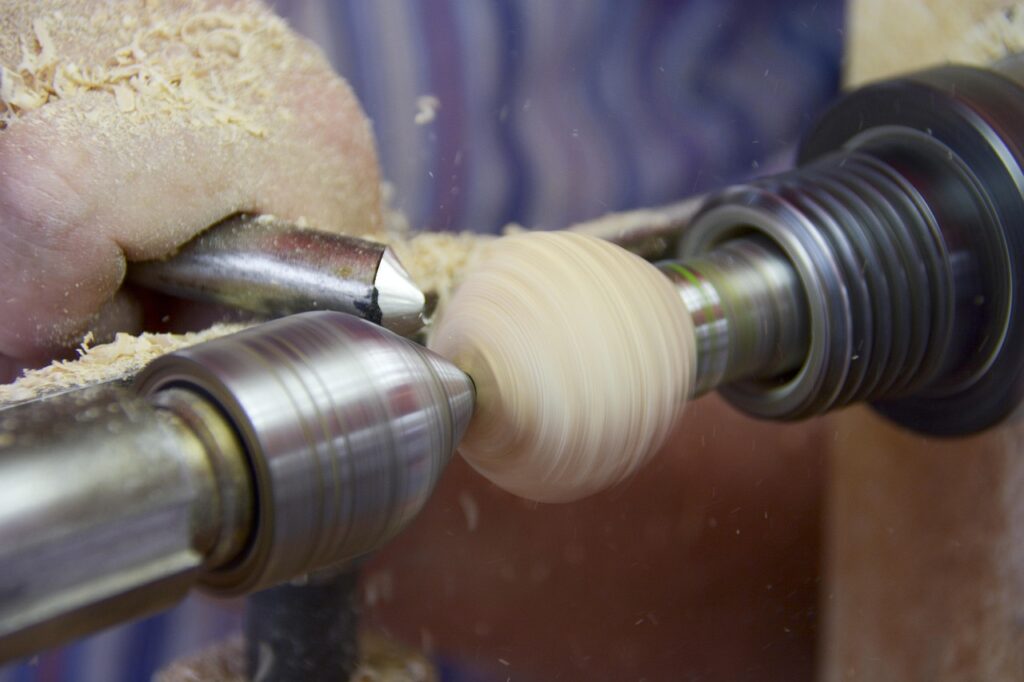
What Is a Lathe MC in Modern Machine Shops?
A lathe mc is usually talked about as a CNC lathe machining center, or a turning center, made for round or near-round metal parts. If you are checking machine options for a new production line, the Machines page is a useful place to start because the right machine depends on part shape, batch size, tolerance, tooling, and service support. One thing shop people know well: a machine can look right in a catalog and still be the wrong fit if the chuck size or bar capacity does not match daily work.
A CNC Lathe Built for Turning
A basic lathe turns the workpiece while a cutting tool removes material. A lathe MC keeps that same turning method, but it adds CNC control, a turret, enclosure, coolant system, chip handling, and sometimes live tooling. So it is not just a manual lathe with a control screen. It can run facing, OD turning, ID boring, grooving, threading, and part-off work with repeatable tool paths.
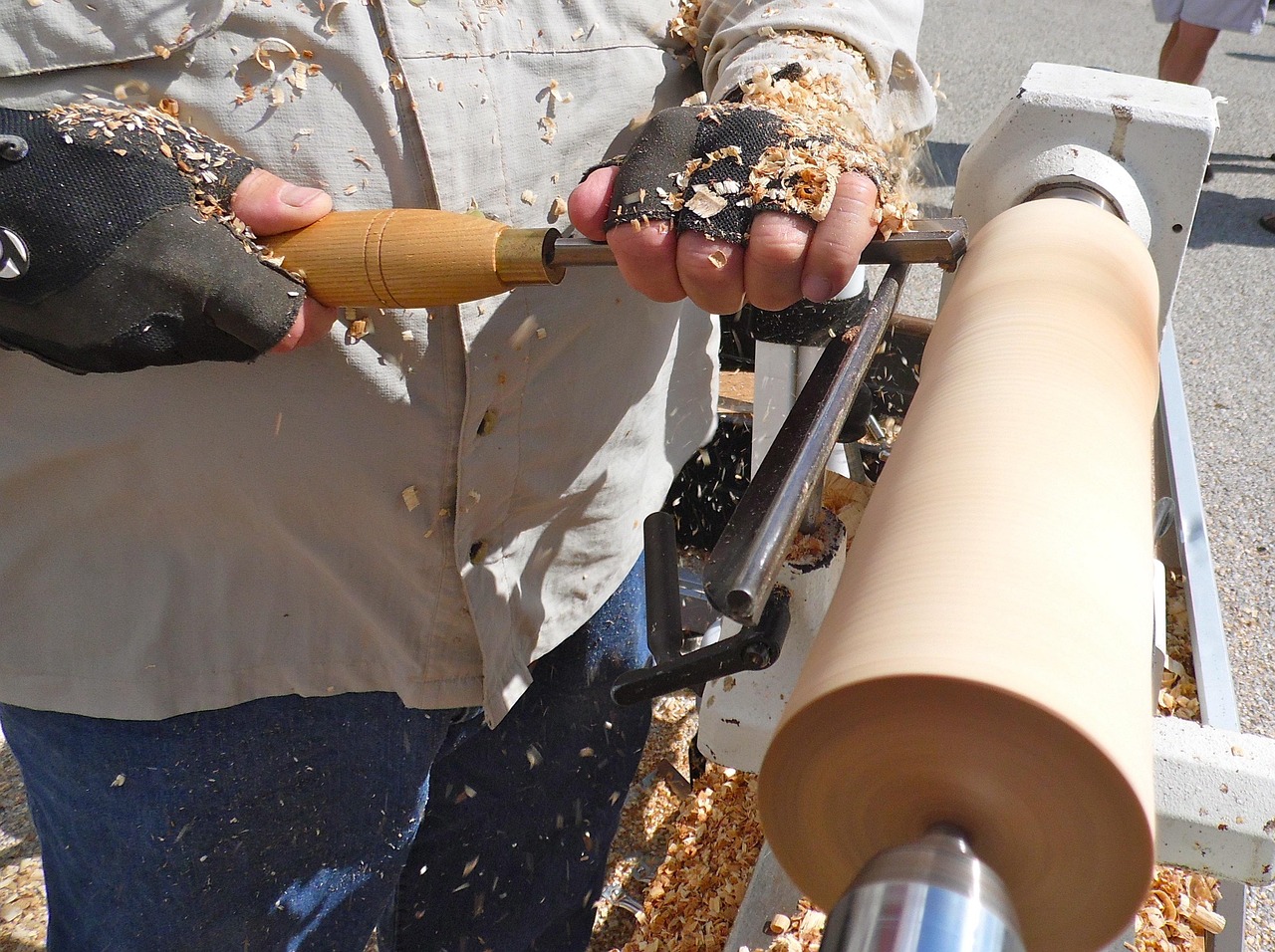
Driven Tooling and Extra Axes
Many buyers look at a lathe MC because it can handle light milling, drilling, and tapping in the same setup. With C-axis indexing and live tools, the machine can add flats, cross holes, keyways, and bolt patterns. If the part needs heavy prismatic milling, a vertical machining center may still be the better choice. But for a shaft with a cross hole and a threaded end, the lathe MC can save one move to another machine.
A Better Fit for Round Parts
The best workpieces are parts that start as bar, tube, forging, or casting with a central axis. Common examples include bushings, couplings, sleeves, rollers, valve bodies, and hydraulic fittings. The U.S. Bureau of Labor Statistics says machinists use lathes, milling machines, grinders, and other tools to make precision metal parts, based on its Occupational Outlook Handbook with May 2024 wage data. That lines up with normal shop work: turning is still one of the main ways to make accurate metal components.
Why Do Buyers Compare a Lathe MC with a CNC Lathe?
The term CNC lathe can mean a simple two-axis turning machine or a turning center with more functions. A lathe MC usually belongs to the second group, but model names are not the same from every supplier. Before comparing prices, ask which functions are standard and which ones are options. A low quote may not stay low after adding a chip conveyor, bar feeder interface, tool presetter, or live-tool package.
Cycle Time on Repeat Work
For repeat parts, the gain often comes from less handling, not from some special cutting speed. There is no reliable public source proving one fixed cycle-time gain for every lathe MC, because geometry, material, tool grade, coolant, clamping, and operator practice all change the result. A fair test is simple and useful. Send one drawing, one material, target tolerance, yearly quantity, and ask for a sample process plan with estimated cutting and loading time.
Setup Time across Part Families
A lathe MC can cut setup work when part families use the same bar size, chuck jaws, tool holders, and programs. For example, a shop making three sizes of stainless hose fittings may keep turning tools, drills, and taps in the turret, then change only offsets and jaws. This does not sound exciting, but it saves real time. It matters on a Monday morning when twenty short-run orders are waiting near the machine.
Operator Skill and Shop Flow
Skilled people cost money, and training takes time. BLS reported a May 2024 median annual wage of $56,150 for machinists and $63,180 for tool and die makers, with about 34,200 projected openings each year from 2024 to 2034 even as total employment is projected to decline 2 percent. This does not mean machines replace good workers. It means easier setup, safer guarding, and stable programs help each operator keep work moving with fewer problems.
Which Parts Fit a Lathe MC Best?
A lathe MC earns its place when the part shape lets you finish most features in one clamping. The point is not to buy the biggest machine in the workshop. The point is to match the machine to the part mix you sell now or plan to sell. If 80 percent of your jobs are square plates, do not force them onto a turning center. If most jobs are round, the case is much stronger.
Shafts, Bushings, and Flanges
Shaft work needs straightness, surface finish, shoulder accuracy, and steady support. Bushings need clean bores and repeatable OD control. Flanges may need a face, bore, groove, bolt circle, and chamfer. A lathe MC with the right chuck, tailstock, steady rest, and live tooling can make these features with fewer transfers between machines.
Hydraulic and Pneumatic Components
Hydraulic fittings, valve sleeves, pistons, and connector bodies often have threads, grooves, sealing faces, and cross holes on the same part. These details expose poor workholding very quickly. If sealing faces chatter or threads drift, scrap appears fast. On these jobs, spindle torque, turret rigidity, coolant delivery, and repeatable indexing matter more than a clean-looking cover design.
Small Batches with Many Features
Small batches show the value of the machine control and tooling layout very clearly. A 30-piece order with two operations on two machines may spend more time in loading, indicating, deburring, and inspection than in actual cutting. A lathe MC can keep that work inside one enclosure. Still, if the batch changes every hour, ask about program storage, tool offset handling, and how fast the operator can restart after an alarm.
What Specs Should You Check Before Buying?
Spec sheets can be misleading if you only read the large numbers. Two machines may have the same swing, but one may have a stronger spindle, better turret indexing, or more useful travel. Tie every spec to your largest part, hardest material, tightest tolerance, and longest shift. This plain spreadsheet work can prevent a costly mismatch later.
Swing, Turning Length, and Bar Capacity
Swing tells you the largest diameter that can rotate, while turning length tells you the real Z-axis reach for the job. Bar capacity decides the largest bar you can feed through the spindle. Also check chuck interference, tool clearance, tailstock travel, and chip space. A machine that only just clears your part on paper may feel tight once production starts.
Spindle Power, Torque, and Chuck Size
Power helps at higher speed, but torque is more important during heavy cuts and larger diameters. For steel shafts, cast iron blanks, or tough stainless, ask for a torque chart instead of only one motor number. Chuck size also changes gripping force, part length, and inertia. A chuck that is too large can slow acceleration, while a chuck that is too small can cut down the job list.
Turret Stations, Live Tools, and Control
Count the tools your process needs, then leave space for common backup tools such as a roughing insert, finishing insert, drill, boring bar, grooving tool, threading tool, and parting blade. If live tools are needed, check speed, torque, toolholder type, coolant path, and C-axis accuracy. AMT’s U.S. Manufacturing Technology Orders release for May 2026 reported $583.4 million in new machinery orders and noted that unit orders grew slower than order value. That suggests buyers are paying for more capable equipment, not only more machines. See also: Materials.
How Do Safety and Standards Shape the Choice?
Safety is not a small extra item on a turning machine. Rotating parts, sharp tools, hot chips, coolant mist, and door interlocks all affect daily work. A safer machine is also easier to manage during audits, training, and customer visits. Nobody wants to stop a job for a guard issue when the shipment is due Friday.
Machine Guarding and Chip Control
OSHA’s Machine Guarding eTool, accessed in July 2026, states that guarding protects operators and nearby employees from hazards such as ingoing nip points, rotating parts, flying chips, and sparks. For a lathe MC, this points to a full enclosure, reliable door interlocks, proper chip conveyor design, clear viewing windows, and good lighting inside the work area. These items are basic, but they decide how safe and clean the machine feels during a full shift. They also make operator training easier.
ISO 23125 for Turning Machines
ISO 23125:2015 covers safety for turning machines and turning centers and was reviewed and confirmed in 2024 by the International Organization for Standardization. ISO lists groups that include manually controlled turning machines, machines with limited numerical control, numerically controlled turning machines and turning centers, and automatic turning machines. For export buyers, this standard gives a common safety language when checking machine design and documents. It also helps both sides avoid unclear wording during technical review.
Training, Inspection, and Daily Habits
Even a well-built machine needs trained people. Daily checks should cover chuck pressure, jaw condition, coolant level, way lubrication, air pressure, tool wear, emergency stop function, and chip buildup. Keep the checklist short enough that operators actually use it. A three-page form that nobody reads is not safety; it is just paper in the office.
How Can You Choose the Right Supplier for Export Orders?
Export buying brings distance, shipping risk, voltage differences, customs paperwork, language issues, and service response time. A good supplier should help you reduce these risks before the deposit is paid. The U.S. Census Bureau profile for NAICS 333517, accessed in July 2026, listed 1,195 employer establishments in U.S. machine tool manufacturing, which shows how broad and split the machine-tool supply base can be. Supplier checks take time, but they are worth it.
Stable Machine Build and Factory Testing
Ask for a factory acceptance test plan before production starts. A useful test covers spindle runout, axis movement, turret indexing, cutting performance, sample part accuracy, noise, coolant flow, and alarm functions. For repeat export orders, ask for photos and short videos of the actual machine. Do not rely only on a showroom model or old marketing pictures.
Clear Packing, Documents, and Spare Parts
For sea shipment, packing quality matters a lot. Check anti-rust oil, vacuum film, wooden case strength, machine fixing, moisture control, and accessory labeling. Documents should include commercial invoice, packing list, electrical diagram, operation manual, maintenance guide, spare parts list, and test record. A small box of common wear parts can save several days later.
After-Sales Support That Matches Your Country
Time zones and language can slow service, especially when the machine is down and the operator is waiting. Before buying, ask how the supplier handles remote diagnosis, controller parameters, alarm screenshots, video calls, and local technician support. The International Federation of Robotics reported in 2025 that the United States had 393,700 industrial robots in operation in 2024, while robot installations in U.S. metal and machinery fell 15 percent to 3,500 units. Automation is moving, but not at the same speed everywhere, so supplier support is still a major buying point.
FAQ
Q1: What Does Lathe MC Mean? A: In most machine-buying discussions, it means a lathe machining center or CNC turning center, usually with CNC control, turret tooling, enclosure, coolant, and optional live tooling.
Q2: Is a Lathe MC Better Than a CNC Lathe? A: It is better when your parts need several turning and light milling features in one setup. A simple CNC lathe may be enough for basic OD and ID turning.
Q3: What Materials Can a Lathe MC Cut? A: Common choices include carbon steel, stainless steel, aluminum, brass, bronze, cast iron, and some alloy steels, depending on spindle power, machine rigidity, tooling, and coolant.
Q4: How Should You Compare Two Lathe MC Quotes? A: Compare spindle torque, bar capacity, turret type, live-tool specs, control system, included accessories, safety equipment, test reports, warranty, packing, and spare parts, not only the final price.
Q5: Can a Lathe MC Work for Export Production? A: Yes. It suits export production when the supplier provides stable machine quality, clear documents, proper packing, remote support, and machine specs that match your parts and local power supply.


