What Is the Best Aluminum TIG Welder for Clean Industrial Welds?
What Makes an Aluminum TIG Welder Different From a General TIG Machine?
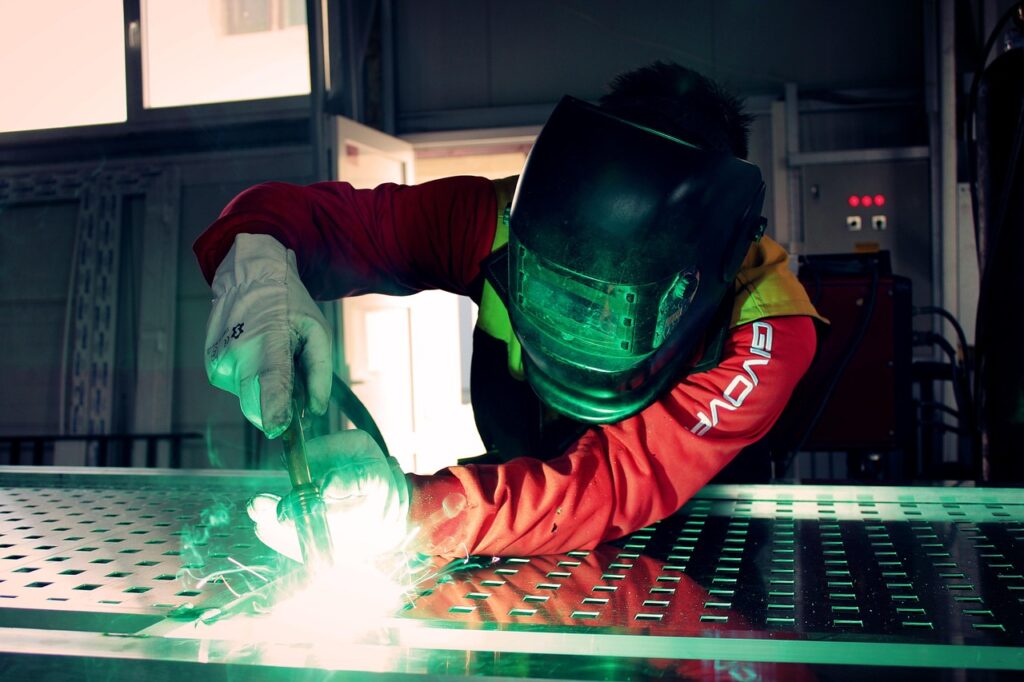
Choosing an aluminum tig welder is not just a matter of buying enough amperage. In daily shop work, you need arc control, oxide cleaning, heat control, and a setup that stops soft aluminum from turning black and sooty. For more notes on metal behavior and fabrication choices, visit the Materials section.
AC Output Removes Oxide Before Fusion
Aluminum does not weld like mild steel because the oxide layer on the surface is hard to deal with. Miller Electric states that aluminum oxide melts at about 3,600°F, while base aluminum melts around 1,200°F. That is the reason a proper AC TIG setup is important. The electrode-positive part of the AC cycle breaks up surface oxide, and the electrode-negative part sends heat into the joint for fusion. A DC-only TIG machine may weld steel well, but it is not the usual pick for clean aluminum work. (millerwelds.com)
Stable Low-Amp Starts Matter on Thin Sheet
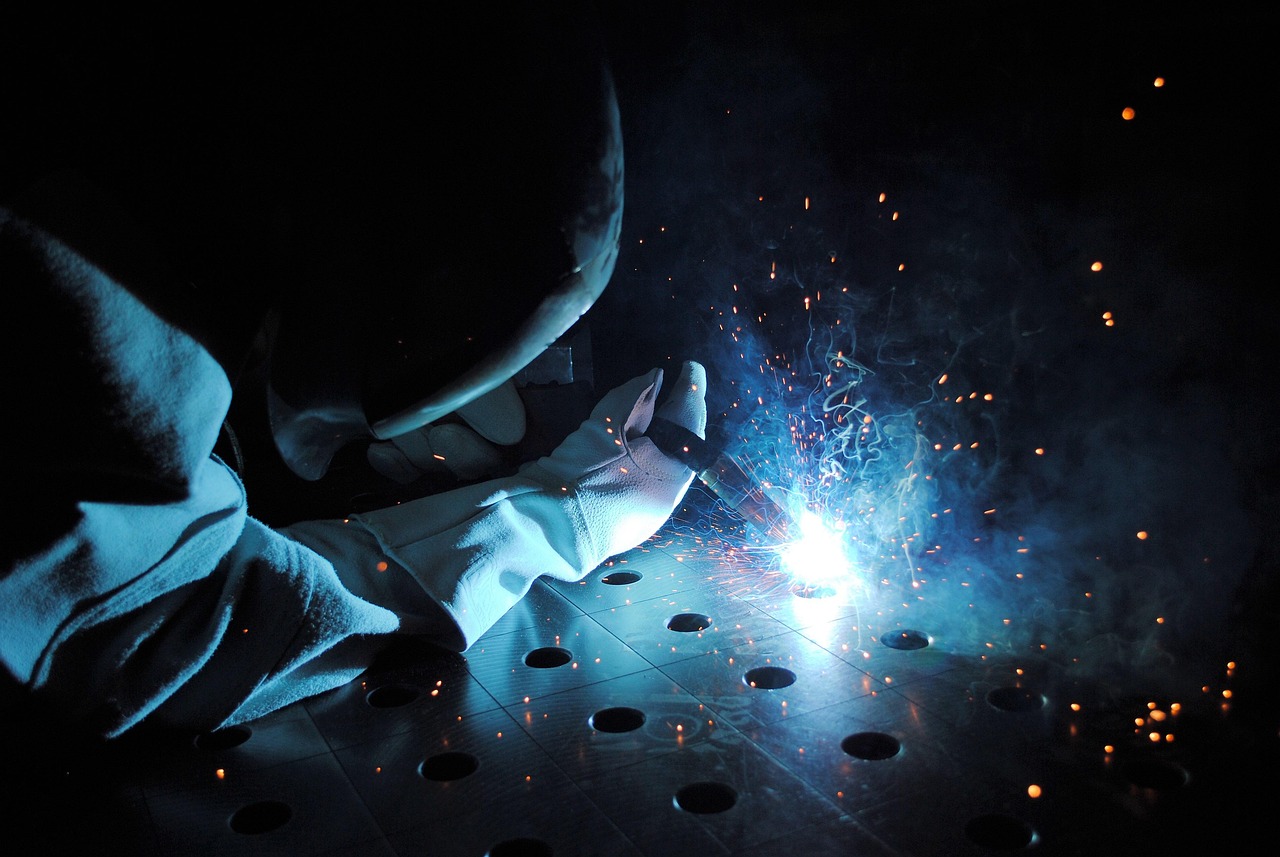
Thin aluminum sheet can move from cold to melted-through in a short moment. A good machine starts cleanly at low amperage, then lets the operator add heat without a sharp arc jump. This matters on sheet-metal covers, battery trays, instrument housings, and light brackets. A rough start can dirty the tungsten, and a jumpy arc can eat the edge before the puddle is ready.
Duty Cycle Supports Repeated Shop Work
Duty cycle is easy to forget until the fan is running hard and the welder cuts out in the middle of a job. For occasional repair, a smaller AC/DC unit may be enough. For production fixtures, tanks, frames, or batches of machined parts, look at the duty cycle at the amperage you really use. A large number on the case does not help much if the machine cannot hold up during normal shop runs.
How Should You Match Welder Output to Aluminum Thickness?
The right size depends on thickness, joint design, fit-up, and bead length. Aluminum carries heat away quickly, so it often needs more current than steel of the same thickness. Still, more power is not always the answer. The main point is control.
Amperage Range for Thin and Medium Parts
The Aluminum Association listed typical North American aluminum sheet and plate properties in its January 2022 environmental product declaration: density of 2.66 to 2.84 × 10³ kg/m³, melting point of 475 to 655°C, and thermal conductivity of 113 to 234 W/(m·K). That thermal conductivity explains why a small part may need a quick hot start, while a larger plate keeps pulling heat out of the puddle. In real welding, this means the same amperage setting can feel different when part size changes. (aluminum.org)
Foot Pedal and Pulse for Heat Control
A foot pedal is not an extra comfort item for many aluminum TIG jobs. It lets you start hotter, reduce heat as the part warms, and add a little more current near a tack or corner. Pulse can also help on thin material because it gives the puddle time to freeze between heat peaks. On a 1.5 mm cover, that may be the difference between a neat bead and a hole that keeps opening while you try to fix it.
Torch Cooling for Longer Beads
An air-cooled torch is simple, light, and lower in cost. It works well for many short welds and repair tasks. A water-cooled torch makes more sense when you run higher amperage, longer beads, or daily aluminum work. The torch stays smaller and cooler in your hand, which can matter late in the week when every bead in a batch still has to look the same.
Why Do AC Balance and Frequency Change Weld Quality?
AC balance and AC frequency are two controls that make aluminum TIG easier to manage. They do not replace cleaning, fit-up, or operator skill. They do give the welder room to shape the arc for the part on the bench.
More EN for Penetration and Tungsten Life
More electrode-negative time puts more heat into the workpiece. Miller notes that increasing EN can improve tungsten life, reduce balling, and create a narrower bead. For clean 6061 plate, many operators start with more EN, then adjust after watching the puddle and etched zone. If the etched zone looks too wide, you may be cleaning more than needed and sending too much heat into the tungsten.
More EP for Cleaning Dirty Material
More electrode-positive time gives more cleaning action. It can help on older aluminum or parts with heavier oxide, but it also heats the tungsten more. Too much EP can make the arc less steady. If the puddle shows black pepper-like specks or a dull skin, add cleaning. If the tungsten balls badly, reduce EP and clean the part by hand first. The bench brush is not exciting work, but it often saves the weld.
Frequency Sets Arc Width and Puddle Focus
Higher AC frequency tightens the arc cone and helps place heat on narrow joints. Lower frequency spreads the arc and may feel easier on wider beads. On an outside corner, a focused arc helps keep both edges hot without washing one side away. On a wide fillet, a slightly broader arc can help the puddle wet into the toes with less fighting.
Which Materials and Joint Conditions Need More Preparation?
Aluminum TIG pays back clean work. It also shows every shortcut. The machine can help with cleaning action, but it cannot remove oil, hydrated oxide, or storage problems by itself. Preparation is part of the weld procedure, not a side job.
Clean Sheet and Plate Before the Arc
Miller Electric warns that aluminum has a greater chance of lack of fusion from its oxide layer, lack of penetration from high thermal conductivity, and porosity from hydrogen in molten aluminum. It recommends removing oil, grease, dirt, and moisture, then mechanically removing oxide with a stainless steel brush dedicated to aluminum. In a busy shop, using the same brush on different metals looks harmless, but cross-contamination causes real bead problems. (prod.millerwelds.com)
Filler Storage Stops Moisture Trouble
Filler rod should stay dry and covered. Cold rod brought into a warm shop can pick up condensation, and that moisture may later show up as porosity. A sealed tube or cabinet is usually enough for normal work. For critical parts, bring filler and base metal into the weld area early so they reach room temperature before welding starts.
Alloy Choice Affects Cracking Risk
Not every aluminum alloy is friendly to welding. Some high-strength alloys need a specific filler choice, and some may not be recommended for fusion welding under certain conditions. For common fabrication, 5xxx and 6xxx series alloys are used often, but filler selection still depends on strength, color match after anodizing, corrosion service, and crack sensitivity. If the part carries load, follow the applicable welding code or the material supplier’s guidance. See also: Machines.
What Safety and Shop Factors Should You Check Before Buying?
A TIG machine is only one part of the shop setup. Power supply, shielding gas, ventilation, PPE, and operator space all affect weld quality and safety. A clean-looking TIG arc can still bring risk, so the buying decision should include the work area and not only the welder.
Ventilation Near the Breathing Zone
OSHA describes GTAW, or TIG, as a process with a non-consumable electrode and an externally supplied inert gas shield. In the same welding fume fact sheet, OSHA states that local exhaust ventilation can remove fumes and gases from the welder’s breathing zone. It also says respiratory protection may be needed when work practices and ventilation do not reduce exposure to safe levels. (osha.gov)
Shielding Gas and Confined Space Risk
Argon is common for aluminum TIG, and helium blends may be used on thicker work. These gases do not burn, but they can push oxygen out of tight spaces. Tanks, enclosures, boat compartments, and boxed frames need extra care before welding starts. A good bead is not worth a bad air situation.
Power Supply and Grounding in Real Shops
Check input voltage, breaker size, plug style, and grounding before the machine arrives. A 200-amp AC/DC inverter may run on single-phase power, but full output still needs the right circuit. Long extension leads, weak ground clamps, dirty contact points, and shared shop circuits can all lead to arc complaints. In many cases, those complaints are shop power problems, not welder defects.
How Can You Choose Between Budget, Industrial, and Automated TIG Setups?
The best aluminum TIG welder is the one that fits the part value, weld quality requirement, operator skill, and production pace. A repair shop, a machine builder, and an aerospace supplier usually do not need the same package.
Budget AC/DC Units for Repair Benches
A budget AC/DC TIG unit can suit repair benches, prototypes, and low-volume jobs. Look for stable AC, adjustable balance, high-frequency start, pedal support, and clear spare-part access. Do not buy only by peak amperage. A lower-cost unit with poor controls may cost more later through scrap, tungsten use, and rework.
Industrial Inverters for Repeatable Production
Industrial inverter TIG machines usually offer better waveform control, memory settings, cooler torch options, and steadier starts. The American Welding Society notes that modern GTAW equipment can control AC waveform portions, with EP removing oxide and EN melting the base aluminum. AWS also points out that aerospace work often favors GTAW because filler addition is separate from the heat source, making fusion and discontinuities easier to see. For repeat parts, these controls help operators keep the same weld routine across shifts and batches. (aws.org)
Automation Readiness for Larger Fabrication
If production may grow, check whether the machine can work with a positioner, torch switch, remote control, or automation package. TIG automation is not a fix for poor prep. It still needs repeatable joint fit-up and clean parts. When the part is consistent, automation can reduce hand variation and keep bead shape closer from part one to part fifty.
FAQ
Q1: What Is the Best Aluminum TIG Welder for a Small Fabrication Shop?
A: Choose an AC/DC TIG welder with adjustable AC balance, AC frequency control, high-frequency start, foot pedal support, and enough duty cycle for your common material thickness. For many small shops, control quality matters more than the highest advertised amperage.
Q2: Can You TIG Weld Aluminum With a DC-Only Welder?
A: In normal shop practice, aluminum TIG uses AC because the EP side of the cycle helps remove oxide while the EN side provides penetration. DC aluminum TIG is a special technique and not the usual route for general fabrication.
Q3: How Much Amperage Do You Need for Aluminum TIG Welding?
A: It depends on thickness, joint type, part size, and heat sink effect. Thin sheet needs smooth low-amp control. Thicker plate needs higher output and often a water-cooled torch. Always test on scrap from the same material before welding the final part.
Q4: Why Does Aluminum TIG Welding Turn Black or Sooty?
A: Common causes include dirty base metal, contaminated filler, poor gas coverage, too much arc length, wet material, or not enough AC cleaning action. Clean the joint first, check gas flow, shorten the arc, then adjust balance if needed.
Q5: Is an Industrial Aluminum TIG Welder Worth It?
A: Yes, if you weld aluminum often, repeat parts, or sell work where bead quality and rework cost matter. Industrial machines usually give steadier starts, better AC control, stronger duty cycle, and better torch options than entry-level units.


