Which Plastic Board Cutter Gives the Cleanest Cut for Industrial Sheet Work?
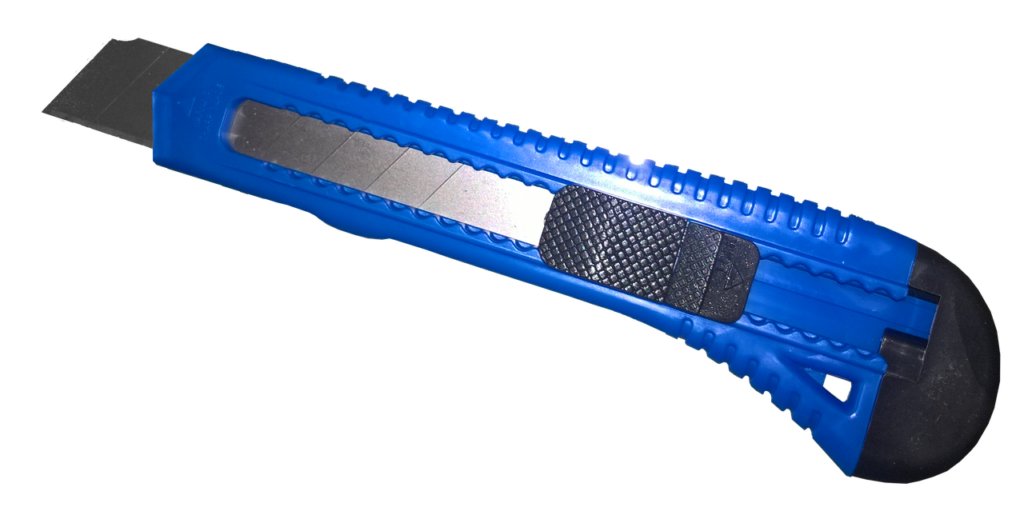
Which Plastic Board Cutter Fits Your Sheet Material?
Choosing a plastic board cutter is not just a matter of picking the biggest machine in the catalog. The cutter has to match the sheet material, thickness, edge finish, batch size, and the safety rules in your workshop. For material selection ideas, the Materials section is a useful place to check before you compare machines. In daily production, a wrong cutter shows up quickly: white stress marks on acrylic, fuzzy HDPE edges, melted chips, or a board that moves a little during the last 50 mm of travel.
Acrylic and PMMA Need Low Heat
Acrylic can give a clean, bright edge when the blade is sharp and the feed stays steady. It can also chip without warning if the tooth form is too rough for the sheet. For thin acrylic sheets, a score-and-snap cutter may be enough for simple rectangles. For thicker PMMA, a panel saw, table saw, or CNC router with a plastic-grade blade gives better control. Do not rush the final pass, because many cracked corners start with one hard push at the end.
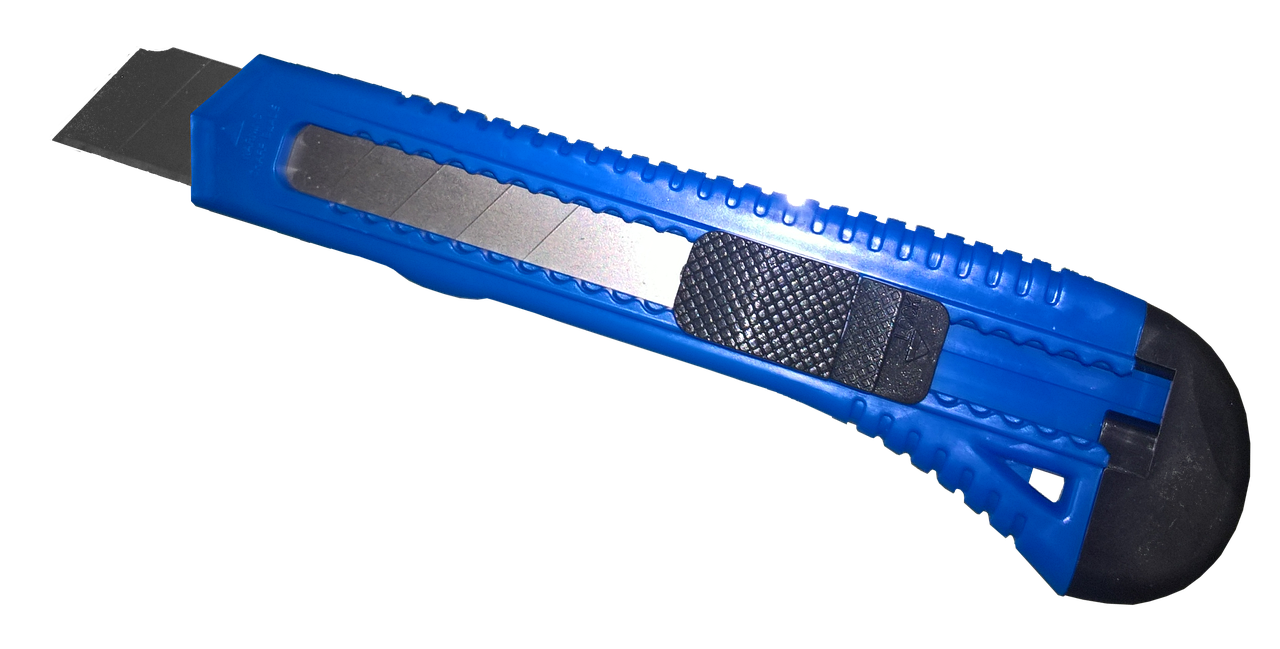
Polycarbonate Rewards Controlled Feed
Polycarbonate is tougher than acrylic, so it does not crack as easily, but it can still grab the blade if the sheet is not clamped well. A cutter with a rigid fence, hold-down bar, and smooth feed system helps reduce chatter and keeps the cut line under control. Curbell Plastics’ public machining guideline lists polycarbonate sawing data such as a 15 to 30 degree clearance angle, a 5 to 8 degree rake angle, 980 ft/min cutting speed, and 0.118 to 0.315 in. pitch. That data is a good reminder that plastic cutting needs material-specific tooling, not a random wood blade. (curbellplastics.com)
HDPE, UHMW, and Nylon Need Chip Clearance
Soft and tough plastics such as HDPE, UHMW, and nylon tend to bend, smear, and make stringy chips. The cutter needs to clear chips fast and hold the board flat while the blade passes through. A suitable tooth pitch, open chip space, and a stable support table matter more than a polished motor cover. Nylon can also absorb moisture, so cut size and final fit may change with storage conditions. That is not a cutter defect, but it should be allowed for in the process plan.
How Do Cutter Types Compare in Daily Production?
Different cutter styles suit different jobs. A sign shop cutting 3 mm acrylic panels all day does not need the same setup as a machinery builder trimming 30 mm UHMW wear strips. Before buying, write down the top five parts you cut each week. Include the material, size, thickness, tolerance, and edge finish. That short list can prevent a costly machine mismatch.
Score Cutters for Thin Brittle Boards
A manual scoring cutter is simple, quiet, and low cost. It works best on thin acrylic or similar brittle sheet when the job is straight cutting and the volume is not high. The score line has to be deep and even, then the board snaps along the weak line. This method is less suitable for polycarbonate, HDPE, and thick boards because those materials tend to bend instead of breaking cleanly.
Table Saws and Panel Saws for Straight Cuts
Table saws and vertical panel saws are common choices for straight sheet cutting. They can give a clean edge when the right blade is fitted and the guarding is set up properly. A panel saw saves floor space and supports large boards better, especially when one operator handles 2440 mm by 1220 mm sheets. A table saw is familiar to many workers, but large flexible sheets can sag, twist, and pinch if the outfeed support is poor.
CNC Routers and Knife Tables for Repeat Jobs
CNC routers are a good fit for repeat parts, holes, pockets, slots, and shaped cuts. They cost more, but they reduce layout time and help keep repeat accuracy under control. Oscillating knife tables suit foam board, rubbery materials, and some thin plastic sheets. If your parts only need square cuts, a CNC router may be more machine than you need. If your parts need 200 identical corner radii every week, the cost calculation changes fast.
What Safety Features Should You Check Before Buying?
A clean edge is not worth much if the machine leaves hands exposed to blades, clamps, or fast-moving chips. U.S. Bureau of Labor Statistics data for 2023 reported 326,400 nonfatal injury and illness cases in private manufacturing, with an incidence rate of 2.6 cases per 100 full-time workers. OSHA’s machine guarding rule also says guarding must protect operators from point of operation hazards, nip points, rotating parts, flying chips, and sparks. It also lists guillotine cutters, shears, and power saws among machines that usually need point-of-operation guarding. (bls.gov)
Guarded Point of Operation
The point of operation is where the cutter meets the plastic, and that is usually the highest-risk area. Look for fixed guards, adjustable transparent guards, interlocked covers, blade covers, clamp guarding, and safe distance openings. If a guard gets in the way so badly that operators remove it, the design has failed in real use. A good guard protects people while still letting them load, measure, cut, and remove parts without awkward body positions.
Two Hand or Hold to Run Controls
For guillotine-style or powered clamp machines, two-hand or hold-to-run controls can keep hands away from the cutting zone while the machine moves. The UK Health and Safety Executive notes, in cutting-machine guidance, that trip guards should stop power and hazardous movement with minimal deflection. It also says fixed or interlocking side and rear guards are common safeguards for cutting hazards. The same basic idea fits plastic sheet machinery, even when the exact machine category is different. (hse.gov.uk)
Chip, Dust, and Noise Control
Plastic cutting can throw chips, make dust, and produce more noise than some buyers expect. NIOSH places control methods in this preferred order: elimination, substitution, engineering controls, administrative controls, then PPE. For a cutter, that points to built-in guarding, chip extraction, local ventilation, and noise control before relying only on glasses, gloves, and earplugs. PPE still has a place, but it should not be the whole safety plan. (cdc.gov)
What Cut Quality Problems Signal the Wrong Setup?
Your offcut bin is a useful inspector. If it fills with chipped acrylic corners, melted PVC edges, or wavy UHMW strips, the cutter is telling you something. The fix may be a different blade, a better clamp, slower feed, faster chip removal, or a cutter style better suited to the board. Small signs can save money if you catch them early.
Chipped Edges from Brittle Fracture
Chipping often shows up on acrylic, polystyrene, and other stiff sheets. Common causes include dull teeth, too few teeth in contact, vibration, weak backing, and feed that is too fast at blade entry or exit. Backing boards and masking tape can help on visible surfaces, but they cannot solve every case. If the blade is wrong, tape only hides the problem for a few cuts.
Melted Kerf from Heat Buildup
A melted kerf means heat is staying in the cut instead of leaving with the chips. The blade may be rubbing instead of cutting, the feed may be too slow, or chips may be packed in the tooth gullets. PVC and acrylic often show this problem clearly. The edge may look shiny but rough, sometimes with beads stuck along the cut line. A sharper tool and a cleaner chip path usually help more than simply lowering the motor speed.
Tapered Cuts from Blade Deflection
If the top and bottom widths are different, check blade stiffness, fence alignment, sheet support, and clamp pressure. Thick plastic boards push back during cutting, and a thin blade can wander, especially through UHMW or nylon. On long strips, even a 0.5 mm drift can cause assembly trouble. Alignment checks are not exciting, but they keep scrap piles from growing. See also: Machines.
How Should You Specify a Cutter for an Export Order?
When sourcing machinery for export, a vague inquiry such as “need cutter for plastic sheets” slows the whole discussion. A clear specification helps the supplier match the frame, motor, blade, control system, table size, safety package, and spare parts to the job. It also cuts down back-and-forth messages across time zones, which is better for both sides.
Board Size and Thickness Range
State the maximum sheet size, minimum and maximum thickness, and normal daily volume. A cutter for 2 mm PVC sign sheets is not the same as one cutting 50 mm HDPE blocks. Mention whether sheets arrive flat, warped, masked, textured, or laminated. Warped sheets need stronger hold-downs and better table support. Masked sheets may need lower feed at blade entry and exit so the film does not lift and leave rough edges.
Tolerance and Edge Finish Targets
Give a practical tolerance instead of asking for a perfect one. For example, a display panel may need a clean visible edge and tight squareness, while an internal spacer may only need a burr-free working edge. If the edge will be polished, welded, painted, bonded, or used as-cut, say that early. The cutter choice changes when edge appearance matters as much as dimension.
Electrical, Safety, and Spare Part Details
Confirm voltage, phase, frequency, control language, guarding preference, emergency stop layout, and local safety expectations. Ask about wear parts such as blades, belts, clamping pads, guide rails, and sensors. A cutter that sits idle for three weeks waiting for a simple spare part is not a bargain. For overseas buyers, spare availability often matters as much as the machine price on the quotation.
What Buying Mistakes Raise the True Cost?
The cheapest plastic board cutter can become expensive after scrap, rework, downtime, and extra safety changes. The best machine is not always the largest one. It is the one that cuts your materials again and again, lets operators work safely, and keeps maintenance simple. A cutter should fit into the workflow, not become a daily problem on the shop floor.
Choosing Speed Before Stability
High cutting speed looks good on a sales sheet, but stability decides cut quality. Check for a rigid frame, straight fence, smooth sliding table, reliable clamps, and enough support on both sides of the cut. If the sheet moves, the blade cannot correct the geometry. A slower stable cut is better than a fast crooked one in most production shops.
Ignoring Fixture and Hold Down Design
Plastic sheets are not always flat or stiff. Thin boards flutter, thick boards store stress, and soft sheets sag. Good hold-down design keeps the material still without leaving clamp marks. Vacuum tables, pneumatic clamps, roller supports, and sacrificial backing all have their place. The right choice depends on sheet size, surface finish, and whether the part must stay scratch-free.
Treating Blades as Generic Consumables
Blade choice changes a lot in plastic cutting. Tooth count, rake angle, clearance angle, carbide grade, plate thickness, and sharpness all affect heat, chips, noise, and edge finish. Keep separate blades for plastics if your shop also cuts wood or aluminum. A blade that has cut particle board all month should not be used to make a polished acrylic showcase edge on Monday morning.
FAQ
Q1: What Is the Best Plastic Board Cutter for Acrylic? A: For thin acrylic, a scoring cutter can work for straight cuts. For thicker acrylic or visible edges, a panel saw, table saw, or CNC router with a plastic-grade blade gives better control and less chipping.
Q2: Can You Cut Polycarbonate With a Regular Wood Saw? A: It may cut, but it is not the best choice. Polycarbonate needs good support, steady feed, and a blade suited to plastics. A poor blade can grab, chatter, or leave a rough edge.
Q3: Why Does Plastic Melt During Cutting? A: Melting usually comes from heat buildup. Common causes include a dull blade, slow feed, trapped chips, poor tooth geometry, or too much rubbing along the kerf.
Q4: What Safety Feature Matters Most on a Powered Cutter? A: Start with point-of-operation guarding. The blade, clamp, shear zone, and chip path should be guarded so the operator can work without putting hands near the danger zone.
Q5: What Information Should You Send Before Buying a Cutter? A: Send material type, sheet size, thickness range, daily volume, tolerance, edge finish need, voltage, safety requirements, and sample drawings. Clear details lead to a better machine choice.


