Is a Dewalt Drill Bit Holder Worth It for Faster Tool Changes?
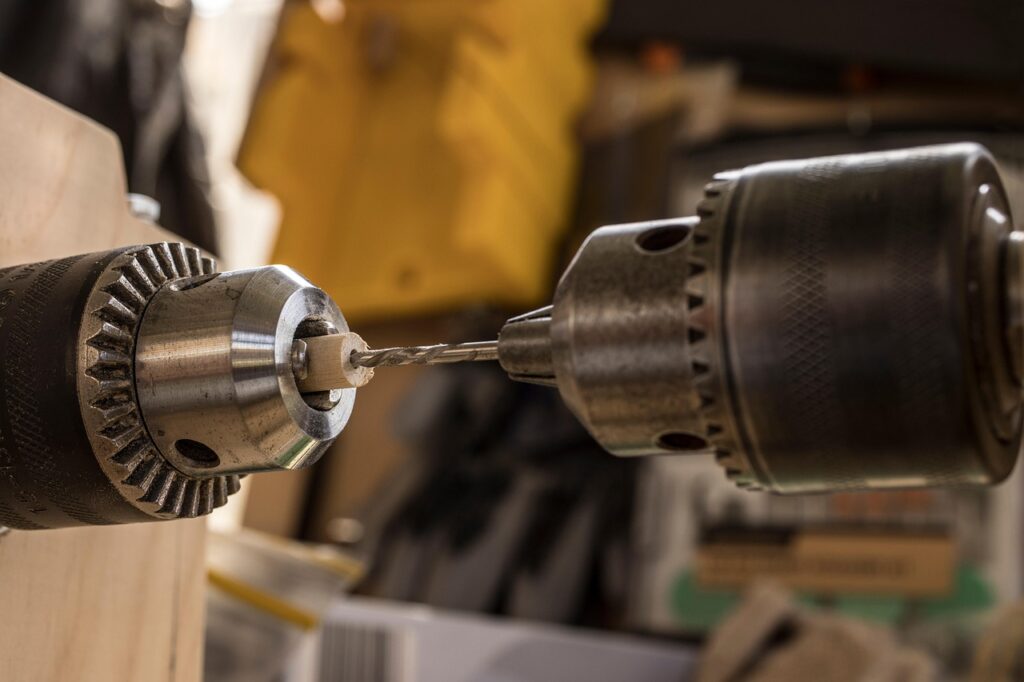
When people look through small accessories in Tooling, the dewalt drill bit holder often gets skipped. It is not a motor, a blade, or a costly machine part. Even so, this small holder can decide whether a worker changes bits without trouble or spends time looking through a pocket, a ladder tray, or a dusty toolbox.
For trade buyers, workshops, cabinet installers, metal fabricators, and maintenance teams, the job is clear. A good holder should grip the bit, fit the drill or impact driver, reach the screw area, and handle repeated fastening. Public DEWALT product information for current holders lists features such as rare earth magnets, locking sleeves, 1/4-inch hex shanks, and models rated for drills and impact drivers. Those details usually matter more than the photo on the pack.
Why Does a Dewalt Drill Bit Holder Matter on a Busy Job?
A bit holder will not turn a weak drill into a strong one. It will not fix the wrong screw, either. What it can do is cut out small delays that happen again and again. On a cabinet install, a technician may change between a pilot bit, Phillips bit, square bit, and nut driver many times before lunch. Saving a few clumsy seconds each time does start to count.
Faster Bit Swaps at Repeated Fastening Points
Most DEWALT-style holders use the common 1/4-inch hex interface, so workers can move between driver bits and many hex-shank drill accessories without opening the chuck every time. For repeated fastening, that is useful because the operator can pull one bit, push in the next one, and get back to the screw line.
There is nothing fancy about this, but it helps on real jobs. Nobody wants to stop in a hallway or on a lift because one T25 bit is buried in the bottom of a bag.
Less Dropped Hardware in Awkward Work Angles
Magnetic holders help keep the screw and bit lined up when the work is above shoulder height, inside a cabinet, or close to a metal frame. DEWALT product pages for some Elite Series holders describe rare earth magnets and stronger fastener retention compared with older or basic designs.
A magnet is not the same as a clamp, so the user still needs steady hand position and the right pressure. It does help when gravity is working against the operator, especially during overhead or recessed fastening.
Cleaner Tool Control in Shared Work Areas
Loose bits make a shared bench messy very quickly. A holder gives the bit a clear place while the task is in progress, so workers are less likely to mix sizes or waste time searching.
It also reduces the chance that someone grabs a worn bit just because the correct one cannot be found. Small control at the tool level usually makes the whole work area easier to manage.
Which Dewalt Drill Bit Holder Type Fits Your Work?
Not every holder is made for the same use. A short magnetic holder is handy for common screwdriving. A long extension reaches past trim, brackets, and recessed holes. A locking holder is better when bit pull-out would slow the job down. Pick the holder for the task, not only for the brand color.
Magnetic Holders for Quick Everyday Driving
A magnetic holder fits cabinet screws, light assembly, maintenance panels, HVAC covers, and other routine fastening. It holds common insert bits and helps keep screws seated while the user starts the drive.
This style makes sense when speed matters and the bit is not under heavy side load. In light shop work, it is often the first holder people reach for because it is simple and quick.
Locking Holders for Impact Driver Retention
A locking holder uses a sleeve or collar to hold the accessory more firmly than a plain magnetic holder. DEWALT lists impact-ready locking holders that accept 1-inch screwdriving bits and 1/4-inch hex-shank accessories for drilling and driving.
That design fits impact drivers, repeated fastening, and work where a tight screw could pull a bit loose. It is a better choice when stopping to retrieve a bit would break the work rhythm.
Pivoting and Extension Holders for Tight Access
Pivoting holders and 6-inch or longer extensions help when the drill body cannot sit straight in line with the screw. Common examples include shelving, brackets behind pipework, truck bodies, electrical cabinets, and fixture repair.
They should still be used with care. The longer the extension, the easier it is to get wobble, so slower speed and steady pressure usually give a cleaner result.
What Specifications Should You Check Before Buying?
Good purchasing often comes down to plain details. Shank size, length, release collar feel, magnet type, and bit compatibility decide whether the holder becomes a daily tool or sits unused in a drawer. For distributors and procurement teams, checking these points also helps reduce return questions from end users.
1/4-Inch Hex Compatibility
The 1/4-inch hex shank is the normal interface for many screwdriver bits and hex-shank drill accessories. DEWALT product listings for several holders mention this size, and third-party tool makers such as Wiha also reference DIN 3126 and ISO 1173 styles for 1/4-inch bit systems.
The takeaway is simple for bulk buying. Check the shank and groove style before mixing bits and holders from different brands.
Length Choices From Stubby to 12 Inches
Short holders give better control and less wobble. Six-inch holders add reach without feeling too loose in the hand.
Longer 12-inch extensions can reach deep cavities, but they are not ideal for high-torque fastening unless the screw path is straight. If you buy for a team, it is usually smarter to stock two useful lengths instead of one size that almost works everywhere.
Magnet Strength and Collar Release Feel
A strong magnet keeps screws steady, but the holder also needs a release that does not fight the operator. If gloves are used on the jobsite, test the sleeve with gloves before making a larger order.
A collar that feels fine at a store counter may feel stiff when it is cold, dirty, or full of fine metal dust. After a hundred screws, that small detail becomes a real complaint.
How Does It Affect Safety and Workflow?
A bit holder is not personal protective equipment. There is also no reliable public data proving that one specific holder reduces injury rates. That should be clear. Still, better tool control supports safer work habits. OSHA public guidance states that hand and power tool hazards are covered under standards for general industry, maritime, and construction, while OSHA construction rules require hand and power tools to be kept in safe condition.
Safe Accessory Changes Before Adjustment
OSHA construction eTool guidance tells users to disconnect tools when not in use, before servicing, and when changing accessories such as blades and bits. For cordless drills, that can mean removing the battery or using proper lockout habits when the job calls for it.
The holder does not replace that rule. It only makes the accessory change cleaner after the tool is safe to handle. See also: Machines.
Fewer Loose Bits Near Machines and Ladders
The U.S. Bureau of Labor Statistics reported 2.569 million total recordable injury and illness cases in private industry for 2023, with a rate of 2.4 cases per 100 full-time equivalent workers. BLS also reported a 2023 construction rate of 2.3 and a special die and tool, die set, jig, and fixture manufacturing rate of 3.7.
These numbers do not say loose bits caused those cases. They simply show why small control habits matter in tool-heavy work, especially around machines, ladders, and shared benches.
Practical Checks Before Each Shift
Before work starts, spin the holder by hand, check for a bent shank, insert a bit fully, and tug lightly on the bit. Look for cracked sleeves, weak magnets, and rounded hex faces.
If the holder slips in the chuck or releases bits without warning, take it out of use. A low-cost accessory is not worth a damaged finished panel or an injured finger.
Is a Dewalt Drill Bit Holder Better Than Generic Options?
The honest answer is that it depends on the work. Brand-name holders usually give clearer specifications, more predictable fit with the same brand bit system, and easier replacement sourcing. Generic holders may be fine for low-torque tasks, especially when price matters more than long service life. A trade buyer should judge by fit, retention, material quality, and user complaints, not by brand alone.
Brand Fit for Dewalt Bit Systems
DEWALT holders are made for DEWALT accessory families, including impact-rated bits and magnetic screw lock systems. If your team already uses DEWALT drills, impact drivers, and bit sets, staying within the same accessory line can reduce compatibility guesswork.
It also makes training easier. Workers get used to the same release collar, bit fit, and hand feel across the tool kit.
Generic Value for Low-Torque Tasks
For light work, a generic magnetic holder can be enough. Drywall repair, simple furniture assembly, and low-volume maintenance do not always need a premium locking holder.
The problem starts when a low-cost holder is used for impact driving all day. Poor retention, soft steel, or an uneven shank can turn a cheap buy into wasted time.
When Precision Matters More Than Price
Choose the better holder when the workpiece is finished, painted, plated, or costly. A slipping bit can mark a cabinet face or stainless panel in one second.
In manufacturing purchasing, the U.S. Census Bureau says its Manufacturers’ Shipments, Inventories, and Orders survey tracks broad monthly conditions and future production commitments. That is a useful reminder that small tooling choices still sit inside larger production planning.
How Should You Maintain and Store It?
Most bit holders fail slowly. Dust builds up around the magnet. The collar gets gritty. The shank wears from chuck slip. Many users only notice the problem when the holder starts dropping bits at the wrong time. Basic care keeps the holder useful longer, and it takes less time than searching the floor for a black bit under a bench.
Cleaning Metal Dust From the Magnet
Magnets collect fine steel dust from drilling, grinding, and shop floors. Wipe the tip often with a rag, then use tape or putty to lift off filings that stay in place.
Do not scrape the magnet with a knife. It can damage the holder and may leave sharp pieces behind. If screws no longer sit straight, clean the magnet before blaming the bit.
Checking Wear on the Sleeve and Shank
Look at the hex shank for shiny rounded edges because that often means the drill chuck has slipped. Check the sleeve for cracks, sticky movement, or a weak detent.
If the collar does not spring back, clean it first. If it still drags, replace the holder. For impact work, worn retention is not something to carry for another month.
Storage Habits for Long Service Life
Store holders in a bit case, drawer insert, or small pouch instead of leaving them loose with nails and sockets. Keep magnetic holders away from heavy steel chips when possible.
Label different lengths so users can grab the right one quickly. Simple storage may sound fussy, but a clean holder feels better in the hand and usually works better as well.
FAQ
Q1: Can a Dewalt Drill Bit Holder Work With Other Brand Bits? A: Usually yes, if the bit uses the correct 1/4-inch hex shank. Still, check the bit length and locking groove because some locking holders grip certain bit styles better than others.
Q2: Is a Magnetic Holder Enough for an Impact Driver? A: It can work for light tasks, but a locking impact-rated holder is safer for repeated impact driving and pull-out situations. Match the holder rating to the tool and task.
Q3: What Length Should You Buy First? A: A 6-inch holder is the most flexible first choice for many users. Add a short holder for better control and a longer extension only when deep access is common.
Q4: Why Do Bits Get Stuck in Some Holders? A: Bits may stick because the holder uses a retaining ring, the bit style is wrong, the collar is dirty, or the shank is damaged. Clean the holder and use compatible bits.
Q5: Does a Better Bit Holder Improve Safety? A: It supports safer tool control, but it does not replace safe work habits, PPE, or OSHA rules. Reliable public data does not prove one holder model lowers injury rates.