What Are Aluminum MIG Welders and When Should You Use Them?
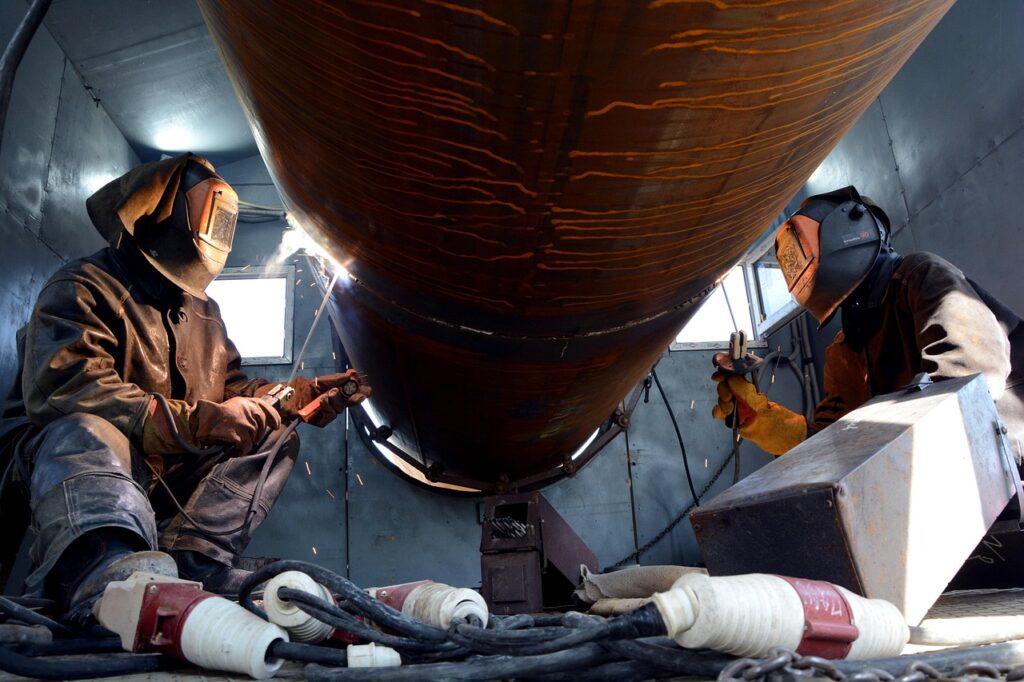
Aluminum MIG welders are common in fabrication shops because they join aluminum parts faster than many TIG setups. If your shop makes brackets, frames, tanks, housings, guards, or light structural parts, the right setup can cut welding time in a clear way. For more material selection topics, you can also browse the Materials section.
MIG welding aluminum is still not a plug-and-play job. Aluminum moves heat quickly, builds oxide fast, and uses softer wire than steel. Small issues with cleaning, gun angle, wire choice, or shielding gas can cause soot, burn-through, porosity, or a bead that looks acceptable but has poor fusion. The point is not to buy the largest machine in the catalog. The point is to match the welder with the part, alloy, thickness, and the way the shop runs every day.
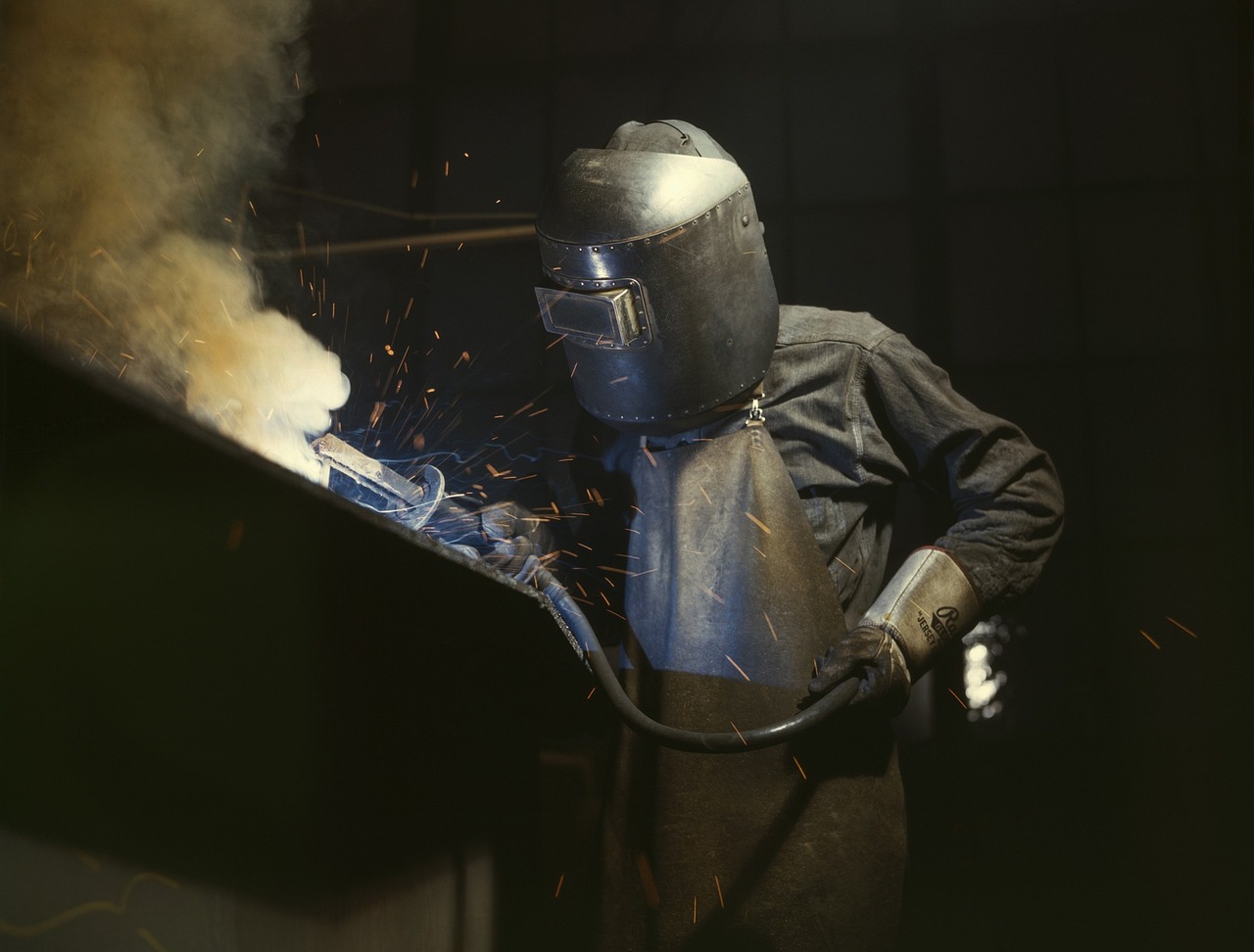
Why Are Aluminum MIG Welders Useful in Manufacturing?
In a manufacturing shop, speed helps, but repeatability is what keeps rejects down. MIG, also called GMAW, uses a continuously fed electrode wire and an external shielding gas. OSHA describes GMAW or MIG as a widely used arc welding process with a consumable electrode and external gas shield, which fits the way many shops build repeat parts and assemblies. (obis.osha.gov)
Higher Travel Speed for Repeated Parts
When the joint design is suitable, MIG can run faster than TIG because the filler wire feeds all the time. This helps on long seams, frames, trays, covers, electrical enclosures, marine parts, and production fixtures. The technician can watch travel angle, stickout, puddle shape, and heat instead of feeding filler rod by hand. On a batch of 200 similar brackets, that time difference shows up quickly.
Good Fit for Common Aluminum Fabrication
Aluminum MIG welding works well for many 5xxx and 6xxx series parts used in machinery, transport equipment, cabinets, platforms, and general metal products. It still has limits, so thin cosmetic parts may be better with TIG. Very thick sections may need preheat, groove prep, higher amperage, or a helium blend. The American Welding Society notes that aluminum GMAW has become a strong option and is not limited to simple or low-grade work. (aws.org)
Lower Skill Barrier Than Some TIG Jobs
MIG still needs a trained operator, but it can be easier to train for repeat welds after the procedure is set. Operators need clean material, steady travel, and the correct push angle. The easier part is keeping the arc and filler feed going together without hand-feeding rod. For shops with repeat assemblies, that can make staffing and production planning easier.
What Should You Check before Buying an Aluminum MIG Welder?
Before comparing brands, look at the actual work on the bench. A good welder for a small repair corner may not suit a shop welding 6 mm frames all day. You need enough power, steady wire feeding, and controls that your team can set without losing half a shift.
Input Power and Real Thickness Range
Aluminum needs more heat than many new users expect because it pulls heat away from the weld zone fast. For thin sheet, a small machine can work if the arc is steady and the operator keeps moving. For 3 mm to 6 mm plate, many shops choose 200 A to 250 A class machines. For thicker parts, the better answer may be a larger power source, joint prep, multiple passes, or another process. Do not choose only by the maximum amp number in a brochure. Duty cycle and arc stability matter just as much in daily work.
Spool Gun or Push-Pull Feeding
Aluminum wire is softer than steel wire, so a long feed path can cause bird-nesting near the drive rolls. A spool gun keeps the wire close to the arc, and it is useful for repair work, short runs, and mixed jobs. A push-pull gun gives better reach and smoother feeding for production, especially when the operator works around large assemblies. If the job uses 0.8 mm or 0.9 mm wire, feeding becomes even more sensitive. Smooth cable layout, correct drive rolls, and a clean liner are basic requirements, not extras.
Pulse MIG and Parameter Memory
Pulse MIG can help control heat, reduce spatter, and make the puddle easier to handle on some aluminum jobs. It is not needed in every shop, and it will not fix dirty material. If your work changes between 2 mm sheet and 6 mm extrusions, stored programs can still save setup time. In a busy shop, fewer knob mistakes also mean fewer rejected parts.
Which Gas, Wire, and Polarity Work Best?
Good aluminum MIG welding starts with the basic setup. The most common shielding gas is 100% argon, according to an American Welding Society aluminum GMAW setup article from January 2024. The same AWS article says argon-helium mixes are another option for aluminum around 1 inch thick or thicker because they create a hotter arc and deeper fusion. (aws.org)
100% Argon for Most Shop Work
For most aluminum MIG jobs, use pure argon. It gives steady shielding, good arc starts, and a clean weld when the surface is prepared. Do not use the common carbon dioxide mixes used for steel. They are not suitable for aluminum MIG and can make the arc dirty and unstable. Keep the gas flow at a practical level. Too low lets air into the weld, while too high can cause turbulence and pull in air as well. In the shop, turning the flow meter higher is often not the fix.
4043 and 5356 Filler Choices
Filler wire should match the base alloy and the service conditions. AWS notes that when welding 6061 aluminum, 4043 or 5356 filler is usually a better choice than pure aluminum filler. The source also states that 5356 contains about 4.5% to 5% magnesium, while 4043 contains about 4.5% to 6% silicon. (aws.org) 4043 often wets out smoothly and can lower cracking risk in many 6xxx applications. 5356 is stronger in many cases and is often used with 5xxx alloys, but it may not suit high-temperature service. If the part must follow a code, customer drawing, or marine requirement, follow that document instead of a quick shop habit.
DCEP and Short Stickout Discipline
Aluminum MIG usually runs direct current electrode positive, often written as DCEP. Keep the contact tip, liner, and nozzle clean. Watch stickout during welding because small changes can show up fast. Too long can make the arc soft and unstable. Too short can burn back into the tip, especially when the wire speed is high. Many problems blamed on the machine are actually feeding, contact tip, or gun handling problems.
How Do You Prepare Aluminum before MIG Welding?
Preparation is where many aluminum welds fail before the trigger is even pulled. Aluminum oxide melts at a much higher temperature than the aluminum below it. Oil, coolant, marker ink, adhesive, shop dust, and moisture can all cause porosity. AWS puts it plainly in its setup guidance: lack of proper cleaning can lead to poor results, and even small moisture amounts can cause porosity. (aws.org)
Remove Moisture and Shop Contamination
Bring cold material into the welding area early so condensation does not form on the surface. This matters in winter and in humid coastal shops. Degrease with a suitable solvent and a clean cloth before brushing. If you brush first, you may push oil deeper into the surface instead of removing it. Avoid rags that have already been used around cutting fluid or anti-spatter spray.
Brush Oxide with Dedicated Stainless Tools
Use a stainless-steel wire brush only for aluminum. Do not use the same brush that touched carbon steel. Cross-contamination can lead to poor-looking welds and corrosion concerns later. Brush in one direction with normal pressure. Power tools can work, but heavy pressure may embed particles or polish contamination into the surface. The weld prep does not need to look perfect, but it does need to be clean. See also: Machines.
Fit the Joint Tightly but Not Blindly
Poor fit-up makes aluminum harder to weld because the puddle can drop through a gap with little warning. Tack parts in a sequence that controls movement. Use backing bars, clamps, and chill blocks when they help, but do not clamp in a way that hides poor joint contact. For long seams, check alignment after the first few tacks. Aluminum can move quickly once heat gets into the part.
How Should You Set Parameters and Technique?
There is no single chart that fits every aluminum MIG job. AWS states that wire feed speed, amperage, voltage, and travel speed depend on application, alloy, base thickness, and wire diameter. It also notes that 5xxx series wires may need much higher wire feed speeds than 4xxx wires to reach the same amperage. (aws.org) That is why test coupons are worth the time.
Start from Filler and Machine Charts
Use the filler manufacturer chart and welder manual as starting points. Then run test welds on the same alloy and thickness as the real job. Cut and inspect samples when the part is important. A good-looking bead helps, but it does not prove fusion. If you see black soot, popping, or worm tracks, check cleaning, gas coverage, and wire storage before changing every knob on the machine.
Use Push Angle and Fast Travel
Aluminum MIG is usually welded with a push technique. A 10 to 15 degree push angle is a practical starting point for many shop welds. Keep travel speed brisk because the puddle grows fast. If you move too slowly, the weld gets wide, heat builds, and thin edges melt away. On small parts, even a short pause after arc start can be enough to burn through. It happens fast, and it often happens on the last part of the batch.
Control Heat between Passes
For thicker weldments, monitor interpass temperature and let parts cool when needed. Too much heat can reduce strength in heat-treated alloys and distort the part. If a part must hold a tight flatness tolerance, plan the weld order before the first tack. Backstep welding, staggered welds, and balanced weld placement can reduce distortion without special equipment.
What Safety and Sustainability Points Matter?
Aluminum welding may look cleaner than some steel processes, but it still creates fumes and gases. OSHA lists aluminum among possible metals in welding fume and lists gases such as argon, helium, nitrogen oxides, carbon monoxide, and ozone as possible welding-related gases. It also warns that acute exposure can irritate the eyes, nose, and throat, and that shielding gases can displace oxygen in enclosed spaces. (obis.osha.gov)
Ventilation Near the Fume Source
Use local exhaust when possible, and keep the pickup close to the plume. General shop airflow helps, but it may not protect the welder if the fume rises straight into the breathing zone. Outdoor welding does not automatically mean safe ventilation. Wind can push shielding gas away and still leave the operator breathing fumes, which is not a good trade.
Storage and Scrap Handling
Store aluminum wire dry and covered. Keep base material away from grinding dust and moisture. Separate clean aluminum scrap when possible because it helps both housekeeping and scrap value. The U.S. Energy Information Administration says making new aluminum cans from recycled aluminum uses 95% less energy than using bauxite ore, and the Aluminum Association gives a similar 95% energy-saving figure for recycled aluminum compared with new metal. (eia.gov) Clean scrap streams can support better recycling value.
Procedure Control for Repeat Quality
For production work, record the alloy, thickness, filler, wire diameter, gas, contact-tip-to-work distance, voltage, wire feed speed, travel speed, and cleaning steps. A simple one-page procedure can prevent many small changes that later become rejects. If your customer needs certified welding, use the required welding code, qualified procedures, and qualified personnel. Public sources do not give one reliable setting table for every aluminum MIG application, so procedure testing is the safer route.
FAQ
Q1: Are Aluminum MIG Welders Good for Beginners? A: They can be, if the machine has stable feeding and the beginner practices on clean scrap first. Aluminum reacts quickly to heat, so beginners should start with simple joints and medium thickness before trying thin sheet.
Q2: Can a Regular MIG Welder Weld Aluminum? A: Some regular MIG welders can weld aluminum if they support the right polarity, amperage, shielding gas, wire size, and feeding setup. A spool gun or push-pull gun is often needed because aluminum wire is soft.
Q3: What Gas Do You Use with Aluminum MIG Welders? A: Most aluminum MIG welding uses 100% argon. Argon-helium mixes may help on very thick aluminum where deeper fusion and more heat are needed.
Q4: Is 4043 or 5356 Better for Aluminum MIG Welding? A: It depends on the base alloy and service conditions. 4043 is common for many 6xxx parts and gives smooth wetting. 5356 is common for many 5xxx parts and can offer higher strength, but it is not right for every temperature or code requirement.
Q5: Why Do Aluminum MIG Welds Get Porosity? A: Common causes include moisture, oil, oxide, poor gas coverage, wind, dirty wire, and too much turbulence from excessive gas flow. Clean the part, protect the shielding gas, and test settings on scrap before welding production parts.


