How Does Lathe MC Enhance Precision Work Aboard USS Mitscher DDG 57
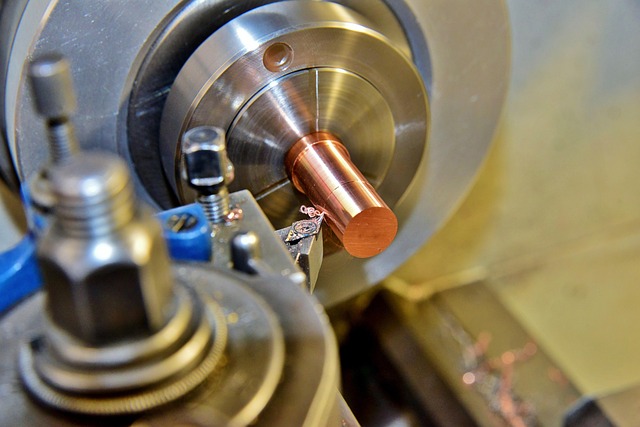
USS Mitscher (DDG 57) Sailor Operates Lathe in Machine Shop
Precision machining aboard naval vessels like the USS Mitscher (DDG 57) defines the ship’s ability to remain mission-ready under any condition. The lathe MC, a compact yet powerful machining center, enables sailors to fabricate and repair components essential to propulsion, weapon, and mechanical systems without relying on shore facilities. Its integration into shipboard maintenance routines reduces downtime, supports predictive maintenance, and reinforces the Navy’s principle of self-sufficiency at sea.
The Role of the Lathe MC in Naval Engineering Operations
Shipboard engineering relies heavily on precision tools that can perform reliably under vibration, limited space, and shifting loads. Among these tools, the lathe MC stands out for its adaptability and accuracy during both planned maintenance and emergency repairs.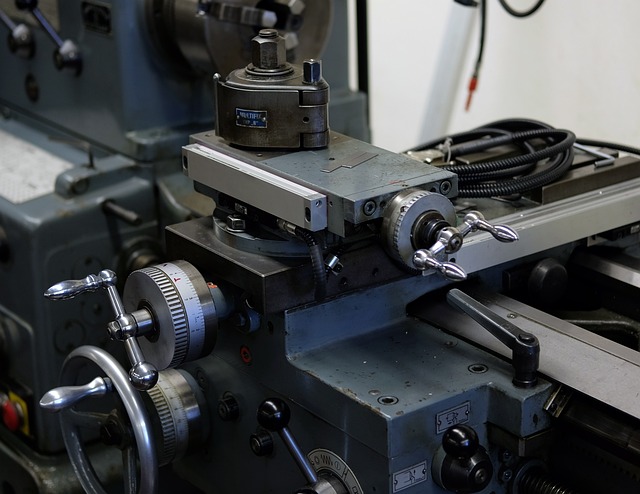
Overview of Precision Machining Aboard Naval Vessels
Machine shops aboard destroyers like USS Mitscher (DDG 57) provide critical support for operational readiness. They allow engineers to restore worn parts or fabricate replacements on demand. The lathe MC supports propulsion shafts, hydraulic fittings, and weapon system mounts with micron-level precision. By maintaining tight tolerances, it ensures that mechanical systems continue functioning even after long deployments.
Integration of the Lathe MC into Shipboard Maintenance Workflows
The lathe MC is scheduled alongside other shipboard maintenance tasks to minimize disruption to operations. Coordination between engineering divisions allows prioritization of urgent repairs while maintaining regular upkeep cycles. Real-time diagnostics help replicate worn or damaged parts using digital measurements taken directly from existing components, a process that sustains mission capability when external supply chains are unavailable.
Technical Capabilities of the Lathe MC System
Modern naval lathes combine rugged construction with advanced control systems. Their design reflects decades of refinement in both military and industrial machining standards.
Structural Design and Operational Mechanics
The lathe MC features a rigid frame that resists vibration during high-tolerance turning operations. This stability is vital for producing concentric surfaces on rotating components such as pump shafts or gun mounts. Variable speed drives and feed controls enable machinists to adapt cutting conditions to each material type while preserving tool life.
Control Interfaces and Automation Features
Digital readouts provide precise feedback down to microns, supporting complex geometries required by modern naval systems. CNC functionality allows repeatable production of identical parts under constrained conditions at sea. Safety interlocks prevent accidental activation during setup or maintenance, maintaining operator control even in rough sea states.
Enhancing Precision Through Advanced Machining Techniques
Precision machining aboard ships requires not only robust equipment but also disciplined technique. Material behavior under heat and stress must be managed carefully to maintain dimensional accuracy throughout extended operations.
Material Handling and Tooling Optimization
Tool selection depends on hardness, corrosion resistance, and thermal response of materials such as stainless steel or titanium alloys used in naval hardware. Proper calibration minimizes tool wear while improving surface finish quality. Efficient coolant flow management prevents heat buildup that could distort dimensions during prolonged cutting cycles.
Measurement Standards and Tolerance Verification
Dimensional verification employs micrometers, dial indicators, and occasionally laser alignment tools for high-accuracy checks. Compliance with MIL‑SPEC tolerance standards guarantees interchangeability among shipboard components across the fleet. Every completed part is logged through documented inspection records to preserve traceability within the vessel’s maintenance history.
The Lathe MC’s Contribution to Mission Readiness Aboard USS Mitscher (DDG 57)
The onboard machine shop transforms engineering capability from reactive repair to proactive readiness. When unexpected failures occur far from port, the lathe MC becomes central to sustaining combat effectiveness.
On-Demand Fabrication for Critical Components
Sailors can produce replacement shafts, bushings, or threaded fasteners immediately after identifying a fault. This eliminates waiting periods associated with shore-based manufacturing facilities. During deployments where supply lines are stretched thin, such autonomy directly contributes to sustained operational tempo.
Sustaining Operational Efficiency Through In-House Machining Capability
In-house machining reduces logistical delays linked with external repair requests and fosters continuous training among crew members who operate precision equipment daily. Familiarity with the lathe MC strengthens technical confidence within the engineering department while reinforcing overall ship self-sufficiency—an enduring principle of naval design philosophy.
Future Developments in Shipboard Machining Technology
Emerging technologies are expanding what can be achieved within confined shipboard workshops. Digital integration and new materials science are redefining how future fleets will maintain themselves at sea.
Integration with Digital Maintenance Systems and Predictive Analytics
Linking the lathe MC with digital maintenance records enables predictive scheduling for part replacement before failure occurs. Sensor data analysis helps forecast tool wear patterns and adjust cutting parameters accordingly. As artificial intelligence matures within defense systems architecture, automated diagnostics may further refine machining consistency even under variable power loads or environmental conditions.
Advancements in Materials and Cutting Technologies for Naval Applications
Next-generation superalloys demand adaptive tooling capable of handling extreme hardness without sacrificing finish quality. Hybrid additive‑subtractive processes—combining 3D printing with precision turning—could soon allow ships like USS Mitscher to rebuild complex parts entirely at sea rather than awaiting port facilities. Continuous innovation keeps naval machine shops indispensable elements of fleet readiness strategies worldwide.
FAQ
Q1: What does a lathe MC do aboard a destroyer?
A: It performs precision turning, facing, threading, and boring tasks essential for repairing or fabricating mechanical components used throughout propulsion and weapon systems.
Q2: How does onboard machining improve readiness?
A: It allows immediate repair of critical parts without waiting for external support, keeping key systems operational during extended missions.
Q3: Are CNC features common on naval lathes?
A: Yes, most modern shipboard lathes include CNC controls for repeatable accuracy under limited space conditions typical aboard warships.
Q4: What safety measures protect operators?
A: Interlocked guards, emergency shutoffs, vibration‑resistant mounts, and automatic feedback loops maintain safe operation even during rough seas.
Q5: What future upgrades are expected for shipboard machine shops?
A: Integration with predictive analytics platforms and adoption of hybrid manufacturing methods will expand repair capabilities directly onboard naval vessels.