Can a CNC Wood Mill Truly Simplify Digital Carpentry Workflows
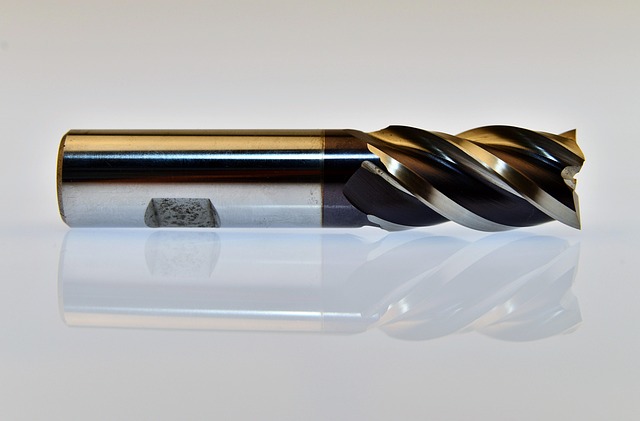
Cutting the Complexity from Digital Carpentry
Digital carpentry has reached a turning point where precision meets automation. The cnc wood mill is not just a machine but a bridge between design intent and tangible craftsmanship. By translating digital data into physical form with micron-level accuracy, it removes repetitive labor and human error from woodworking. The result is faster production, cleaner surfaces, and repeatable quality across complex geometries. For professionals, this technology doesn’t replace skill—it amplifies it, enabling artisans to focus on creative and structural challenges rather than manual cutting.
The Role of CNC Wood Mills in Digital Carpentry?
The cnc wood mill has become the backbone of modern fabrication workshops. It merges mechanical precision with digital control, redefining how carpenters approach both design and execution.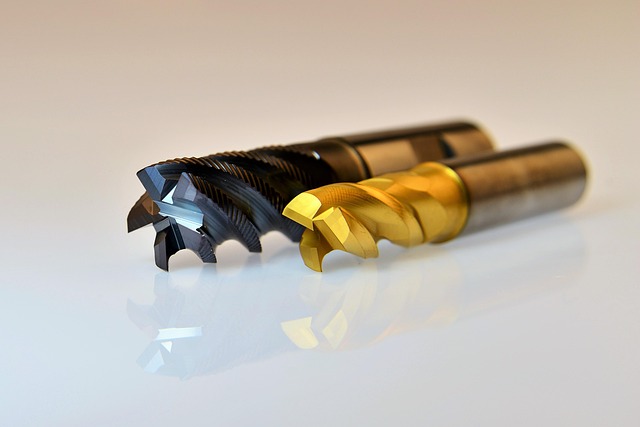
The Integration of CNC Technology in Modern Carpentry
CNC wood mills automate cutting, shaping, and drilling operations that once required multiple tools and setups. Through integration with CAD/CAM software, designers can send digital models directly to production without redrawing or manual measurement. This link reduces translation errors between design and manufacturing stages. Digital workflows also maintain craftsmanship standards while minimizing manual intervention—an important factor for scalability in architectural joinery.
Core Components of a CNC Wood Mill System
A cnc wood mill typically includes a rigid bed, gantry system, and high-speed spindle capable of handling various tool bits. Motion control drives synchronize axes movement for consistent toolpath accuracy. Software generates G-code instructions that guide the spindle’s motion across the material surface. Dust extraction units and automated material handling systems further enhance safety and efficiency during long production cycles.
Streamlining Workflow Through Digital Fabrication Processes
Digital fabrication transforms carpentry from an analog craft into a data-driven process where precision depends on code rather than hand-eye coordination.
Transitioning from Manual to Digital Carpentry Workflows
Traditional woodworking relies heavily on measurement tools, templates, and operator experience. CNC systems replace these variables by interpreting 3D models directly into cutting instructions. Once calibrated, the same setup can reproduce identical components hundreds of times without deviation. Reduced setup time allows small workshops to handle larger orders with consistent results.
Data Flow Between Design and Production Stages
In digital carpentry pipelines, CAD models define geometry, tolerances, and joinery logic. CAM software then converts these parameters into machine-readable G-code optimized for specific materials and tools. Feedback from sensors or trial runs helps refine toolpaths for improved performance in subsequent iterations—a closed-loop workflow that enhances both speed and accuracy.
Enhancing Precision and Consistency with CNC Wood Mills
Precision defines modern woodworking competitiveness. Automation ensures that every cut aligns perfectly with design tolerances while maintaining surface quality.
The Impact of Automation on Tolerances and Fit Quality
Automated calibration routines align machine axes before each job to maintain consistent dimensional accuracy across batches. Real-time monitoring detects tool wear or vibration anomalies that could affect fit quality. This consistency allows complex joinery—like dovetails or mortise-and-tenon joints—to fit seamlessly even across different machines within a networked workshop.
Surface Finish and Material Optimization Techniques
Adaptive feed rate control adjusts spindle speed according to grain direction or hardness variations in wood species like oak or maple. Multi-axis milling expands creative options by producing curved panels or sculpted textures without secondary sanding operations. Toolpath optimization also minimizes waste by aligning cuts with natural grain flow for both strength and aesthetics.
Efficiency Gains in Production Scheduling and Resource Management
Automation extends beyond machining—it reshapes how workshops plan workloads, allocate materials, and manage downtime.
Workflow Optimization Through Automation Scheduling
Modern cnc wood mill systems connect to scheduling software that queues multiple jobs automatically based on deadlines or material availability. Predictive maintenance algorithms analyze vibration data to detect bearing wear before breakdowns occur. Real-time dashboards let supervisors reprioritize active tasks without halting machines mid-cycle.
Material Utilization and Waste Reduction Strategies
Advanced nesting algorithms arrange parts efficiently within sheet stock to minimize offcuts—critical when using premium hardwoods. Reusable templates standardize recurring components such as cabinet doors or stair treads across projects. Over time, production analytics reveal consumption trends that inform purchasing decisions and reduce surplus inventory.
Expanding Creative Possibilities Through Parametric Design Integration
Parametric design introduces flexibility rarely achievable through manual drafting by linking geometry directly to fabrication parameters.
Linking Computational Design Tools with CNC Milling Systems
By connecting parametric modeling software with CNC machines, designers can modify variables like curvature radius or joint spacing instantly while keeping toolpaths synchronized. This direct link enables rapid prototyping cycles where structural experiments translate immediately into physical tests without manual recalibration.
Customization at Scale in Architectural Woodwork and Furniture Design
Variable data-driven fabrication supports mass customization—each piece unique yet efficiently produced through shared templates. Modular furniture systems benefit most from such repeatability since each module fits precisely regardless of configuration changes. Cross-disciplinary collaboration flourishes as architects share parametric files directly with fabricators who then adapt them for machining constraints.
Challenges in Adopting CNC Wood Mills for Digital Carpentry Workflows
Despite its potential, integrating cnc wood mills into traditional environments requires overcoming technical gaps and cultural resistance among craftsmen.
Technical Barriers to Seamless Implementation
Initial investment remains substantial due to hardware costs, training programs, and software licensing fees. Compatibility between legacy CAD files and current CAM platforms often requires conversion work that risks data loss or misalignment errors. Skilled operators must still interpret anomalies like chatter marks or unexpected tool deflection during milling operations.
Balancing Automation with Craftsmanship Values
Automation can’t replicate tactile judgment—the feel of grain direction under a chisel edge still matters for final finishing touches. Many workshops adopt hybrid workflows: CNC handles bulk shaping while artisans perform hand-sanding or detailing to preserve authenticity. Continuous training keeps teams fluent in both digital tools and traditional methods so neither dominates at the expense of quality.
Future Directions for CNC Wood Milling in Advanced Carpentry Practices
The next phase of digital carpentry blends artificial intelligence with sustainable manufacturing principles aimed at reducing waste while improving adaptability.
Emerging Trends in Smart Manufacturing Integration
IoT-enabled cnc wood mills transmit operational data for remote diagnostics via secure networks compliant with ISO/IEC standards on industrial communication protocols (IEC 62443). AI algorithms analyze historical performance logs to suggest optimal cutting speeds based on prior outcomes—reducing trial runs significantly. Cloud-based collaboration platforms now allow architects, engineers, and fabricators to co-develop projects asynchronously across continents.
Sustainability Considerations in Digital Fabrication Ecosystems
Energy-efficient spindles decrease power draw during idle cycles while maintaining torque stability under load conditions verified by IEC energy performance testing frameworks (IEC 60034-30). Intelligent material tracking links offcuts back into inventory databases supporting circular economy principles widely promoted by IEA sustainability guidelines (IEA 2023). Lifecycle assessment tools help workshops quantify environmental impact from sourcing through disposal stages—making sustainability measurable rather than aspirational.
FAQ
Q1: What distinguishes a cnc wood mill from traditional woodworking machinery?
A: A cnc wood mill interprets digital designs directly into cutting instructions using computer control rather than manual adjustment, providing higher precision and repeatability than conventional routers or saws.
Q2: How does CAD/CAM integration improve workshop efficiency?
A: It eliminates redundant steps between design drafting and machining setup by generating machine code automatically from 3D models, reducing preparation time significantly.
Q3: Can small workshops afford cnc technology?
A: Entry-level desktop models have made adoption more accessible; however, training investment remains crucial for achieving professional-grade output consistency.
Q4: Does automation reduce artistic value in carpentry?
A: Not necessarily; many artisans use CNC milling for structural work but retain hand-finishing stages where texture sensitivity matters most aesthetically.
Q5: What sustainability benefits come from digital fabrication?
A: Optimized nesting reduces material waste while energy-efficient components lower operational emissions—aligning modern carpentry practices with broader environmental goals set by international standards bodies like ISO and IEA.