How Can a CNC Milling Machine Improve Medical Device Manufacturing?
How Can a CNC Milling Machine Improve Medical Device Manufacturing?
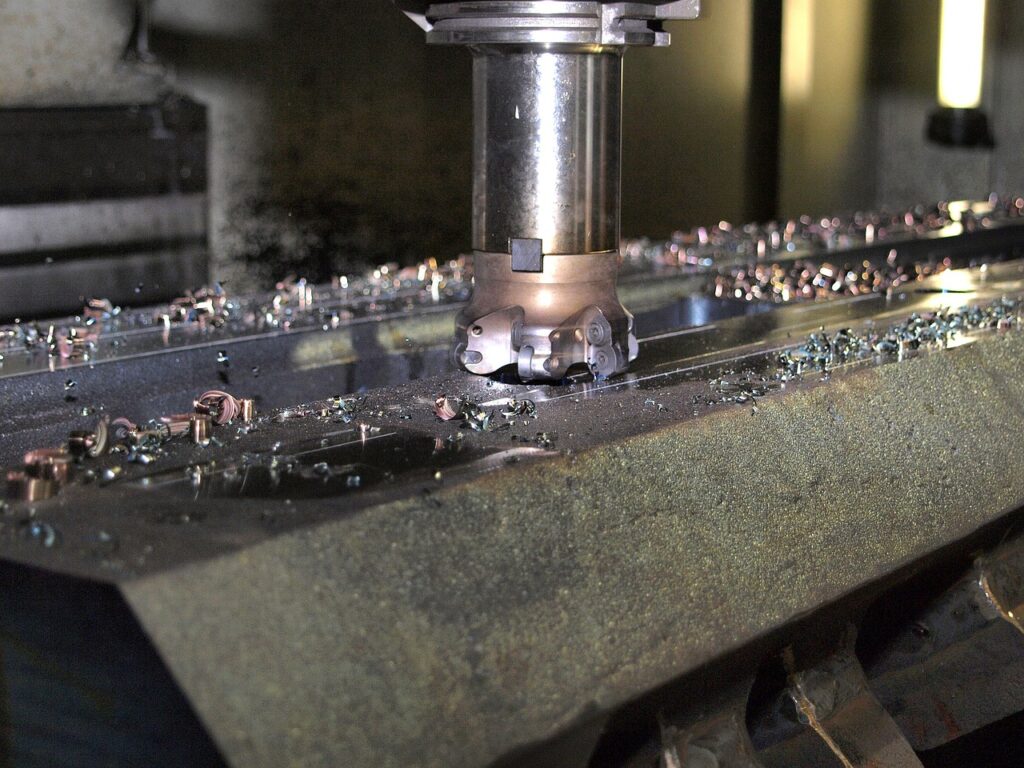
A cnc milling machine is not just a shop-floor asset for metal removal. In medical device work, it shapes housings, fixtures, surgical trial components, orthopedic instruments, dental parts, and small custom features that must match drawings and records. If you are comparing equipment for production or a clean manufacturing line, the Machines section is a practical place to start. The useful question is simple: can the machine make the part, repeat it, and support the paperwork your customer or auditor may ask for later?
Here is the regulatory background, in plain shop language. The FDA states that the Quality Management System Regulation became effective on February 2, 2026, and incorporates ISO 13485:2016 by reference. ISO also describes ISO 13485 as the quality management system standard for medical devices and regulatory purposes. The conclusion is clear: choosing a CNC milling machine is not only about spindle speed. You also need stable processes, readable records, material control, and inspection that fits the device risk. (fda.gov)
What Does a CNC Milling Machine Actually Do for Medical Parts?
A CNC milling machine removes material with programmed cutting tools. That sounds simple, but in medical device manufacturing the value comes from repeatable motion, controlled setup, and traceable output. A small bracket, valve body, surgical guide, or implant trial may look ordinary on a bench. The hard part is making the next 200 pieces the same way.
It Cuts Complex Metal and Polymer Shapes
You can use milling for titanium, stainless steel, aluminum, PEEK, acetal, and other engineering materials, depending on the device use and drawing. The machine creates pockets, slots, threads, curved faces, and fine edges that would be slow or inconsistent by manual methods. For patient-contact devices, material choice still needs a biological evaluation path, because FDA notes that biocompatibility is assessed on the whole device, not only on raw materials. (fda.gov)
It Turns Digital Geometry Into Repeatable Motion
A good machine turns CAD and CAM data into stable tool paths. That matters when a medical part has thin walls, small radii, or a sealing surface. You still need fixtures, tools, coolant, and skilled setup. The program does not magically fix a weak process. Anyone who has watched a tiny end mill chatter through stainless steel knows this is a very real shop-floor issue.
It Supports Prototype and Low-Volume Production
Many medical device projects start with short runs, test parts, or design updates. Milling helps because you can change a program faster than you can build a new mold. That is useful for R&D, pilot builds, and custom components. Once the design is stable, the same equipment can move into controlled production if the process is documented and qualified.
Why Do Medical Device Buyers Care So Much About Accuracy?
Accuracy is not a marketing word here. It affects fit, assembly force, sealing, cleaning, wear, and inspection results. There is no reliable public tolerance table that fits every milled medical device. The right limit comes from the drawing, the intended use, and the risk file. ISO 14971:2019 sets out a risk management process for medical devices, so tolerance choices should connect to actual product risk, not guesswork. (iso.org)
Tiny Errors Can Stack Up Fast
A hole that is slightly off may still pass alone, but it can cause trouble when it meets a pin, gasket, sensor, or mating plastic part. Stack-up is common in assemblies with three or four machined parts. You should review datum structure, true position, flatness, and surface finish before buying a machine, not after the first rejected batch.
Heat and Tool Wear Change the Result
NIST has pointed out that thermal expansion, tool wear, and similar factors make high-accuracy machining difficult over time. That is a useful public data point because it explains why a stable CNC milling machine needs more than a glossy tolerance claim. Temperature control, tool life rules, probing, and calibration routines matter during real production, especially on long shifts. (nist.gov)
Inspection Must Match the Risk
A simple fixture check may be fine for a rough cover plate. A critical sealing face may need CMM inspection, surface roughness checks, or in-process probing. NIST’s 2023 work on machine tool calibration discusses measurement, modeling, and compensation of machine tool errors, with accuracy, complexity, and cost all considered. The takeaway is practical: inspection planning should be built into the milling process, not treated as cleanup at the end. (nist.gov)
Which Materials Should Your CNC Milling Machine Handle?
Material choice changes the machine you need. Titanium does not behave like acetal. Stainless steel does not cut like aluminum. A buyer who only checks travel size and price may miss rigidity, coolant filtration, chip removal, spindle torque, and tool holding. Those details sound boring, but boring details often save a batch.
Titanium Needs a Rigid Cutting Setup
Titanium alloys are common in surgical and orthopedic work. ASTM F136 covers wrought Ti-6Al-4V ELI alloy for surgical implant applications, which is one reason buyers often ask for exact material certificates, not vague words like medical grade titanium. A suitable milling setup should control heat, use sharp tools, and avoid rubbing that harms finish. (store.astm.org)
Stainless Steel Needs Heat Control
Stainless steel is widely used for instruments, housings, and durable components. It can work harden, so poor feeds and dull tools create a bad cycle: more heat, more wear, worse finish. Look for enough spindle power, steady coolant delivery, and a fixture that holds the part without bending it. In practice, the fixture may matter as much as the machine nameplate.
Engineering Plastics Need Clean Edges
PEEK, PMMA, acetal, and other plastics can be milled cleanly, but they need sharp tools and sensible clamping. Too much heat may smear edges or move dimensions. If the part has body contact, FDA guidance on ISO 10993-1 uses contact duration categories such as limited, prolonged, and long-term exposure when considering biological evaluation endpoints. That is another reason process residues and final cleaning cannot be ignored. (fda.gov)
Which Specs Should You Check Before Buying a CNC Milling Machine?
Spec sheets can be noisy. Big numbers look attractive, yet the best machine for a medical device shop is usually the one that fits the real part family. Before you sign off, compare the drawings, materials, batch size, inspection method, and service plan. A small mismatch can become expensive after installation.
Axis Travel and Work Envelope
Check the largest part, the fixture, the vise, the tool length, and safe clearance. A part that fits on paper may still be painful to load if the tool changer or enclosure limits access. For medical parts, leave room for probing and repeatable clamping. Tight access slows operators and increases handling mistakes.
Spindle Speed, Torque, and Rigidity
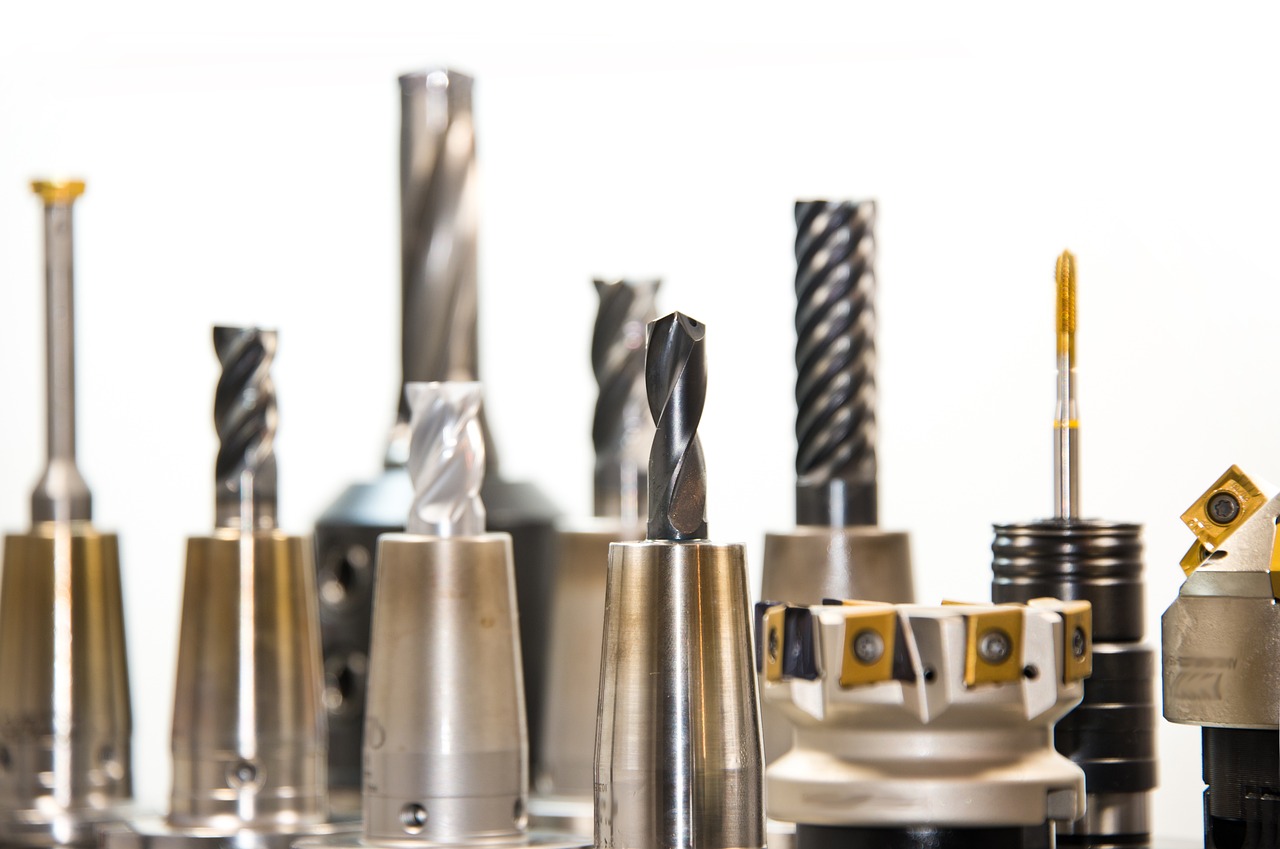
High spindle speed helps with small tools and plastics. Torque and rigidity help with stainless steel, titanium, and deeper cuts. The machine frame, spindle taper, tool holder quality, and vibration behavior all affect finish. A realistic cutting test on your material is better than a pretty brochure number.
Probing, Coolant, and Chip Control
Probing can shorten setup time and catch tool or fixture shifts early. Coolant filtration matters for small holes, clean surfaces, and stable tool life. Chip control matters too, especially in small pockets where chips recut and scratch the surface. Ask how the machine handles chips during a long cycle, not just during a ten-minute demo.
How Should Quality Records Follow the Milled Part?
Medical device customers care about evidence. The part may look perfect, but the record tells the story behind it. Since FDA’s QMSR now aligns 21 CFR Part 820 with ISO 13485:2016, your milling process should connect machine setup, inspection, material traceability, software control, and change history in a way that a quality team can review without detective work. (fda.gov)
Material Traceability and Certificates
Keep heat numbers, supplier certificates, purchase records, and receiving inspection results tied to the job. This is basic, but it is often where weak suppliers fail. If titanium, stainless steel, or plastic stock gets mixed, a correct dimension will not save the batch. Traceability also helps when a customer asks a question six months later.
Process Validation and Change Control
If a milled feature affects safety or performance, document the process route. That may include setup sheets, approved programs, tool lists, first-article inspection, and rules for tool replacement. FDA’s QMSR page also notes that after February 2, 2026, FDA uses an updated medical device manufacturer inspection program, which makes tidy records even more valuable during supplier review. (fda.gov)
Inspection Reports You Can Read
An inspection report should map clearly to the drawing. Ballooned drawings, measured values, gauge IDs, operator sign-off, and acceptance status reduce confusion. If a dimension fails, the report should show the decision path. Scrap, rework, concession, or engineering review should not be hidden in a comment that nobody can explain later.
FAQ
Q1: What Is the Main Benefit of a CNC Milling Machine for Medical Device Parts? A: The main benefit is repeatable precision. You can produce complex shapes, small batches, and validated production runs with better control than manual machining.
Q2: Is a 5-Axis CNC Milling Machine Always Better? A: No. A 5-axis machine helps with contoured faces and fewer setups, but a stable 3-axis or 4-axis machine may be better for simple plates, blocks, and fixtures.
Q3: What Materials Can Be Milled for Medical Devices? A: Common choices include titanium alloys, stainless steel, aluminum, PEEK, acetal, PMMA, and other qualified materials. The final choice depends on the device use, drawing, cleaning method, and biological evaluation needs.
Q4: How Do You Check CNC Milling Quality? A: Use first-article inspection, in-process checks, final inspection, material records, tool control, and clear nonconformance handling. Critical features may need CMM or surface finish measurement.
Q5: What Should You Ask a Supplier Before Ordering Milled Medical Parts? A: Ask about machine capability, material traceability, ISO 13485 experience, inspection tools, process records, change control, and examples of similar medical device components. A short factory conversation can reveal a lot.