How VMC Machining Innovations Are Redefining Toolpath Optimization Efficiency
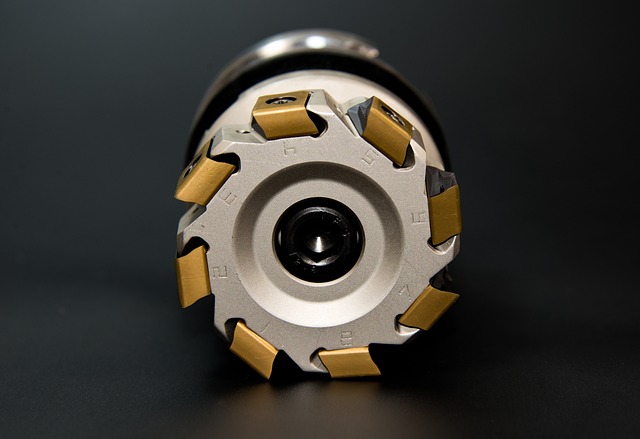
Researchers Develop Advanced Toolpath Strategies for VMC Machining Efficiency
Vertical Machining Centers (VMCs) are entering a new era of precision and adaptability. The convergence of high-speed spindles, multi-axis control, and intelligent automation has drastically changed how machining processes are designed and executed. Researchers are now focusing on toolpath optimization driven by artificial intelligence, adaptive control systems, and digital feedback loops. These developments not only increase machining efficiency but also extend tool life, reduce waste, and enhance surface quality. The future of VMC machining lies in integrating smart algorithms with sustainable manufacturing practices to achieve consistent performance across diverse materials.
Emerging Innovations in VMC Machining
The evolution of VMC machining is being shaped by rapid technological progress and digital transformation. Modern systems combine mechanical robustness with intelligent software capabilities that allow real-time adaptation to machining conditions.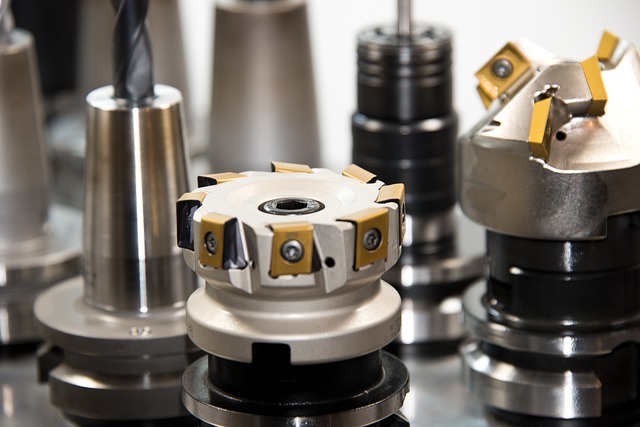
Technological Advancements Driving Modern VMC Systems
Recent improvements in VMC design emphasize the integration of high-speed spindles capable of exceeding 20,000 rpm while maintaining thermal stability. Multi-axis control allows complex geometries to be machined in a single setup, reducing repositioning time. Enhanced rigidity through improved casting structures and vibration damping materials contributes to better dimensional accuracy and smoother surface finishes. Adaptive control systems further refine these outcomes by monitoring cutting loads and adjusting feed rates instantly to prevent chatter or tool breakage.
The Role of Digitalization in VMC Machining Evolution
Digitalization has redefined how operators interact with machine tools. IoT-enabled sensors collect data from spindles, axes, and coolant systems for predictive maintenance scheduling before failures occur. Machine learning models analyze performance data to identify inefficiencies and suggest parameter adjustments automatically. Cloud-based analytics platforms connect multiple machines across facilities, providing comparative insights for continuous improvement in cycle times and energy use.
Redefining Toolpath Optimization Strategies
Toolpath generation has transitioned from static programming toward dynamic modeling that responds to material behavior and real-time process data. This shift enables faster machining without compromising part integrity.
Evolution of Toolpath Algorithms in VMC Operations
Traditional linear toolpaths are being replaced by adaptive algorithms that modify cutter engagement based on geometry complexity. AI-assisted planning minimizes non-cutting moves by calculating optimal transitions between passes. Feed rate optimization models maintain constant chip load across varying contours, balancing speed with precision even under irregular cutting conditions.
Advanced Simulation Techniques for Toolpath Validation
Virtual machining environments now simulate entire processes before physical execution. These simulations predict material removal rates, potential collisions, and tool wear progression over time. Real-time simulation feedback allows engineers to refine strategies instantly within CAD/CAM systems, creating a seamless bridge between design intent and manufacturing execution.
Efficiency Enhancement Through Smart Control Systems
Smart controls transform conventional CNC machines into self-learning platforms capable of adjusting operations autonomously based on sensor feedback.
Adaptive Feed and Speed Control Mechanisms
Closed-loop feedback mechanisms measure spindle load, vibration amplitude, and temperature to fine-tune speeds during cutting. Machine learning models forecast optimal spindle speeds under fluctuating loads, reducing cycle times while preserving accuracy within micrometer-level tolerances.
Energy-Efficient Machining Approaches in VMC Operations
Energy efficiency is becoming a strategic priority in machining centers. Intelligent scheduling reduces idle power consumption during tool changes or downtime periods. Regenerative braking systems capture kinetic energy during deceleration phases for reuse within the drive system. These practices align with ISO 14955 standards on environmentally conscious machine tools.
Material-Specific Toolpath Customization Techniques
Different materials demand distinct strategies to balance productivity with tool longevity. Researchers are applying data-driven customization to handle both hard metals and lightweight composites effectively.
Tailoring Toolpaths for Hard-to-Machine Materials
For titanium alloys or Inconel components, dynamic step-over adjustments help control heat buildup at the cutting zone. Multi-axis interpolation improves chip evacuation from deep cavities where traditional methods struggle. Coated carbide tools—optimized through simulation—extend lifespan under heavy-duty conditions.
Precision Optimization for Lightweight Alloys and Composites
Machining lightweight alloys like aluminum-lithium or carbon-fiber composites requires delicate engagement strategies to avoid delamination or fiber pull-out. Variable curvature paths distribute stress evenly along contours, reducing residual strain after finishing passes. Ultrasonic-assisted milling further enhances surface smoothness while minimizing burr formation.
The Integration of Artificial Intelligence in VMC Machining Optimization
Artificial intelligence is no longer experimental in machining—it’s embedded into every stage from planning to post-process inspection.
Predictive Analytics for Process Stability and Quality Control
AI-based predictive models detect early signs of chatter or deflection through vibration signatures captured by accelerometers. Real-time anomaly detection ensures consistent quality across production batches by flagging deviations before they affect output dimensions. Continuous learning algorithms refine future toolpaths automatically using accumulated production data.
Intelligent CAM Programming Enhancements
Modern CAM platforms feature automated feature recognition that identifies holes, pockets, or bosses directly from 3D models, accelerating programming cycles significantly. Knowledge-based CAM modules recommend suitable cutting strategies depending on material type or machine configuration while maintaining closed-loop communication with CNC controllers for adaptive correction during runtime.
Future Directions in VMC Machining Efficiency Research
The next phase of research focuses on merging additive manufacturing principles with subtractive precision while integrating robotics into shop-floor workflows.
Hybrid Manufacturing Systems Combining Additive and Subtractive Processes
Hybrid setups enable near-net-shape fabrication followed by precision milling within one platform, minimizing waste material removal. Synchronizing deposition paths with finishing operations allows smoother transitions between layers and final contours—ideal for aerospace or medical components requiring tight tolerances.
Collaborative Robotics and Automation in VMC Environments
Collaborative robots now handle repetitive tasks such as loading blanks or unloading finished parts without halting spindle operation. AI-coordinated robotic inspection uses vision sensors to verify dimensions immediately after machining, shortening quality assurance cycles. Human-machine collaboration fosters safer yet more productive environments where operators oversee multiple automated cells simultaneously.
FAQ
Q1: What makes modern VMC machining more efficient than traditional setups?
A: The combination of high-speed spindles, adaptive controls, and AI-driven toolpath optimization reduces cycle times while improving precision compared to older manual or semi-automatic systems.
Q2: How does IoT contribute to predictive maintenance in VMCs?
A: IoT sensors continuously monitor component health indicators like temperature or vibration levels to schedule maintenance before mechanical failure occurs.
Q3: Why is hybrid manufacturing gaining attention among researchers?
A: It merges additive layering with subtractive finishing in one workflow, cutting down material waste and setup time significantly.
Q4: Can AI fully replace human programmers in CAM operations?
A: Not entirely; AI accelerates repetitive tasks but still relies on expert oversight for complex geometry interpretation or special process requirements.
Q5: What sustainability measures are being applied to VMC operations?
A: Energy recovery systems, optimized idle management, and eco-friendly coolant recycling are becoming standard features aligned with green manufacturing guidelines such as ISO 14955.