Understanding Grano’s Plate Heat Exchanger: The Future of Industrial Cooling
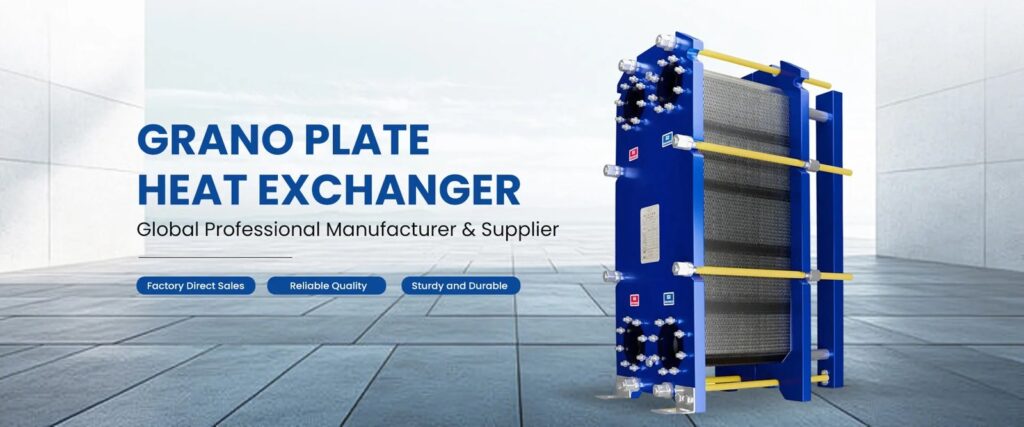
In the industrial machinery landscape, grano has emerged as a leading name, particularly when it comes to plate heat exchangers. These devices are crucial in transferring heat between fluids—an essential process in various industries, including chemical processing, HVAC, and marine applications. The demand for efficient heat exchange systems has never been higher, and Grano's innovations in this field represent a significant step forward.
The plate heat exchanger is a marvel of engineering that offers several advantages over traditional heat exchange systems. At its core, it consists of a series of thin, corrugated plates that create a network of channels for the fluids to flow through. This design maximizes the surface area for heat transfer, making the process highly efficient. Grano has taken this concept and pushed it further, introducing enhancements that cater to the specific needs of modern industries.
One of the standout features of Grano's plate heat exchangers is their compact size. In industries where space is at a premium, such as on marine vessels or in urban industrial settings, the ability to install powerful heat exchange systems without requiring extensive space is invaluable. Grano's units are designed to deliver maximum performance while occupying minimal space, making them ideal for a wide range of applications.
In addition to their compact size, Grano's plate heat exchangers are known for their ease of maintenance. The design allows for easy access to the plates, which can be removed and cleaned without the need to dismantle the entire unit. This is a significant advantage in industrial settings where downtime can be costly. Regular maintenance is crucial to ensure that the heat exchanger operates at peak efficiency, and Grano has made this process as straightforward as possible.
Efficiency is another area where Grano's plate heat exchangers excel. The corrugated plate design creates turbulence as the fluids pass through, enhancing heat transfer efficiency. This means that less energy is required to achieve the desired temperature change, resulting in lower operational costs. In an era where energy efficiency is becoming increasingly important, this is a critical benefit for any industry looking to reduce its carbon footprint and operational expenses.
Grano has also prioritized durability in their design. Industrial environments can be harsh, with exposure to corrosive substances and extreme temperatures. Grano's plate heat exchangers are constructed from materials that are resistant to corrosion and wear, ensuring a long service life even in challenging conditions. This durability translates into a lower total cost of ownership, as the need for replacements is minimized.
A notable innovation in Grano's plate heat exchangers is the inclusion of advanced sealing technology. The seals are a critical component, ensuring that the fluids do not mix and that the exchanger operates safely and efficiently. Grano has developed seals that are not only more durable but also easier to replace, further reducing maintenance time and costs.
In the marine industry, where space and weight are significant constraints, Grano's plate heat exchangers have proven to be particularly advantageous. Marine heat exchangers need to withstand the rigors of the sea, including corrosion from saltwater and constant movement. Grano has tailored their products to meet these challenges, providing robust solutions that keep marine engines and systems running smoothly.
For industries involved in chemical processing, the ability to handle a variety of fluids, including aggressive chemicals, is essential. Grano's plate heat exchangers are designed to accommodate a wide range of fluids without compromising on performance. This versatility makes them a preferred choice for companies looking to streamline their operations and enhance productivity.
The plate and frame heat exchanger is another variant that Grano offers, combining the benefits of plate heat exchangers with additional flexibility. This type allows for easy expansion by adding more plates, making it an ideal solution for growing industries that require scalable heat exchange solutions. The plate and frame design is also beneficial in applications where varying heat loads are a factor, providing the adaptability needed to handle changing conditions.
Grano's commitment to innovation is evident in their approach to product development. They invest heavily in research and development to ensure that their products remain at the forefront of technology. This focus on innovation means that customers can rely on Grano to provide cutting-edge solutions that meet the evolving needs of the industry.
Another key factor that sets Grano apart is their customer support. Understanding that each industry has unique requirements, Grano offers tailored solutions and expert advice to ensure that their heat exchangers are perfectly suited to the task at hand. This customer-centric approach has earned them a reputation for reliability and trustworthiness in the industrial machinery sector.
Looking to the future, Grano is poised to continue leading the way in heat exchange technology. As industries face increasing pressure to enhance efficiency and reduce environmental impact, Grano's plate heat exchangers offer a viable path forward. Their products not only meet current demands but are also designed with future challenges in mind, ensuring that they remain relevant as technology and industry standards evolve.
In summary, Grano's plate heat exchangers represent a blend of innovation, efficiency, and reliability. Their compact design, ease of maintenance, and energy efficiency make them an attractive option for a wide range of industries. By addressing the specific needs of sectors such as marine, chemical processing, and urban industrial applications, Grano has established itself as a leader in the field. As businesses continue to seek ways to optimize their operations and reduce costs, Grano's plate heat exchangers provide a compelling solution that meets these goals while also preparing them for future challenges.