How Do You Choose the Best Stainless Steel Tube Bender for Clean, Repeatable Bends?
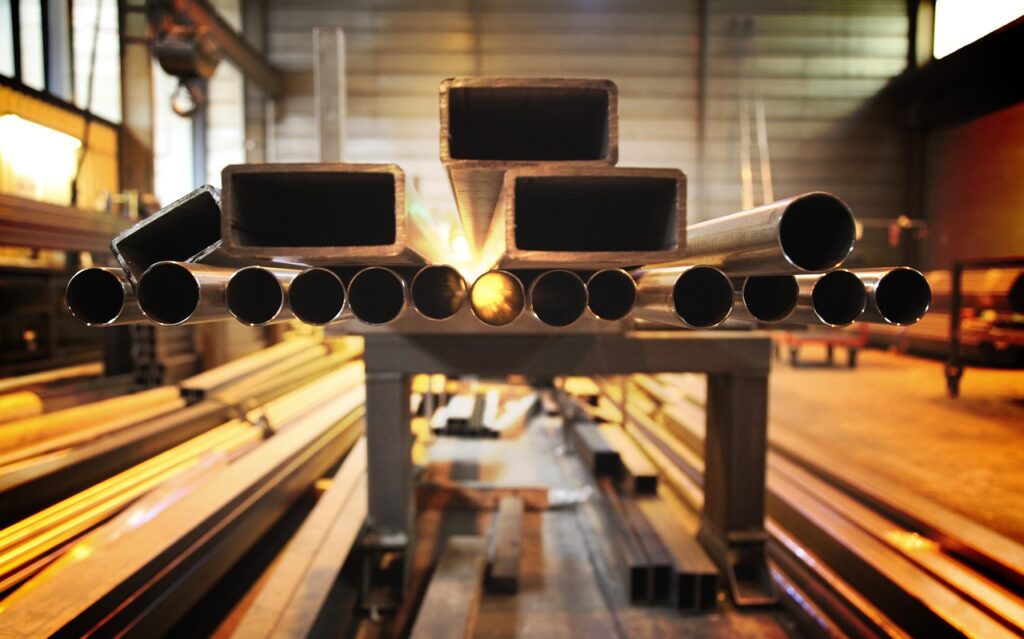
Why Does a Stainless Steel Tube Bender Matter for Clean, Repeatable Bends?
A stainless steel tube bender turns straight tube into handrails, fluid lines, exhaust parts, heat exchanger components, and frame members. If stainless tubing is part of your regular work, the right machine saves setup time and cuts scrap. For more material selection notes, you can also browse the Materials section before you lock a design.
Round Tube Shape With Less Flattening
Stainless tube may look rigid, but it can still flatten on the outside of a tight bend or wrinkle on the inside. A proper bender supports the tube while the force moves around the bend die. That support is more important when the wall is thin, the radius is small, or the tube has a polished finish.
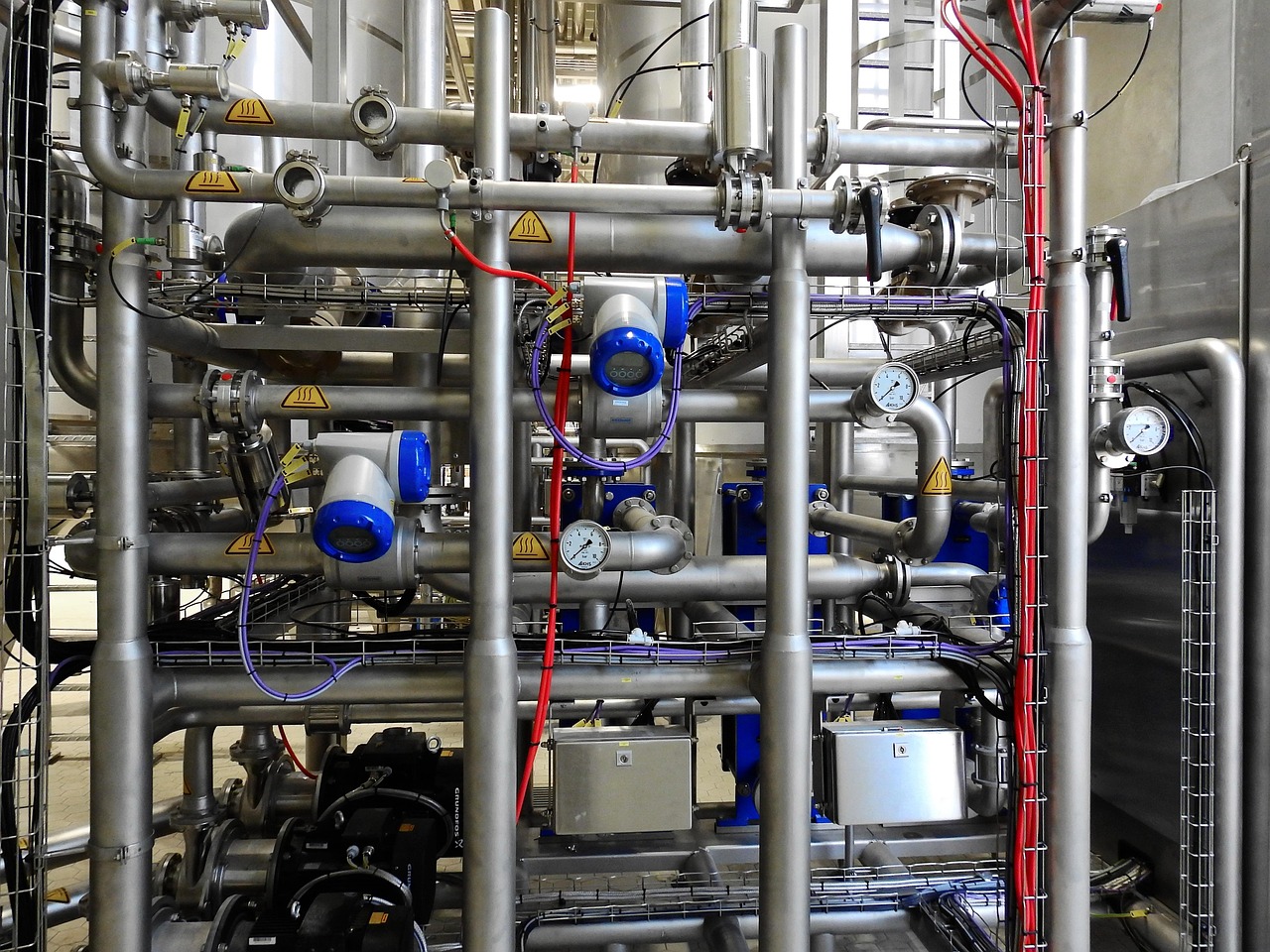
Better Fit-Up for Welded Assemblies
Poor bends make welding work slower. One leg ends up short, the angle is out by two degrees, and a fixture that worked yesterday no longer lines up. A controlled bend gives steadier centerline radius and straighter tangent sections. It also makes fit-up easier before TIG welding, brazing, or mechanical joining.
Lower Scrap When Angles Repeat
Repeat jobs are where a good bender starts to pay back. If you need 300 stainless guardrail elbows or a batch of sanitary tube frames, fixing every bend by hand is not a real production plan. Repeatable stops, correct tooling, and sample bend records reduce scrap in a direct shop-floor way.
Which Stainless Steel Tube Data Should You Check Before Bending?
Before choosing a machine, check the tube first. Stainless steels do not all bend in the same way. Worldstainless explains that each stainless grade has its own mechanical and physical properties and is usually made to a national or international specification. That basic point affects most bending decisions.
Grade and Condition on the Mill Test Report
Start with the mill test report, not only the label on the bundle. 304, 304L, 316, 316L, 321, and duplex grades can need different force, springback allowance, and tooling care. For example, common ASTM A269 TP304 property tables list minimum yield strength around 205 MPa and minimum elongation around 35 percent, but the actual batch data should still be checked.
Outside Diameter, Wall Thickness, and Seam Type
Tube outside diameter and wall thickness set the basic difficulty of the job. A 25.4 mm tube with a 1.2 mm wall does not behave like a 25.4 mm tube with a 2.0 mm wall. Seamless tube, welded tube, and welded drawn tube can all bend well when the setup is right. Even so, seam location and tube roundness still need attention before trial bending.
Bend Radius and Straight Length
The British Stainless Steel Association says centerline bend radii of 2 times the tube diameter are generally considered a minimum for stainless materials. So, a 25.4 mm outside diameter tube points to about a 50.8 mm centerline radius as a practical starting point. Tighter bends may be possible, but tooling cost and scrap risk usually rise quickly.
Which Bending Method Fits Your Stainless Steel Tube?
No single bending method suits every stainless tube job. The right choice depends on radius, appearance, quantity, and tolerance. A small maintenance job may be fine with a hand bender. A furniture frame, medical cart, or process tube assembly usually needs a controlled machine and a clear record of bend data.
Rotary Draw Bending for Tight Repeatable Work
Rotary draw bending clamps the tube and pulls it around a fixed-radius die. BSSA guidance notes that stainless tubes can be bent satisfactorily on rotary bending machines. This method is common for handles, frames, exhaust parts, and fluid lines because the bend radius comes from the die, not from operator guesswork.
Mandrel Support for Thin Wall Tubes
Mandrel bending uses support inside the tube during the bend. It is a good choice when the tube wall is thin, the bend is tight, or the finished part must keep a round section. Ball mandrels, plug mandrels, and wiper dies help control wrinkles and ovality. Setup takes more time, but the first good sample often explains why the extra work was needed.
Roll Bending for Large Radius Parts
Roll bending is used for large sweeping curves, such as railings, rings, arcs, and architectural parts. It is usually not the first choice for short 90 degree bends close to a fitting. If the drawing shows a broad stainless tube curve with a smooth visual line, roll bending may be simpler and easier on the material.
How Do Tooling and Machine Setup Change the Result?
Many bending problems get blamed on the tube, but tooling is often the real cause. A worn bend die, dirty clamp block, or badly placed wiper die can ruin good material. Swagelok tube bending guidance, accessed in July 2026, lists bend radius, wall thickness limits, and minimum straight length as key setup data for benders.
Matched Dies and Clean Contact Surfaces
The bend die, clamp die, pressure die, and wiper die should match the tube outside diameter. Stainless also picks up marks easily. A small chip stuck in a die can leave a line on polished tube. Sometimes nobody notices it until final inspection under strong light, so contact faces should be kept clean and smooth.
Correct Clamp Pressure and Wiper Position
Too little clamp pressure lets the tube slip during bending. Too much pressure can mark the tube or crush it slightly. Wiper die position is just as sensitive on thin wall stainless. If it sits too far back, wrinkles can appear on the inside radius. If it sits too close, tooling wear can become expensive.
Trial Bends With Measured Springback
NIST has described springback prediction as a matter tied to material properties and plastic strain. On the shop floor, the process is simple: bend a sample, measure the relaxed angle, and record the correction. A 90 degree target may need a few extra degrees on the machine. This is more likely with harder stainless or larger radii.
What Quality Checks Help You Avoid Costly Rework?
Quality control for bent stainless tube should be simple enough for operators to use during the shift. Do not wait until a full batch is finished before checking the first part. A five-minute check beside the bender can save hours of cutting, re-bending, and difficult calls with a customer. See also: Machines.
Angle, Centerline Radius, and Leg Length
Check the bend angle with a reliable gauge or fixture. After that, confirm centerline radius and tangent leg length. In tube work, a good-looking bend can still be wrong if the straight section after the bend is too short. That short leg may leave no room for a ferrule, flange, clamp, or welded joint.
Ovality, Wrinkles, and Surface Marks
Look at the tube section after bending, not only the angle. Too much ovality can affect flow, appearance, and assembly fit. Wrinkles on the inside radius usually point to poor support or a bend that is too aggressive for the setup. Surface marks may come from dirty tooling, poor lubrication, or die material that does not suit finished stainless tube.
Fit Tests Before Full Production
Use a real fixture or mating part before releasing the batch. Digital measurements help, but a physical fit test catches simple mistakes fast. A common case is a tube that meets angle tolerance but rotates slightly out of plane. It looks acceptable on a table, then refuses to bolt into the frame.
How Should You Compare Suppliers Before You Buy?
When comparing stainless tube bending machines, do not buy only by headline capacity. A machine that looks strong on paper may not suit your smallest tube, shortest tangent, or best-looking finish. Ask the supplier to prove the setup with your material, or with a tube that is very close to it.
Capacity Range and Real Sample Bends
Ask for sample bends in the same outside diameter, wall thickness, grade, and radius you plan to run. Check whether the machine can handle both your current part and the next likely size. Some extra capacity is useful, but an oversized setup can feel awkward for small precision tube. The sample bend will tell you more than a capacity chart.
Safety Features and Operator Training
OSHA machine safeguarding material lists tubing benders among equipment that uses bending action and warns that guards should protect operators without creating new hazards. Look for guarded pinch areas, clear controls, emergency stops, and safe foot pedal placement. Training materials also matter because a new operator should not need to guess the safe way to run the machine.
Spare Parts, Maintenance, and Documentation
Good documentation is not exciting, but it keeps production moving. It also helps the next operator repeat the same setup without starting from zero. Compare the supplier on these points:
- Available bend dies, clamp dies, pressure dies, mandrels, and wiper dies for stainless tube sizes.
- Clear maintenance steps for lubrication, alignment checks, hydraulic service, and wear parts.
- Machine records that help you repeat bend angles, springback settings, and job setup notes.
Also ask how fast replacement tooling ships. A machine waiting two weeks for a small die is not really a low-cost machine.
FAQ
Q1: What Is the Best Stainless Steel Tube Bender for 304 Tube? A: For repeatable 304 stainless tube parts, a rotary draw bender is often the best starting point. If the wall is thin or the radius is tight, choose mandrel support and matched tooling.
Q2: Can You Bend 316 Stainless Tube Without a Mandrel? A: Yes, if the radius is generous and the wall is thick enough. For tight bends, polished surfaces, or low ovality requirements, mandrel bending gives safer results.
Q3: What Minimum Bend Radius Should You Use for Stainless Tube? A: A common public guideline from the British Stainless Steel Association is about 2 times tube diameter as a minimum centerline radius for stainless materials. Confirm by trial bends because grade, wall, and tooling change the result.
Q4: Why Does Stainless Tube Spring Back After Bending? A: Springback happens because elastic stress remains after forming. Harder material, larger radius, and different stainless grades can change the amount, so record test bends before production.
Q5: What Should You Send a Supplier Before Buying a Tube Bender? A: Send tube grade, outside diameter, wall thickness, bend radius, bend angle, surface finish, yearly quantity, and sample drawings. Better yet, ask for a test bend before purchase.


