Why Is Machining Stainless Steel So Hard for Medical Device Parts?
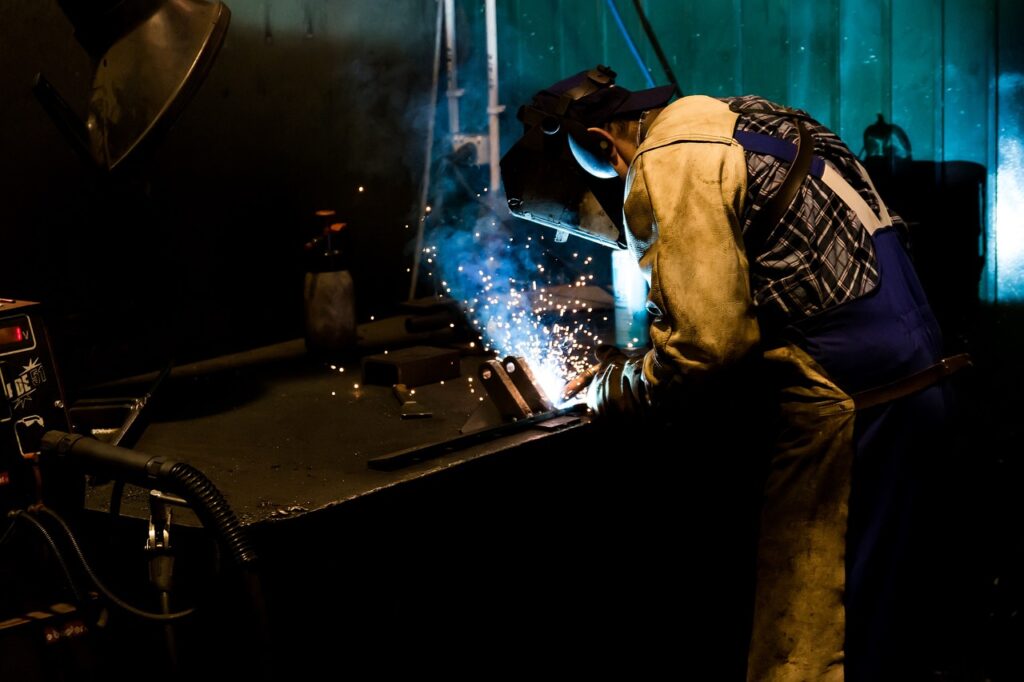
Why Is Machining Stainless Steel So Hard for Medical Device Parts?
Machining stainless steel is often where a clean medical device design meets shop-floor reality. The material resists corrosion, handles repeated cleaning, and looks simple on a drawing, yet it can work harden, hold heat at the cutting edge, and create stubborn burrs. If you are comparing medical device materials, stainless steel deserves close attention before the first quote, not after the first batch fails inspection.
The stakes are real. The FDA says its product classification database covers more than 6,000 regulated device types, while the World Stainless Association reported 64.2 million tonnes of stainless steel melt shop production in 2025. That wide use does not mean every stainless grade, bar lot, or surface condition fits a medical part. The right process has to match the part’s clinical role, cleaning exposure, tolerance stack, and risk level. (fda.gov)
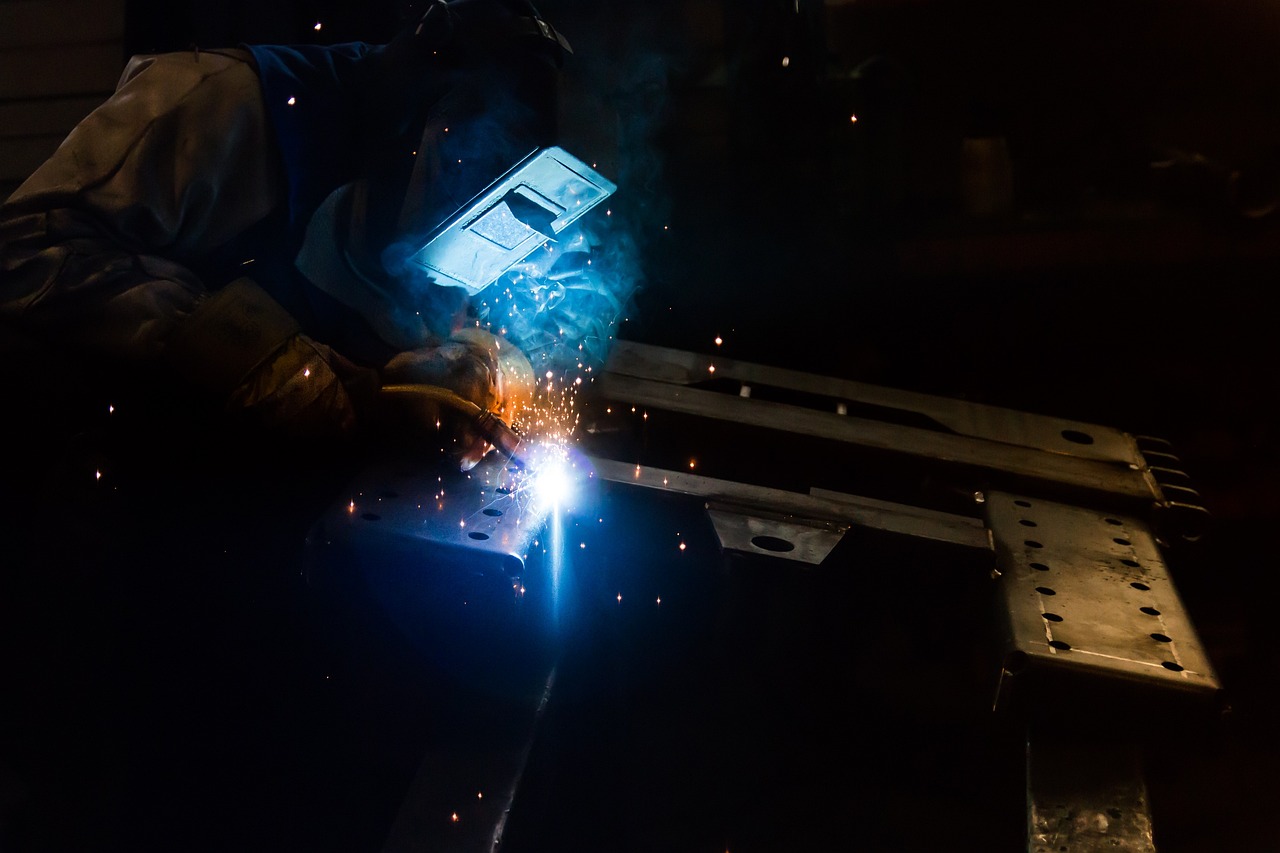
Why Does Stainless Steel Behave Differently in the Cut?
Stainless steel is not just harder mild steel. Its chemistry gives it corrosion resistance, but the same chemistry affects chip flow, heat, and tool wear. On a small cannula fitting or reusable instrument component, that difference can show up as chatter marks, a torn thread crest, or a burr tucked inside a cross-hole where nobody wants to find it later.
Chromium Rich Passive Surface
A U.S. International Trade Commission report describes stainless steel as an iron alloy containing at least 10.5 percent chromium and no more than 1.2 percent carbon. The same report lists common grade 316 chemistry at 16 to 18 percent chromium, 10 to 14 percent nickel, and 2 to 3 percent molybdenum; grade 304 has 18 to 20 percent chromium and 8 to 10.5 percent nickel. Those numbers explain the corrosion story, but they also hint at why the material feels gummy during cutting. (usitc.gov)
Low Thermal Conductivity Near the Edge
During cutting, heat does not leave the zone as easily as it does in plain carbon steel. NIST publishes thermal property data for 316 stainless, and the British Stainless Steel Association notes that low thermal conductivity in austenitic grades restricts heat flow away from machined faces. In plain shop language, the tool gets punished. If a surface turns straw, brown, or blue, that heat tint is not cosmetic noise; it can signal a corrosion problem on a finished part. (trc.nist.gov)
Fast Work Hardening in Austenitic Grades
Grades such as 304 and 316 can harden right where the tool rubs. The British Stainless Steel Association describes these common austenitic grades as having high work-hardening rates and poor chip-breaking behavior. Seco Tools also links stainless tool wear to strain hardening and poor heat conduction. That is why light, hesitant passes can be worse than a confident cut. The tool skims, the surface hardens, and the next pass has a bad day. (bssa.org.uk)
Which Stainless Steel Grades Fit Medical Device Machining?
Grade choice should start with function, not habit. Ask where the part goes, what it touches, how it is cleaned, and whether the customer drawing names a standard. A bracket inside diagnostic equipment has a different risk profile than a temporary implant trial component or a reusable surgical instrument.
316L for Corrosion Sensitive Parts
316L is common when corrosion resistance matters, especially around cleaning chemicals, body-contact designs, and chloride exposure. For implant-related work, the paperwork becomes stricter. ISO 5832-1:2024 specifies wrought stainless steel for surgical implants and states that the alloy corresponds to UNS S31673 in ASTM F138 and ASTM F139. So, plain commercial 316L is not automatically implant-grade 316L. Mill certification, chemistry, mechanical properties, and traceability have to agree with the drawing. (iso.org)
304 and 304L for General Hardware
304 and 304L can work well for housings, handles, fixtures, shields, and non-implant hardware. They are often easier to source than more specialized grades and may machine slightly less stubbornly than 316L because they do not carry the same molybdenum content. Still, do not treat 304 like free-cutting steel. Use sharp tools, keep the feed steady, and plan deburring early if the part has slots, threads, or small drilled features.
17-4 PH for Strong Precision Components
17-4 PH stainless can be useful when strength, stiffness, and dimensional stability after heat treatment matter. It often appears in precision components, instrument parts, and structural medical hardware. The catch is process order. A shop may rough machine, heat treat, then finish critical features. If you ignore heat-treatment movement, a tight bore or flatness callout can drift out of range. It sounds fussy, but that planning saves real scrap.
How Should You Set Speeds, Feeds, and Tooling?
There is no universal feed and speed chart that fits every machine, insert, coolant system, and lot of stainless bar. Good machining stainless steel practice begins with the material group, then gets tuned by feature size, tool reach, setup rigidity, and inspection feedback. The goal is simple: cut cleanly, move heat away, and avoid rubbing.
Sharp Carbide Tools With Positive Geometry
Dedicated stainless tooling usually pays for itself. Seco Tools recommends robust tooling, tough carbide grades, and sharp geometries for stainless steel because work hardening and heat can chip or crack weaker edges. A positive rake, polished flute or insert face, and reliable edge prep help the chip leave instead of welding to the edge. For tiny medical parts, tool runout matters too. A small eccentricity can turn one flute into the whole cutter.
Enough Feed to Cut Below the Hardened Layer
One common mistake is babying stainless. Too little feed lets the edge rub, and rubbing creates a hardened skin. A better approach is a stable feed that lets the edge bite below the previous pass. Avoid dwell marks, spring passes that do nothing, and long tool overhangs. When drilling, use a sharp drill, good peck control where needed, and enough coolant to clear chips before they pack in the hole.
Coolant Delivery That Clears Heat and Chips
The British Stainless Steel Association says cutting fluids are essential when machining stainless steels, partly because deeper cuts and higher feeds are used to overcome work hardening. It also notes that cooling becomes more important at faster cutting speeds. Flood coolant can work, but directed coolant is better when holes, grooves, or parting cuts trap chips. Dry cutting may look clean for a short trial. On production parts, the tool often tells a different story.
What Surface Finish and Cleanliness Risks Matter Most?
For medical device components, a dimension can pass while the surface still fails the job. Burrs, embedded iron, heat tint, oil residue, and rough internal edges can affect cleaning, assembly, and corrosion behavior. A tiny burr is not a tiny problem if it sits in a fluid path or near a sealing surface. See also: Machines.
Burr Control Around Small Medical Features
Stainless burrs can be strong and springy. Cross-holes, micro-slots, luer-related features, threaded ports, and thin walls need a deburring plan before production starts. That plan may include toolpath changes, edge-break tools, abrasive flow, brushing, electropolishing, or manual inspection under magnification. The best method depends on geometry. Do not assume a final tumble will reach a deep internal corner.
Passivation After Cutting Fluid Removal
After machining, stainless parts need proper cleaning. The British Stainless Steel Association states that cutting fluid traces should be removed so stainless surfaces can self-passivate. ASTM A967 covers chemical passivation treatments for stainless steel parts, including nitric acid, citric acid, and electrochemical options, while ASTM A380 covers cleaning, descaling, and passivation practices. The chosen route should match the drawing, customer specification, and validation plan. (bssa.org.uk)
Traceability From Bar Stock to Finished Part
Medical device work needs more than a nice surface. Keep heat numbers, mill certificates, process travelers, inspection records, passivation certificates, and lot segregation clear. The FDA notes that regulatory requirements depend on device classification and other factors under Title 21. A machine shop may not own the whole regulatory file, but its records can make or break a customer’s submission, audit, or complaint investigation.
How Can You Reduce Cost Without Hurting Quality?
Stainless steel cost is not only the bar price. Cycle time, tool wear, scrap, cleaning, inspection, and documentation all matter. There is no reliable public cost multiplier that fits every stainless medical component. A responsible quote needs the drawing, annual volume, tolerance class, surface finish, grade, and acceptance criteria.
Grade Choice Before Process Choice
Start by asking whether the selected grade is truly needed. If 316L is specified for corrosion or customer standard reasons, stay with it. If the part is a dry internal bracket, 304L may be enough. Avoid jumping to free-machining 303 just because it cuts nicely; sulfur additions help chip breaking but can hurt corrosion resistance and may not fit medical surface expectations.
Design Details That Shorten Cycle Time
Small design changes can save hours over a production run. Use practical corner radii, avoid extreme depth-to-diameter holes when possible, keep walls thick enough to resist chatter, and give deburring tools access. If a 0.2 mm edge break is acceptable, say it clearly. If an internal burr is forbidden, say that too. Vague drawings make expensive stainless parts even more expensive.
Inspection Plans Matched to Part Risk
Do not inspect every feature the same way. Critical bores, sealing faces, implant-contact surfaces, and assembly datums may need CMM checks, surface roughness readings, visual inspection, or passivation verification. Lower-risk clearance features may only need sampling. This risk-based plan helps control cost while still protecting the features that matter most.
FAQ
Q1: Is Machining Stainless Steel Better Than Aluminum for Medical Device Parts? A: It depends on the part. Stainless steel offers better corrosion resistance, strength, and cleaning durability, while aluminum is lighter and usually easier to machine. For reusable or fluid-contact medical parts, stainless often makes more sense.
Q2: Why Is 316L Stainless Steel Common in Medical Device Machining? A: 316L has low carbon content and molybdenum, which help corrosion resistance. For implant-related parts, check whether the drawing requires implant-grade material such as ISO 5832-1 or ASTM F138 related chemistry and documentation.
Q3: What Causes Work Hardening During Stainless Steel Machining? A: Work hardening happens when the cutting edge rubs or deforms the surface instead of shearing a clean chip. Low feed, dull tools, dwell, poor rigidity, and weak coolant flow can make it worse.
Q4: Does Stainless Steel Always Need Passivation After Machining? A: Many medical stainless parts do require cleaning and passivation, but the exact method should follow the drawing, purchase order, and customer specification. At minimum, cutting oil and shop contamination should not remain on the finished surface.
Q5: How Can You Get a Better Quote for Machined Stainless Steel Parts? A: Send the grade, drawing, 3D model, tolerance notes, annual volume, surface finish needs, inspection requirements, and any passivation or material certification standard. Clear inputs reduce quote padding and production surprises.