Anodised metal explained for manufacturing engineers
What anodised metal means in manufacturing
Anodised metal is metal treated by an electrolytic process that grows a controlled oxide layer on its surface. In manufacturing, the term most often refers to anodised aluminium, although titanium, magnesium and several other reactive metals can also be anodised for specific purposes.
Engineers usually specify anodising to improve surface durability, corrosion resistance and appearance without adding a paint-like film that can peel away. The oxide is formed from the base metal itself, so it is tightly integrated with the surface. That makes anodising useful for machined aluminium parts, extrusions, housings, panels, brackets, handles, nameplates and components that need a clean finish with practical protection.
In practice, buyers, designers and process engineers need more than a definition. They need to know whether anodising is suitable for a part, what it can and cannot do, and how to describe it clearly on a drawing or purchase order. The key point is straightforward: anodising is a surface engineering process, not a substitute for good alloy selection, part design, cleaning, sealing or inspection.
How the anodising process works
Anodising uses controlled electrochemistry. The workpiece is connected as the anode in an electrolyte bath, while a cathode completes the electrical circuit. When current flows, oxygen combines with the metal surface and grows an oxide layer. For aluminium, that layer is aluminium oxide. Industry references such as ASM International describe the finished anodic oxide as a controlled cellular structure whose properties depend on electrolyte chemistry, voltage, current density, temperature and processing time.
A typical aluminium anodising route includes several stages:
- Cleaning and degreasing. Oils, fingerprints, coolants and shop contamination must be removed because anodising reveals many surface defects rather than hiding them.
- Etching or brightening. Chemical pretreatment can create a matte surface, reduce minor machining marks or prepare a decorative finish. The selected pretreatment has a strong effect on the final appearance.
- Desmutting or deoxidising. Alloying elements and residues are removed so the surface reacts more consistently in the anodising bath.
- Anodising. The oxide layer is grown under controlled electrical and chemical conditions. Sulfuric acid anodising is widely used for decorative and protective aluminium finishes, while hard anodising uses conditions designed for thicker, more wear-resistant coatings.
- Colouring, if required. Porous anodic films can accept dyes or electrolytic colour processes. Clear anodising skips this step but still forms a protective oxide layer.
- Sealing. Sealing reduces the absorptive character of the pores and improves resistance to staining and corrosion. Standards such as ASTM B580-25 state that anodised parts should be sealed unless otherwise specified.
Because the process grows oxide into and out of the surface, it can affect dimensions. This matters for threaded holes, precision bores, sliding fits and masked surfaces. Designers should define which areas require anodising, which areas must remain conductive or dimensionally unchanged, and whether any post-anodising machining is acceptable.
Metals and alloys suited to anodising
Aluminium is the dominant material for anodised metal parts because it naturally forms a protective oxide and responds well to controlled anodic oxidation. Aluminium extrusions, CNC-machined parts, sheet metal panels and cast components can all be anodised, but they do not all anodise in the same way. Alloy chemistry, temper, heat treatment, grain structure and surface preparation influence colour, gloss, coating uniformity and corrosion performance.
High-purity aluminium and many wrought alloys are easier to finish consistently than some cast alloys with high silicon content. Highly alloyed grades may show darker colour, streaking, mottling or reduced dye uniformity. That does not always mean the process has failed; it may reflect the base material. For visible parts, the alloy should be selected with finishing in mind before tooling, machining or extrusion orders are placed.
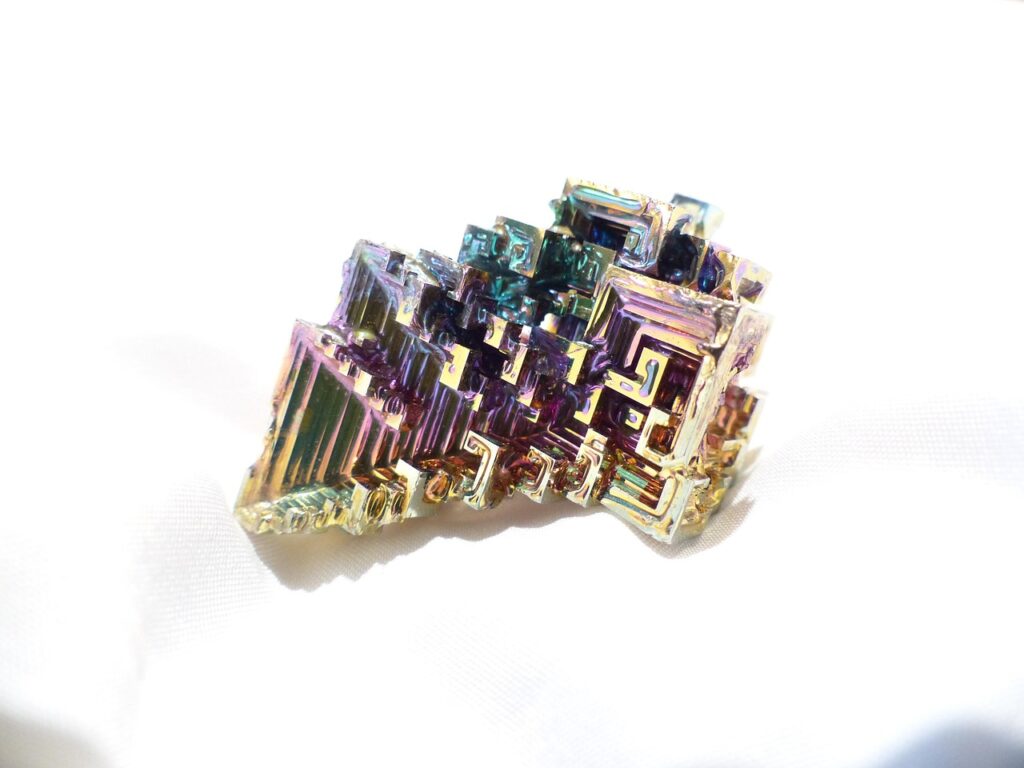
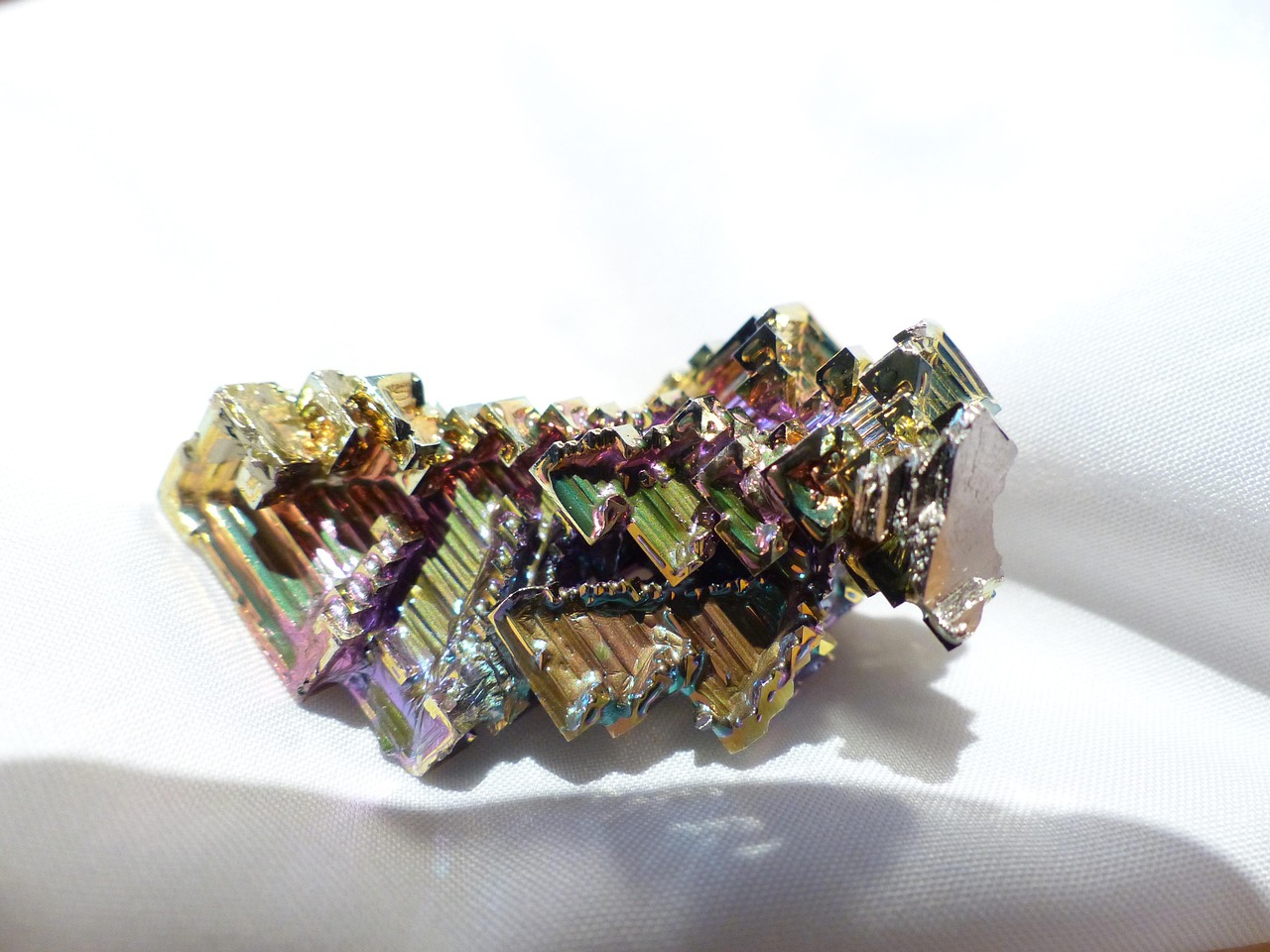
Titanium anodising is also common in selected applications, especially where colour identification, biocompatibility or decorative colour is useful. Its colours often come from oxide thickness and light interference rather than absorbed dye. Magnesium can be anodised, but it requires specialised controls and is less common in general industrial supply chains. Carbon steel and stainless steel are usually not described as anodised in the same practical sense as aluminium; they are more commonly protected by plating, passivation, conversion coatings, painting or other surface treatments.
Performance benefits and practical limits
Anodising is attractive because it combines functional and visual benefits in one process. It can increase surface hardness, improve abrasion resistance, provide better corrosion resistance after proper sealing, support colour finishes and create a non-conductive oxide layer. However, it is not a universal finish. Final performance depends on coating type, thickness, sealing quality, part geometry, alloy and service environment.
| Requirement | How anodised metal can help | Important limitation |
|---|---|---|
| Corrosion resistance | Sealed aluminium oxide improves protection in many atmospheric and indoor service conditions. | Strong alkaline exposure, poor sealing, damaged edges or unsuitable alloys can reduce protection. |
| Wear resistance | Hard anodising can provide a tougher surface for sliding, handling and abrasion-prone parts. | It is not the same as a thick hard chrome or thermal spray coating for severe wear. |
| Appearance | Clear, dyed, matte and brushed effects can produce durable decorative finishes. | Colour can vary by alloy, batch, coating thickness and viewing conditions. |
| Electrical behaviour | The oxide layer is electrically insulating and can be useful where surface isolation is desired. | Contact points, grounding areas and threaded electrical interfaces may need masking or secondary operations. |
| Dimensional control | Coating thickness can be specified and measured under recognised standards. | Growth changes dimensions, so tight fits and threads need allowance. |
A common mistake is treating anodising as a cosmetic afterthought. If the part has sharp edges, deep recesses, blind holes, trapped cleaning fluid, mixed alloys, welds or inconsistent machining marks, the finish may not look uniform. Good anodising outcomes start before the anodising tank: drawing notes, alloy choice, machining method, racking contact points and packaging all affect the result.
Standards and specification points that matter
Formal specifications reduce ambiguity between designers, buyers, machine shops and finishing suppliers. ISO 7599:2018 covers methods for specifying decorative and protective anodic oxidation coatings on aluminium and aluminium alloys. ISO 10074:2021 addresses hard anodic oxidation coatings for engineering use. ASTM B580-25 covers porous anodic oxide coatings on aluminium, and MIL-PRF-8625 is widely referenced for non-architectural aluminium and aluminium alloy parts in defence and aerospace-style procurement. The right standard depends on market, end use, customer requirement and inspection expectations.
A useful anodising callout should define more than a colour. At minimum, consider including:
- Base metal alloy and temper.
- Anodising type or standard reference.
- Required coating thickness or coating class.
- Clear or coloured finish, including acceptable colour range.
- Sealing requirement and any reason sealing should be omitted.
- Areas to mask, acceptable rack marks and surfaces that must remain conductive.
- Critical dimensions before and after anodising.
- Inspection method for thickness, appearance, sealing quality, corrosion resistance or abrasion resistance.
- Packaging requirements to prevent scratching after finishing.
For regulated or high-reliability industries, specification control is not only a quality issue. Chromic acid anodising and other chromium-related surface treatments are subject to strict health, safety and environmental controls in many jurisdictions. Public information from OSHA, the U.S. EPA and European REACH-related bodies helps explain why aerospace and defence supply chains often require formal authorisation, substitution planning or verified process controls when hexavalent chromium compounds are involved. For general industrial parts, many buyers prefer sulfuric acid anodising or other non-chromic systems when they meet performance requirements. See also: Machines.
Choosing anodised metal against alternative finishes
Anodising should be compared with other finishes by function, not appearance alone. Powder coating can provide a wide colour range and good barrier protection, but it is a separate polymer coating and can chip differently. Electroplating can add metallic properties that anodising cannot provide, but it changes the surface system and may introduce different adhesion, masking and regulatory issues. Chemical conversion coatings can be thinner and more electrically conductive than anodising, which is useful for some electronic housings, but they usually do not provide the same wear resistance as a robust anodic oxide.
For aluminium parts that need a durable, clean, moderately corrosion-resistant finish with controlled appearance, anodising is often a strong candidate. For parts that require exact corporate colours, heavy impact resistance, electrical continuity across the whole surface or repairable field coating, another finish may be better. The decision should account for the full service environment: temperature, UV exposure, cleaning chemicals, salt spray, abrasion, assembly handling and possible galvanic contact with other metals.
Cost also depends on design. A simple aluminium extrusion with a consistent alloy and accessible surfaces is generally easier to anodise than a complex machined assembly with blind cavities, welded joints and tight masked areas. Early design review can reduce finishing defects, rework and disputes over appearance.
Design and procurement checklist
Before specifying anodised metal, engineers and buyers should connect the finish to a measurable need. If the goal is appearance, define gloss, colour range and acceptable variation. If the goal is wear resistance, define the contact condition and whether hard anodising is required. If the goal is corrosion protection, define the environment and sealing requirement. If the goal is electrical insulation, identify contact points that must be masked or cleaned later.
The following checklist is a practical starting point for drawings and purchase orders:
- Choose an aluminium alloy known to anodise acceptably for the intended appearance and performance.
- Avoid specifying critical cosmetic surfaces across welded, cast and wrought sections unless variation is acceptable.
- Add radii or break sharp edges where possible, because edges are more vulnerable to damage.
- Confirm how much coating growth can be tolerated on threads, bores, slots and mating faces.
- Mark hidden rack contact areas if cosmetic appearance is important.
- Do not rely on colour names alone; provide samples or controlled colour limits for visible parts.
- Specify sealing unless an engineering reason requires an unsealed coating.
- Plan packaging so finished parts do not rub against each other during transport.
For related surface treatment and manufacturing topics, browse the Processes section. Anodising is only one part of the wider manufacturing process chain, but it is a finish that rewards early planning because it reflects the metal, machining and cleaning history beneath it.
Frequently asked questions
Is anodised metal always aluminium?
No. Aluminium is the most common anodised metal in industrial manufacturing, but titanium, magnesium and other reactive metals can also be anodised under suitable processes. In everyday manufacturing discussions, however, “anodised metal” usually means anodised aluminium unless another metal is named.
Does anodising add a coating or change the metal surface?
Anodising changes the metal surface by growing an oxide layer from the base material. This is different from paint or plating, which places a separate layer on top. Because the anodic oxide is integrated with the surface, it has good adhesion, but it can still be scratched, worn or chemically attacked under harsh conditions.
Can anodised aluminium rust?
Aluminium does not rust in the same way as iron or carbon steel, because rust refers to iron oxide corrosion. Anodised aluminium can still corrode, stain or pit if the coating is poorly sealed, damaged, exposed to aggressive chemicals or used in an unsuitable environment.
Can anodised parts be machined after finishing?
They can be machined, but machining removes the anodised layer from the cut area. For most precision components, major machining is completed before anodising, while masking, thread allowances or post-finish touch operations are planned only where necessary.
Why do anodised colours vary between batches?
Colour variation can come from alloy composition, surface preparation, coating thickness, dye chemistry, sealing, bath control and viewing angle. For visible products, colour expectations should be controlled with approved samples, tolerances and consistent material sourcing rather than a colour name alone.