How CNC Machine Milling Transforms Online Manufacturing Supply Chains
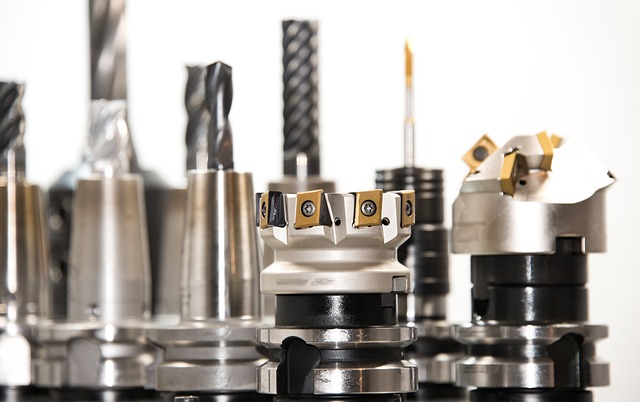
Online CNC Milling Reshapes Manufacturing Supply Chains
The rise of online CNC machine milling is redrawing the map of global manufacturing. By connecting digital design with automated precision machining, it allows supply chains to function faster, leaner, and more transparently. Companies no longer rely on centralized plants alone; instead, they tap into distributed CNC networks that cut parts on demand near end users. This shift reduces logistics costs, shortens lead times, and strengthens resilience against disruptions. As data-driven manufacturing matures, CNC milling becomes a strategic pillar in the evolution toward autonomous and sustainable production ecosystems.
The Strategic Role of CNC Machine Milling in Modern Manufacturing Supply Chains
CNC machine milling plays a pivotal role in linking digital design with tangible production. Its integration within smart manufacturing systems has transformed how companies coordinate suppliers and manage product lifecycles.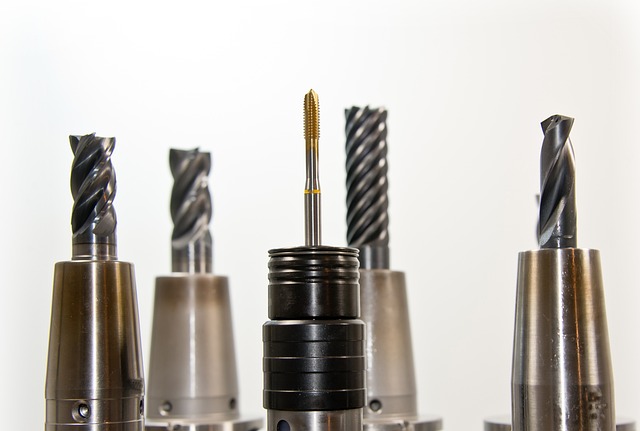
Understanding CNC Machine Milling in the Context of Digital Manufacturing
CNC machine milling automates subtractive manufacturing through computer-controlled precision. Each movement of the cutting tool follows programmed coordinates derived directly from CAD models, creating parts with exceptional accuracy. Integration with CAD/CAM systems enables a seamless digital-to-physical workflow where design revisions can be implemented instantly without manual recalibration. This continuity supports complex geometries across sectors like aerospace, automotive, and medical devices. The repeatability of CNC processes ensures consistent quality even at high volumes—a key factor for industries requiring tight tolerances.
The Shift from Traditional to Digitally Driven Supply Chains
Traditional supply chains relied heavily on manual coordination and static production schedules. In contrast, digital manufacturing platforms integrate CNC milling into online production networks that operate around real-time data exchange. Cloud-based order management reduces lead times by automating quoting, scheduling, and file transfers between clients and machinists. Data-driven processes enhance transparency as each step—from material sourcing to part inspection—is traceable through shared dashboards. This digital shift not only accelerates delivery but also improves accountability across global supplier ecosystems.
How CNC Machine Milling Enhances Supply Chain Agility
The agility of modern supply chains depends on their ability to adapt production quickly without compromising quality or cost efficiency. CNC milling contributes by decentralizing capacity and enabling rapid prototyping cycles.
Decentralized Production Through Online Manufacturing Platforms
Distributed CNC networks allow localized production closer to end users. For example, a company designing drone components can upload its CAD files to an online platform that routes jobs to certified regional workshops equipped with compatible machines. This model reduces transportation costs and carbon emissions by cutting the need for long-distance shipping. On-demand production further limits inventory buildup since parts are machined only when needed, minimizing storage overheads and waste.
Rapid Prototyping and Iteration Cycles Enabled by CNC Milling
In product development phases, engineers often face pressure to validate designs quickly. CNC milling supports this by allowing rapid iteration without extensive tooling changes. A new prototype can be milled within hours from a revised 3D model, enabling faster feedback loops between design and testing teams. Shorter development cycles help companies accelerate launches while maintaining customization flexibility for niche markets or client-specific requirements. When combined with additive manufacturing techniques such as 3D printing for preforms, hybrid workflows emerge that balance speed with surface finish quality.
Quality Assurance and Process Optimization in CNC-Based Supply Chains
Quality assurance within digitally integrated supply chains relies on standardized metrics and real-time monitoring enabled by connected machinery.
Standardization of Tolerances and Quality Metrics Across Suppliers
Unified digital standards ensure consistent part quality across global facilities regardless of location or operator skill level. Automated inspection systems—often using laser scanning or coordinate measuring machines—verify dimensional accuracy during or immediately after machining. Continuous feedback loops feed performance data back into process parameters so future runs achieve even tighter tolerances while reducing defects over time.
Leveraging Data Analytics for Predictive Maintenance and Efficiency Gains
Machine telemetry provides valuable insights into spindle load, vibration patterns, and temperature variations that indicate tool wear or misalignment risks. Predictive analytics use this data to schedule maintenance before breakdowns occur, reducing unplanned downtime significantly. Centralized dashboards consolidate equipment performance information across multiple sites so managers can compare utilization rates or energy consumption trends in real time.
The Economic Impact of CNC Machine Milling on Supply Chain Models
Digitally integrated manufacturing networks are reshaping cost structures while improving resilience against market volatility.
Cost Structures in Digitally Integrated Manufacturing Networks
Automation through CNC milling lowers labor dependency yet maintains precision output suitable for high-specification industries like defense or semiconductor tooling. Dynamic pricing models reflect real-time capacity utilization and material availability across distributed workshops, allowing buyers to select optimal suppliers based on both price and proximity. Shared digital infrastructure among suppliers generates economies of scale similar to those seen in cloud computing environments—reducing per-part costs as network participation grows.
Reducing Risk Through Supply Chain Diversification and Flexibility
Multi-source CNC capabilities mitigate disruptions caused by single-point failures such as regional lockdowns or raw material shortages. Orders can be rerouted digitally within minutes to alternate facilities holding equivalent certifications or tooling setups. This agility ensures continuity during demand surges while maintaining compliance with industry standards like ISO 9001 for quality management or AS9100 for aerospace components.
The Integration of CNC Milling with Emerging Technologies in Online Manufacturing Ecosystems
As factories become smarter through connectivity and automation, CNC milling integrates naturally within broader technology stacks involving IoT sensors, AI algorithms, and robotics.
Synergies Between CNC Milling, IoT, and Smart Factory Systems
IoT-enabled machines communicate operational data continuously for adaptive control loops that fine-tune feeds or spindle speeds based on live conditions. Real-time monitoring enhances energy efficiency by adjusting power usage dynamically during idle periods or light-load operations. Interconnected equipment also enables semi-autonomous decision-making at the shop-floor level where machines coordinate tool changes or sequence adjustments without human intervention.
Combining CNC Milling with AI, Robotics, and Additive Manufacturing Technologies
AI-driven software analyzes previous machining runs to refine tool paths for smoother surfaces or reduced cycle times. Robotic automation complements these systems by handling tasks such as part loading or deburring between operations—improving throughput consistency during night shifts when human supervision is limited. Hybrid manufacturing setups combine additive processes that build near-net shapes with subtractive finishing via CNC mills to achieve dimensional precision unattainable by printing alone.
Future Directions for Online Supply Chains Powered by CNC Machine Milling Technology
The next decade will likely witness deeper convergence between automation intelligence and decentralized production frameworks centered around advanced milling technologies.
Evolution Toward Fully Autonomous Manufacturing Networks
AI-driven scheduling tools will coordinate workloads autonomously across distributed facilities based on predictive demand signals from ERP systems or customer portals. Instant manufacturability analysis from uploaded CAD files will generate automated quotes alongside recommended materials or finishes within seconds—a capability already emerging in leading online platforms today. Secure cloud architectures employing blockchain validation will safeguard design data integrity as it moves through these decentralized operations.
Sustainability Considerations in Digitally Managed Machining Operations
Material optimization algorithms minimize waste by calculating optimal nesting layouts before cutting begins—a crucial step given rising metal prices globally reported by industry analysts such as Bloomberg Intelligence (2024). Localized production further reduces emissions associated with transcontinental freight logistics while lifecycle tracking supports circular economy goals through component reuse documentation under ISO 14040 environmental assessment frameworks.
FAQ
Q1: How does online CNC machine milling differ from traditional outsourcing?
A: It connects designers directly with distributed machine shops via cloud platforms instead of relying on fixed contracts or intermediaries, allowing faster quoting and flexible capacity allocation.
Q2: What industries benefit most from this model?
A: Aerospace, medical devices, automotive prototyping, robotics hardware makers—all sectors demanding precision parts produced quickly under certified standards gain measurable advantages.
Q3: Can small manufacturers join these online networks?
A: Yes, smaller workshops equipped with compliant machines can register as verified suppliers to receive orders globally without heavy marketing investment.
Q4: How reliable are quality controls across different regions?
A: Digital inspection reports tied to standardized tolerance databases maintain consistent results regardless of geography; deviations trigger automatic alerts for review before shipment.
Q5: What sustainability gains come from localized CNC production?
A: Producing closer to consumption points cuts freight emissions substantially while optimizing raw material usage through algorithmic planning reduces scrap generation overall.