What Is the Real Laser Welder Cost in 2026?
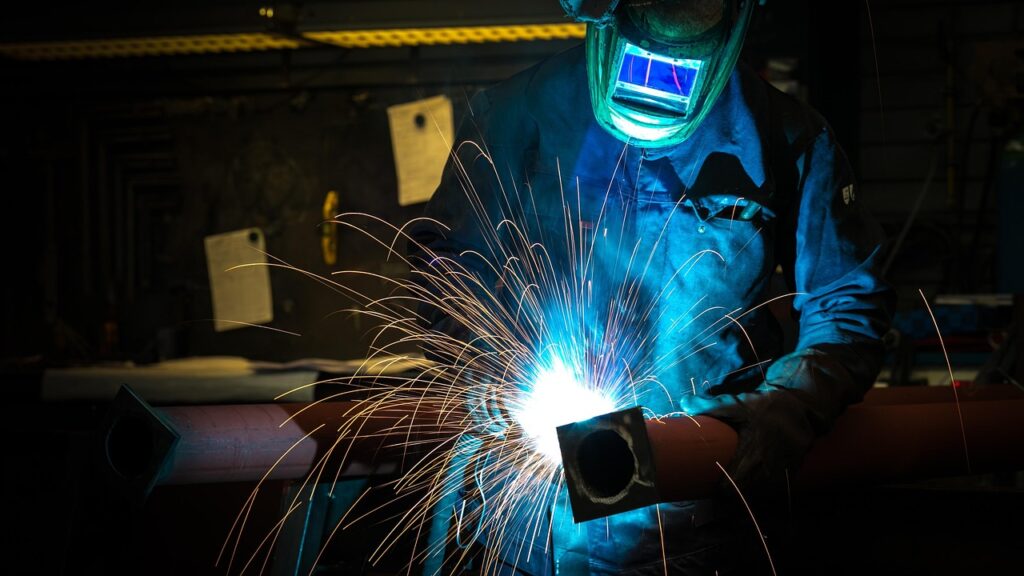
If you are checking laser welder cost for a workshop, OEM project, or resale order, the first quote may not show the full spend. The machine price is only one line. You still need to count safety setup, fixtures, training, consumables, freight, and after-sales support. For more sourcing topics in machinery manufacturing, you can also visit the Sourcing section.
A sound purchase starts with the full cost, not only the catalog price. Public agencies do not publish one official global price index for handheld laser welders, so any price range is only a budget reference and should be checked with current supplier quotes. Even so, public data from BLS, EIA, OSHA, IPG Photonics, and the U.S. International Trade Commission can help you review labor savings, power cost, safety needs, and import risk.
How Much Should You Budget for a Laser Welder in 2026?
For most buyers, the base machine quote is only the first number. A small shop welding thin stainless panels will not need the same setup as a factory joining battery cases, metal furniture frames, or long aluminum seams every shift.
Entry Handheld Fiber Units
Entry handheld fiber laser welders are often used for stainless steel sheet, light carbon steel, kitchen equipment, enclosures, and repair work. For an RFQ, many buyers start with a budget in the low thousands of U.S. dollars for basic imported units, but the final price can rise once you add a wire feeder, better optics, a chiller, a protective cabinet, or local service. Low quotes need careful checking. Ask what laser source is installed, whether spare lenses are included, and how the supplier sends warranty parts.
Mid Range Production Machines
Mid range systems cost more because they are made for regular production, not only small trial jobs. You may get higher laser power, more stable control software, stronger cooling, built-in cleaning modes, and a better torch. IPG Photonics lists handheld LightWELD models with laser power up to 1000 W, 1500 W, and 2000 W, plus preset programs and stated welding capability up to 0.313 in on selected materials, according to its product information accessed in July 2026. Specs like these explain why brand-name machines are priced well above basic catalog units.
Automated and Custom Cells
Automated laser welding cells are in another price range. The laser source may be only one part of the package, and the buyer may also pay for a robot, rotary table, fume extraction, guarding, vision, seam tracking, custom fixtures, and on-site commissioning. If your part has strict appearance rules or high output demand, this cost can make sense. If your orders change every week, a flexible handheld setup may be easier to justify.
What Drives the Final Laser Welder Cost?
Two machines with the same advertised wattage can still weld very differently. The final price depends on beam control, heat control, parts quality, and the support behind the machine.
Laser Power and Beam Quality
Power matters, but it is not the only point to check. A 1500 W machine may be enough for thin stainless cabinets, while thicker aluminum or copper work may need more power and tighter process control. Beam quality, wobble range, spot size, and parameter stability affect weld depth and weld appearance. If a buyer looks only at watts, it is easy to miss why one quote is twice the price of another.
Cooling, Wire Feeding, and Cleaning Functions
Cooling design affects both price and daily use. Air-cooled systems are usually compact and easier to move, while water-cooled systems may be better for longer duty cycles but add pumps, coolant, and maintenance. Wire feeding increases the price, but it can help fill gaps and improve bead shape on parts with less-than-perfect fit-up. Cleaning functions can also cut time before or after welding, but they are only worth paying for if your team will use them.
Brand Support and Spare Parts
Support sounds like a small issue until the machine stops during production. A lower quote may mean long waiting time for torches, protective lenses, fiber cables, control boards, or laser source service. Ask for a spare parts list with prices instead of only accepting a warranty promise. Also check where the service team is based and whether remote diagnosis is offered, because this is often where a higher purchase price saves money later.
How Do Operating Costs Change the Real Price?
After the machine reaches your shop, operating cost starts right away. The main items are electricity, labor, shielding gas, optics, wire, cleaning supplies, and downtime, and none of them should be left to guesswork.
Electricity and Duty Cycle
Laser welders use electricity, but for many shops the power bill is smaller than the labor bill. The U.S. Energy Information Administration reported an average U.S. industrial electricity price of 8.66 cents per kWh for April 2026, with state differences such as 6.33 cents in Texas and 19.87 cents in California. This means the same machine can have a different operating cost in different locations. If your system draws several kilowatts during welding and support equipment runs all day, put that number into the quote sheet.
Labor Time and Skill Level
Labor is often where laser welding changes the payback. The U.S. Bureau of Labor Statistics May 2025 OEWS data, released in 2026, reported welders, cutters, solderers, and brazers at a mean hourly wage of $27.29 and a median hourly wage of $25.84 in the United States. Welding, soldering, and brazing machine operators had a mean hourly wage of $24.15. If a laser welder reduces grinding, rework, and training time on repeat thin-sheet parts, the payback can come sooner than the sticker price suggests.
Consumables, Gas, and Maintenance
Consumables may not be heavy on every job, but they still belong in the budget. Protective lenses, nozzles, wire, shielding gas, coolant, filters, gloves, laser-rated eyewear, and fume extraction filters all count. A shop welding stainless display frames may use little filler wire, while a shop filling gaps in mild steel frames may use more. Ask the supplier for a monthly consumables estimate based on your working hours, not only on a clean showroom demo.
Which Hidden Costs Should You Check Before Buying?
Hidden costs often show up after the purchase order is signed. The machine arrives, and then the team finds out the room needs warning signs, curtains, fume control, better fixtures, or a different plug. That is not the time you want to start changing the budget.
Safety Controls for Class 4 Lasers
Many industrial handheld laser welders fall under Class 4 laser safety concerns. OSHA states that Class 4 lasers can create immediate eye and skin hazards from direct or reflected exposure and may present a fire hazard. That changes the real budget. You may need a controlled area, laser safety eyewear matched to wavelength, interlocked doors, warning lights, beam blocks, fire controls, and documented training. Saving money on safety is usually a bad trade.
Import Duties, Taxes, and Freight
For U.S. buyers, classification can change landed cost. The U.S. International Trade Commission Harmonized Tariff Schedule includes heading 8515 for electric, laser, light or photon beam, ultrasonic, electron beam, magnetic pulse, and plasma arc soldering, brazing, or welding machines. Actual duty, Section 301 exposure, brokerage fees, and local taxes depend on product details and country of origin. Before placing an order, ask your broker to review the HS code and confirm the full landed cost.
Training, Fixtures, and Test Parts
Laser welding is easier to start than TIG on many simple seams, but stable production still needs practice. Budget for test coupons, scrap parts, parameter records, fixture changes, and operator training. Poor fit-up can turn a fast laser process into a repair-heavy job. If your parts vary by 1 mm or more, spend money on clamping before blaming the machine.
When Does a Laser Welder Pay for Itself?
A laser welder pays back when it removes enough labor, rework, heat distortion, and post-processing. It does not pay back just because it looks new or gets a good demo video. The part and the process decide the result.
Thin Stainless Sheet and Cabinet Work
Thin stainless sheet is one of the better use cases. Kitchen equipment, control cabinets, display racks, elevator panels, and medical carts often need clean seams and low distortion. If laser welding cuts polishing time and reduces burn-through, the saving is easy to see. Reducing grinding on hundreds of seams each week can matter more than a small difference in machine price.
Repeat Parts with Long Seams
Repeat work helps payback because settings can be tested once and used again. Long straight seams, lap joints, corner joints, and visible stainless parts are usually good candidates. Keep a simple log with part number, material, thickness, speed, wire, gas, and rework rate. After a month, your own records will be more useful than a supplier brochure.
Jobs Where TIG Still Makes More Sense
TIG, MIG, and resistance welding are not disappearing. TIG can still be the better choice for very low volume work, awkward access, thick sections, repairs, and jobs where certified procedures already exist. If your shop mainly welds one-off heavy brackets all day, laser welder cost may be hard to support. The best purchase is the one that fits your parts, not the one with the nicest demo video.
How Should You Compare Supplier Quotes?
Compare quotes line by line. A low price may leave out the wire feeder, safety kit, spare lenses, training, freight, or tax. A higher price may include these items and cost less after the machine lands.
A Clean Specification Sheet
Ask every supplier for the same details: laser power, source brand, wavelength, cooling type, duty cycle, wobble range, welding head model, cable length, wire feeder details, included consumables, input voltage, machine size, and warranty terms. If one supplier avoids basic information, take your time. Vague specs usually make poor purchasing files. They also make it harder to compare two quotes fairly.
Proof Samples and Video Tests
Send your real material, not only a sample chosen by the supplier. Ask for a welding video with the machine screen visible, then request photos of the front and back of the weld. For structural or pressure-related parts, use proper testing and qualified procedures. A clean-looking bead is not the same as a qualified joint.
Warranty Terms and Local Service
Warranty length matters, but the warranty process matters more. Ask who pays freight for parts, how fast a laser source can be repaired, and whether the supplier stocks torches and lenses. If production depends on the machine, consider buying key spares with the first shipment. It may feel like an extra cost at purchase time, but it is better than waiting three weeks for a small lens.
FAQ
Q1: What Is the Average Laser Welder Cost in 2026? A: There is no official public global average. For budgeting, basic handheld imported units can start in the low thousands of dollars, while branded production systems and automated cells cost much more. Always confirm with current quotes and a full landed-cost sheet.
Q2: Is a 1500 W Laser Welder Enough for a Small Shop? A: Often yes, if you weld thin stainless steel, light carbon steel, cabinets, frames, and sheet metal parts. For thick aluminum, copper, or heavy production, review samples and duty cycle before buying.
Q3: What Hidden Costs Are Most Common? A: Safety controls, laser eyewear, shielding gas, spare lenses, fixtures, training, freight, import duties, and service parts are the most common extras. Add them before comparing suppliers.
Q4: Can Laser Welding Reduce Labor Cost? A: It can, especially on repeat thin-sheet work where it reduces grinding, distortion, and rework. Use BLS wage data and your own cycle times to build a payback estimate.
Q5: Should You Buy the Cheapest Laser Welder Quote? A: Not without checking support, safety, spare parts, sample results, and warranty process. The cheapest machine can become expensive if downtime or poor weld quality delays orders.