Is a Soldering Iron with Stand Better Than a Basic Iron for Safer Bench Work?
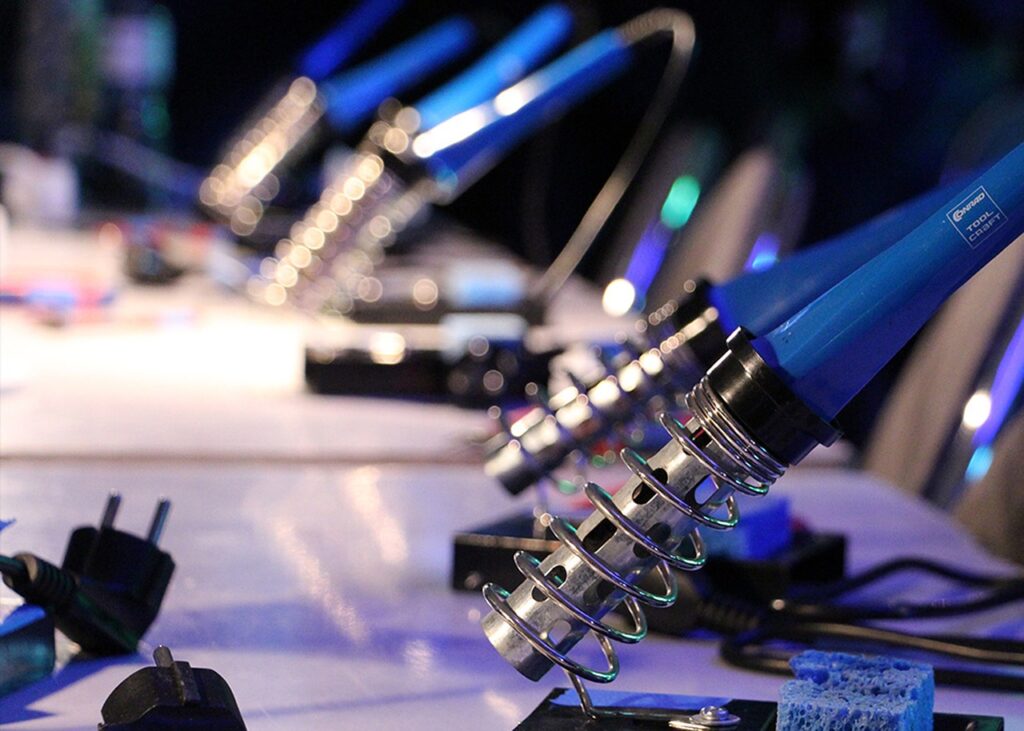
If your team handles wiring repairs, sensor leads, PCB touch-ups, or small assembly jobs, a soldering iron with stand is more than a loose iron with a holder next to it. It changes where the hot tool sits, how the operator reaches for it, and how the bench feels during a busy shift. For more bench and shop equipment ideas, you can also browse the Tooling category.
A basic iron can melt solder, of course. In daily shop work, though, the iron is picked up, parked, cleaned, moved, and parked again many times. A stand gives the hot tip one fixed place to return to. It also helps keep the cord, sponge, brass wool, and hand movement under better control. That usually means less mess on the bench, fewer burn risks, and steadier solder joints, especially when the same task is repeated all day.
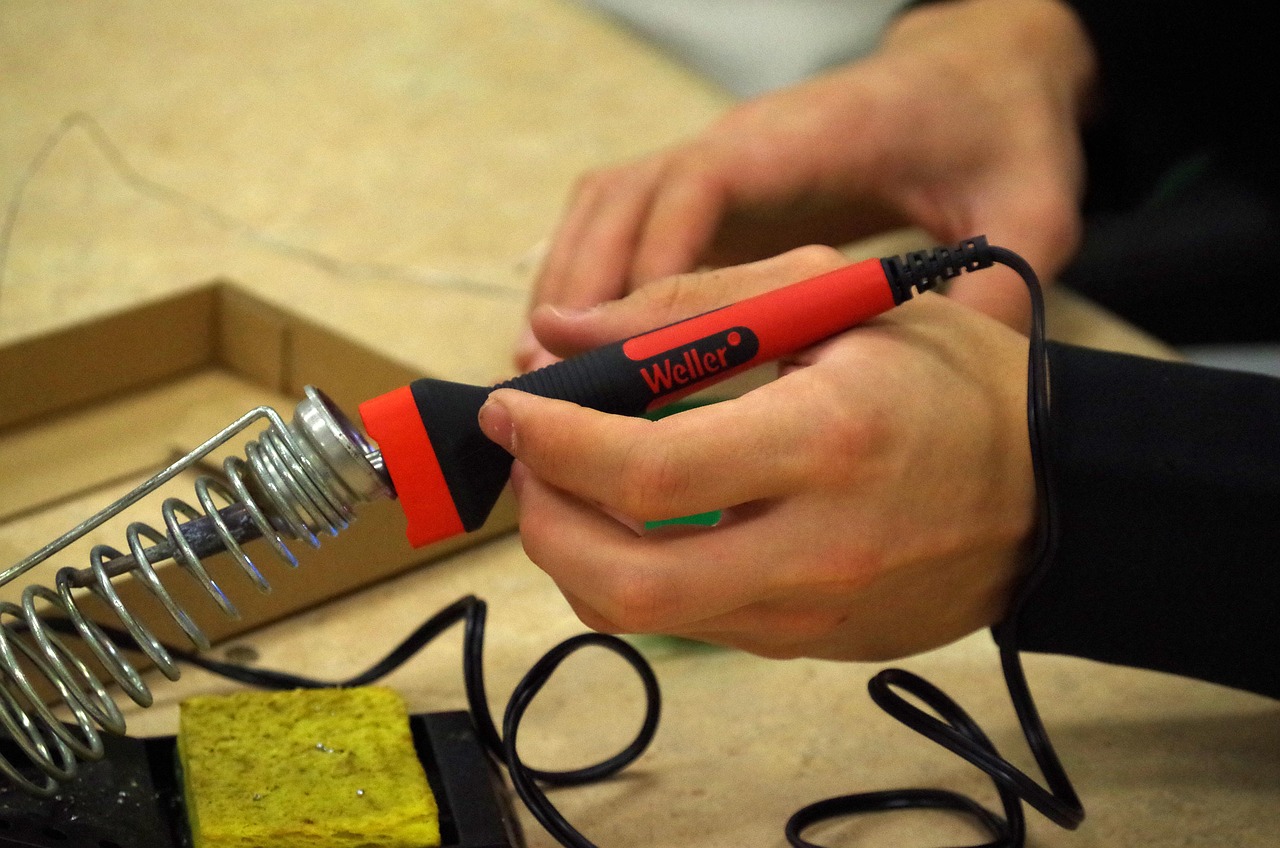
What Makes a Soldering Iron with Stand Safer for Bench Work?
Safety starts with the resting place of the iron when it is not on the joint. A soldering tip can get hot enough to mark a bench mat, char plastic, or burn skin very quickly. The risk often appears during the short pause between two joints, not while the operator is focused on soldering. A proper stand lowers that risk because it gives the iron a steady, visible, heat-resistant parking point.
A Stable Resting Point for a Hot Tip
A stand holds the iron at a set angle and keeps the tip away from fingers, cable insulation, paper labels, and packaging foam. This matters on a crowded bench, even if the problem looks small at first. If the iron rolls into a harness or touches a plastic connector shell, the job can become rework in a few seconds. A weighted base or station cradle helps prevent that common bench problem before it starts.
Less Cable Drag Near Components
Low-cost irons are often pulled around by their own power cord. The cord can catch on a vise, a fixture edge, or a component tray, and the operator may not notice until the iron shifts. A good stand gives the iron a repeatable parking position, so the cable follows a cleaner path. For fine work, that saves the wrist from fighting the cord while solder is placed on a pad or terminal.
Cleaner Benches During Short Pauses
Many soldering mistakes happen during short pauses. The operator may turn to pick up heat shrink, check a drawing, or trim a lead, and the hot iron is still active. With a stand, the tool goes back to the same place each time. It is a simple habit, but in production benches, simple habits often do the most to prevent burns and damaged parts.
How Does a Stand Improve Solder Joint Quality?
A stand does not replace operator skill, the right flux, or proper temperature control. It does support all of them in normal bench work. When the iron is easy to park and clean, the operator spends less time correcting hand position and more time making the joint. That helps when the same wiring, connector, or repair step is repeated for hours.
Steadier Hand Position
Good soldering needs a steady approach. The tip touches the work, heat moves into the joint, solder flows, and the joint cools without being disturbed. When the iron starts from a fixed cradle, the hand comes back from the same direction each time. For terminal blocks, sensor leads, and small circuit boards, that repeatable movement can reduce shaky contact and uneven solder flow.
Faster Tip Cleaning Between Joints
A stand usually keeps a sponge or brass wool close to the cradle. That makes tip cleaning part of the motion instead of something the operator skips when the bench is busy. A dirty tip does not wet well, and poor wetting makes people add extra heat or extra solder. The joint can end up bulky, dull, or bridged. A quick clean, followed by a little fresh solder on the tip, makes heat transfer easier to control.
Reduced Tip Damage Between Joints
When an iron is left on metal edges or hard bench surfaces, the plated tip can get scratched or knocked. Once the plating wears through, the tip may pit, oxidize faster, and stop holding solder properly. A cradle protects the tip from small impacts during normal work. It also keeps the hot end away from wet wipes, loose screws, clipped leads, and other small items that always seem to collect on a bench.
Which Features Should You Check Before Buying?
The right choice depends on the work, not just the catalog photo. A tool used for occasional wire tinning does not need the same setup as a station used for production rework. Before buying, check heat control, stand stability, cleaning options, and ESD needs. These details affect daily comfort and rework rates more than the color of the case.
Temperature Control and Wattage Range
For general bench work, adjustable temperature is worth paying for. Lead-free solder often needs more heat at the joint than older tin-lead alloys, but setting the iron too high can burn flux and shorten tip life. IPC describes J-STD-001J as an industry-consensus standard covering soldering process controls and materials, which is a useful reminder that soldering quality depends on controlled materials and process, not heat alone. (ipc.org)
Stand Weight, Angle, and Tip Clearance
A light stand may slide when the operator parks the iron. A shallow angle can also leave the hot tip too close to the bench surface. Check whether the cradle supports the handle firmly and leaves enough open space around the tip. If operators wear gloves, handle shape matters too. A small grip may feel fine for a quick test, but after an hour of cable assembly work it can become tiring.
Sponge, Brass Wool, and ESD Details
A damp sponge cleans well, but it can cool the tip quickly. Brass wool cleans with less thermal shock and is often easier for frequent joints. For electronics, an ESD-safe station and grounded tip path may be needed. In mechanical manufacturing, this point is sometimes missed because the area is full of metal parts, but one sensitive control board can make ESD protection very important.
What Safety Rules Matter in a Workshop?
A stand reduces burn and fire risk, but it does not remove every soldering hazard. Fume, lead residue, electricity, and housekeeping still need attention. If several people use the same bench, simple posted rules are useful. Short rules near the station are more likely to be followed than a long document nobody opens.
Fume Control Near the Tip
Flux smoke is not just a bad smell. The UK Health and Safety Executive states that rosin-based solder flux fume is regarded as one of the most significant causes of occupational asthma in Britain. HSE guidance also recommends fume extraction, keeping your head out of the plume, and avoiding overheated irons. (hse.gov.uk)
Lead Handling and RoHS Planning
If leaded solder is used, hand cleaning and material control should be handled seriously. Operators should know which solder wire, tips, and cleaning tools belong to leaded work. OSHA lists solder among work activities and materials that can expose adults to lead, mainly through lead-containing dust and fumes in occupational settings. For products aimed at the EU market, EUR-Lex records the RoHS lead limit as 0.1 percent by weight in homogeneous materials, unless an exemption applies. (osha.gov) (eur-lex.europa.eu) See also: Machines.
Electrical Safety and Fire Awareness
A soldering station is also an electrical device placed beside heat, flux, metal tools, and sometimes solvents. Cords, plugs, switches, and the stand base should be checked before problems show up during work. ESFI reported that between 2021 and 2022 there were 3,260 non-fatal U.S. workplace electrical injuries involving days away from work, based on BLS and OSHA data. That figure is not only about soldering, but it shows why powered bench tools should be treated with care. (esfi.org)
How Should You Use It in Daily Tooling Work?
The right tool still needs a steady routine. A stand works best when every operator uses it the same way. Treat it as part of the process, not as a loose accessory beside the iron. The daily pattern is simple: heat, clean, solder, park, check, and repeat.
A Simple Start Up Routine
Before heating the iron, clear paper, foam, cable scraps, and alcohol bottles from the hot zone. Then check that the stand is steady and the cleaning pad is ready. Set the temperature for the solder alloy and the job type, and let the iron reach working temperature before touching the work. Rushing the first joint often creates a cold joint, and that usually costs more time later.
Good Soldering Rhythm at the Bench
Use the stand after every joint, even if the next joint is only a few centimeters away. Clean the tip often, feed solder to the heated joint instead of melting a large blob on the tip, and keep the fume away from your face. For repeated terminal work, put solder, cutters, heat shrink, and inspection tools in the same positions each time. After a while, the hands learn the path and the work becomes more consistent.
End of Shift Care
At the end of the job, clean the tip and leave a light coating of solder on it before shutdown. Let the iron cool in the stand, not on the bench. Empty solder scraps and wipe flux residue where needed. If the tip looks black, pitted, or unable to hold solder, record it and replace it. A low-cost tip can still cause expensive rework if it is used too long.
When Is a Basic Iron Still Enough?
A soldering iron with stand is usually the better choice for regular bench use, but a basic iron is not useless. The real question is risk, frequency, and required work quality. If the job is rare, simple, and done in a controlled area, a basic tool may be acceptable. For repeated work, the stand usually earns its place quickly.
Occasional Low Risk Jobs
If you only tin a wire once in a while, a small iron with a safe temporary holder may be enough. Even then, the holder must be stable and heat-resistant. Resting the tool on a cardboard box or machine cover is asking for trouble. It may work one time, but that does not make it a safe method.
Field Kits and Space Limits
Field repair kits often have tight space limits. A compact folding stand can be a practical middle option. It will not feel as solid as a full bench station, but it keeps the hot tip off the work surface. For maintenance vans, small repair carts, and emergency kits, that may be enough to improve safety without carrying a full station.
Training, Cost, and Spare Tools
For training benches, a stand is strongly recommended because beginners often forget where the tip is. The stand gives them a fixed habit from the start. For spare tools, buying a low-cost iron with no proper rest may save a few dollars but can teach poor bench practice. A better plan is to keep one or two complete stations ready, with spare tips, cleaning media, and a labeled storage spot.
FAQ
Q1: Is a Soldering Iron with Stand Worth It for Small Workshops? A: Yes, if the tool is used more than once in a while. The stand improves parking safety, tip care, bench order, and repeat motion, which all matter in small shops.
Q2: Should You Choose a Sponge or Brass Wool Cleaner? A: Brass wool is often better for frequent bench work because it cleans without cooling the tip as much. A sponge is still useful, but it should be damp, not dripping wet.
Q3: Does a Stand Make Soldering Fumes Safe? A: No. A stand only parks the iron. You still need fume control, good head position, and suitable flux choices, especially when using rosin-based flux.
Q4: Can One Station Handle Both Leaded and Lead-Free Solder? A: It can, but the shop should control tips, solder wire, labels, and cleaning tools to avoid mix-ups. Compliance needs depend on the product market and customer rules.
Q5: What Is the First Feature to Check Before Buying? A: Check stand stability first, then temperature control and tip availability. A powerful iron with a weak stand is still frustrating and less safe on a busy bench.