What Makes an Impact Drill Bit Holder Better for Tough Jobs?
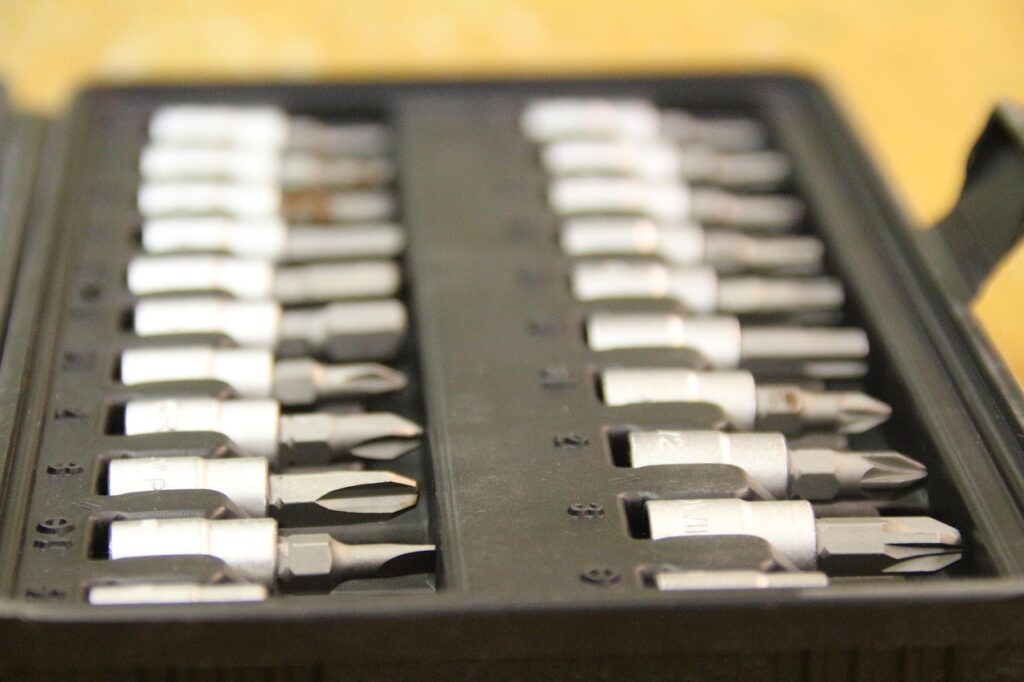
What Is an Impact Drill Bit Holder and When Do You Need One?
An impact drill bit holder is the small adapter, extension, or quick-change socket placed between the impact tool and the bit. The part is small, but it affects how well the bit sits, how torque passes through, and how quickly an operator can move from one fastening job to another. For more tooling choices in machining, assembly, and maintenance work, you can also visit the Tooling section.
A Torque Link Between Tool and Bit
The holder is not just a sleeve used to carry a bit. It is the torque link between the tool and the fastener. In impact fastening, the tool sends short rotational hits into the bit, and the holder has to take those hits without slipping. If the holder is loose, some force is lost, the fastener head shakes, and the screw recess can get rounded. A better holder keeps the shank seated and helps keep the bit face square to the work.
Faster Bit Changes on Repetitive Work
On a bench assembly line, a cabinet shop floor, or a steel service truck, small time savings matter. When workers change between Phillips, Torx, nut setters, pilot drill bits, and countersink bits many times in an hour, a quick-release holder saves time in a way people notice during a shift. It also makes workers less likely to keep using the wrong bit just because changing it is a hassle. That sounds like a small point, but it often shows up later as stripped screws and rework.
Better Reach Without Losing Control
Short bits are strong and stable, but they cannot always reach recessed screws. A 60 mm, 100 mm, or 150 mm holder can reach inside brackets, hinge pockets, HVAC panels, and machine guards. The trade-off is wobble, especially when the operator is working at an angle. The longer the holder is, the more you need straight alignment, a good shank, and a collar that does not let the bit move out under vibration.
Why Does Impact Duty Matter More Than a Regular Holder?
Impact duty matters because an impact tool does not load the holder like a hand screwdriver or a slow drill. The load comes in pulses. It rises quickly, drops, and then rises again. Over time, that cycle can crack low-grade steel, weaken a badly heat-treated shank, or open up the bit socket after many jobs.
Peak Torque From Short Impact Blows
A regular bit holder may be fine for light home work, but repeated impact blows are much harder on the corners, retaining ring, and socket wall. If the job involves structural screws, self-drilling screws, deck screws, or machine screws into tapped metal, the holder should be marked for impact use. For procurement work, put that requirement in the inquiry clearly. Do not assume it from a product photo.
Torsion Zone and Alloy Steel Choices
Many impact holders use a narrowed torsion zone or a body section with a little flex. That section works like a spring and helps take part of the peak stress before it reaches the bit tip. Steel choice also matters. S2 steel, chrome vanadium steel, and proprietary alloy steels can all work, but only when the heat treatment fits the job. Steel that is too hard can snap, while steel that is too soft can let the socket round out.
Less Cam-Out When the Fit Stays Tight
Cam-out is not only caused by the bit tip. A loose holder lets the bit shift before the tip slips out of the screw. A tight fit reduces chatter, especially with Phillips and Pozi-style drive systems. With Torx and hex fasteners, snug engagement helps protect the fastener head and keeps the finished surface cleaner. It is a plain detail, but buyers remember when screw heads stay neat.
How Should You Match Holder Size, Shank, and Bit Type?
Size matching looks basic, but it is still one of the more common sourcing mistakes. The holder has to fit the tool chuck, the bit shank, and the work space. ASME B107.600 covers performance and safety requirements for screwdrivers and hexagonal shank screwdriver bits used in screw driving, which is a useful reference point when you compare bit and holder specifications for trade use. (asme.org)
1/4 Inch Hex as the Common Worksite Format
The 1/4 inch hex format is the normal choice for impact drivers and many bit holders. It fits common driver bits, nut setters, socket adapters, and many short drill bits with hex shanks. For export orders, list both inch and metric wording, such as 1/4 inch or 6.35 mm hex. This helps buyers in the United States, Europe, and Asia read the same requirement without guessing.
Magnetic Sleeves for Quick Setup
A magnetic holder is useful when workers drive screws overhead, inside a cabinet, or while standing on a ladder. The magnet helps hold the bit, and in some cases it also helps hold the fastener. Even so, magnets do not replace a mechanical lock. In dusty metal shops, magnets also pick up chips. When the socket fills with chips, the bit no longer seats well. A quick wipe with a rag prevents more problems than people expect.
Quick-Release Collars for Safer Retention
A quick-release collar is a better choice when the bit must stay locked in place. It suits field maintenance, long extensions, and jobs where a dropped bit can fall into machinery. Before bulk buying, check how the collar moves on samples. It should slide smoothly, return fully, and release the bit without force. If operators need pliers to remove bits, the design is not right for daily work.
Which Materials and Manufacturing Details Should You Check?
A holder usually fails at small points: the hex corners, the retaining groove, the socket mouth, and the torsion section. When you source an impact drill bit holder, do not judge only by color, coating, or a clean plastic case. Ask how the part is made and how it is tested.
S2 Steel, Chrome Vanadium, or Custom Alloy Steel
S2 steel is often used for impact bits because it can offer both strength and toughness. Chrome vanadium is common for many hand tools and accessory tools. Custom alloy steel may also work well, but the material name by itself does not tell the full story. The key points are chemical consistency, heat treatment control, and stable production. The holder should also be tested under impact load, not only checked for size.
Heat Treatment That Balances Hardness and Flex
Heat treatment is where a basic holder becomes a dependable one. The target should not be maximum hardness. A better target is balance: the socket needs enough hardness to resist rounding, and the body needs enough toughness to handle shock. Ask suppliers for hardness range, batch control, and sample test results. If the answer is only “high quality,” ask again in a clear way.
Surface Finish That Fights Rust and Burrs
Black oxide, phosphate, nickel, and other finishes can help reduce rust and improve the look on the shelf. The finish should not be used to cover burrs. Run a finger over the collar edge and socket mouth on samples. A burr can scratch finished hardware, cut gloves, or stop the bit from seating fully. In humid warehouses, packaging with a small moisture barrier can matter as much as the coating. This is easy to miss until stock has been sitting for a few months. See also: Machines.
What Safety and Ergonomic Points Matter During Long Shifts?
The holder is small, but it works inside a wider safety setup that includes the tool, bit, fastener, material, hand posture, and working time. ISO 5349-1:2001 gives general requirements for measuring and evaluating human exposure to hand-transmitted vibration, and that standard is often used as a reference for vibration assessment around power tools. (iso.org)
Vibration Exposure Needs Real Attention
Impact tools vibrate, and workers feel that more during long shifts. This does not mean every short fastening task is risky, but daily exposure should be managed. The UK Health and Safety Executive lists a hand-arm vibration exposure action value of 2.5 m/s² A(8) and an exposure limit value of 5 m/s² A(8). Those numbers give buyers and safety staff useful background when choosing tools and planning work, even though they do not compare one bit holder style with another. (hse.gov.uk)
Light Grip and Planned Breaks
A tight grip sends more vibration into the hand and arm. The better habit is simple: let the tool do the work, keep it straight, and do not squeeze harder than needed. OSHA advises training workers on vibrating tool hazards and allowing 10 to 15 minute breaks from the vibration source every hour in its woodworking vibration guidance. That is a practical number for shift planning, especially where impact tools are used all day. (osha.gov)
Straight Alignment Before Full Trigger
Before pulling the trigger hard, seat the bit, square the holder, and start slowly. That one-second pause protects the fastener, the bit, and the operator’s wrist. It also lowers the chance of bit ejection with magnetic holders. No public agency gives a verified failure-rate table for every holder style. So the daily rule stays simple: correct fit, straight posture, and controlled trigger use still matter most.
How Do You Source a Holder for OEM or Wholesale Supply?
For distributors and OEM buyers, the right holder is not always the highest-priced one. It is the holder that matches the customer’s tool, fastener, work speed, and price point. CDC/NIOSH has promoted safer tool purchasing through its Buy Quiet and related guidance, noting that tool choice can reduce noise and hand-arm vibration risks while supporting productivity and work quality. (stacks.cdc.gov)
Define Application and Torque Level
Start with the actual job instead of starting with a catalog picture. Light furniture assembly, HVAC panel work, solar racking, steel framing, and machinery maintenance do not need the same holder. Define bit type, holder length, magnet or lock, expected torque range, and packaging style before asking for prices. A short list usually keeps the inquiry clear:
- Tool type: impact driver, drill driver, or manual handle
- Bit interface: 1/4 inch hex, 6.35 mm hex, or another size
- Retention: magnet, retaining ring, quick-release collar, or sleeve
- Length: compact, medium extension, or long reach
- Finish: black oxide, phosphate, nickel, or customer color
Ask for Samples and Batch Test Reports
Samples should be checked with real bits and real tools, not only measured with a caliper. Test bit insertion, collar return, runout feel, magnet strength, finish, and fit after repeated driving. For a serious order, ask for a material certificate, hardness test, salt spray result if corrosion resistance matters, and packaging drop checks. These are not fancy tests, but they catch many issues before shipment. It is much cheaper to reject a sample than to handle claims from a full batch.
Pack Sets Around Real Jobsite Use
A useful set should follow real work habits. A cabinet installer may need short magnetic holders and several PH2 bits. A metal building crew may want impact-rated nut setters, Torx bits, and a locking extension. A maintenance buyer may prefer fewer pieces, clearer labels, and a sturdy case that fits a service drawer. Large 80-piece kits may look good online, but repeat orders often come from the 10 pieces people use every week.
FAQ
Q1: What Is the Best Length for an Impact Drill Bit Holder? A: For most fastening jobs, a 60 mm to 100 mm holder gives a good mix of reach and control. Use shorter holders for high torque work, and use longer holders only when access requires it.
Q2: Is a Magnetic Holder Better Than a Quick-Release Holder? A: A magnetic holder is faster for light work and overhead screws. A quick-release holder is better when stronger bit retention, long reach, or safer use near machinery is needed.
Q3: Can You Use a Regular Bit Holder in an Impact Driver? A: You can use one for very light tasks, but it is not the better choice for trade work. Repeated impact blows can crack or loosen a regular holder, so an impact-rated holder is safer.
Q4: Why Does the Bit Keep Falling Out of the Holder? A: The socket may be worn, the magnet may be weak, metal chips may stop full seating, or the bit shank may not match the holder. Clean the socket first, then check the fit with a new bit.
Q5: What Should Buyers Check Before Placing a Bulk Order? A: Check material, hardness range, holder length, shank size, retention type, finish, sample performance, packaging, and whether the supplier can keep batch quality stable over repeat orders.