Can a Laser CNC Cutting Machine Optimize Exhaust Flattening Efficiency
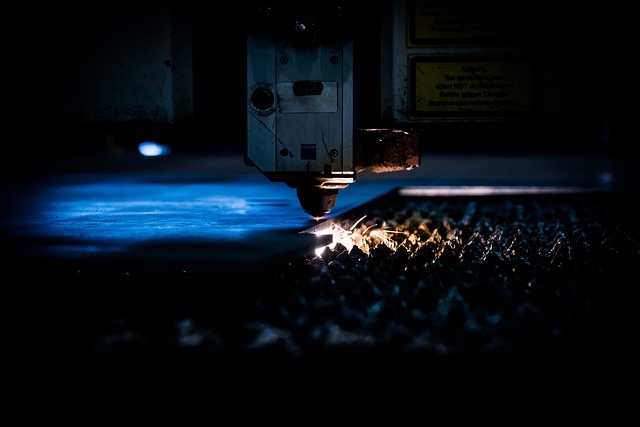
Flattening The Exhaust Of A Laser Cutter To Save Space
Space constraints in industrial workshops often push engineers to rethink the physical layout of every component. For a laser CNC cutting machine, one overlooked yet vital area is the exhaust system. Flattening the exhaust offers a direct solution: it saves space without compromising air extraction or safety. By redesigning duct geometry and managing airflow more efficiently, manufacturers achieve cleaner cuts, lower energy use, and longer equipment life. The practice also simplifies maintenance and aligns with modern compact production setups where every centimeter counts.
The Function of Exhaust Systems in Laser CNC Machines
Efficient exhaust systems are central to maintaining both performance and operator safety in a laser CNC cutting machine. They remove contaminants generated during the cutting process and sustain the internal environment needed for precise beam control.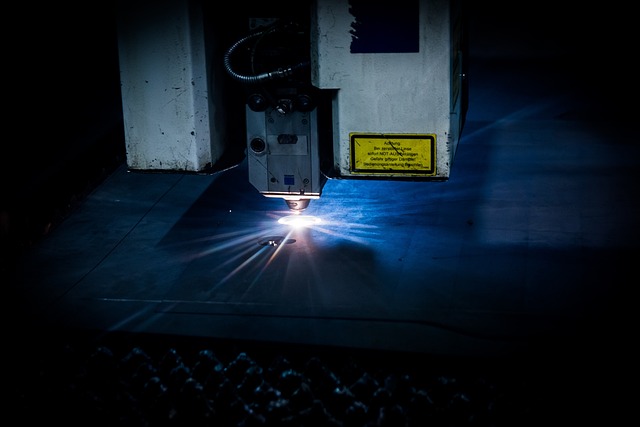
Exhaust Systems Remove Fumes, Dust, and Particulates Generated During Cutting
During laser cutting, fumes and particulates arise from vaporized material. The exhaust system extracts these by-products to prevent them from settling on optical components or escaping into the workspace. In high-power fiber lasers, poor fume extraction can even cause lens contamination that leads to beam distortion.
Proper Exhaust Flow Ensures Cleaner Cuts and Protects Optical Components
A stable airflow keeps the optical path clear and consistent. Clean optics maintain beam focus, which directly affects cut edge quality and reduces rework rates. Regular calibration of suction strength helps sustain this consistency across materials like stainless steel or acrylic.
Airflow Management Directly Affects Cutting Precision and Equipment Longevity
Airflow design is not just about removing smoke; it’s about balancing pressure zones inside the enclosure. Too much suction may distort lightweight sheets; too little allows debris buildup. Maintaining equilibrium extends mirror life and reduces downtime caused by maintenance.
The Concept of Exhaust Flattening for Space Optimization
Industrial floorspace comes at a premium, especially in automated production cells where multiple machines share limited area. Flattening an exhaust system addresses this spatial challenge while preserving full extraction efficiency.
Flattening the Exhaust Involves Redesigning Ductwork to Reduce Vertical Space Usage
Traditional round ducts consume unnecessary overhead clearance. Flattened ducts reduce height while maintaining cross-sectional flow area. This modification allows placement beneath gantry frames or within low-ceiling environments without affecting throughput.
Compact Exhaust Layouts Enable Installation in Constrained Production Areas
In modular manufacturing lines, compact layouts simplify integration with conveyors or robotic arms. Shorter duct runs also reduce static pressure losses, which means smaller fans can handle the same airflow volume—an indirect energy saving.
Efficient Duct Geometry Minimizes Turbulence and Maintains Suction Performance
Flattened ducts must be engineered carefully to avoid turbulence that weakens suction efficiency. Smooth transitions between sections maintain laminar flow, preventing backpressure that could interfere with fume extraction near the cutting head.
The Role of a Laser CNC Cutting Machine in Exhaust Efficiency
The machine itself influences how effectively air moves through its enclosure. Modern systems integrate sensors and adaptive controls that synchronize exhaust behavior with real-time cutting conditions.
Integration of Cutting Parameters with Exhaust Control
Synchronizing parameters such as feed rate, power density, and gas assist pressure helps regulate exhaust demand dynamically. When cutting thicker materials at slower speeds, higher suction ensures complete fume evacuation; lighter jobs require less draw to conserve energy.
Adaptive Control Systems Adjust Airflow Based on Material Type and Thickness
Automation platforms now include feedback loops using particulate sensors or optical haze detectors. These systems fine-tune fan speed automatically based on detected emission levels from different materials like carbon steel versus aluminum composites.
Real-Time Monitoring Ensures Consistent Air Quality Within the Cutting Chamber
Continuous monitoring prevents unnoticed filter clogging or duct leaks that degrade performance over time. Data logging also supports compliance with occupational air quality standards such as ISO 8573-1 for compressed air purity levels used in auxiliary gas delivery.
Impact of Machine Design on Exhaust Flattening Potential
Machine architecture determines how easily flattened exhaust systems can be integrated without compromising ergonomics or safety certifications.
Low-Profile Machine Frames Allow Better Alignment with Flattened Exhaust Ducts
A low-slung chassis aligns naturally with horizontal duct runs along floor level or beneath work tables. This configuration reduces overhead clutter while simplifying service access during filter replacement cycles.
Modular Designs Support Customized Airflow Channels Without Performance Loss
Modular construction enables routing flexibility—engineers can tailor duct shapes around existing infrastructure while maintaining consistent negative pressure along each branch line.
Compact Enclosure Configurations Enhance Spatial Efficiency While Maintaining Safety Standards
Compact enclosures confine fumes efficiently even when total volume is reduced. Proper sealing combined with localized extraction points ensures compliance with IEC 60825 laser safety classifications for enclosed beam paths.
Engineering Considerations for Optimizing Exhaust Flattening Efficiency
Achieving both compactness and performance requires precision engineering grounded in fluid dynamics principles rather than trial-and-error adjustments.
Aerodynamic Design Principles in Ductwork Engineering
Smooth inner walls minimize friction losses that otherwise slow airflow velocity. Gradual bends—ideally no sharper than 45 degrees—prevent turbulence formation that can cause uneven suction near critical areas like nozzle exits.
Gradual Bends Prevent Backpressure That Can Affect Laser Beam Stability
Backpressure fluctuations may disturb protective gas flow shielding the melt pool during cutting, leading to dross formation or micro-burrs along edges—issues costly to correct downstream.
Computational Fluid Dynamics (CFD) Analysis Helps Predict Optimal Duct Shapes
CFD modeling provides visual insight into velocity distribution across flattened profiles before fabrication begins. Engineers can test virtual prototypes under simulated load conditions instead of relying solely on empirical testing.
Material Selection for Flattened Exhaust Systems
Material choice influences durability under thermal stress and chemical exposure common in metal-cutting environments.
Lightweight Metals or Composites Maintain Rigidity Under Negative Pressure Conditions
Aluminum alloys offer strength-to-weight advantages ideal for suspended ducts spanning long distances without sagging under vacuum load.
Corrosion-Resistant Materials Extend System Lifespan Under High-Temperature Fumes
Stainless steel resists oxidation from hot gases released when cutting coated steels or plastics containing volatile compounds that might corrode lesser metals over time.
Thermal Insulation Prevents Heat Transfer to Surrounding Equipment or Structures
Insulated panels protect adjacent electronics from radiant heat emitted through thin duct walls—especially important when machines operate continuously on thick plate jobs generating significant thermal output.
Technological Enhancements Supporting Efficient Exhaust Management
As factories digitize operations, smart components now make flattened exhaust systems more autonomous and reliable over long service intervals.
Smart Sensors and Automation in Laser CNC Machines
Sensors embedded along ducts detect early signs of clogging through differential pressure readings. Automated dampers respond instantly by redirecting flow toward less congested paths to balance suction evenly across all zones.
Automated Dampers Adjust Flow Dynamically to Balance Multiple Exhaust Zones
This feature becomes crucial when several laser heads share one manifold since simultaneous operation can create localized vacuum drops if unmanaged electronically.
Integration with Factory IoT Networks Enables Predictive Maintenance Scheduling
IoT connectivity aggregates sensor data into maintenance dashboards predicting filter saturation trends weeks ahead—reducing unplanned shutdowns typical in older mechanical-only systems.
Advanced Filtration and Air Treatment Solutions
Filtration technology complements flattened designs by keeping exhausted air clean before release back into ambient environments or recirculation loops.
Multi-Stage Filters Capture Fine Particulates Before Air Discharge
High-efficiency particulate filters trap micron-level dust resulting from oxidation reactions during high-speed cutting cycles involving nonferrous alloys or plastics.
Regenerative Filtration Reduces Maintenance Frequency and Operational Downtime
Self-cleaning cartridges extend service life significantly compared to disposable filters while maintaining constant airflow resistance profiles throughout their lifespan.
Energy-Efficient Fans Minimize Power Consumption While Maintaining Suction Strength
Variable-speed blowers modulate RPM based on real-time resistance readings rather than fixed duty cycles—cutting electricity use especially during partial-load operations typical in batch production schedules.
Evaluating Performance Gains from Optimized Exhaust Flattening
To justify investment costs, engineers measure tangible gains across mechanical efficiency, energy savings, and facility utilization metrics after implementing flattening strategies.
Quantitative Metrics for Efficiency Assessment
Key indicators include static pressure stability within ±5%, uniform airflow rates across multiple outlets, and post-filter particulate concentrations below regulatory thresholds set by ISO 14644 cleanroom standards for industrial air quality zones.
Comparison of Energy Consumption Before and After Exhaust Flattening Implementation
Flattened ducts often yield measurable reductions in fan horsepower requirements—typically between 10–15% depending on layout complexity—translating directly into lower annual electricity bills per machine cell.
Analysis of Space Utilization Improvements Within the Production Layout
By reducing vertical clearance needs up to 40%, workshops gain flexibility to install overhead cable trays or auxiliary automation lines previously constrained by bulky round ducts running above equipment rows.
Long-Term Operational Benefits for Industrial Environments
Beyond immediate performance boosts, flattened exhaust configurations contribute lasting operational advantages across entire facilities managing multiple laser CNC cutting machines simultaneously.
Reduced Floor Footprint Enhances Facility Flexibility for Future Expansions
Compact routing leaves room for additional units without major structural changes—a valuable benefit as production scales over time without requiring new building extensions.
Improved Air Circulation Contributes to Safer Working Conditions and Reduced Contamination Risks
Cleaner ambient air lowers employee exposure levels while minimizing cross-contamination between adjacent processing zones handling sensitive materials like food-grade stainless steel components or medical device housings.
Enhanced Overall System Reliability Through Balanced Mechanical and Thermal Loads
Uniform temperature gradients reduce stress on seals, bearings, and other mechanical parts exposed to fluctuating hot-air flows—extending mean time between failures across entire ventilation networks supporting precision fabrication lines.
FAQ
Q1: What is the main purpose of flattening a laser cutter’s exhaust?
A: It reduces vertical space usage while preserving full fume extraction efficiency within confined workshop layouts.
Q2: Does flattening affect airflow performance?
A: When properly designed using CFD analysis, flattened ducts maintain stable suction comparable to traditional round ones without added turbulence losses.
Q3: Which materials are best suited for flattened duct construction?
A: Aluminum alloys or stainless steel provide durability against heat and corrosion typical in high-intensity laser CNC operations.
Q4: How does automation improve flattened exhaust reliability?
A: Smart sensors detect blockages early while automated dampers dynamically balance airflow across zones connected to shared manifolds.
Q5: Are there measurable cost savings from implementing this design?
A: Yes, facilities typically report double-digit percentage reductions in energy consumption alongside improved space utilization metrics after conversion.