Is CNC Routing Wood Transforming Efficiency in the New Nesting Cell
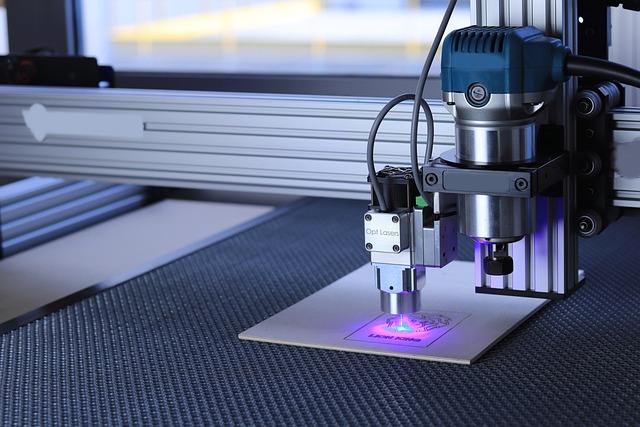
Wood Pro Expo FL Preview Video: New CNC Nesting Cell
The latest CNC nesting cell showcased at Wood Pro Expo FL represents a major step in the evolution of woodworking automation. The system unites routing, material handling, and software control in one coordinated platform. For manufacturers, this means faster setups, less waste, and repeatable accuracy even on complex runs. The technology behind cnc routing wood now focuses as much on data flow as on cutting precision. Facilities adopting these integrated cells are reporting measurable gains in yield and uptime, signaling a new benchmark for smart manufacturing in the wood industry.
CNC Routing Wood and the Evolution of Nesting Cell Technology
The woodworking sector has shifted from isolated machines to fully integrated systems. This change is not only about speed but also about connecting every stage of production into one digital thread that drives consistency and flexibility.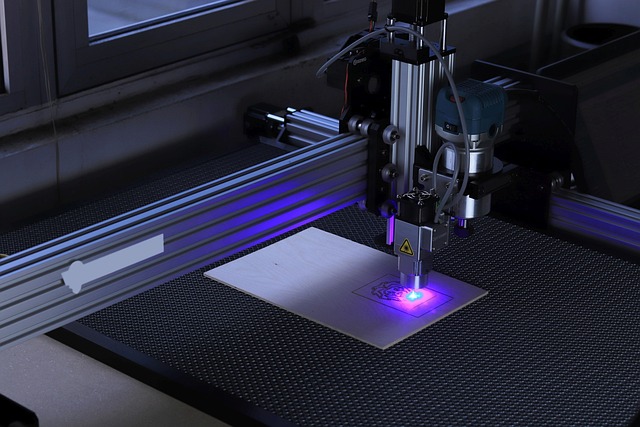
The Shift Toward Integrated Manufacturing Systems
Modern woodworking facilities are embracing CNC nesting cells to streamline production lines. Integration between routing machines, conveyors, and nesting software reduces setup time while improving coordination between tasks. Automation within these systems maintains consistent quality across small-batch or mass production environments. As plants scale up, this integration becomes crucial for maintaining delivery schedules without increasing labor intensity.
The Role of CNC Routing in Advanced Woodworking Operations
CNC routing wood allows precise cutting, shaping, and drilling within a single automated workflow. Multi-axis routers extend design possibilities by handling intricate geometries while keeping tolerances tight. Toolpath optimization software plays a vital role here—it arranges cuts to minimize tool travel and material waste, which directly impacts throughput efficiency. In high-mix production settings, such optimization can reduce idle time by up to 20 percent.
Components of the New CNC Nesting Cell
The new generation of nesting cells combines mechanical innovation with smart controls. These systems are designed to fit compactly into existing layouts while offering modular scalability for future upgrades.
Components of the New CNC Nesting Cell
As woodworking plants modernize, machine architecture and automation must evolve together. The current designs reflect lessons learned from both high-speed machining and robotics integration.
Machine Architecture and Design Improvements
Enhanced gantry structures provide rigidity for high-speed cnc routing wood operations. Servo-driven motion systems deliver repeatable precision even when cutting complex curves or deep pockets. Manufacturers are also focusing on reducing footprint size so that machines occupy less floor space without compromising performance—a key advantage for shops balancing multiple workflows in limited areas.
Automation and Material Handling Integration
Automation is redefining how materials move through a nesting cell. Robotic arms now handle sheet loading and unloading automatically, reducing manual lifting tasks. Vacuum pod systems hold panels securely during routing while automated conveyors transfer finished parts to downstream processes. Intelligent sensors track each sheet’s movement to prevent misfeeds or downtime events that can disrupt scheduling.
Software Coordination in the Nesting Process
Software serves as the brain of the system. CAD/CAM integration enables real-time nesting optimization based on available stock sizes or leftover offcuts. Dynamic scheduling tools reorder jobs automatically to balance machine utilization throughout shifts. Cloud-based data exchange allows remote monitoring so supervisors can analyze performance trends or predict maintenance needs before failures occur.
Efficiency Gains Through CNC Routing Wood in Nesting Applications
Efficiency improvements come from combining mechanical speed with digital intelligence. Each subsystem contributes—motion control reduces cycle time, software boosts yield, and automation minimizes operator intervention.
Reduction in Material Waste and Optimization of Yield
Advanced nesting algorithms arrange parts tightly across each sheet to reduce scrap rates significantly. Real-time feedback during cutting lets operators fine-tune parameters for better yield rates when working with variable materials like plywood or MDF. Automated offcut tracking catalogs reusable remnants for future jobs, promoting sustainability alongside cost savings.
Time Savings Through Simultaneous Operations
Parallel tool changes keep machines running continuously by preparing the next cutter while another completes its pass. Integrated dust extraction clears debris instantly so cutting paths remain clean for accurate edges. Coordinated motion control allows simultaneous operations across multiple zones within one table—effectively multiplying productivity without adding more machines.
Enhancing Production Consistency and Repeatability
Digital calibration routines maintain uniform tolerances from batch to batch regardless of operator skill level. Automated tool compensation detects wear patterns through sensors and adjusts offsets automatically during runtime. Data logging captures every parameter change for traceability during quality audits or certification checks required by large clients.
Implications for Future Woodworking Manufacturing Cells
The next phase of cnc routing wood technology will focus on adaptability—scaling capacity up or down quickly while maintaining environmental responsibility and workforce engagement.
Scalability and Customization Potential
Modular cell designs let factories expand capacity by adding modules rather than replacing entire lines. Configurable software platforms adapt easily to different product lines such as cabinetry or acoustic panels without reprogramming from scratch. When connected with Manufacturing Execution Systems (MES), these cells provide enterprise-wide visibility into performance metrics like utilization rates or energy consumption.
Sustainability Considerations in CNC Routing Wood Processes
Nesting optimization directly supports sustainability goals by reducing raw material use per finished unit. Energy-efficient spindle motors cut power draw during long shifts while maintaining torque stability under load. Digital documentation workflows replace paper-based job sheets, aligning with broader eco-friendly manufacturing practices encouraged by ISO environmental standards.
Workforce Adaptation and Skill Development Needs
As automation expands, operators transition from manual machining roles toward system supervision positions focused on diagnostics and programming oversight. Training programs now emphasize interpreting data dashboards rather than purely mechanical adjustments. Collaboration between human expertise and automated intelligence remains essential—people still make judgment calls that machines cannot replicate perfectly yet.
FAQ
Q1: What is a CNC nesting cell?
A: It’s an integrated manufacturing unit combining routing machinery, material handling automation, and software coordination designed for efficient panel processing.
Q2: How does cnc routing wood improve accuracy?
A: By using servo-driven motion systems and calibrated toolpaths that maintain consistent tolerances across repeated cycles.
Q3: Can small shops benefit from this technology?
A: Yes, compact models with modular components allow smaller operations to adopt automation gradually without major layout changes.
Q4: What sustainability advantages do nesting cells offer?
A: They minimize waste through optimized part placement, use energy-efficient motors, and support digital recordkeeping instead of paper logs.
Q5: How is workforce training evolving around these systems?
A: Operators now focus more on monitoring performance data, managing software updates, and preventive maintenance rather than manual cutting tasks.