How CNC Routing Machines Define the Future of Intermediary CNC Cutting Devices
Intermediary CNC Cutting Devices
CNC routing machines have evolved into indispensable tools bridging manual craftsmanship and automated precision manufacturing. These intermediary devices deliver high accuracy, scalability, and material versatility without the prohibitive cost of full industrial systems. They now play a strategic role in lean production, offering manufacturers flexible solutions for both prototyping and small-batch fabrication. The evolution of motion control, software integration, and multi-material processing has transformed CNC routers from simple mechanical tools into intelligent systems central to modern manufacturing workflows.
The Evolution of CNC Routing Machines in Modern Manufacturing
CNC routing machines did not emerge overnight; their development reflects decades of mechanical innovation and digital transformation. From early hand-operated routers to today’s multi-axis computer-controlled systems, each stage addressed the limitations of its predecessor.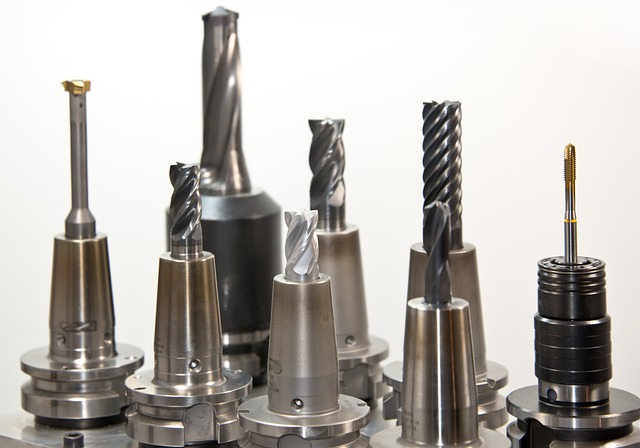
Historical Development of CNC Routing Technology
Early mechanical routers relied heavily on operator skill. Precision was limited by physical guides and templates, restricting complex geometry and repeatability. The introduction of computer numerical control (CNC) in the mid-20th century replaced manual input with coded instructions, allowing consistent accuracy across production runs. As computing power increased, advanced software enabled real-time toolpath generation for intricate 3D surfaces and multi-axis operations once impossible with manual routing.
The Role of CNC Routers as Intermediary Cutting Devices
Between entry-level desktop cutters and large-scale machining centers, intermediary CNC routers occupy a crucial niche. They balance affordability with industrial-grade performance, serving workshops that demand flexibility without heavy capital investment. These machines can process wood, composites, plastics, and even non-ferrous metals using appropriate tooling setups. Their adaptability makes them ideal for small manufacturers seeking scalable automation while maintaining control over production costs.
Technological Advancements Driving CNC Routing Machines
The progress in CNC routing machines is primarily driven by precision engineering and digital integration. Manufacturers continuously refine mechanical components and software systems to achieve higher accuracy, reliability, and autonomy.
Precision Engineering and Motion Control Systems
Servo motor technology has advanced significantly, improving both torque response and positional feedback accuracy. Linear guideways combined with precision ball screws minimize backlash while maintaining smooth motion at high speeds. Dynamic compensation algorithms further enhance stability by adjusting for tool deflection or vibration during cutting—critical when machining lightweight materials or fine details.
Software Integration and Automation Capabilities
Modern CNC routers rely on synchronized CAD/CAM environments where design data flows directly into machine code without manual translation errors. Real-time monitoring systems now track spindle load, temperature, and vibration to predict maintenance needs before failures occur. Adaptive control algorithms adjust feed rates dynamically based on cutting conditions, optimizing both surface quality and tool life with minimal operator input.
Material Processing Capabilities of Modern CNC Routers
Material diversity defines the utility of intermediary routers. Their ability to handle multiple substrates efficiently extends their reach across industries from furniture to aerospace composites.
Multi-Material Compatibility in Intermediary Systems
Tooling innovation enables efficient cutting across materials with varying densities and thermal properties. Managing thermal expansion is key when switching between plastics and metals; proper chip evacuation prevents heat buildup that could distort parts or dull tools prematurely. Variable spindle speeds allow operators to fine-tune surface finishes depending on substrate hardness or grain direction.
Innovations in Tooling and Cutting Strategies
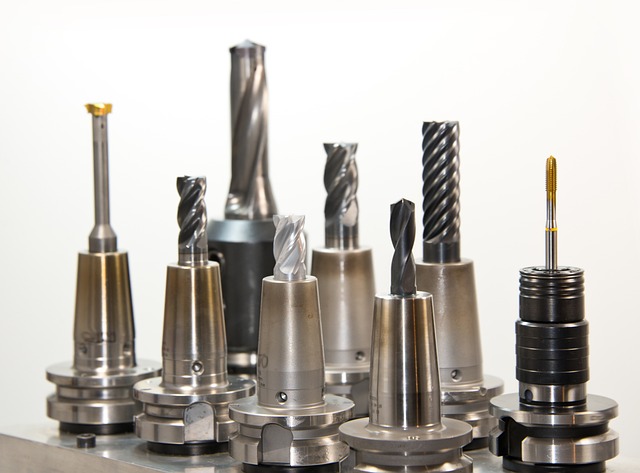
Hybrid tool heads combining milling, engraving, and drilling functions reduce setup time while expanding operational capability within a single machine frame. Coated carbide tools withstand abrasive materials like carbon fiber composites longer than standard steel bits. High-speed machining (HSM) techniques push feed rates higher without compromising accuracy—boosting throughput for short-run production lines where time equals cost.
The Strategic Role of CNC Routers in the Manufacturing Ecosystem
CNC routers serve as the connective tissue between conceptual design stages and full-scale production environments. Their flexibility supports rapid iteration while maintaining consistent dimensional integrity across batches.
Bridging the Gap Between Prototyping and Mass Production
In product development cycles, intermediary routers enable quick prototype fabrication directly from CAD models without retooling delays typical of injection molding or stamping processes. Small-batch runs benefit from this agility since design revisions can be implemented instantly through updated digital files rather than physical mold changes. Reduced material waste aligns these operations closely with lean manufacturing principles emphasizing efficiency over volume.
Integration with Other CNC Technologies
In hybrid manufacturing setups, routers often complement laser cutters or waterjets—each device handling specific material characteristics or tolerances within a unified workflow. Data interoperability through standardized communication protocols such as MTConnect or OPC UA allows seamless coordination among different machine types inside smart factories connected via IoT frameworks.
Emerging Trends Defining the Future of Intermediary CNC Cutting Devices
Automation is reshaping how intermediary routers operate within modern plants. Robotics integration and sustainability initiatives are steering future designs toward greater intelligence and environmental responsibility.
Automation, Robotics, and Smart Manufacturing Synergies
Collaborative robots (cobots) are increasingly deployed alongside routers for loading raw sheets or unloading finished parts safely around human operators. Artificial intelligence-driven process tuning adjusts parameters automatically based on historical performance data to improve consistency across shifts or facilities. Autonomous calibration modules maintain axis alignment over time without manual intervention—a key factor for long-term reliability in continuous-use environments.
Sustainability and Energy Efficiency Considerations
Manufacturers are developing energy-efficient spindle motors that consume less power during idle cycles while maintaining torque under load. Machine frames built from recyclable alloys reduce overall environmental impact during equipment lifecycle renewal phases. Closed-loop cooling systems recycle coolant fluid through filtration units instead of discharging it—saving resources while keeping thermal stability constant during extended operations.
Market Outlook and Industry Implications for CNC Routing Machines
The market trajectory for cnc routing machines reflects broader industrial shifts toward customization, automation accessibility, and sustainability compliance across sectors ranging from automotive interiors to aerospace panels.
Evolving Demand Across Industrial Sectors
Aerospace firms favor routers capable of handling composite laminates used in lightweight structures; automotive suppliers use them for dashboards or trim components requiring tight tolerances yet flexible design changes. Furniture makers appreciate their capacity for intricate carving combined with repeatable output at scale. Small-to-medium enterprises increasingly adopt these systems to automate workflows previously dependent on manual labor but without committing to full-scale machining centers.
Future Opportunities for Innovation and Standardization
Modular router architectures allow users to upgrade spindles or add axes as production demands evolve instead of replacing entire machines—reducing long-term capital expenditure. Industry-wide standardization efforts aim to unify communication among diverse platforms enabling plug-and-play interoperability critical for smart factory ecosystems built on open-source hardware or software foundations that encourage collaborative innovation rather than proprietary silos.
FAQ
Q1: What distinguishes intermediary cnc routing machines from industrial ones?
A: Intermediary models balance affordability with professional-grade precision; they lack the massive work envelopes or horsepower found in heavy industrial systems but deliver comparable accuracy for small-to-medium workloads.
Q2: Can cnc routing machines cut metals effectively?
A: Yes, provided they use appropriate tooling such as coated carbide bits plus controlled feed rates; however, they are typically best suited for non-ferrous metals like aluminum rather than hardened steels.
Q3: How does CAD/CAM integration improve productivity?
A: It eliminates manual programming errors by translating digital designs directly into executable code while enabling faster iteration between design revisions without reconfiguring hardware setups.
Q4: Are modern cnc routers environmentally friendly?
A: Many incorporate energy-saving drives, recyclable construction materials, and closed-loop cooling circuits designed to minimize waste output during operation cycles.
Q5: What industries will drive future growth in cnc routing technology?
A: Aerospace composites manufacturing, custom automotive interiors, advanced furniture design studios, and SME prototyping facilities remain key growth drivers due to their demand for flexible precision fabrication tools.