How Can a Laser CNC Machine Optimize Exhaust Flattening for Space Efficiency
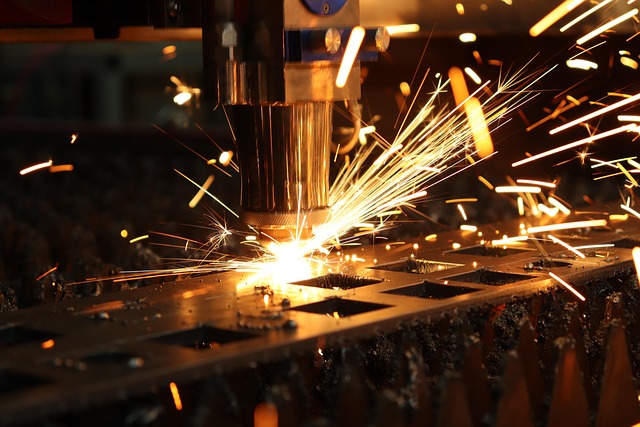
Flattening The Exhaust Of A Laser Cutter To Save Space
In compact fabrication environments, the exhaust system of a laser CNC machine often dictates how efficiently space is used. Flattening the exhaust ducts—reshaping them to occupy less height or width—can significantly free up room without compromising airflow performance. This method not only improves spatial organization but also supports cleaner air handling and steadier thermal regulation. Properly engineered flattened ducts maintain suction efficiency, reduce turbulence, and extend component life. For workshops where every square meter counts, this approach offers a practical path toward streamlined layouts and sustained equipment reliability.
Understanding the Relationship Between Laser CNC Machines and Exhaust Systems
The interaction between a laser CNC machine and its exhaust system defines both performance stability and environmental safety. Fumes, particulates, and heat generated during cutting must be managed effectively to maintain precision and protect sensitive optics.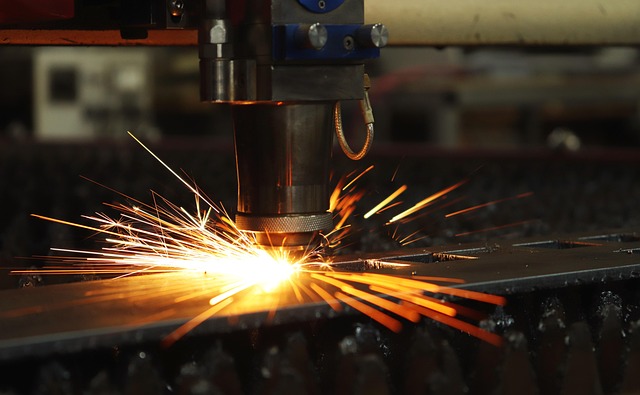
The Function of Exhaust Systems in Laser CNC Operations
Exhaust systems in laser cutting serve multiple purposes: they remove fumes, particulates, and excess heat from the cutting chamber. By maintaining clean air circulation, they safeguard mirrors, lenses, and sensors from contamination. A well-balanced exhaust layout also stabilizes negative pressure inside the chamber, preventing smoke buildup that could distort beam quality. Inefficient extraction increases maintenance frequency and shortens component lifespan due to residue accumulation on optical surfaces.
Spatial Challenges in Traditional Exhaust Configurations
Traditional round ducts typically require long horizontal or vertical runs to reach external vents. These rigid tubes consume valuable wall or ceiling space—an issue magnified in small workshops or mobile setups. Poorly planned duct paths can hinder machine access during maintenance or reduce airflow efficiency by introducing sharp bends that raise static pressure losses. As facilities grow denser with multiple machines, spatial optimization becomes essential for maintaining both safety standards and operational flow.
Principles of Exhaust Flattening for Space Optimization
Flattening an exhaust system involves more than squeezing a pipe; it requires careful aerodynamic modeling to maintain consistent velocity through altered geometry. When done correctly, flattened ducts can route through tight spaces while preserving extraction performance.
Conceptual Overview of Exhaust Flattening
Flattened exhaust design reshapes circular ducts into oval or rectangular profiles with reduced height or width. The goal is to save space without constricting flow area excessively. Computational fluid dynamics (CFD) tools help engineers simulate airflow patterns and predict pressure drops before fabrication begins. By adjusting curvature radii at transitions between circular fans and flattened sections, designers minimize turbulence that could otherwise reduce suction uniformity across the cutting zone.
Material and Structural Considerations in Flattened Ducts
Flattened ducts experience higher stress under negative pressure because their geometry resists collapse less effectively than round pipes. To counter this, manufacturers use reinforced metal alloys or composite laminates with internal ribs for rigidity. Surface smoothness matters as well; rough interiors increase frictional drag and collect debris faster, leading to frequent cleaning cycles. In industrial practice, stainless steel remains preferred for its corrosion resistance and structural stability under fluctuating temperatures.
Integrating Laser CNC Machine Design with Flattened Exhaust Systems
To fully exploit flattened duct advantages, integration should begin at the design stage of the laser CNC machine itself rather than as an afterthought retrofit.
Modifying Machine Enclosures for Compact Duct Integration
By designing enclosures that accommodate flattened exhaust paths internally, manufacturers can eliminate external clutter around the machine base or rear panel. Internal routing reduces exposure of ductwork to accidental impacts from carts or tools in busy workshops. Modular side panels allow technicians to access sections easily for inspection or replacement without dismantling large assemblies—a practical feature when uptime is critical.
Optimizing Airflow Dynamics Between Machine Chamber and Exhaust Outlet
Airflow uniformity across the cutting bed prevents localized fume pockets that degrade cut quality or damage optics over time. Smooth transition zones between circular blowers and flattened ducts are vital; abrupt geometry changes generate turbulence that lowers overall extraction efficiency. Adjustable dampers installed along branch connections help balance suction levels among multiple outlets within one enclosure—a necessity when processing materials with varying emission rates such as acrylic versus stainless steel.
Performance Implications of Flattened Exhaust Designs
Flattening affects both mechanical resistance and thermal management characteristics of an exhaust network. Properly tuned geometries can offset these effects through proportional dimension adjustments.
Impact on Airflow Efficiency and Pressure Drop
Any deviation from circular cross-sections slightly increases frictional losses due to higher perimeter-to-area ratios. Engineers compensate by widening flattened sections marginally so that total cross-sectional area remains constant. CFD validation confirms that laminar flow can still be maintained when aspect ratios stay within tested limits—typically below 4:1 for most metals used in industrial ventilation systems. Stable negative pressure ensures consistent fume removal even under variable cutting loads.
Influence on Thermal Management and Component Longevity
Efficient fume evacuation also aids temperature control inside the laser compartment. Lower internal heat buildup keeps electronics cooler and preserves optical alignment over long production runs. Reduced thermal stress extends mirror coatings’ service life while minimizing calibration drift common in high-temperature environments. Clean airflow paths further protect sensors from particulate fouling—a subtle but measurable factor in maintaining repeatable precision cuts.
Implementation Strategies for Workshop Space Optimization
Applying flattening concepts differs depending on whether the facility is existing or newly constructed; both scenarios demand precise measurement and airflow verification before installation.
Retrofitting Existing Laser CNC Installations with Flattened Exhausts
For existing setups, retrofitting usually targets specific segments where clearance is limited—such as behind machines placed near walls or beneath mezzanine floors. Custom-fabricated flattened sections replace round elbows at those points while keeping upstream fans unchanged. Flexible couplings simplify assembly by absorbing minor misalignments between old and new duct portions. Field technicians often perform smoke tests afterward to confirm there are no dead zones or leaks before resuming production.
Designing New Facilities Around Compact Ventilation Layouts
When planning new workshops from scratch, integrating flattened ducts early allows designers to conceal them within floor trenches or ceiling cavities without sacrificing accessibility. Grouping several laser CNC machines into shared manifolds minimizes redundant piping runs while centralizing filtration units for easier maintenance scheduling. Each branch line retains its own damper valve so operators can isolate individual machines during servicing without halting others—a small but valuable productivity gain in multi-unit operations.
Future Directions in Laser CNC Exhaust System Engineering
Emerging technologies are transforming how exhaust systems operate—from passive conduits into intelligent subsystems capable of self-regulation based on real-time conditions.
Smart Monitoring and Adaptive Flow Control Technologies
Modern installations increasingly incorporate embedded sensors measuring temperature gradients, static pressure differentials, and particulate density along the duct path. Data feeds into AI-driven controllers that automatically adjust fan speeds according to workload intensity or detected air quality thresholds defined by ISO 14644 cleanroom standards. Predictive algorithms forecast filter clogging trends before visible performance drops occur—reducing unscheduled downtime significantly compared with manual inspection routines.
Sustainable Approaches to Compact Exhaust Design
Sustainability now factors heavily into ventilation engineering choices for manufacturing sectors worldwide. Recyclable materials such as aluminum alloys support circular economy goals while lowering embodied energy costs during production cycles reported by IEA industrial efficiency studies (2023). Pairing high-efficiency EC fans with optimized flattened geometries cuts electricity consumption over time without compromising suction strength. Some advanced systems even integrate heat recovery exchangers that redirect extracted warm air back into ambient heating loops—an elegant synergy between environmental stewardship and operational savings.
FAQ
Q1: What benefits does flattening a laser cutter’s exhaust provide?
A: It saves workshop space while maintaining efficient airflow removal of fumes and heat from the laser CNC machine’s chamber.
Q2: Does flattening affect suction strength?
A: Slightly if poorly designed; however, correct aspect ratios preserve negative pressure levels comparable to round ducts.
Q3: Can existing systems be modified easily?
A: Yes, through retrofitted flattened sections installed at critical bends using flexible couplings for alignment tolerance.
Q4: How does this impact maintenance schedules?
A: Cleaner internal surfaces reduce residue buildup frequency, allowing longer intervals between servicing cycles.
Q5: Are there environmental advantages?
A: Using recyclable metals and energy-efficient fans contributes to lower carbon footprints while improving indoor air quality standards defined by international safety codes like ISO 14001.


