How Laser Metal Cutting Machine Innovations Will Shape Manufacturing Efficiency in 2026

2026 Outlook: Laser Technology Driving Efficiency and Sustainability in Global Manufacturing
By 2026, the laser metal cutting machine industry is set to redefine manufacturing precision, energy efficiency, and sustainability. The sector’s growth will be fueled by AI integration, smart factory ecosystems, and eco-conscious design principles. Fiber lasers with enhanced beam quality will dominate industrial applications, while digital twins and predictive analytics will reshape production planning. The next generation of laser systems won’t just cut metal faster; they’ll cut costs, carbon emissions, and downtime simultaneously.
Emerging Trends in Laser Metal Cutting Machines for 2026
The evolution of laser metal cutting machines reflects a broader industrial shift toward intelligent automation and data-driven control. Manufacturers are investing in technologies that merge optical engineering with computational intelligence to meet rising demands for flexibility and sustainability.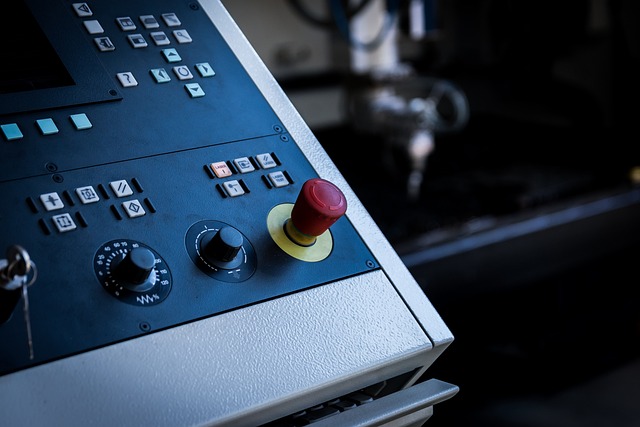
Technological Advancements Driving the Next Generation of Laser Systems
AI and machine learning are transforming adaptive cutting control by allowing systems to self-adjust parameters in real time based on material feedback. This enables consistent edge quality even under variable conditions. Ultrafast fiber lasers are now achieving higher beam coherence with lower power consumption, making them ideal for aerospace alloys and precision automotive parts. Improved automation interfaces also allow operators to monitor multiple machines through unified dashboards, optimizing throughput without manual intervention.
The Shift Toward Smart Manufacturing Ecosystems
Laser systems are increasingly connected to industrial IoT networks that collect performance data from every stage of the process. Predictive maintenance models use this data to anticipate component wear before failures occur, reducing unplanned downtime. Integration with robotic handling units further ensures that material loading, cutting, and unloading proceed seamlessly within a single automated cell—an essential feature for high-volume fabrication plants.
Enhancing Manufacturing Efficiency Through Innovation
Efficiency gains in laser metal cutting now depend as much on software as hardware. Manufacturers are using advanced control algorithms to synchronize motion systems, optics, and energy delivery with unprecedented accuracy.
Redefining Production Speed and Precision
High-power lasers exceeding 30 kW have shortened cycle times for thick steel plates by nearly half compared to earlier models. Enhanced servo drives reduce repositioning delays between cuts, while new optical assemblies maintain micron-level precision even at high traverse speeds. These improvements make it possible to produce intricate components at scale without sacrificing tolerance.
Energy Optimization and Cost Reduction Strategies
Adaptive power modulation allows the laser source to scale output dynamically during idle or low-load phases, minimizing waste heat generation. New liquid-cooled modules have cut energy use in auxiliary systems by up to 20%, lowering operational costs while meeting stricter environmental targets. Lightweight gantry structures made from composite alloys further reduce inertia, improving both speed and mechanical stability.
Sustainability as a Core Design Principle in Laser Cutting Technology
Sustainability has moved from optional feature to central design goal in modern laser systems. Equipment manufacturers now focus on reducing lifecycle emissions alongside performance metrics.
Eco-Efficient Manufacturing Processes
Precise beam path optimization helps minimize scrap material during nesting operations. Closed-loop gas recycling units recover assist gases like nitrogen or oxygen for reuse, significantly reducing consumption per job. Some facilities have begun powering their laser lines entirely through renewable energy sources such as solar microgrids or wind-based supply contracts.
Circular Economy Integration in Equipment Lifecycle Management
Modular design approaches allow individual components—optics modules or motion axes—to be replaced or upgraded instead of discarding entire machines. Predictive lifecycle analytics track wear patterns across thousands of hours of operation to extend service intervals intelligently. End-of-life recycling programs reclaim metals from frames and electronic boards, aligning production equipment with circular economy standards promoted by ISO 14001 guidelines.
The Role of Digitalization in Future Manufacturing Workflows
Digital transformation is reshaping how factories plan, monitor, and refine their operations around laser technology. Data has become the new raw material driving productivity gains across industries.
Data-Centric Production Management Systems
Cloud-connected dashboards now deliver real-time performance tracking across global production sites. Linking MES platforms directly with laser operations enables automatic scheduling adjustments when tool conditions change or demand spikes occur. Data-driven decision-making improves resource allocation while maintaining consistent quality benchmarks across shifts and facilities.
Virtual Simulation and Process Modeling Innovations
Digital twins replicate physical cutting environments virtually to test parameters before actual execution, saving both time and materials during setup phases. Simulation software can predict thermal distortion across different alloys or thicknesses—critical when fabricating turbine blades or EV battery housings where tolerances are tight. Virtual commissioning shortens line installation cycles by verifying logic sequences before hardware deployment.
Global Market Dynamics Influencing Adoption in 2026
The adoption curve of advanced laser metal cutting machines will depend heavily on regional investments and policy frameworks promoting smart manufacturing initiatives.
Regional Investment Patterns and Industrial Policy Impacts
Government incentives across Asia-Pacific nations are accelerating the establishment of digital manufacturing hubs equipped with next-gen fiber lasers. In Europe, carbon-neutral production mandates push factories toward energy-efficient machinery upgrades supported by public funding schemes. North American markets see strategic partnerships between OEMs and research institutes driving innovation pipelines for defense-grade materials processing.
Competitive Landscape Shaped by Innovation Speed and Customization Capability
Manufacturers differentiate themselves through proprietary beam delivery architectures that enhance focus stability at long working distances. Customized configurations tailored for aerospace fuselage panels or automotive chassis components are gaining traction as clients demand specialized solutions over standard models. Consolidation among major OEMs strengthens R&D capacity while expanding global service networks capable of supporting integrated automation platforms.
Workforce Transformation in the Era of Intelligent Laser Systems
As automation expands, human expertise remains crucial—but its nature is changing fast toward analytical supervision rather than manual operation.
Evolving Skill Requirements for Manufacturing Professionals
Engineers now require proficiency in AI-based control logic alongside traditional optics knowledge. Cross-disciplinary training programs combine materials science with robotics fundamentals to prepare technicians for hybrid digital environments. Continuous upskilling initiatives align workforce capabilities with Industry 4.0 standards defined by organizations such as IEC TC44 on safety integration within automated equipment.
Human-Machine Collaboration Enhancing Operational Safety and Productivity
Augmented reality interfaces assist operators during setup by overlaying visual guides directly onto machine workspaces through smart glasses. Remote monitoring centers provide safe oversight of high-power lasers operating autonomously overnight shifts—a necessity where exposure risks exist. Collaborative robots handle part positioning tasks near active beams while maintaining strict safety interlocks governed by ISO 10218 standards.
FAQ
Q1: What makes a modern laser metal cutting machine more efficient than older models?
A: Newer systems combine AI-driven controls with fiber laser sources that deliver higher power density at lower energy consumption rates, improving both speed and precision simultaneously.
Q2: How does predictive maintenance benefit manufacturers?
A: It uses sensor data analytics to forecast potential failures early, allowing timely interventions that prevent costly downtime or component damage.
Q3: Are sustainable practices truly cost-effective in laser manufacturing?
A: Yes, closed-loop cooling and gas recycling reduce resource use over time while renewable-powered operations can offset rising electricity costs under carbon pricing regimes.
Q4: Which industries lead adoption of high-end laser cutting technology?
A: Aerospace, automotive, renewable energy infrastructure, and heavy machinery sectors remain top adopters due to their demand for accuracy under complex geometries.
Q5: What skills will engineers need most by 2026?
A: Expertise in AI process tuning, digital twin simulation tools, optics calibration techniques, and familiarity with international safety standards governing automated production lines.