How CNC Milling Machine Demand Shapes Europe CNC Market Growth
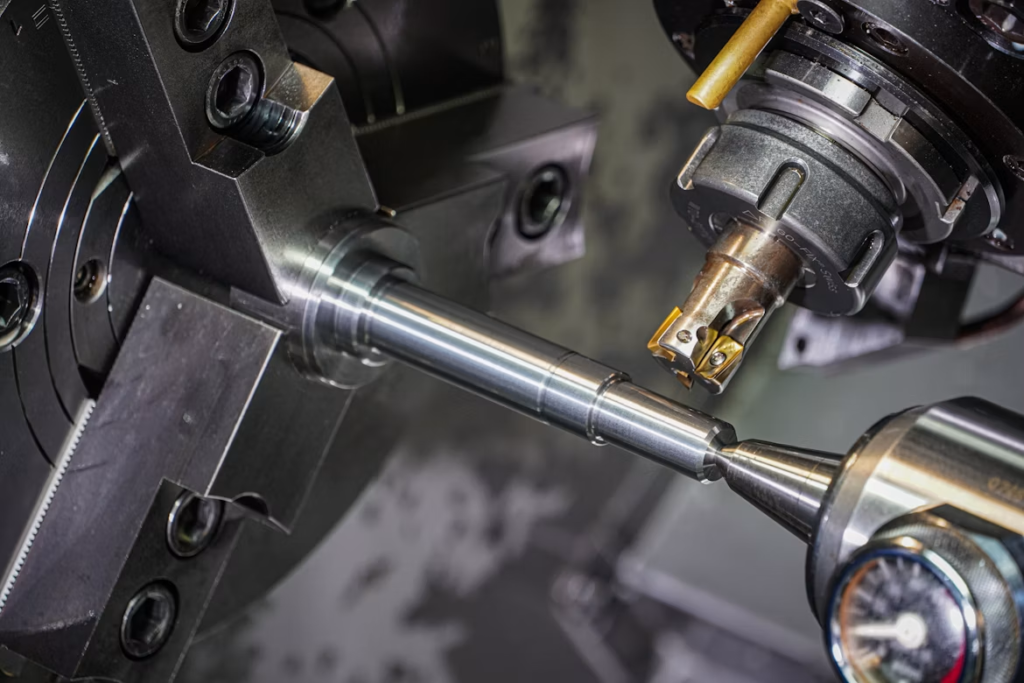
The European CNC milling machine market is moving forward very fast. This shift is happening because of robot work, digital updates, and fresh factory setups. Big groups like car makers, airplane builders, and fine tool creators keep buying these tools quickly. Western Europe stays in the lead with its strong, older setups. At the same time, Eastern Europe is catching up fast through new money inputs. The path of the market shows a mix of combined technology, green goals, and rule help from the EU industrial plan. In general, CNC machining plays a main role in making Europe’s factory world much more ready to race with others.
Overview of the CNC Milling Machine Market in Europe
The European market for CNC milling machines is going through a deep change in its shape. Automatic factory work has become the biggest force behind this transformation. Making companies are not just fixing up old shops. They are also building fresh production setups around computer controls and exact cutting work.
Current Market Landscape and Key Drivers
Automatic factory trends stay the main engine of growth across Europe’s CNC machining world. Companies rely more and more on computer-guided cutting to get exact shapes. They need to do this over and over again in their shops. Car makers use these setups to handle twisted engine shapes. At the same time, airplane companies depend on them to build light parts. Fine tool makers also buy a lot of gear. They focus on making tight-fitting parts for medical tools and small electronics. Government plans that help new factory technology give this movement an extra push. Programs like Germany’s “Industrie 4.0” or the EU’s “Digital Europe Programme” help small shops buy smart tools. They encourage data-driven work. These rules create good reasons for small and medium-sized enterprises, which people call SMEs, to spend money on modern CNC gear that lifts their total output.
Regional Distribution of CNC Milling Machine Demand
Europe shows an uneven but matching map of buying choices. Western Europe stays the biggest center because of its old factory roots in lands like Germany, Italy, France, and the UK. These countries are home to old machine tool makers. They also have top research spots focused on new metalworking ways. Eastern Europe shows growing power. Nations like Poland, Hungary, and the Czech Republic pull in outside money. This money aims to lift local factory lines to a higher level. Factory update programs helped by EU cash are helping these spots close the tool gap with Western teams. Buying and selling across borders inside the European Union helps spread technology easily across markets. The free movement of items allows machine tools built in Germany or Switzerland to reach buyers in Central or Southern Europe quickly. This smooth path spreads the total market reach.
Factors Influencing CNC Milling Machine Demand Across Europe
CNC milling needs change across different lines of work but share the same tech roots. The move toward smarter shops and easy-to-change setup lines guides how companies judge new gear purchases.
Technological Advancements Driving Adoption
New tech ideas drive a big part of today’s buying curve. Putting in IoT sensors allows workers to watch spindle speed, heat, and shaking while the tool runs. These are key data points for smart repair plans. Artificial intelligence helps fix work steps by looking at tool wear paths. It can also change feed speeds by itself during a job. Multi-axis skills have become a basic feature among top models. Five-axis milling allows tools to move along many paths at the same time. This drop in setup time helps workers make twisted part shapes in just one pass. This skill leads straight to higher exactness and shorter wait times. Robot answers also play a big role in cutting down on the need for human hands and lowering daily costs. Robot loading systems joined with night shifts where no humans stay in the shop allow non-stop building without losing quality steps.
Shifts in Manufacturing Practices and Production Efficiency
Factory bosses are rethinking their daily paths under lean ideas. These ideas focus on cutting out waste and making things run better. Flexible CNC systems fit perfectly into these plans. They can switch from one product type to a different one fast without long tool changes. High-mix, low-volume building is very common in custom car parts or airplane test models. This style needs easy-to-change cutting choices that can handle quick design shifts well. Energy-saving shapes add more value as companies match their shops with green goals set under EU nature rules.
Impact of CNC Milling Machine Demand on Market Growth Dynamics
The growing hunger for advanced cutting systems has wide outcomes past basic sales numbers. It changes supply paths and price plans across the whole area.
Influence on Production Capacity and Supply Chain Structures
Rising demand forces machine tool builders to grow their space. They do this by adding new line setups or fixing up current shops with digital twins to test tool action on a screen before real use. Parts suppliers that sell spindles, bearings, or straight guides gain from bigger order files tied to this growth track. As buyer needs split into different paths, supply line updates become vital. Needs go from tiny micro-milling tools for watches to giant, heavy tools for boat building. Many European builders now use modular part buying plans. These plans allow quicker custom updates while keeping costs under control.
Effect on Pricing Strategies and Competitive LandscapeLandscape
The race among European builders gets hotter as both local teams and Asian sellers fight for market space. Instead of just fighting on low price numbers, firms show differences through new ideas. They add AI-based software groups or offer distant checks through cloud setups. Price pressure stays strong because of global races. To keep making money, companies build low-cost but high-action tools. They use light materials or simpler mechanical setups without losing their exact touch. Smart team-ups between OEMs and software sellers have become a common sight as digital systems grow more complex. These partnerships strengthen what companies offer by mixing mechanical mastery with smart control designs.
Sectoral Demand Patterns Shaping the CNC Market in Europe
Field-specific actions guide where investment cash moves within the CNC machining map across Europe’s business world.
Automotive Industry Applications
CNC milling stays a must-have tool for building vital car parts. These include cylinder heads, gear boxes, or frame shapes that need micron-level fits. As electric vehicle adoption moves faster across Europe, buying interest shifts toward light aluminum or mixed materials. These materials need special cutting settings. Exact needs in EV motor boxes push tool makers to upgrade their shake-catching systems and spindle safety at high speeds. This is a clear sign that electric power is changing the technical goals inside car factory lines.
Aerospace and Defense Manufacturing Needs
Airplane jobs demand amazing exactness when workers shape turbine blades or body parts from titanium mixes or carbon sheets. Multi-axis tools rule this field because they can handle tricky shapes while keeping the material surface whole under tight safety rules from groups like EASA or NATO buying lines. Defense updates across lands like France or Italy spark long-term buying tracks for fine gear used in radar boxes or rocket parts. This push gives a steady lift to the demand for top-end cutting tools.
Emerging Trends Influencing Future Market Development
Looking forward, two huge forces will guide how European factory teams grow: digital moves through smart shop setups and green design choices.
Digitalization and Smart Factory Integration
Smart shops rely more and more on linked CNC systems tied into wider manufacturing execution networks, which people call MES. Cloud-based data setups allow distant watching across many separate shops. At the same time, smart data tools spot repair needs before a machine stops working. Joining these tools with enterprise resource planning platforms, known as ERP, makes sure design offices and shop floors talk smoothly. This is a key step toward fully digital value paths where every spindle turn gives data back into endless improvement loops.
Sustainability and Green Manufacturing Initiatives
Green goals are no longer just words for marketing. They are a real design focus inside modern machine tools. Energy-saving spindles cut power use by a lot when machines sit still. Closed-loop cooling setups lower water waste during heavy cutting jobs. Re-using habits are gaining ground too. Metal chips gathered during CNC machining work are melted back into raw material lines. This steps helps circular economy goals pushed under EU climate plans. Builders also try out safe, green cutting liquids that keep tools slippery without hurting nature.
Strategic Outlook for European CNC Milling Machine Manufacturers
To keep their leading spot against global teams, European builders must match their R&D spend with new tech paths. They also need to use regional rule help lines well.
Investment Priorities for Long-Term Competitiveness
R&D money goes more and more into hybrid tools. These tools mix additive building, like 3D printing, with old subtractive milling. This mix allows quick prototype building alongside final smoothing within just one machine setup. Growing through buys or shared business setups helps firms reach new spots in Eastern Europe. In those zones, factory growth beats Western markets in numbers, though not yet in tech levels. Fix-it help changes too. Smart repair contracts that use sensor data now act as steady income streams rather than basic warranty sheets. This shift deepens ties with buyers over long timelines.
Opportunities Arising from Policy Support and Industrial Transformation
EU cash programs aimed at small shop digital updates keep opening doors for lesser workshops. These teams can move toward smart CNC machining setups without paying full equipment costs all at once. Shared projects between schools like TU Munich or Politecnico di Milano speed up new ideas. They turn school research straight into real store models ready for factory growth. Rule steps led by CEN work to match communication paths among different brands of control software. This move is expected to clear up joining challenges faced by big firms that run mixed tool groups across shops in separate lands.
FAQ
Q1: What fields drive most of the buying for CNC milling machines in Europe? A: Car makers, airplane builders, defense teams, medical tool creators, and fine part engineers stay the main groups feeding steady investments. They need these tools because they must have high-accuracy parts.
Q2: How does the digital shift change the European CNC machining market? A: It speeds up the buying of smart, linked tools that can do live tracking and smart repair planning. These tools plug right into shop-wide ERP and MES networks, lifting output numbers by a lot.
Q3: Which spots show the fastest growth power? A: Eastern European lands like Poland, Hungary, and Romania show great speed. They are helped by outside cash inflows aimed at building up factory setups to match EU update goals.
Q4: What green steps are catching on among builders? A: Energy-saving spindles, reusable metal chip setups, safe lubricants, and tools that use less power when waiting all help create greener actions that match EU climate targets.
Q5: Why are hybrid print-and-cut machines becoming popular? A: They join 3D printing choices with classic fine cutting. This mix allows quicker test runs while cutting material waste. It is perfect for airplane tools or custom car parts that need rare shapes at a lower cost per piece.