Can A CNC Milling Machine Rival The Precision Of A Desktop CNC Lathe
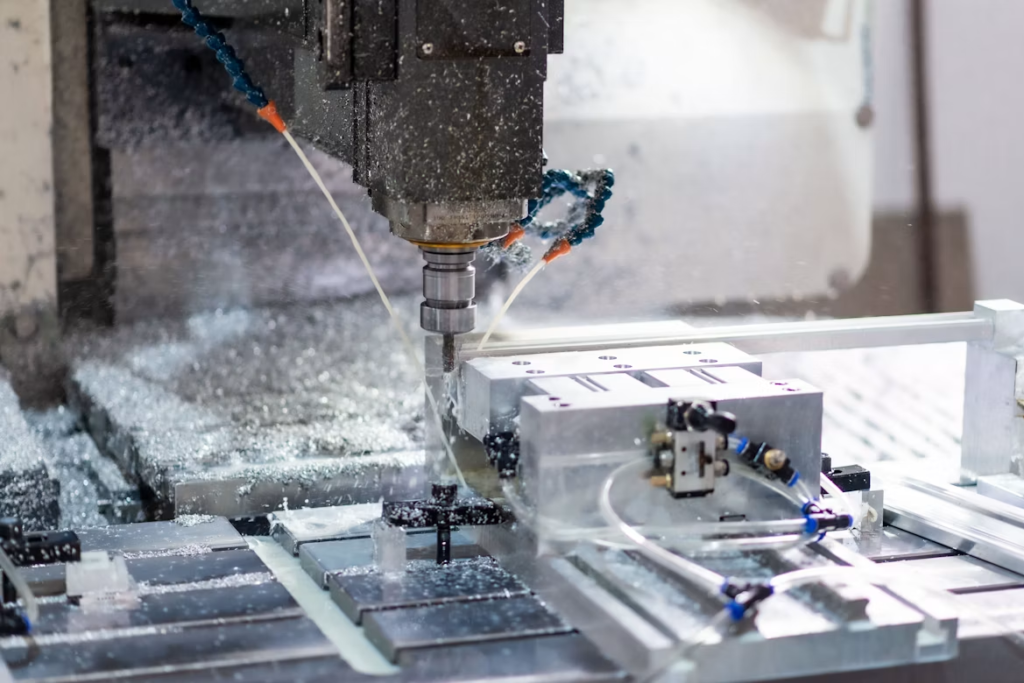
Making exact parts has grown past giant factory gear. Today, small desktop CNC lathes are testing classic milling machines in correctness and flexible use. Yet, even with their shared computer controls and automatic tool path makers, the two tools serve totally separate engineering goals. The quick answer is no. A CNC milling machine cannot fully match a desktop CNC lathe in spinning exactness. However, it beats the lathe when you need multi-axis complex shapes and fine surface details.
Comparing the Capabilities of CNC Milling Machines and Desktop CNC Lathes
The matchup between these two setups starts with their basic mechanical rules. Each way shapes material differently. One uses a spinning part, and the other moves in straight lines.
Core Functional Differences Between Milling and Turning Processes
A CNC milling machine cuts away material by moving a spinning blade across a still workpiece along many lines. In a different way, a lathe spins the workpiece itself while still tools cut away the extra material. This setup sets their true working fields. Milling fits blocky shapes like outer boxes or molds. At the same time, turning shines at round parts such as long shafts or rings. The shape of the part decides which process gives a better final fit. For example, when making matching center holes or screw lines, lathes keep better roundness because of steady spinning balance. However, milling machines handle flat faces and twisted outlines much better through smooth multi-axis movement all at once. The way the computer plans the path also matters. In milling, changing spindle speeds and feed rates change the chip size and surface texture. Meanwhile, turning jobs rely on steady surface speed controls. This step keeps the cutting pressure even across different widths.
Evaluating Precision Parameters in Both Systems
Exactness in any CNC setup relies on strong builds and control loops. Loose parts in the drive screws, spindle wobble, and tool bending change the final size. Desktop CNC lathes often get tighter center matching. They do this because their spinning line naturally keeps all cuts around a single middle point. Milling machines fight this with heavy frames and smart software fixes. These updates keep flat faces true across big areas. High-end big store models can hold sizes within 0.005 mm when workers tune them right. The final look also changes. Turning leaves spiral tool marks but gives very steady width control. Milling makes flat surfaces that are perfect for tight seals or matching parts.
Advances in Desktop CNC Lathe Technology
The growth of small-scale workshop building has pushed fresh updates toward smaller but highly capable setups. These tight lathes now bring features that used to belong only to giant industrial gear.
Miniaturization and Structural Stability
Modern desktop lathes use strong aluminum or heavy iron frames to stop shaking during tiny turning jobs. A strong build is vital. Even tiny shakes can ruin micron-level fits. High-power brushless motors matched with tight angular contact bearings raise readiness across long runs. Straight guide rails also improve line paths. They cut down on loose sliding play when you compare them to old wedge slides. Over time, this design lowers size drift caused by wear, which is a common problem in cheap bench systems.
Control Systems and Software Enhancements
Control software now closes the gap between hobby fun and pro-level action. Smart G-code readers allow smoother shifts between tool paths during tiny turning steps. Easy-adjust feed speed math shifts cutting forces on the fly based on true spindle load data. This step keeps chip thickness even even when the material hardness changes. Closed-loop feedback tools use sensors to fix position mistakes within milliseconds. This quick fix ensures exact matches across repeat loops.
The Role of CNC Milling Machines in Precision Manufacturing
While desktop lathes rule small spinning tasks, big CNC milling machines stay central to high-precision building. They are key in airplane shops, medical tool labs, and mold-making centers.
Multi-Axis Machining Capabilities
Five-axis milling allows smooth movement along straight lines (X-Y-Z) and spinning paths (A-B) at the same time. This skill allows complex shapes without moving the part by hand. This capability is vital when cutting turbine blades or bone implants where joined angles must stay exact through the whole job. Automatic tool swappers streamline work steps further. They swap cutters by themselves for drilling, outlining, or smoothing passes. This auto step cuts down on wait times while keeping parts matching perfectly.
Surface Quality and Tolerance Control in Milling Operations
Fast spindles running above 20,000 RPM cut down on tool chatter. They do this by keeping the best chip load for every turn. This lift improves both surface health and edge sharpness on detailed parts. Tool wear fix paths inside modern controls shift the cutter spot by themselves to hold tight sizes over long build batches. Cooling liquids flowing through spindle boxes stop heat shifts. This action guards against size errors from metal growth during long cutting loops.
Evaluating Precision: Measurement Metrics and Industry Standards
Checking exactness needs fair checks based on global testing rules from ISO and ASME frameworks.
Dimensional Accuracy Comparison Metrics
Roundness and cylinder truth set the baseline for turning work. At the same time, flatness and parallel lines apply to milled faces. Special probe measuring machines check these numbers with touch needles that map errors down to a micron. Data control charts then study repeat trends over time. This step is critical for spotting machine drift or tool wear before bad parts move down the line.
Material Considerations Affecting Precision Outcomes
Material traits change how each system acts under stress. Hard mixes grow the gap in tool bending between setups. Because of this, titanium or Inconel parts need stronger clamping on mills. However, they gain from steady turning on lathes for clean chip clearing. Heat movement matters too. Aluminum drops heat fast but grows unevenly if the cooling liquid flow path fails. Proper clamping stops twisting when cutting thin-walled parts that like to shake during high-speed runs.
Selecting the Right Machine for High-Tolerance Applications
Picking between a CNC milling machine and a desktop lathe depends less on the brand name. It depends more on the part shape you need and how many items you want to build.
Application-Specific Suitability Analysis
Round parts naturally fit lathe processes because of steady spinning control around the spindle line. On the flip side, many-faced blocky parts gain from the reach of five-axis milling centers. These tools can get into hidden pockets without a second setup. Mixed setups join both tools more and more. Rough turning shapes the outer look first. After that, fine milling cuts slots or small holes. This path is common in airplane test parts where every gram counts but sizes must stay within 0.01 mm.
Economic and Operational Trade-Offs
Desktop lathes bring low-cost exactness that is perfect for research labs or custom part shops where batch sizes stay small. They use less power, take up very little floor space, and need less training than giant factory centers. Big CNC milling machines prove their high cost through size growth. They can run empty night shifts under robot eyes once workers program them right. Upkeep needs are bigger, but the output stays steady across thousands of matching items made every year. Energy savings now guide buying choices too. Speed-adjust drives lower power use when tools sit still. At the same time, smart brakes catch spinning energy and feed it back into the power lines during slow-down steps.
FAQ
Q1: What makes desktop CNC lathes great for small-scale building? A: Their tight shape brings high repeat trust with very little shake while using low power. This mix is perfect for test setups or small-run shops where space is tight.
Q2: Can a CNC milling machine hit the same roundness as a lathe? A: Not usually. Roundness relies on steady spinning. Only lathes give this naturally through their spindle-driven part holders.
Q3: How do easy-adjust feed speed systems lift cutting quality? A: They shift the feed speed on the fly based on cutting force data. This action keeps a steady surface look regardless of material shifts or tool wear.
Q4: Why do airplane shops choose five-axis mills for flight parts? A: Because they can cut complex wind-shaping outlines without moving the part by hand. This saves size matching across many faces at the same time.
Q5: What size limits can modern desktop CNC systems hit? A: Well-tuned tools regularly hit sizes around 0.01 mm. This depends on frame strength, bearing quality, room heat control, and software fix accuracy.


