How Does an Aluminum CNC Machine Shape the Future of Billet Aluminum Engine Blocks
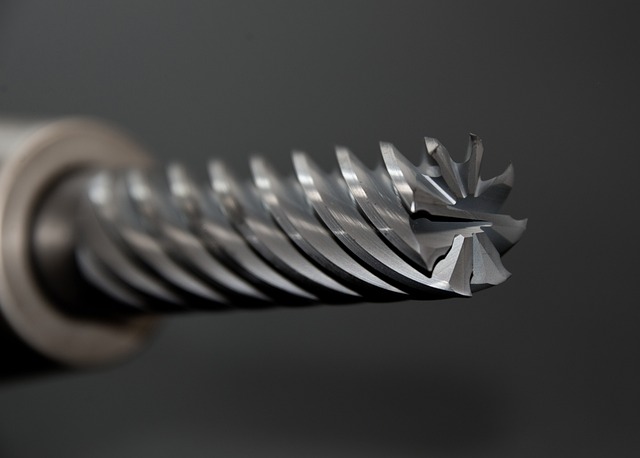
Inside the Rise of Billet Aluminum Engine Blocks
Billet aluminum engine blocks have reshaped modern performance engineering. The shift from cast to billet represents not only a materials upgrade but also a design revolution powered by precision machining. With the rise of advanced aluminum CNC machine technology, manufacturers now achieve structural accuracy once thought impossible in internal combustion engines. This evolution has improved strength-to-weight ratios, enhanced thermal stability, and allowed engineers to customize components at unprecedented levels. The result is a new generation of engines that are lighter, stronger, and far more consistent under extreme loads.
The Evolution of Billet Aluminum in Engine Manufacturing
The move toward billet aluminum has been driven by the pursuit of durability and repeatable quality. Unlike casting, which can introduce porosity and inconsistencies, billet machining starts with solid blocks of material that maintain uniform grain structure throughout.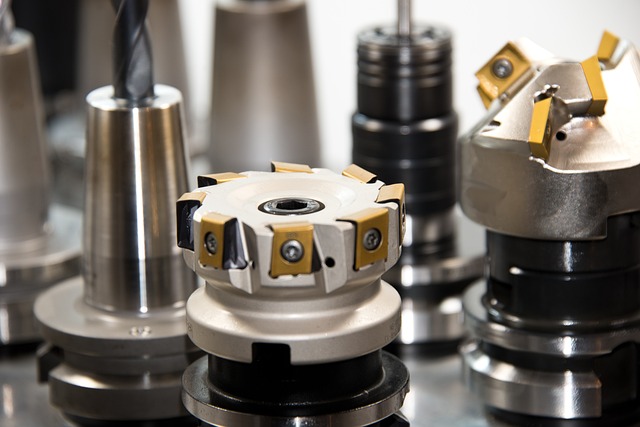
The Shift from Cast to Billet Aluminum Blocks
Billet aluminum offers superior strength and consistency compared to cast alternatives. In high-performance racing or aviation applications, this difference translates directly into reliability under stress. CNC machining allows tighter tolerances and improved surface finishes, minimizing vibration and enhancing mechanical alignment. The transition marks a broader industry trend toward precision engineering, where every micron counts in achieving maximum efficiency.
Material Science Behind Billet Aluminum Alloys
The most common billet alloys—6061-T6 and 7075-T6—are prized for their balance between tensile strength and machinability. Alloy selection affects key properties such as heat transfer and fatigue resistance. For instance, 7075-T6 provides exceptional rigidity ideal for forced induction setups, while 6061-T6 offers better corrosion resistance for endurance applications. Metallurgical uniformity ensures predictable performance even when subjected to extreme cylinder pressures or rapid thermal cycling.
The Role of CNC Technology in Shaping Billet Engine Blocks
CNC technology lies at the heart of the billet revolution. The precision offered by modern systems transforms raw aluminum into complex geometries that meet exacting performance standards.
Fundamentals of Aluminum CNC Machining
Multi-axis CNC machines execute intricate designs with sub-micron precision. These machines use computer-controlled toolpaths that reduce human error while maximizing repeatability. Toolpath optimization minimizes both waste material and production time—a critical factor in cost-sensitive manufacturing environments. Advanced CAM software integrates simulation capabilities to verify geometry before cutting begins, reducing rework and improving yield rates.
Precision Machining Techniques for Engine Block Production
High-speed milling operations create detailed features such as cooling channels and oil galleries within tight dimensional limits. Surface finishing techniques like honing or micro-polishing reduce friction losses and enhance sealing integrity between mating surfaces. Adaptive tool control compensates for thermal expansion during prolonged machining cycles, maintaining accuracy across long production runs.
Design Flexibility Enabled by CNC Machining
Beyond precision, aluminum CNC machine technology grants designers remarkable flexibility in shaping engine architecture to meet specific goals—something casting could never achieve efficiently.
Customization Capabilities in Performance Applications
Engineers can modify bore spacing, deck height, or crankcase design according to horsepower targets or packaging constraints. Modular construction enables integration with custom cylinder heads or hybrid crankshaft assemblies tailored for unique vehicle platforms. Rapid prototyping accelerates testing cycles for new concepts, allowing faster iteration from digital model to dyno-ready prototype.
Integration of Computational Design Tools with CNC Processes
CAD-CAM integration bridges digital design directly with physical production. Finite Element Analysis (FEA) informs where material can be safely removed without compromising stiffness or strength. Through digital twin modeling, engineers simulate stress distribution before any machining begins—reducing costly trial-and-error iterations while improving structural predictability.
Performance Advantages of Billet Aluminum Engine Blocks
Billet construction delivers measurable gains in both mechanical integrity and operational efficiency that justify its higher cost relative to cast alternatives.
Structural Benefits Under Extreme Loads
Uniform grain structure resists cracking even under high boost pressures or elevated RPMs typical in motorsport engines. Improved alignment between main journals enhances crankshaft stability at speed, reducing wear on bearings over time. With no internal voids or porosity common in casting processes, billet blocks maintain consistent density throughout their structure.
Thermal Management and Weight Efficiency
Aluminum’s natural conductivity helps dissipate heat evenly across the block surface, maintaining stable operating temperatures during extended load cycles. The lightweight nature improves vehicle balance and throttle response while enabling designers to lower the center of gravity for better handling dynamics. Optimized coolant passages further stabilize temperature gradients across cylinders during prolonged operation.
The Future Outlook for CNC-Machined Billet Engines
As automation advances, the next phase of billet manufacturing will depend heavily on smart systems capable of learning from every cut made on an aluminum CNC machine.
Automation and Smart Manufacturing Trends
AI-driven monitoring tools now track spindle loads and predict tool wear before failure occurs, reducing downtime significantly. Robotic handling systems streamline part transfer between machining stations while maintaining strict dimensional accuracy. Data analytics platforms collect process data continuously to refine tool strategies and improve overall efficiency across production batches.
Sustainable Manufacturing Approaches in Aluminum CNC Machining
Sustainability has become central to modern machine shops producing billet components. Recycling aluminum chips back into the supply chain reduces raw material usage dramatically while conserving energy compared with virgin smelting processes. Energy-efficient spindle motors help lower electricity consumption over long production cycles. Closed-loop coolant filtration systems capture contaminants for reuse, minimizing waste discharge into industrial effluents.
FAQ
Q1: Why are billet aluminum engine blocks stronger than cast ones?
A: Because billet blocks are machined from solid material with continuous grain flow, they lack internal voids found in castings, which improves strength under pressure.
Q2: What makes 7075-T6 alloy suitable for high-performance engines?
A: Its high tensile strength and rigidity make it ideal where structural stability is critical under heavy load conditions such as turbocharged applications.
Q3: How does CNC machining improve engine block precision?
A: Multi-axis control allows fine-tuned geometry creation with extremely tight tolerances that manual methods cannot achieve consistently.
Q4: Are billet engines more expensive to produce?
A: Yes, due to longer machining times and higher-grade materials; however, they offer superior longevity and reduced maintenance costs over time.
Q5: Can recycled aluminum be used effectively for billet blocks?
A: When properly refined through controlled recycling processes, reclaimed aluminum achieves comparable purity levels suitable for high-grade billet applications.


