Could CNC Aluminum Recycling Redefine Apple’s Next Sustainable Breakthrough
Apple’s Next Aluminum Breakthrough Could Turn CNC Machining Waste Back Into iPhone And MacBook Neo Frames At Temperatures As Low As 125 Degree Celsius
Apple’s latest exploration into low-temperature aluminum reprocessing marks a major step toward a fully circular manufacturing model. The company’s integration of CNC aluminum waste into its production chain could redefine both energy efficiency and materials recovery. By converting machining chips into new structural components at temperatures near 125°C, Apple is closing the loop between precision manufacturing and sustainability. This approach not only reduces carbon emissions but also strengthens supply chain resilience through localized recycling systems.
The Strategic Importance of CNC Aluminum Recycling in Apple’s Sustainability Vision
Apple’s sustainability vision has long centered on material innovation and closed-loop production. The shift from virgin aluminum to recycled alloys was not just an environmental measure—it became a defining feature of its design philosophy.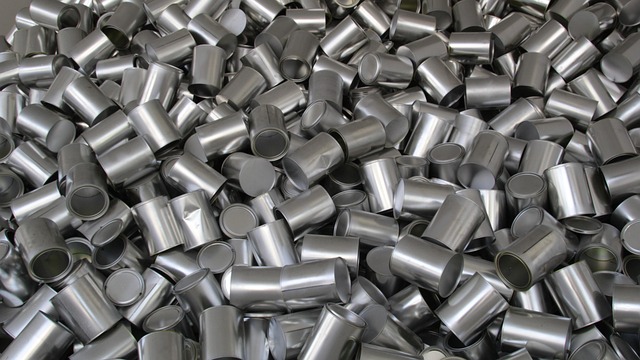
The Evolution of Apple’s Material Innovation Strategy
Apple began using recycled aluminum in MacBook enclosures years before most competitors considered circular design viable. Early initiatives focused on post-consumer scrap, but the company soon realized that CNC machining waste offered even higher purity levels. By integrating this internal scrap into its alloy feedstock, Apple reduced dependency on mined bauxite and external smelters. The transition toward in-house alloy recovery represents both a technical and strategic milestone.
Transition From Virgin Aluminum to Recycled Alloys in MacBook and iPhone Frames
The move to recycled aluminum wasn’t cosmetic—it reshaped Apple’s entire supply chain. Each MacBook or iPhone frame now reflects a balance between performance, aesthetics, and environmental responsibility. Using recycled alloys reduced energy consumption by up to 95% compared with primary aluminum production, according to industry data from the International Energy Agency (IEA). This efficiency gain validated Apple’s decision to scale up internal recycling programs.
Integration of CNC Machining Waste Into the Sustainability Roadmap
CNC machining generates fine chips that retain the same alloy composition as finished parts. Instead of treating these as disposable waste, Apple has positioned them as valuable input for remanufacturing. This approach aligns with ISO 14001 environmental management standards emphasizing resource efficiency within industrial ecosystems.
Why CNC Aluminum Waste Represents a Critical Opportunity?
CNC aluminum waste stands apart from conventional scrap streams because it originates within controlled manufacturing environments. This purity makes it ideal for high-value recycling applications in electronics and aerospace sectors.
High Purity and Consistency of CNC Aluminum Chips Compared to Post-Consumer Scrap
Unlike mixed post-consumer scrap, CNC chips are produced from known alloys under clean conditions. Their consistent composition simplifies remelting or low-temperature recovery processes, minimizing contamination risks that typically degrade metal quality.
Quantitative Potential: Volume of Machining Waste Generated in Precision Manufacturing
Precision machining can lose up to 15–20% of raw material as chips during milling or turning operations. For large-scale producers like Apple, this translates into thousands of tons annually—enough to justify dedicated reprocessing lines adjacent to assembly facilities.
Environmental and Economic Advantages of Reclaiming In-Process Material Losses
Recycling machining waste reduces both landfill disposal costs and demand for primary extraction. It also cuts transport emissions since material loops remain within factory boundaries. Economically, it stabilizes input costs by insulating production from volatile commodity markets.
The Science Behind Low-Temperature Aluminum Reprocessing
Traditional aluminum recycling relies on high-temperature smelting above 660°C, which consumes vast amounts of energy and releases CO₂. Emerging low-temperature methods open new pathways for sustainable recovery without compromising alloy integrity.
Metallurgical Challenges of CNC Scrap Recycling
CNC chips are prone to oxidation due to their large surface area relative to volume. Contamination from lubricants or cutting fluids adds complexity during collection. Maintaining alloy segregation is critical; mixing different grades can lead to inconsistent mechanical properties after remelting.
Necessity for Controlled Atmosphere or Flux-Assisted Melting to Maintain Alloy Integrity
To preserve material quality, controlled atmospheres or flux additives are used during melting stages to prevent oxidation and remove impurities. These techniques are consistent with ASTM B179 standards governing aluminum casting alloys.
Comparison Between Conventional Remelting (660°C) and Emerging Low-Temperature Techniques
Conventional smelting melts bulk scrap at around 660°C, while experimental low-temperature methods operate below 200°C using chemical reduction or electrochemical deposition. These processes drastically cut energy input—potentially lowering total consumption by over 80%.
Breakthrough Techniques Enabling 125°C Reprocessing
Apple’s reported target temperature near 125°C suggests reliance on solid-state or electrochemical recovery rather than full melting—a paradigm shift for metals processing.
Use of Chemical Reduction or Electrochemical Deposition for Aluminum Recovery at Low Energy Cost
Electrochemical deposition enables direct recovery of pure aluminum from chip suspensions at mild temperatures using ionic electrolytes. This method converts oxide layers back into metallic form with minimal heat input.
Role of Solid-State Diffusion Bonding and Sintering Technologies in Preserving Mechanical Strength
Solid-state sintering allows fine particles to fuse under pressure without complete melting, retaining grain structure integrity crucial for high-strength applications like device frames.
Potential Application of Cold Spray Additive Manufacturing for Component Reconstruction
Cold spray technology accelerates metal powders at supersonic speeds onto substrates, forming dense coatings or near-net-shape parts without thermal distortion—ideal for reusing recovered CNC material directly in product fabrication.
Integrating Recycled CNC Aluminum Into Apple’s Production Ecosystem
Integrating recovered material requires synchronization between machining centers, recycling units, and assembly lines through digital control systems that track every gram of metal reused.
Closed-Loop Manufacturing Between Machining and Assembly Lines
On-site micro-recycling units can compress chips into briquettes or billets ready for reprocessing nearby. This setup shortens transport cycles and reduces carbon footprint while maintaining traceability across operations.
Data-Driven Process Control Linking CNC Operations With Material Recovery Systems
Sensors embedded in machining cells can monitor chip output composition in real time, feeding data into central systems that adjust recycling parameters automatically—a model consistent with Industry 4.0 principles recognized by IEC standards.
Reduction in Logistics, Carbon Footprint, and Supply Chain Complexity Through Local Reuse Loops
By keeping materials circulating locally, Apple minimizes global shipping emissions and dependence on third-party refiners—strengthening both sustainability metrics and operational agility.
Material Certification and Quality Assurance for Recycled Alloys
Quality assurance remains essential when introducing secondary materials into premium products such as iPhones or MacBooks where tolerance margins are tight.
Testing Protocols for Tensile Strength, Corrosion Resistance, and Surface Finish Uniformity
Each batch undergoes tensile testing per ASTM E8 standards alongside corrosion analysis following ISO 9227 procedures to confirm parity with virgin alloys before use in structural components.
Ensuring Traceability Through Digital Material Passports or Blockchain-Based Tracking Systems
Digital passports linked via blockchain record every recycling cycle—from chip generation through billet formation—providing transparent traceability demanded by modern environmental audits.
Compliance With Apple’s Environmental Standards and Third-Party Sustainability Frameworks
All recycled outputs must meet internal criteria aligned with recognized frameworks such as ISO 14044 life-cycle assessment guidelines ensuring measurable reductions in environmental impact across product lines.
Economic and Environmental Implications for Large-Scale Implementation
Scaling low-temperature reprocessing could reshape both cost structures and emission profiles across global manufacturing networks serving Apple hardware production.
Energy Efficiency Gains From Low-Temperature Processing
Lower process temperatures translate directly into reduced electricity demand per ton processed—cutting CO₂ emissions significantly compared with conventional smelting benchmarks published by the IEA Aluminium Division.
Estimation of CO₂ Emission Reductions per Ton of Recycled Aluminum Recovered From CNC Waste
For every ton recovered via sub‑200°C processes, emission savings may exceed three tons CO₂ equivalent relative to primary production routes—a substantial gain toward corporate carbon neutrality targets set under Science Based Targets initiative frameworks.
Impact on Lifecycle Assessment (LCA) Metrics for Apple Hardware Production Lines
Incorporating such recycling loops improves LCA indicators including embodied energy intensity (MJ/kg) and global warming potential (kg CO₂e/unit), reinforcing Apple’s leadership position within sustainable electronics manufacturing indexes tracked by BloombergNEF analysts.
Cost Dynamics and Supply Chain Transformation Potential
Internal recycling shifts procurement models away from commodity dependence toward self-sustaining resource ecosystems integrated within factory networks worldwide.
Shifts in Raw Material Procurement Strategies Due to Internal Recycling Capabilities
By generating secondary feedstock internally, purchasing departments can reduce exposure to fluctuating London Metal Exchange prices while securing predictable supply volumes year-round.
Influence on Supplier Relationships, Contract Manufacturing, and Regional Production Hubs
Suppliers may evolve into service partners managing localized recycling cells near assembly hubs rather than distant raw-material providers—encouraging regionalization consistent with resilient supply-chain strategies endorsed by OECD manufacturing reports.
Long-Term Cost Stabilization Through Reduced Dependency on Primary Aluminum Markets
Over time this closed-loop model cushions operations against geopolitical disruptions affecting mining regions while delivering steady margins through lower input volatility—a practical advantage beyond environmental merit alone.
Future Outlook: Toward a Fully Circular CNC Aluminum Ecosystem?
The convergence of low-energy metallurgy, digital traceability tools, and advanced additive technologies signals a new era where CNC aluminum never truly leaves the production cycle—it simply changes form before returning again.
Research Directions Driving Next-Level Material Circularity
Future work focuses on hybrid alloys engineered for repeated recyclability without phase degradation alongside AI-driven classification systems capable of identifying alloy grades instantly at machine output points using spectral sensors calibrated per IEEE instrumentation standards.
AI-Assisted Sorting Systems Distinguishing Alloy Grades Directly From Machining Centers
Machine-learning algorithms analyzing optical signatures could automate chip segregation—vital when multiple alloy families coexist within one facility—to maintain chemical consistency across reuse cycles.
Expansion to Other Metals Used in Apple Products Such as Titanium or Stainless Steel Residues
The same closed-loop logic applies beyond aluminum; titanium shavings from watch casings or stainless residues from connectors represent untapped resources awaiting similar treatment within diversified metal ecosystems across consumer electronics plants globally.
Broader Industry Implications Beyond Apple’s Ecosystem?
Apple’s progress sets precedents likely influencing policy frameworks promoting industrial symbiosis where one manufacturer’s scrap becomes another’s feedstock—a concept gaining traction among ISO circular economy committees worldwide.
FAQ
Q1: What makes CNC aluminum waste valuable for recycling?
A: Its high purity and uniform composition make it easier to recover without heavy refining compared with mixed post-consumer scrap streams.
Q2: How does low-temperature processing differ from traditional smelting?
A: It uses chemical or electrochemical reactions below 200°C instead of full melting at 660°C, reducing both energy use and carbon emissions dramatically.
Q3: Can recycled CNC aluminum match the strength of virgin material?
A: Yes—solid-state sintering preserves grain structure so mechanical performance remains comparable when processed correctly under controlled conditions.
Q4: How does this fit within Apple’s broader sustainability goals?
A: It advances closed-loop manufacturing targets aimed at eliminating virgin material use while cutting lifecycle emissions across all hardware lines.
Q5: Could other industries adopt similar methods?
A: Absolutely; aerospace, automotive, and electronics sectors share similar machining processes where clean chips can be reprocessed efficiently using these emerging techniques.