How Can a CNC Milling Machine Improve Medical Device Manufacturing?
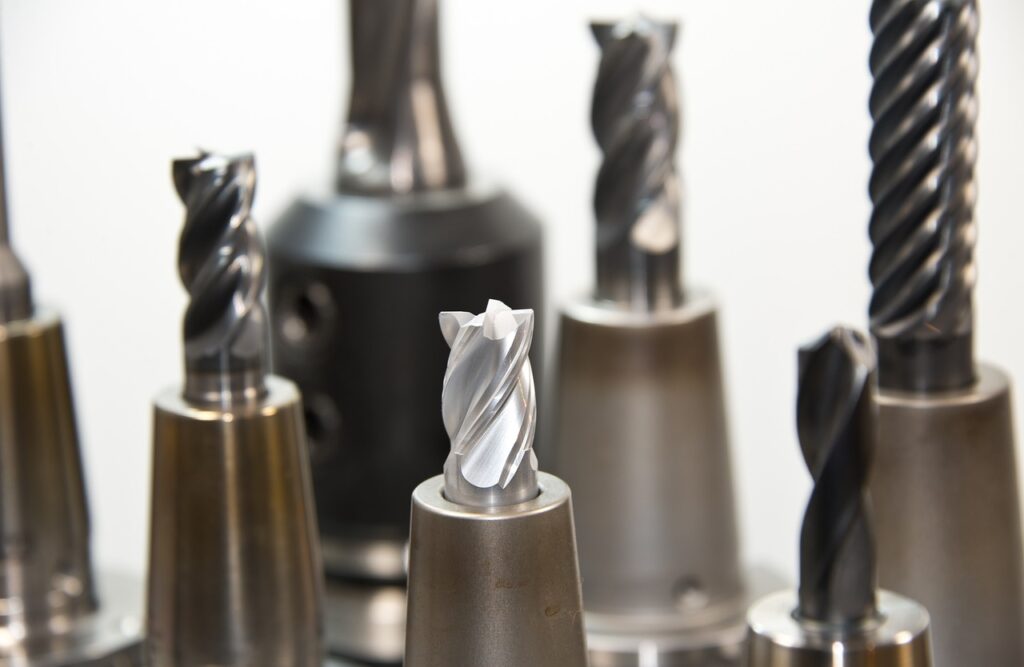
How Can a CNC Milling Machine Improve Medical Device Manufacturing?
A CNC milling machine is more than a metal-cutting asset in medical device manufacturing. It can decide whether you hold a small slot, repeat a fixture position, and give buyers the production evidence they expect. If you are comparing equipment for surgical instruments, diagnostic parts, fixtures, or prototype components, the Machines category is a practical place to review machine options for a controlled production floor.
Medical parts often look simple on a drawing, then become tricky once stainless steel, titanium, PEEK, thin walls, burr limits, and inspection records enter the conversation. A good milling plan does not start with speed. It starts with the part risk, the material, the tolerance stack, and the way you will prove that each batch matched the approved design.
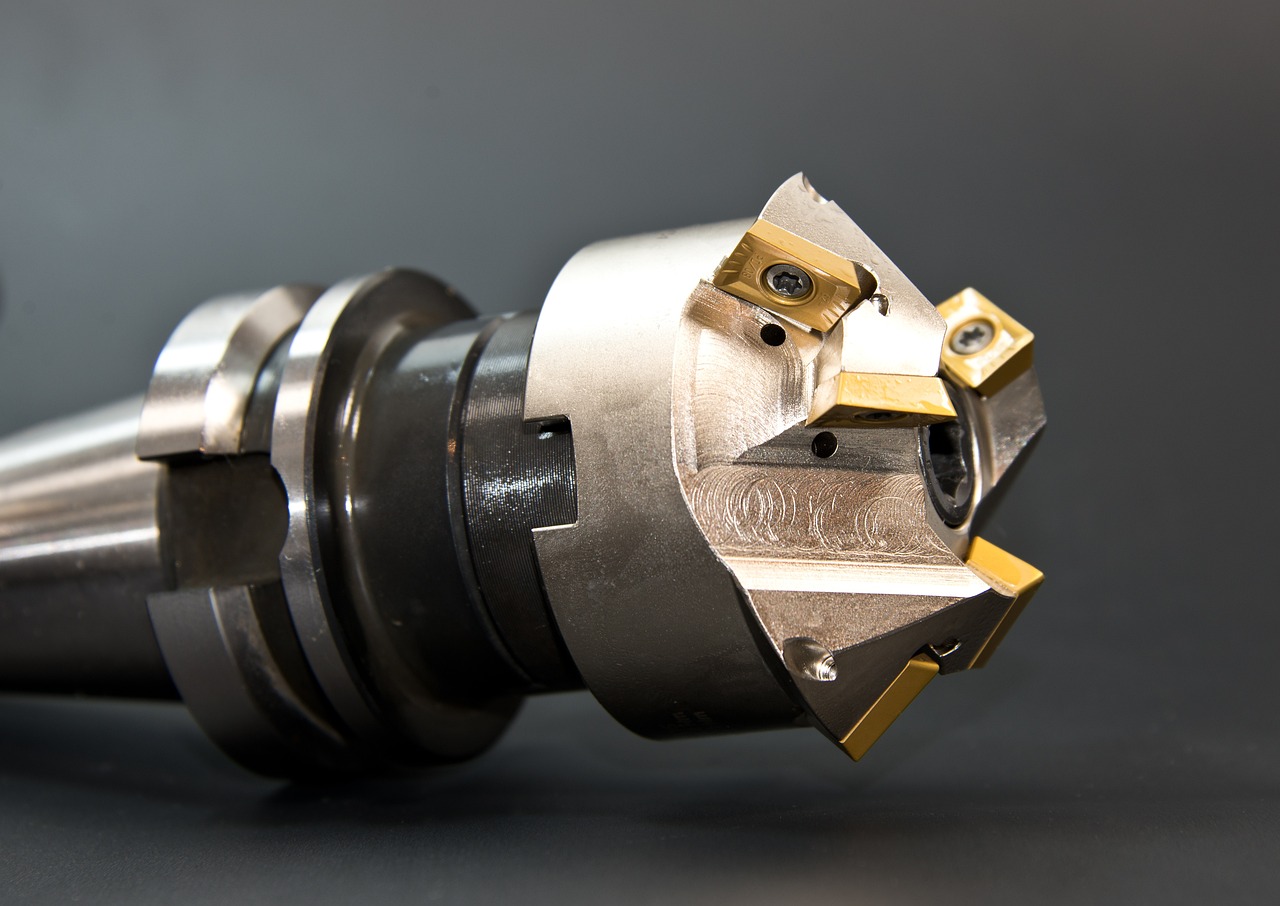
Why Does a CNC Milling Machine Matter for Medical Device Manufacturing?
For medical device work, a milling machine is judged by more than cycle time. You need stable motion, predictable cutting, clean documentation, and a setup that operators can repeat on Monday morning as well as Friday afternoon. This matters even more now that U.S. device quality rules have moved closer to global quality system language.
Repeatable Geometry for Small Features
CNC milling helps you cut pockets, slots, contours, holes, and flat datum surfaces with a controlled toolpath instead of hand skill alone. That is useful for parts such as surgical handles, endoscope brackets, analyzer fixtures, pump plates, and small aluminum housings. If a drawing calls for a narrow groove and a flat sealing face, the machine, fixture, cutter, and inspection method all have to work as one process.
Process Records That Buyers Can Audit
The regulatory background is not just paperwork. The FDA states that the Quality Management System Regulation became effective on February 2, 2026, and incorporates ISO 13485:2016 by reference for medical device quality management systems. That data point leads to a clear conclusion: buyers will care about process control, device safety, and traceable production evidence, not only unit price. Source: FDA QMSR update.
Cleaner Hand Off from Prototype to Batch Production
A CNC milling machine lets you move from one prototype to a short batch with fewer surprises, as long as the same datum strategy and inspection plan stay in place. This is why early process notes matter. Cutter size, tool stick out, clamp position, coolant choice, and inspection points should be written down before the part becomes urgent. That small habit saves time later, even if nobody enjoys filling out forms.
Which Medical Parts Are Best Suited to CNC Milling?
Milling is a strong choice when the part has flat faces, milled pockets, precise holes, slots, or complex outside shapes. It is not always the cheapest route for every geometry, but it is flexible. You can change a program, swap a fixture, and cut a new revision without waiting for hard tooling.
Surgical Instrument Bodies and Jaws
Instrument parts often need comfortable shapes, clean edges, and controlled pivot or screw features. A 3-axis mill may handle simple plates and blocks. A 4-axis or 5-axis machine may reduce setups for angled faces, side holes, and curved profiles. Fewer setups can mean less datum shift, which is a very real issue when a part is small enough to hide under a thumb.
Diagnostic Device Housings and Fixtures
Diagnostic equipment uses many milled parts that never touch a patient, but they still affect test stability. Examples include reagent tray fixtures, optical brackets, flow path plates, and sample handling supports. For these parts, you may care about flatness, hole location, clean edges, and repeatable assembly more than a mirror finish.
Prototype Implants and Non Implant Trials
CNC milling is often used for prototype implant shapes, surgical trials, and test coupons during development. Production implants require the right validation, material control, finishing, cleaning, and regulatory path. So the safe way to view milling is simple: it can create the geometry, but your quality system decides whether the part is ready for clinical or commercial use.
How Do Accuracy and Surface Finish Affect Medical Parts?
Accuracy and finish are not decorative details. They affect assembly, sealing, movement, cleaning, and inspection results. A part can be the right material and still fail because a bore is out of round, a face is warped after clamping, or a burr sits where a seal should land.
Tolerances That Match the Drawing
You should match the machine to the true drawing need. A general bracket may not need the same machine as a tiny valve plate with several tight positional tolerances. For example, if a print calls for a 0.02 mm location tolerance, the plan should include fixture repeatability, tool wear checks, temperature control, and a measuring method that can actually see that difference. Guessing with a loose caliper is not enough.
Surface Finish Linked to Tool Geometry
Surface finish depends on cutter geometry, feed per tooth, tool wear, machine stability, and material behavior. Sandvik Coromant notes in its 2025 milling tools guide that insert geometry affects parameters from stability to surface finish and power use. The practical lesson is plain: do not choose a cutter only because it is on the shelf. Choose it because the edge, coating, radius, and holder fit the material and finish target. Source: Sandvik Coromant milling tools guide.
In Process Checks Before Scrap Grows
For higher accuracy parts, inspection should happen before the whole lot is finished. NIST machining research notes that high-accuracy machined diameters need the ability to check part accuracy inside the machine tool so process corrections can be made. That is a strong argument for probes, tool setters, first-piece checks, and clear reaction rules when a dimension starts to drift. Source: NIST machining research.
What Should You Check Before Buying a CNC Milling Machine?
A good purchase decision starts with your parts, not the catalog photo. Write down the largest workpiece, smallest feature, hardest material, expected batch size, inspection method, and floor limits. Then compare machines against those facts. It sounds basic, but many buying mistakes start with a machine that looks impressive and then cannot hold the daily job.
Axis Count and Work Envelope
A 3-axis CNC milling machine is often enough for plates, housings, fixtures, and basic blocks. A 4-axis machine helps when you need side features or repeated angular positions. A 5-axis machine can cut complex shapes with fewer setups, which helps for curved instrument bodies and difficult prototypes. The work envelope should also allow room for vises, fixtures, probes, and tool clearance, not just the raw part size.
Spindle Speed, Torque, and Tooling
Small tools need spindle speed. Tough materials need torque and rigidity. Stainless steel, titanium, aluminum, and engineering plastics do not cut the same way. Ask whether the spindle, tool holder, coolant delivery, and control system can support the material mix you expect. If your production includes both tiny holes and heavy roughing, the best answer may be a balanced machine rather than the fastest number in the brochure.
Coolant, Chip Control, and Cleaning Access
Medical manufacturing cares about chips, coolant, and cleaning because leftover debris can damage parts or hide burrs. Look for guarded chip flow, easy tank access, proper filtration options, and enough space for operators to clean the work area. A cramped machine may run fine in a demo, then become annoying when chips pack around a fixture during real production.
How Can You Build a More Reliable Milling Process?
A machine alone does not create a reliable process. You need controlled inputs, trained operators, and a record trail that shows what happened. ISO 13485:2016 is published as a quality management system standard for medical devices and is aimed at regulatory purposes, so your milling workflow should fit into that wider quality structure. Source: ISO 13485:2016.
Stable Fixturing and Clear Datum Strategy
Start with the datums on the drawing. The fixture should hold the part without bending it, blocking inspection points, or making the operator hunt for orientation. For thin medical plates, light clamping and support under cutting zones can matter more than raw clamping force. A fixture that takes five extra minutes but avoids distortion is often cheaper than a pile of rejected parts.
Tool Life Limits Based on Real Parts
Tool life should be based on measured parts, burr growth, finish changes, and cutter wear, not hope. Set a starting limit, inspect the first runs, then adjust with evidence. Some shops push tools until a dimension fails. For medical work, that is risky. A better habit is to replace or inspect the tool before the edge becomes the reason for a nonconforming lot.
Inspection Plan Tied to Critical Dimensions
Your inspection plan should focus on dimensions that affect function, fit, and safety. This may include bore size, hole position, flatness, thickness, edge break, and surface finish. First-piece inspection, in-process checks, and final inspection should all point back to the drawing. If a dimension is critical, the operator should know when to stop and who must review the result.
FAQ
Q1: Is a CNC Milling Machine Suitable for Medical Device Parts? A: Yes, it is suitable for many medical parts, including surgical instrument components, diagnostic fixtures, housings, plates, and development samples. The final use still depends on material control, finishing, cleaning, inspection, and regulatory requirements.
Q2: Should You Choose 3-Axis or 5-Axis CNC Milling? A: Choose 3-axis milling for simpler plates, blocks, and housings. Choose 5-axis milling when the part has complex angles, curved surfaces, or features that would need too many setups on a 3-axis machine.
Q3: What Materials Can a CNC Milling Machine Cut for Medical Work? A: Common choices include stainless steel, titanium, aluminum, and engineering plastics such as PEEK. The machine setup, cutter, coolant, and inspection method should match the material and the drawing requirement.
Q4: How Important Is Surface Finish in Medical CNC Milling? A: It is very important when a surface affects sealing, movement, cleaning, or assembly. Surface finish should be specified on the drawing and checked with a suitable measuring method when it is functionally important.
Q5: What Is the Biggest Buying Mistake to Avoid? A: The biggest mistake is buying for headline speed instead of real parts. Check work envelope, rigidity, spindle performance, tooling, coolant, service support, and inspection needs before making the decision.