What Makes a CNC Milling Machine Critical for Medical Device Manufacturing?
What Makes a CNC Milling Machine Critical for Medical Device Manufacturing?
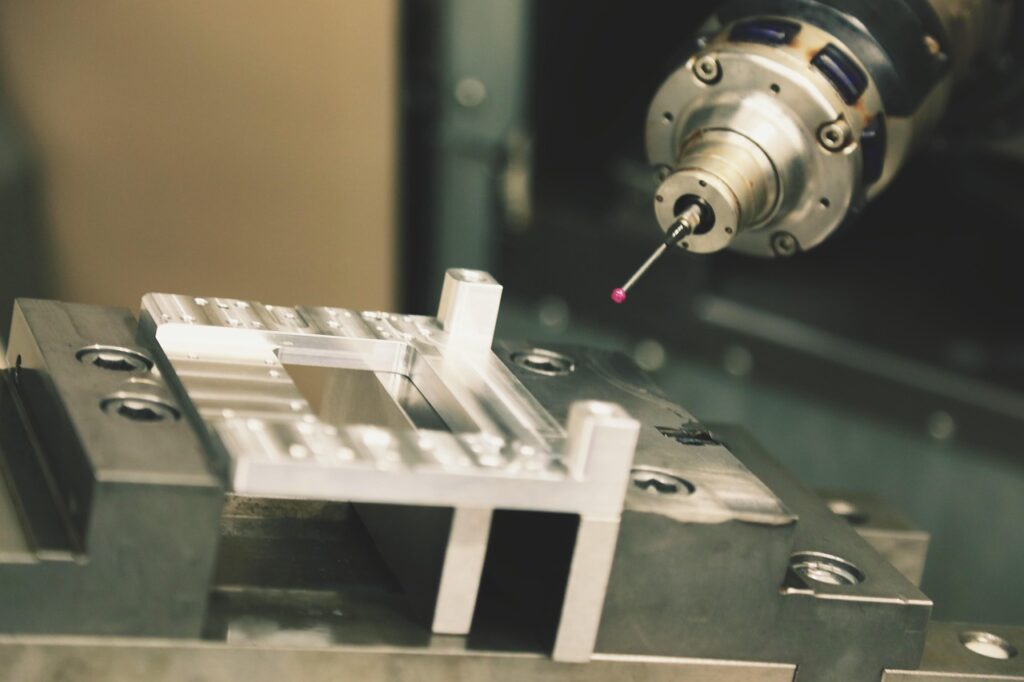
A CNC milling machine is one of the practical workhorses behind medical device manufacturing because it can turn certified metal or polymer stock into small, repeatable, tight-fitting parts. If you compare equipment in the medical device machines category, the real question is not only how fast the machine cuts. You also need to know how well it holds size, records the job, supports inspection, and fits the way regulated buyers approve suppliers.
That pressure is real. The European Commission states that the EU market alone includes over 500,000 types of medical devices and in vitro diagnostic devices, from contact lenses and x-ray machines to hip replacements. That range explains why one shop may mill a simple aluminum fixture in the morning and a titanium trial implant after lunch. The right machine helps you stay steady when part size, material, and documentation all change.
Why Does Medical Device Production Put So Much Pressure on Milling?
Medical parts are rarely forgiving. A customer may accept a rough prototype for a trade show, but a surgical instrument, diagnostic module, or implant support part needs repeatable dimensions, clean edges, and a clear production record. The machine is only one piece of that system, yet it is the piece that makes the cut, so its behavior shows up in every inspection result.
Small Parts with Big Consequences
A tiny burr on a handle slot can affect cleaning. A slightly poor bore can make an assembly feel loose. A surface mark on a component near a fluid path can create extra inspection work. These are not dramatic stories, just ordinary shop-floor problems. A good milling setup gives you stable clamping, predictable tool paths, and enough spindle control to cut fine features without turning every lot into a rescue job.
Regulated Markets and Traceable Work
Regulation makes the machine choice more serious. The FDA Quality Management System Regulation became effective on February 2, 2026, and incorporates ISO 13485:2016 into U.S. medical device quality system rules. For you, that means machining is not just a cutting activity. It becomes part of a controlled process with work instructions, acceptance checks, maintenance records, and clear links between the drawing, the program, the operator, and the final part.
Short Runs and Frequent Design Changes
Medical device projects often move through trial builds, verification lots, and supplier changes before volume production. Public labor data also shows why stable automation matters. The FRED series using U.S. Bureau of Labor Statistics data, updated June 3, 2026, lists the U.S. medical equipment and supplies manufacturing employment index at 105.044 in 2024 and 103.941 in 2025, with 2017 set as 100. The conclusion is simple: skilled labor is valuable, and a CNC process should reduce avoidable rework rather than add more hand fixing.
Which CNC Milling Machine Features Matter Most?
Feature lists can get noisy. A shiny control panel and a high travel speed look good in a brochure, but medical device work usually rewards control, repeatability, and service access. Before you compare brands, map the parts you actually need to make, then match machine features to those parts.
Rigid Spindle and Stable Axis Motion
Spindle rigidity affects tool life, finish, and size control. Axis motion affects whether a pocket wall stays square and whether a small hole lands where the drawing says it should. If you cut stainless steel or titanium, weak rigidity can show up as chatter, poor finish, or a tool that wears faster than expected. Ask for sample cuts in your material, not only in easy aluminum.
3 Axis, 4 Axis, and 5 Axis Choices
A 3-axis machine can make plates, covers, nests, and many bracket-style parts. A 4-axis machine helps with cylindrical features, angled holes, and fewer setups. A 5-axis machine can be valuable for bone plates, complex housings, dental components, and parts with multiple angled surfaces. Still, 5-axis is not automatically better. If your parts are simple, extra axes can add cost, training time, and validation work without a real payback.
Coolant, Chip, and Surface Control
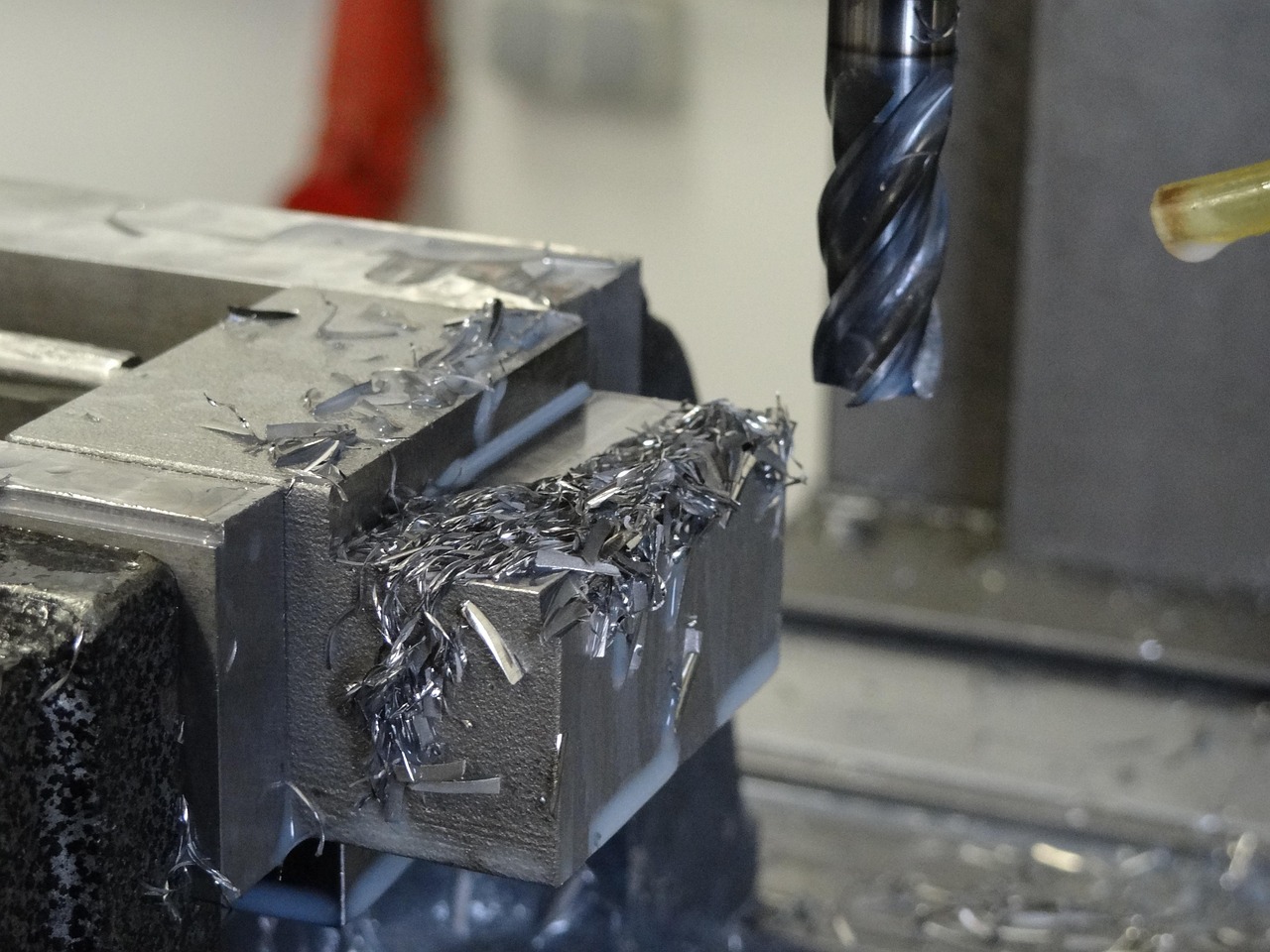
Clean chip flow matters in medical machining because recutting chips can scratch a surface or break a small tool. High-pressure coolant, proper filtering, mist control, and easy cleaning around the work area all help. For plastics, coolant choice can affect swelling or stress marks, so dry cutting or air blast may be better. For metal, coolant stability can help protect finish and tool life.
How Do You Match Materials to the Right Milling Setup?
Material choice changes everything: tool coating, speed, feed, coolant, workholding, and inspection method. A CNC milling machine for medical use should not be judged by one demo part. You need to see how it behaves across the materials your buyers specify.
Stainless Steel Surgical Parts
Stainless steel is common in surgical tools and device hardware because it offers strength and corrosion resistance. It can also work-harden if the cutter rubs instead of cutting. You need enough spindle power, sharp tools, and a process that keeps heat under control. If the machine vibrates, stainless steel will tell you quickly through noise, burrs, and rough edges.
Titanium Implants and Trial Components
Titanium is light and biocompatible, but it keeps heat close to the cutting edge. That can punish tools. A stable machine, a firm fixture, and a careful coolant plan help keep the cut consistent. For implant-related parts, you should also think about how the milled surface will be cleaned, passivated, blasted, polished, or inspected after machining.
Aluminum Fixtures and Plastic Housings
Aluminum is easier to cut, so it is often used for fixtures, instrument trays, test blocks, and non-implant device parts. Plastics such as PEEK or acetal need a different touch. They can move when clamped too hard, and they may melt or fuzz if the cutter is wrong. A flexible machine setup lets you switch between production parts and support tooling without making every change feel like a new project.
How Can Quality Data Reduce Risk?
Quality data is not paperwork for its own sake. It helps you find out whether the machine, tool, fixture, and program can repeat good parts. A 2023 paper indexed by NIST describes machine tool calibration through measurement, modeling, and compensation of errors, including kinematic, geometric, thermal, load, and volumetric errors. In normal shop language, the machine has its own habits, and you need a plan to measure them. See also: Materials. See also: Processes. See also: Sourcing.
Calibration Plans Based on Real Machine Error
A calibration label on the machine is useful, but it is not the whole story. You should check the axes that matter to your parts. If you mill long rails, straightness and squareness matter. If you mill complex multi-face parts, volumetric behavior matters. The best plan balances accuracy, cost, and downtime, because a machine that is always waiting for checks will not ship parts either.
Inspection Records That Follow the Part
Medical buyers often want evidence, not memories. Keep inspection results tied to the job traveler, fixture, tool list, revision, and lot. If a diameter begins drifting after the tenth piece, you can see whether it links to tool wear, temperature, or a clamp position. That level of recordkeeping also makes supplier audits less painful. No one enjoys digging through mystery folders on a Friday afternoon.
Process Windows Built from Test Cuts
Test cuts help you define safe ranges for speed, feed, depth of cut, coolant, and tool life. If the drawing allows 0.02 mm on a feature, do not run the process so close to the edge that one warm afternoon pushes parts out of spec. Build a window with room for normal variation, then lock the program, tool, fixture, and inspection plan once the result is proven.
What Should You Ask Before Buying a CNC Milling Machine?
Buying a machine for medical device work should start with your process needs, not with a catalog ranking. Public sources do not provide a reliable, universal dataset that ranks every CNC milling machine brand by medical-device scrap rate, validation success, or audit outcome. When no dependable public data exists, it is safer to request sample parts, acceptance criteria, service records, and a written support plan.
Required Tolerance before Machine Brand
Start with your tightest real tolerance, not the most impressive number in a brochure. Ask whether the machine can hold that tolerance after warm-up, across a normal shift, and after tool changes. Ask for a capability study if the supplier offers one. A machine that makes one perfect sample part is nice; a machine that repeats the result through a lot is far more useful.
Supplier Support for Validation Work
The ISO 13485 page says the standard is designed for organizations involved in design, production, installation, and servicing of medical devices, and the 2016 version has stronger emphasis on risk management and supply chain requirements. That matters when you buy equipment. You may need installation qualification support, preventive maintenance documents, software version records, spare-part availability, and help when a process change affects validation.
Total Cost beyond the Sticker Price
The purchase price is only the first bill. Add tooling, fixtures, probes, coolant filtration, training, maintenance, inspection equipment, floor space, power, and downtime. A cheaper machine may be fine for fixtures and simple housings. For implant-related or tight-tolerance parts, a stronger machine with better support can save money by reducing scrap, late shipments, and repeated process studies.
FAQ
Q1: Is a CNC Milling Machine Suitable for Medical Device Manufacturing? A: Yes. It is suitable for many medical device parts, including surgical tool components, housings, fixtures, trial parts, and some implant-related components, as long as the process, material, inspection, and quality records meet the customer and regulatory requirements.
Q2: Is 5 Axis Milling Always Needed for Medical Parts? A: No. Use 5-axis milling when the part has complex angled features or needs fewer setups. For flat plates, simple pockets, and fixture work, a stable 3-axis or 4-axis machine may be the smarter choice.
Q3: What Materials Can a CNC Milling Machine Cut for Medical Use? A: Common choices include stainless steel, titanium, aluminum, PEEK, acetal, and other engineering plastics. The best setup depends on the drawing, finish requirement, cleaning method, and final application.
Q4: How Important Is Documentation for CNC Milled Medical Parts? A: It is very important. You should keep records for material lots, machine settings, program revisions, inspection results, tool changes, maintenance, and any approved process changes.
Q5: What Should You Check before Choosing a Supplier? A: Check sample-part quality, tolerance capability, machine calibration practice, support for validation documents, spare parts, training, and after-sales response. A low quote is less attractive if support is slow or records are weak.