How Can a Socket and Wrench Organizer Make Your Workshop Faster and Safer
Why Does a Socket and Wrench Organizer Matter in a Real Shop?
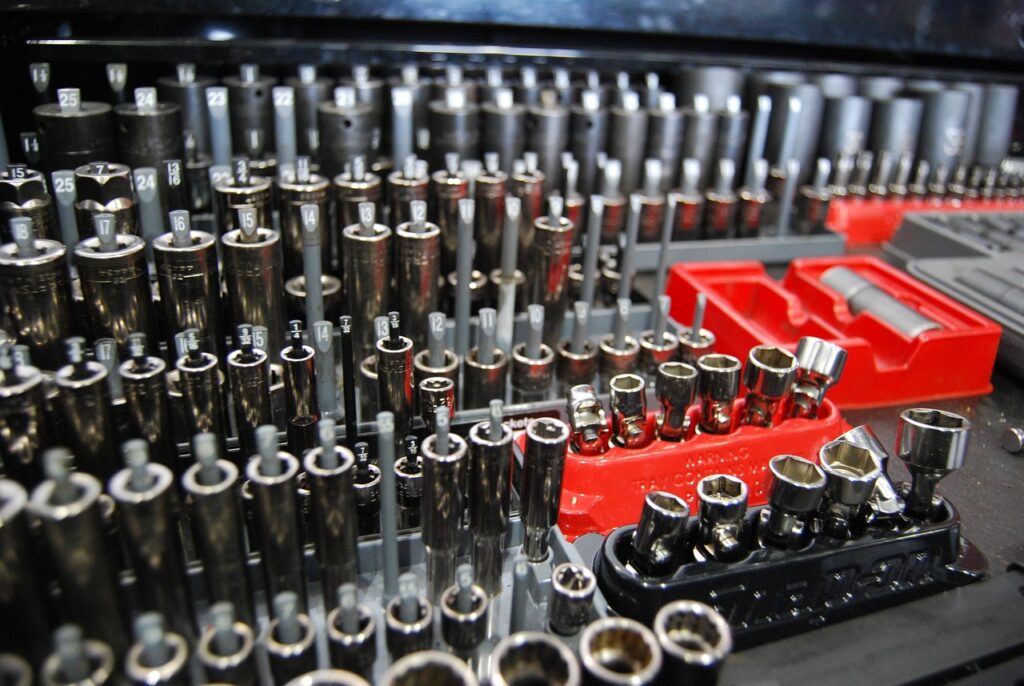
A socket and wrench organizer is not a big machine or a costly fixture, but it can decide how fast a mechanic finds the 13 mm deep socket. In a machine shop, repair cell, mold maintenance room, or assembly line, the same small search can happen many times in one shift. Good tooling storage keeps sizes in sight, protects tool edges, and helps the team notice missing pieces before the job stops.
There is no public data that can prove every organizer saves the same number of minutes. A two-person garage and a three-shift plant work in different ways, so the result will not be the same. Still, safety and lean manufacturing sources give useful background. The U.S. Bureau of Labor Statistics reported that private industry employers recorded 2.6 million nonfatal workplace injuries and illnesses in 2023, while its 2023 industry table listed cutlery and handtool manufacturing at 3.4 total recordable cases per 100 full-time workers. That does not mean a tray prevents injuries by itself, but it shows why tool control should be taken seriously. (bls.gov)
Faster Tool Picks During Repeated Jobs
If sockets are used every few minutes, open storage is easier than digging through a mixed drawer. A rail with labeled clips, a molded tray, or a wrench rack lets the hand go straight to the size. During brake work, fixture adjustment, pump repair, or machine changeover, this saves small bits of time again and again. A workable layout puts the most used drive size near the front, then keeps shallow, deep, impact, and specialty sockets in the same order every day.
Clear Visual Control for Missing Pieces
A missing socket can hold up a job, but the worse part is finding out too late. Empty slots show the problem without a meeting or a long search. This is the same basic idea used in visual control in lean shops. If the 10 mm socket is gone, and yes, it is often the 10 mm, the gap tells the next shift before they start looking for it.
Safer Benches and Cleaner Drawers
Loose sockets roll across benches and drawer bottoms. Combination wrenches can slide under parts, and impact sockets left on a bench may drop onto feet or finished components. OSHA states that employers are responsible for the safe condition of tools and equipment used by employees. A storage system is not a full safety program, but it does help keep work surfaces cleaner and reduce loose items in the work area. (osha.gov)
Which Organizer Style Fits Your Work Area Best?
Choosing the right organizer should start from the work area, not from a catalog picture. A mobile service cart, a CNC maintenance drawer, and a shared assembly bench do not need the same design. Look at how the tools move, who uses them, and how fast they need to go back after the work is done.
Socket Rails for Mobile Carts
Socket rails fit mobile carts and field service kits because they are narrow and easy to carry. They are also simple to rearrange when the tool set changes. Ball-bearing clips hold sockets better during movement, while magnetic rails can help when the cart rolls over rough floors. For export buyers, rail clip tension is worth checking, since weak clips can loosen after long shipping vibration and daily use.
Trays for Deep Tool Drawers
Drawer trays work better when the shop wants steady storage and quick size reading from above. Molded trays, EVA foam inserts, and stamped metal trays can all work, but each one solves a different problem. Foam is quiet and easy to color-code, while metal handles oil and heat better. Plastic trays are light and cost-friendly, though thin walls may crack if heavy impact sockets are dropped into them every day.
Wall Panels for Shared Benches
Wall-mounted holders are useful near shared workstations because they keep the bench top open. They also make missing tools easy to see from a few feet away. Use them for common wrench ranges, torque wrench support tools, and duplicate socket sets. Do not put heavy sockets above eye level; it may look neat in a photo, but it is not pleasant during a long shift.
What Materials and Design Details Should You Check?
Material choice affects service life, price, weight, and daily handling. A good organizer is more than a box with holes in it. It needs steady dimensions, smooth edges, readable markings, and a surface that can deal with oil, dust, and repeated use. If you buy for a factory or an import product line, ask for samples before you approve a bulk order.
Steel for Heavy Use and Heat
Steel organizers are a good fit for heavy sockets, impact tools, and rough shop conditions. Powder-coated steel resists scratches better than bare steel, and zinc plating helps with rust protection. Check the welds, bracket thickness, and bend radius before placing a larger order. Thin sheet metal may look fine in a photo, but it can twist when loaded with a full 1/2 inch drive impact set.
Aluminum for Light Weight
Aluminum rails and trays make sense when weight is a concern. They are common in mobile toolboxes, motorsport service carts, and maintenance kits carried from one machine to another. Anodized surfaces also give retail products a clean finish. The trade-off is dent resistance, because aluminum can mark more easily than steel, so the packaging needs corner protection.
ABS or PP for Color Coding
ABS and PP plastic are often used for molded trays and size-labeled socket holders. ABS usually gives a harder and cleaner surface, while PP often has better flex and chemical resistance, depending on the grade. For metric and SAE separation, color coding is practical: red for SAE, blue for metric, black for impact, or any system the team will actually follow. Bright colors do not help much if the labels are hard to read under shop lights.
How Should You Size an Organizer for Metric and SAE Sets?
Wrong sizing is one of the most common buying mistakes. The organizer may look right online, then the deep sockets hit the drawer top, or the 22 mm wrench hangs over the edge. Before buying, list every socket and wrench size, then measure the largest pieces. It is not exciting work, but it prevents returns and difficult talks with purchasing.
Drive Size Separation
Keep 1/4 inch, 3/8 inch, and 1/2 inch drive sockets in separate areas. Mixed drive sizes create clutter quickly and slow people down. A mechanic should not have to check the square drive every time a socket is picked. If the set includes adapters, universal joints, and extensions, give them their own row and treat them as working tools, not spare parts thrown in at the end.
Socket Height and Depth
Measure deep sockets before choosing a drawer insert. A deep 1/2 inch drive socket can stand much higher than a standard socket, and impact versions are often wider. Leave enough clearance for fingers as well. If sockets sit too close together, the tray may look space-saving, but it becomes slower when hands are oily or gloves are required.
Wrench Length and Jaw Clearance
Combination wrenches need space at both ends. The open jaw and box end should not overlap so tightly that the tools scrape each other. For larger sizes, staggered racks help reduce total width. For premium wrench sets with polished surfaces, a soft liner or smooth plastic slot can reduce cosmetic damage during transport. See also: Machines.
How Can Tool Organization Support 5S and Safety?
A socket organizer fits well with 5S because each tool has a fixed place. The U.S. Environmental Protection Agency describes 5S as Sort, Set in Order, Shine, Standardize, and Sustain, a method for organizing and keeping a productive work environment. NIST also describes 5S as arranging tools and parts so unneeded items are removed and required tools are visible with proper placement clear to users. (epa.gov)
Sort Out Doubles and Damaged Tools
Start by taking out broken sockets, rounded wrenches, duplicate sizes with no clear use, and accessories from old tool sets. Keep backup tools in a marked spare area instead of mixing them with daily-use tools. Sorting is not about throwing away useful items. It is about making the active kit clean enough that any worker can read it quickly.
Set Each Tool in a Fixed Place
Fixed placement turns storage into a simple control point. Put labels where hands will not rub them off during normal use. Use size marks large enough to read from a normal working position. If more than one language is used on the shop floor, number-first labels are usually better than long text, because a 17 mm marking needs no translation.
Sustain the Layout With Labels
The first clean drawer is not the difficult part. Keeping that same drawer in good order three months later is where many shops struggle. Use a short end-of-shift check, a missing-tool tag, or a photo label inside the drawer lid. NIOSH notes that ergonomics programs look at job tasks, equipment, and workplace layouts to reduce risk factors, and a tidy reach zone helps because workers spend less time bending, twisting, and searching for small items. (cdc.gov)
What Buying Checklist Helps Export Buyers Compare Suppliers?
If you source organizers for a brand, distributor, or factory project, do not compare only the unit price. A cheap tray that warps in a hot container or arrives with unclear size marks creates extra work later. A simple checklist keeps supplier talks practical and easier to judge.
Capacity, Tolerance, and Surface Finish
Ask for the full capacity by drive size and socket type. Check whether the stated capacity includes deep sockets or only standard sockets. For metal products, review coating thickness, burr control, and edge finishing. For plastic products, check shrink marks, warpage, and label durability. A sample should be loaded with real tools, shaken lightly, and placed inside the target drawer before approval.
Packaging for Long Shipping Routes
Export packaging matters, especially for metal rails, wall racks, and rigid trays. Cartons should protect corners and keep parts from rubbing during transit. Small clips, screws, and labels need sealed bags so they do not get lost in the carton. If several SKUs look similar, carton labels should show size range, material, color, and quantity, so warehouse staff do not need to open five cartons to find one metric tray.
Custom Branding and Batch Consistency
For retail or private-label orders, confirm logo position, color standard, and printing method at the start. For factory use, batch consistency is often more important than appearance. If one order uses a different slot width or rail clip design, old and new parts may not match. Keep approved drawings, sample photos, and inspection notes in the purchasing file; it is basic paperwork, but it prevents costly guessing later.
A good socket and wrench organizer does not have to be complicated. It should fit the tools, fit the drawer or wall space, hold up to daily handling, and make missing tools easy to see. When those points are checked early, the bench is easier to manage, the work moves faster, and fewer small delays take time out of the day.
FAQ
Q1: What Is the Best Socket and Wrench Organizer for a Workshop? A: The best choice depends on the way the shop works. Use rails for mobile carts, trays for drawers, and wall racks for shared benches. If the team handles heavy impact sockets, choose steel or reinforced plastic.
Q2: Should Metric and SAE Tools Be Stored Separately? A: Yes. Separate storage reduces picking mistakes and makes missing sizes easier to spot. Color coding also helps when several workers use the same bench.
Q3: Are Magnetic Socket Organizers Worth It? A: They are useful on carts, steel benches, and mobile service work. For drawers with foam liners or nonmetal surfaces, clip rails or molded trays may hold tools more reliably.
Q4: How Do You Measure a Drawer Before Buying an Organizer? A: Measure drawer width, depth, and inside height. Then measure the tallest deep socket and the longest wrench. Leave finger space so tools can be picked up without forcing them out.
Q5: Can a Tool Organizer Improve Safety? A: It can support safer habits by keeping loose tools off benches and floors, but it is not a safety program by itself. Use it together with inspection, training, clean work areas, and regular tool checks.