Is CNC Laser Cutting the Best Choice for Precision Sheet Metal Parts?
Why Does CNC Laser Cutting Matter for Modern Sheet Metal Parts?
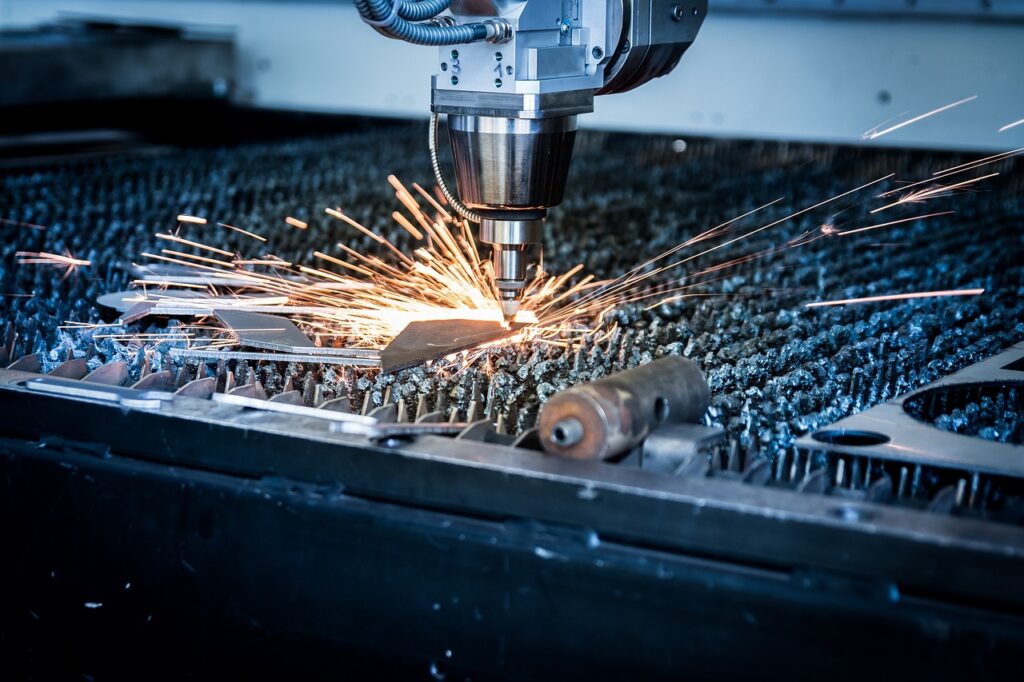
In sheet metal sourcing, cnc laser cutting is often one of the first processes buyers check. It turns digital drawings into flat parts without a hard die, so it suits brackets, panels, covers, frames, and custom machine parts. If you are comparing cutting options, the Processes page is a useful place to match the part design with the right production method.
Clean Profiles for Complex Geometry
A focused laser beam can cut narrow slots, small holes, inside corners, tabs, ventilation patterns, and brand marks in one setup. This helps when one blank has many small features that must line up well.
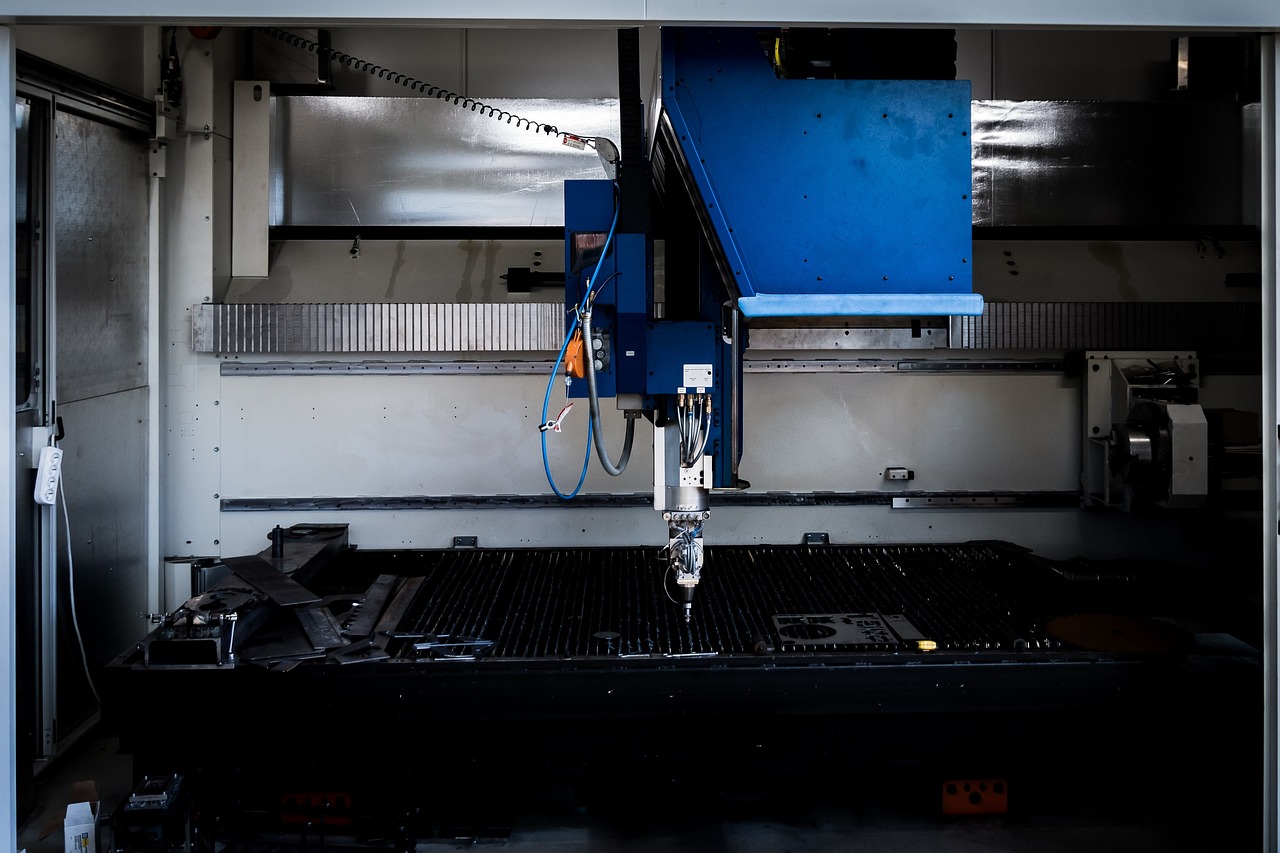
A milled profile may need more clamping, while a punched profile may need tool changes. A laser profile mainly needs the correct file, nesting plan, material, gas, and cutting parameters. For machine guards and electrical cabinet panels, this is not a fancy selling point. It simply reduces shop trouble and saves time.
Repeatable Results across Small and Medium Runs
CNC control helps keep the part shape steady from the first sheet to the last sheet. The machine follows the programmed toolpath, and the operator can reuse proven settings for the same material grade and thickness.
This is useful for small batches, service parts, and export orders. A buyer may order 20 pieces first, test them in assembly, and then reorder 300 pieces. Since the process does not need a dedicated die, drawing changes are easier before the order volume goes up.
Strong Fit for Export Sourcing
Sheet metal is still a basic manufacturing input, not a side job. NIST reported in its 2023 Manufacturing Economy data that manufacturing contributed about 2.4 trillion U.S. dollars to U.S. GDP, with direct and indirect manufacturing value added estimated at 16.2 percent of GDP.
Source note: NIST Manufacturing Economy, 2023 data. For buyers, the point is clear enough: stable metal parts support larger supply chains, and laser cutting is one common front-end process behind those parts.
How Does CNC Laser Cutting Work From File to Finished Part?
From the outside, the job can look simple: load the sheet, run the machine, and collect the parts. In real production, a good part depends on several controlled steps. A small issue in the drawing, material grade, nozzle condition, or gas pressure can lead to burrs, a wide kerf, taper, or surface scratches.
Digital Nesting and Toolpath Planning
Your DXF, DWG, or STEP file is turned into a cutting program. The programmer checks open contours, duplicate lines, tiny gaps, and bend-related dimensions if the part will be formed later.
Parts are nested on the sheet to reduce scrap, but the layout still needs space for pierce points and safe skeleton removal. Good nesting is not only about packing in more parts. If a thin tab overheats because too many pierces sit close together, the material saving may be lost during deburring.
Focused Beam, Assist Gas, and Kerf Control
The beam melts or burns through the material, and the assist gas blows molten metal out of the kerf. Oxygen is often used for carbon steel when speed and thicker cutting are important.
Nitrogen is common for stainless steel and aluminum because it can leave a brighter edge with less oxidation. Compressed air may work for cost-sensitive parts when the edge appearance is not strict. The best choice depends on material, thickness, finish, later welding, and the edge color you can accept.
Inspection Before Packing
After cutting, parts may need slag removal, deburring, film removal, brushing, or dimensional checks. Inspection may include calipers, gauges, thread checks for later tapping, and a visual check for scratches or heat marks.
For export packing, flat parts should be separated so the edges do not rub during shipping. Anyone who has opened a carton of new-cut panels with dented corners knows this is not a small detail.
Which Materials and Thicknesses Fit CNC Laser Cutting Best?
CNC laser cutting works best when the material and thickness match the machine power, beam quality, and assist gas system. No shop cuts every material equally well, so a useful RFQ should state the exact grade, thickness, surface finish, and required edge condition.
Carbon Steel With Oxygen or Nitrogen
Carbon steel is one of the most common materials for laser cutting. Oxygen cutting can help with thicker mild steel because the reaction adds heat, but the cut edge will usually have oxide.
Nitrogen cutting can give a cleaner edge, although it may need higher pressure and more gas. If the part will be powder coated, welded, or painted, tell the supplier in advance. Edge oxide can affect later finishing, and it is much easier to discuss this before production than after the parts are stacked on a pallet.
Stainless Steel and Aluminum With Clean Edges
Stainless steel and aluminum are often cut with nitrogen to reduce oxidation and keep the edge cleaner. Thin stainless covers, food equipment panels, decorative machine skins, and electronic enclosures often need this kind of result.
Aluminum needs careful control because it reflects light and moves heat quickly. A reliable supplier will check alloy, thickness, surface film, and cosmetic requirements before confirming the process route.
Copper, Brass, and Coated Sheets Need Extra Care
Copper, brass, galvanized sheet, and pre-coated sheet can be cut, but they need more review before production. Reflectivity, coating fumes, edge discoloration, and surface scratches may become problems.
If your part uses protective film, grain direction, brushed finish, or a visible face, mark it clearly on the drawing. A left-hand and right-hand cover can look the same in a flat file until the finish direction is wrong.
What Tolerances, Edge Quality, and Risks Should You Specify?
Many buyers ask for tight tolerance as a default, but tighter tolerance is not always better. It can add inspection time, scrap risk, and cost. The better way is to mark what the part function really needs, such as hole location for fasteners, outside profile for fit, slot width for adjustment, or edge quality for welding.
Tolerance Should Match Function
There is no reliable public number that defines one universal tolerance for every CNC laser cutting shop. Tolerance changes with material thickness, machine condition, thermal movement, part shape, nozzle alignment, and inspection method.
For a cover plate, plus or minus 0.2 mm may be acceptable. For a locating tab that fits into a machined slot, you may need a tighter callout. Put critical dimensions on the drawing instead of asking the whole profile to meet the tightest value.
Edge Quality Needs Clear Acceptance Rules
ISO 9013:2017 covers thermal cutting quality and tolerance classification for flame, plasma, and laser cutting. Its scope includes laser cuts from 0.5 mm to 32 mm when the standard is referenced in drawings or delivery conditions. See also: Machines.
The standard was confirmed in 2022 and amended in 2024. Source note: ISO 9013:2017 and ISO 9013:2017/Amd 1:2024. If your project needs a defined cut quality class, name the standard and acceptance level in the drawing or purchase document.
Heat and Safety Are Real Shop Factors
Laser cutting is a thermal process, so heat-affected zones, burr, slag, fumes, and fire risk must be controlled. OSHA describes Class 4 lasers as an immediate eye and skin hazard from direct or reflected beams and a possible fire hazard.
NIOSH also stated in a 2022 science bulletin that laser cutters fall solidly into Class 4 and can create eye, skin, fire, burn, and inhalation hazards. Source note: OSHA Laser Hazards guidance and NIOSH Science Bulletin, 2022. For buyers, this means a professional supplier should treat shielding, ventilation, maintenance, and operator training as part of quality, not only as safety paperwork.
When Is CNC Laser Cutting Better Than Plasma, Waterjet, or Stamping?
Choosing a cutting process is not about picking one winner for every job. The right method depends on thickness, shape, edge requirement, quantity, budget, and timing. CNC laser cutting fits many sheet metal jobs, but it is not the answer for every part. A fair comparison helps avoid cost and schedule problems.
Laser Versus Plasma for Detail and Nesting
Plasma cutting can be a good option for thicker steel plates and heavy fabrication, especially when the edge detail is not too strict. Laser cutting usually has an advantage on thin to medium sheet where small holes, narrow slots, and close nesting matter.
If the drawing has many small internal features, the laser path can often cut them cleanly without the wider kerf typical of plasma. For heavy brackets, base plates, or structural parts, plasma may still be worth quoting.
Laser Versus Waterjet for Speed and Heat Sensitive Parts
Waterjet cutting is a cold cutting process, so it avoids a heat-affected zone. Flow International describes waterjet as a process that can cut many solid materials and notes the no-HAZ advantage compared with thermal methods.
Source note: Flow International waterjet comparison material. If the material is heat treated, laminated, very thick, or sensitive to heat change, waterjet may be the better fit. If the part is thin metal and the order needs fast output, laser cutting often has the edge on speed and detail.
Laser Versus Stamping for Flexible Orders
Stamping works well for high-volume production after tooling is built. The problem is the tooling cost and lead time at the start.
CNC laser cutting makes more sense when the design may change, quantities are mixed, or several part numbers can share one sheet. A common case is a new machine model. You may need guards, brackets, motor plates, control box panels, and spacers before the market demand is clear, and laser cutting keeps that project moving.
How Can You Prepare a Better RFQ for CNC Laser Cutting?
A good RFQ reduces back-and-forth messages and gives the supplier enough detail to quote the right process instead of making a low guess. You do not need a 40-page file for a simple bracket, but the main details should be clear.
Send Clean Files and Drawings
Send the flat pattern file together with a PDF drawing. The flat file helps programming, and the PDF controls dimensions, tolerances, material, finish, and notes.
If the part will be bent, include bend direction, bend radius, and finished 3D geometry when available. Remove duplicate lines, construction lines, and old revision marks. These small file issues can cause real delays on the shop floor.
List Material, Finish, and Quantity
A useful RFQ should include the basic information in plain language. This makes the quote faster and reduces the chance of using the wrong sheet or wrong finish.
- Material grade, such as Q235, 1018, 304 stainless steel, 5052 aluminum, or another specified grade.
- Thickness and allowable thickness tolerance if it affects assembly.
- Surface finish, protective film, grain direction, coating, or visible face.
- Quantity per batch and expected annual demand.
- Post-cut work, such as deburring, tapping, countersinking, bending, welding, or powder coating.
These details help the supplier choose gas, sheet size, nesting plan, and inspection method. They also help you compare quotes on the same basis.
Ask Practical Questions Before Mass Production
Before mass production, ask whether the supplier recommends a sample, first article inspection, or drawing change for sharp corners, tiny holes, or narrow webs. Ask how burrs will be handled and how the parts will be packed.
If a dimension is critical, ask how it will be measured. Good questions at the RFQ stage cost almost nothing. Wrong assumptions after plating or coating can be expensive.
FAQ
Q1: Is CNC laser cutting good for small batch orders? A: Yes. It is often a good fit for prototypes, replacement parts, and small to medium batches because it does not need dedicated hard tooling.
Q2: What file format should you send for CNC laser cutting? A: A DXF or DWG flat pattern is common, and a PDF drawing should be included for material, tolerance, finish, revision, and critical dimensions.
Q3: Does laser cutting leave a heat-affected zone? A: Yes. It is a thermal process, so a heat-affected zone can occur. The size and effect depend on material, thickness, speed, gas, and cutting parameters.
Q4: Can laser-cut parts go directly to bending or welding? A: Often yes, but burrs, oxide, part orientation, and bend allowance should be checked first. Some critical parts may need deburring or edge cleaning before the next process.
Q5: How can you reduce CNC laser cutting cost? A: Use standard material thicknesses, keep tolerances realistic, avoid tiny features that do not affect function, share expected quantities, and provide clean files from the start.