Is Clear Anodized Aluminum Finish the Best Choice for Your Machined Parts?
Why Does Clear Anodized Aluminum Finish Matter?
A clear anodized aluminum finish is often used when you want aluminum to still look like aluminum, not painted, while getting more surface protection than raw metal. If you buy CNC housings, brackets, panels, heat sink bodies, or outdoor nameplates, this finish should be part of your manufacturing processes review. It keeps the silver or light gray metal look, but the final shade can shift with alloy, etch, and coating thickness.
The finish is not a clear lacquer. It is an electrochemical oxide layer grown from the part itself. ISO 7599:2018, published in January 2018 and confirmed in 2023, covers decorative and protective anodic oxidation coatings and points to coating properties, test methods, minimum performance needs, alloy choice, and pretreatment as key items to specify. (iso.org)
Natural Metal Appearance
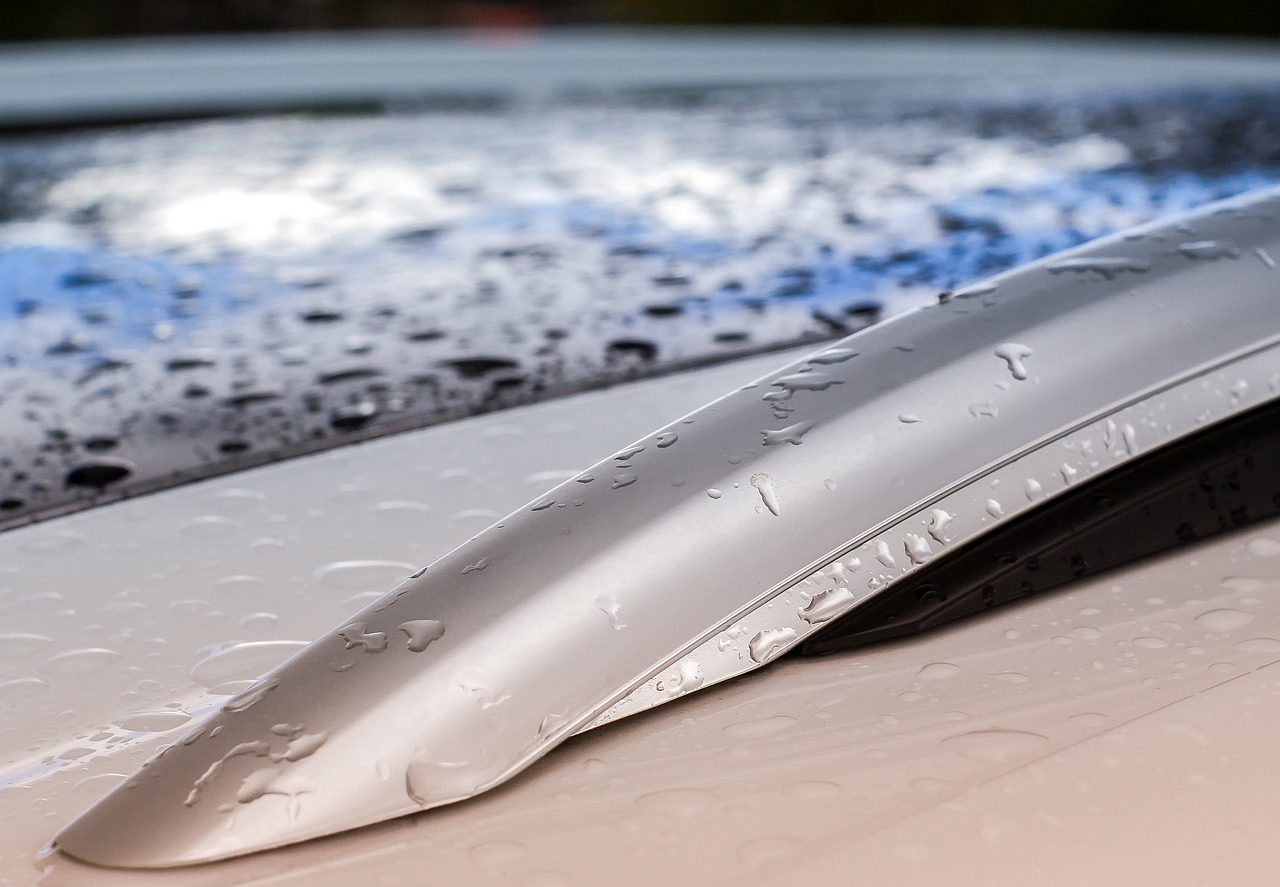
Clear anodizing is common because it does not cover the machining work. Sharp chamfers, bead-blasted texture, brushed lines, and fine milling marks can still be seen after finishing. This suits customer-facing parts, such as a medical device shell or an audio control knob. It also means surface defects remain visible, so a dent before anodizing is still a dent after anodizing, only with a cleaner surface around it.
Protective Oxide Layer
Raw aluminum forms a thin natural oxide in air, but anodizing builds a thicker oxide layer under controlled process conditions. ASTM B580-25 describes anodic oxide coatings as porous coatings deposited by electrolysis on aluminum and aluminum alloy parts where appearance, abrasion resistance, electrical properties, and corrosion protection matter. The same ASTM abstract also says anodized parts should be sealed in water or aqueous chemical solutions unless another instruction is given. (store.astm.org)
Practical Fit for CNC Parts
For machined parts, clear anodizing works for many regular jobs: 6061 brackets, camera mounts, sensor bodies, display frames, robot plates, and small fixtures. It does not add a thick plastic film, so threads, grooves, and mating faces can stay fairly sharp. You still need to plan for dimensional change, rack marks, and color variation. These small points often decide whether a shipment passes inspection without trouble.
How Does the Clear Anodizing Process Work?
The process may look simple from outside the shop, but each step changes the final part. A clean and steady finish usually comes from proper pretreatment, controlled oxide growth, and correct sealing. If a supplier rushes one of these steps, stains, streaks, uneven gloss, or chalky areas may show up. For export parts, it is safer to put the finish callout on the drawing, not only in an email.
Surface Preparation Before the Tank
Parts are normally degreased, rinsed, etched, desmutted, and rinsed again before anodizing. Etching can give a softer matte look, while mechanical brushing or bead blasting can make the texture more deliberate. This is why two parts with the same anodizing callout may not look the same. A blasted 6061 housing and a polished 6061 knob will reflect light in different ways.
Electrolytic Oxide Growth
During sulfuric acid anodizing, the aluminum part works as the anode in an electrolytic bath. The oxide grows both into and above the original surface. Clear anodizing usually means no dye is added, so the natural alloy color can still be seen. The U.S. DLA ASSIST listing for MIL-PRF-8625 shows the specification is active, dated November 23, 2020, and covers six types and two classes of electrolytically formed anodic coatings for non-architectural aluminum applications. (quicksearch.dla.mil)
Sealing for Lower Porosity
Fresh anodic oxide has pores. Sealing helps close them, which improves stain resistance and reduces absorption. Hot water sealing and chemical sealing are both used in industry. If parts will later need adhesive, paint, or bonding, tell the finisher early because sealing may need a different process route. One short note in the purchase order can prevent an assembly problem later.
Which Aluminum Alloys Give the Best Clear Finish?
Clear anodizing shows the base alloy more than dyed black anodizing or powder coating does. Copper, silicon, zinc, grain direction, extrusion marks, weld zones, and heat-treatment condition can all affect the final shade. For this reason, alloy choice is not only about strength or machining. It is also a cosmetic decision, especially when several parts are installed next to each other in one assembly.
6061 for Common Machined Parts
6061 is a practical choice for many CNC machined components. It machines well, has useful strength, and usually gives a clean gray-silver anodized look. It is not always bright, but buyers often accept it for equipment housings, brackets, handles, panels, and fixture plates. If the product has a visible A-surface, ask for a pre-production sample from the same alloy lot and the same surface prep route.
5005 for Decorative Sheet Work
5005 is often used for decorative sheet and architectural surfaces because it can give more even cosmetic results than many structural alloys. When a product uses flat panels, faceplates, or trim parts, this may matter more than a small strength difference. Do not assume a machined 6061 block and a 5005 sheet panel will match after clear anodizing. In normal production, they often do not.
2024 and 7075 Need Extra Caution
High-strength alloys such as 2024 and 7075 can be useful for aerospace-style parts, tooling, and loaded components, but their clear anodized color may look darker, grayer, or less even. Copper-rich and zinc-rich alloys also need tighter process control. If the customer cares about exact appearance, use a written color range and an approved sample. A loose note saying clear anodize only is not enough for cosmetic work.
How Thick Should Clear Anodizing Be?
Thickness should follow the part use. Thin decorative coatings look bright but may not give enough wear life. Heavier coatings give more protection, but they can darken the appearance and change dimensions. This tradeoff is normal. The best finish is not always the thickest one, and a thick coating on a close sliding bore can create fit problems.
Type II Thickness for General Use
For many machined industrial parts, Type II sulfuric anodizing is the standard shop choice. The Aluminum Anodizers Council describes Type II as sulfuric acid anodizing and Class 1 as non-dyed, which matches the way many buyers call out clear anodize for non-colored parts. (members.anodizing.org) Typical commercial callouts are often around 8 to 15 microns, but the exact number should come from the drawing, the standard, or the end-use need.
Class I and Class II Architectural References
Architectural anodizing uses its own wording. The Aluminum Anodizers Council notes that Aluminum Association DAF 45 coating thickness can be specified as Class I at 0.7 mil or Class II at 0.4 mil for architectural use. That is useful background, but it should not be copied straight onto small CNC parts. A door frame, a heat sink, and a precision camera ring are used in very different conditions. (members.anodizing.org)
Tolerance Changes You Should Plan
Anodizing changes dimensions because part of the coating grows outward and part grows inward from the original surface. For loose brackets, this may not matter much. For threaded holes, press fits, dowel holes, sealing grooves, or bearing seats, it matters a lot. Masking, post-machining, or a controlled thin coating may be needed. Put critical dimensions after finishing on the print when the part function depends on them. See also: Machines.
Clear Anodized Aluminum Finish vs Other Finishes Which Should You Choose?
No finish suits every job. Clear anodizing is clean, durable, and still looks like metal, but it cannot solve every surface issue. It will not cover deep scratches like paint. It will not give the heavy wear life of hard anodizing. It will not provide the color range of powder coating. The right choice depends on cost, use, assembly, and what the customer will see.
Bare Aluminum Is Cheaper but Less Stable
Bare aluminum can be acceptable for hidden fixtures, prototypes, and indoor parts with short service life. It is cheaper and faster to supply. The downside is fingerprints, staining, light corrosion marks, and uneven aging. If the part ships overseas, sits in a humid warehouse, and then goes straight into a retail box, bare aluminum is a risk. Clear anodizing gives a more stable surface while keeping the basic metal look.
Powder Coating Adds Color and Coverage
Powder coating is better when you need strong color, more hiding power, and a thicker film. It can cover small cosmetic differences between batches, which helps with welded frames or large sheet metal covers. But it can soften sharp edges and fill small details. On precision CNC parts, the extra film thickness may create assembly issues unless masking and tolerances are planned before production.
Hard Anodizing Fits Wear Heavy Parts
Hard anodizing is a better choice for sliding wear, abrasion, and heavy-duty engineering use. It is usually thicker and darker than clear Type II anodizing. That may be right for a piston, rail, or tooling part, but it may not look suitable for a bright consumer-facing housing. If you need both a clean silver look and high wear life, review samples first. There is usually a tradeoff to accept.
How Should You Specify Quality for Overseas Manufacturing?
Clear anodizing quality depends on details that can be missed between design, machining, polishing, anodizing, packing, and shipping. A supplier can make the correct part and still disappoint you if the finish standard is too vague. Use a short and direct finish note, then add photos or samples for cosmetic surfaces. It is a basic habit, but it prevents many finish disputes.
Drawing Notes That Reduce Guesswork
A useful note may include alloy, finish type, class, coating thickness range, sealing requirement, surface preparation, cosmetic surface zones, and any masked areas. For example: 6061-T6, clear sulfuric anodize, non-dyed, sealed, 10 to 15 microns, matte bead blast before anodizing, no visible rack marks on front face. If a standard is required, name the standard and revision. Do not rely on the word clear alone.
Inspection Points for Real Parts
Inspection should include appearance, coating thickness, adhesion, seal quality if required, and critical dimensions after finishing. For visible parts, compare against an approved sample under the same light. A factory floor lamp, a window, and a phone flashlight can make the same part look different. For batch work, check several parts, not just the best one on top of the tray.
Packaging and Handling After Finishing
Anodized aluminum can still scratch. It should be packed with clean separators, soft sleeves, or individual wrapping when cosmetic surfaces matter. Avoid bare part-to-part rubbing during sea freight or express shipping. Also avoid alkaline cleaners after installation because anodized surfaces can be damaged by strong chemicals. Good packaging is not a selling point on the drawing, but it often decides whether the goods arrive clean or scuffed.
FAQ
Q1: Is clear anodized aluminum finish completely colorless? A: Not exactly. The coating is non-dyed, but the final look can range from bright silver to light gray or slightly warm, depending on alloy, surface prep, and thickness.
Q2: Can clear anodizing hide machining scratches? A: No. It can make the surface look cleaner, but it usually does not hide dents, tool marks, deep scratches, or uneven polishing. Fix cosmetic defects before anodizing.
Q3: Is clear anodizing safe for tight tolerance CNC parts? A: Yes, if you plan for coating growth and specify critical dimensions after finishing. Holes, threads, sliding fits, and sealing features may need masking or adjusted machining sizes.
Q4: Should you choose clear anodizing or powder coating? A: Choose clear anodizing for a metallic look and controlled coating thickness. Choose powder coating when color, coverage, and film build matter more than sharp machined detail.
Q5: What should a purchase order say for clear anodized parts? A: Include alloy, anodizing type, non-dyed class, thickness range, sealing, surface texture, cosmetic zones, masked areas, inspection needs, and the approved sample if appearance is critical.