Are CNC Swiss Turning Machines the Best Choice for High Precision Small Parts?
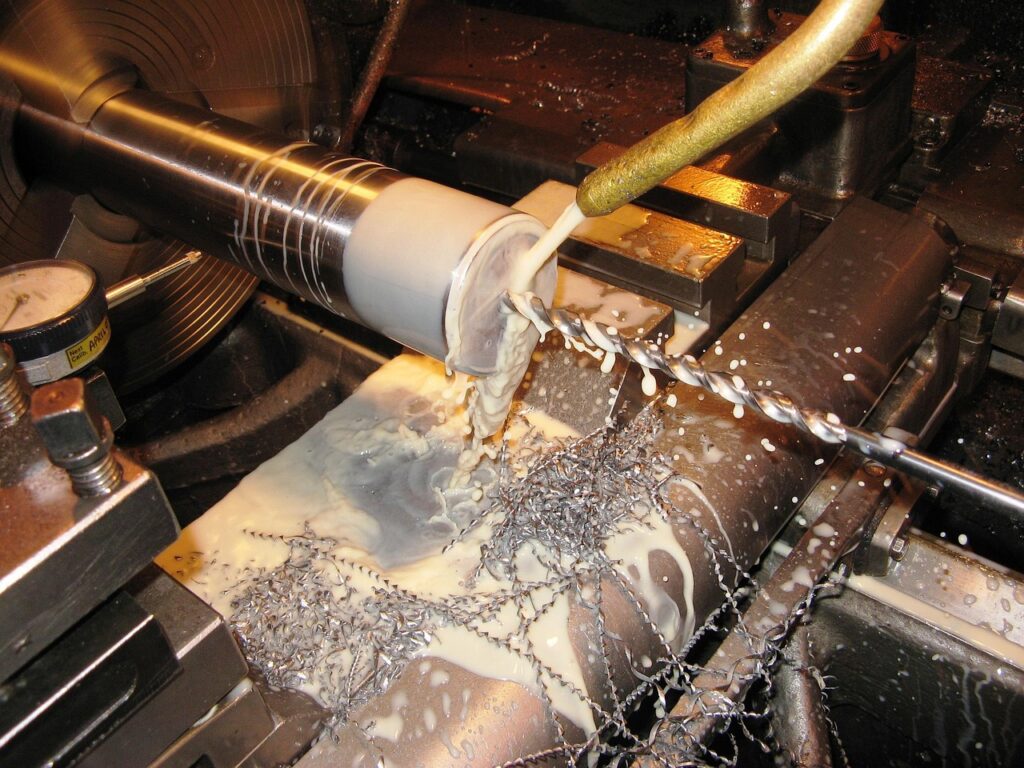
What Makes CNC Swiss Turning Machines Different from Standard CNC Lathes?
If you buy machines for small, accurate metal parts, cnc swiss turning machines should be checked near the start of the job. These machines are made for bar-fed work, and the cutting tool works very close to the bar support. That helps when the part is thin, long, or has many small features. For more machine options, you can visit the jieerda.com Machines section while comparing turning solutions for your shop.
Guide Bushing Support Close to the Cut
The main difference is the guide bushing. On a Swiss-type lathe, the bar stock passes through a bushing that supports the material close to the cutting tool. With less material hanging out, chatter and bending are easier to control. If you have a 3 mm shaft with a 25 mm turned length, a normal chucking lathe may run into vibration. A Swiss machine cuts near the bushing, so the part stays more stable during the pass. Small parts do not leave much room for error, and a slight bend can send a good batch into scrap.
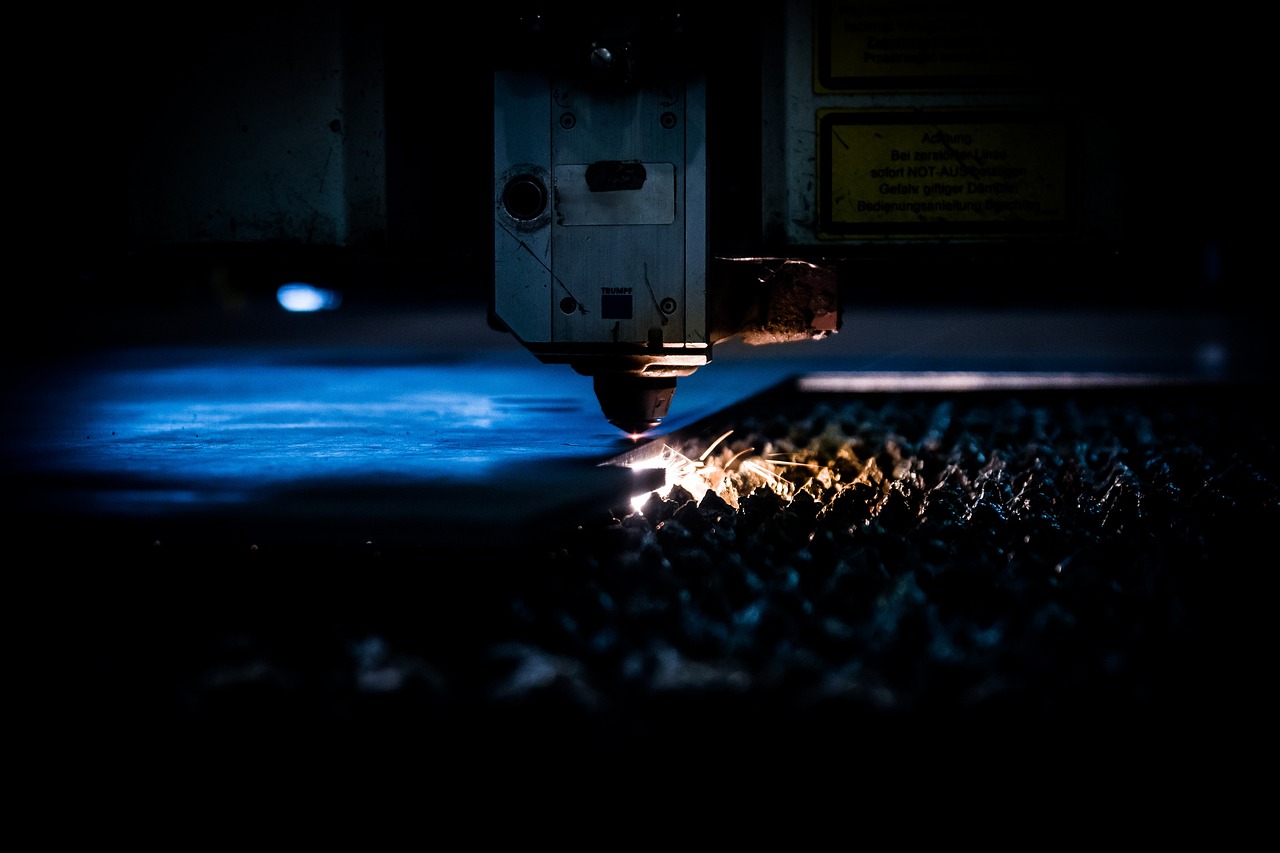
Sliding Headstock Bar Feed
A standard CNC lathe usually grips the workpiece in a fixed spindle, then the tools move along the part. A Swiss machine feeds the bar in another way. The headstock slides and pushes the bar through the guide bushing. This lets the machine cut long features in shorter sections while support stays close to the tool. The idea is not complicated, but it changes the setup and the whole process. It gives better control on small diameters, especially when you run stainless steel, brass, aluminum, titanium, and many free-cutting steels.
Multi Tool Cutting in One Cycle
Many Swiss machines are built with gang tools, live tools, sub-spindles, and back-working tools. With that layout, one cycle can cover turning, drilling, cross-drilling, milling flats, threading, cut-off, and back-side finishing. This can remove a second operation, so handling time drops and datum mistakes are less likely. On connector pins, dental screws, small valve stems, watch screws, and sensor housings, that point often matters more than spindle horsepower.
When Should You Choose Swiss Turning for a Part?
Swiss turning is not the answer for every turned part. The right choice depends on the part shape, tolerance, material, batch size, and how much handling you want to take out of the route. Before buying or outsourcing, match the machine to the real drawing, not to the brochure photo.
Long Slender Parts with Low Deflection
Choose Swiss turning when the length-to-diameter ratio is high. Long pins, needles, shafts, electrodes, and miniature fasteners can bend away from the tool on a standard lathe. A guide bushing keeps the cutting area supported, so it is easier to hold shape and finish without many spring passes. For example, a 2.5 mm medical pin with a deep groove and a fine thread is a typical Swiss-style job. The machine does not change the rules of cutting, but it gives you a better setup to start with.
High Volume Work with Bar Stock
Swiss machines make the most sense when the part can run from bar stock for many cycles. Bar feeders can support long unattended runs if the material, tool life, chip flow, and part collection are stable. For a prototype of ten pieces, setup time may take up most of the cost. For thousands of pieces, the same setup can become reasonable. The break point changes with material and part details, so ask for a cycle study instead of taking a loose promise.
Tight Features Near the Part End
Swiss turning also helps when many features are close together. Small drilled holes, grooves, cross holes, threads, and milled flats can be cut while the part is still supported. This means fewer part transfers. It also lowers the chance of picking up the wrong datum in a second operation. A simple shop rule still works: if the part is small enough to lose on a messy bench but costly enough to inspect carefully, Swiss turning is worth checking.
Which Specifications Matter Most before You Buy?
Machine selection should start with your parts, not with the longest axis list. A larger machine can look safer on paper, but unused capacity still costs money. Check the drawing stack, yearly volume, surface finish needs, and operator skill level before you settle on a model.
Bar Diameter and Usable Stroke
Bar capacity is the first filter. Common Swiss machines cover small bar ranges such as 12 mm, 20 mm, 25 mm, 32 mm, and 38 mm, though exact values depend on the maker. Do not only ask for the maximum bar size. Ask how the machine runs when it is close to that limit. Tool clearance, guide bushing choice, and chip space get tighter as bar diameter grows. Also check usable stroke, because a long part may need more Z travel than it first appears.
Guide Bushing Type and Bar Quality
A guide bushing can only work well if the bar running through it is right. Poor bar straightness or large diameter change can lead to heat, scoring, poor finish, or a seized bushing. Fixed guide bushings suit stable, ground, or drawn bar stock. Rotary guide bushings can help with some materials and longer runs, but they add parts that need care. Ask your machine supplier what bar tolerance they expect, then check with your material supplier to see if that tolerance is practical.
Tooling Layout and Back Working Capacity
Count the actual tools the part needs. Front turning tools, drills, cross live tools, thread whirling, cut-off blades, and back-working tools all take up stations. A machine with more axes is not always the better buy if the tool post layout blocks the tools you need. Send two or three real drawings to the supplier. A capable supplier should return a process plan, tool list, estimated cycle time, and notes on risk points.
How Do Data and Standards Shape a Better Machine Decision?
Public standards and market data cannot choose the machine for you, but they are useful checks during the buying process. They also keep the sales discussion closer to real facts. Use them as background, then cut and inspect your own parts before signing a purchase order.
ISO Accuracy Tests as a Baseline
ISO 13041-1:2020, confirmed current by ISO in 2025, covers geometric tests and related tolerances for numerically controlled turning machines and turning centers with horizontal workholding spindles. The standard also says these tests check machine accuracy, not operating items such as vibration or cutting feeds. For a buyer, the point is simple. Ask how the supplier checks geometry, positioning, spindle alignment, and repeatability during acceptance. A clean-looking machine without an acceptance record is still a risk.
Safety Rules for Daily Production
Safety should be on the buying checklist from the start. ISO 23125:2015, confirmed current in 2024, covers safety requirements for turning machines, including numerically controlled turning machines and automatic turning machines. In the United States, OSHA 29 CFR 1910.212 requires machine guarding to protect operators from hazards such as point of operation contact, rotating parts, flying chips, and sparks. For a Swiss machine, that means enclosed cutting areas, interlocks, guarded bar feeders, safe chip handling, and clear maintenance access. It is not a selling slogan, but it keeps daily production out of trouble.
Market Demand from Precision Sectors
Precision turning demand is linked to medical devices, electronics, aerospace, automotive, and industrial components. The FDA FY 2024 annual inspection report recorded 30,120 registered medical device establishments, including 14,057 domestic and 16,063 foreign establishments. Not all of them use Swiss turning, of course, but the number shows the size of regulated device production where small machined parts often show up. VDW data released on March 16, 2026, also reported that China, Germany, and Japan accounted for 58 percent of global machine tool production in 2025, while the U.S. held about 14 percent of global machine tool consumption. This kind of broad data does not prove one machine is the best pick, but it explains why buyers care about supply, service, and long-term parts support. See also: Materials.
What Common Mistakes Raise Cost per Part?
Cost per part is not just cycle time. It includes setup, scrap, inspection, tool life, labor, maintenance, and downtime. Swiss machines can cut cost on the right work, but the wrong job or weak setup can make them expensive fast.
Choosing Swiss for the Wrong Batch Size
A complex Swiss setup can take real time. If the job is a one-off repair part, a simpler lathe may be the better choice. If the job repeats every month, Swiss turning can pay back through fewer operations and more stable quality. Ask for a cost model that separates setup cost from run cost. It is common to see a part look costly at 50 pieces and much better at 5,000 pieces. The machine did not change; the volume changed the math.
Ignoring Chip Control and Coolant Flow
Small parts make small chips, but those chips can still cause problems. They pack into grooves, wrap around drills, scratch finishes, and jam cut-off areas. Stainless steel and gummy materials make the issue worse. High-pressure coolant, correct nozzle aim, sharp inserts, and chip-breaking geometry all matter. A proper cycle study should include chip evacuation, not only spindle speed and feed rate. No operator wants to open the door and find a nest of hot chips around the tool.
Buying Axes without a Process Plan
More axes can sound attractive during a sales meeting. They also bring more cost, more training, and more programming work. Buy the capability that matches your parts. If you need cross holes and milled flats, live tooling makes sense. If you need finished back-side features, a sub-spindle and back tools may be required. If most parts are simple pins, a simpler layout may run faster and be easier to maintain. The right machine is the one that runs your actual parts every day with fewer surprises.
How Can You Compare Suppliers with Less Risk?
A machine purchase should feel like a technical review, not a guess. Good suppliers ask about drawings, tolerances, materials, inspection plans, and annual volume. Weak suppliers talk mainly about price. Price matters, but downtime and bad parts usually cost more than a slightly higher quote.
Application Samples with Real Drawings
Send a real drawing with material, tolerance, finish, and volume. Ask for a proposed process, not just a price. If possible, request a sample cut or a time study based on a similar part. The supplier should point out risk areas, such as deep drilling, burr-sensitive grooves, tight concentricity, or a guide bushing concern. If every answer sounds too easy, pause and ask more detailed questions.
Service Support and Spare Parts Access
The U.S. Bureau of Labor Statistics projected in its 2024 to 2034 outlook that employment for machinists and tool and die makers would decline 2 percent, yet about 34,200 openings would appear each year on average due to replacement needs. That means skilled setup people will still be hard to replace. Choose a supplier that supports training, manuals, alarms, ladder backup, post processors, and spare parts. A machine that only one person can run can become a production bottleneck the moment that person is off work.
Acceptance Tests before Shipment
Before shipment, put the acceptance checks in writing. Include geometry checks, spindle runout, axis repeatability, tool change checks, bar feeder function, coolant system tests, safety interlock checks, and a sample part run if the order includes tooling. Public sources do not provide a reliable global installed-base count for CNC Swiss machines by country, so be careful with claims that a machine is popular only because a sales sheet says it is. Proof should come from test results, references, and parts that pass inspection.
FAQ
Q1: Are CNC Swiss Turning Machines Only for Medical Parts? A: No. They are used a lot in medical work, but they also fit electronics, aerospace, automotive, fluid control, watch, and connector parts. The common point is small diameter, fine detail, and repeat production.
Q2: What Bar Stock Works Best on a Swiss Machine? A: Straight, consistent bar stock works best. Ground or good drawn bar helps the guide bushing run smoothly and can reduce finish issues, heat, and size drift.
Q3: Is a Swiss Machine Faster than a Standard CNC Lathe? A: It can be faster when it combines several operations in one cycle and runs bar-fed production. For short batches or simple large parts, a standard CNC lathe may still cost less.
Q4: What Should You Ask a Supplier before Buying? A: Ask for bar capacity, guide bushing options, tooling layout, sample process plans, cycle estimates, service support, safety features, spare parts access, and written acceptance tests.
Q5: Can One Swiss Machine Replace Several Machines? A: Sometimes, yes. If it finishes turning, drilling, milling, threading, cut-off, and back-working in one cycle, it may replace secondary operations. The drawing and volume decide the answer.


