How Do You Choose the Best Aluminium Cutting Mitre Saw for Clean Factory Cuts?
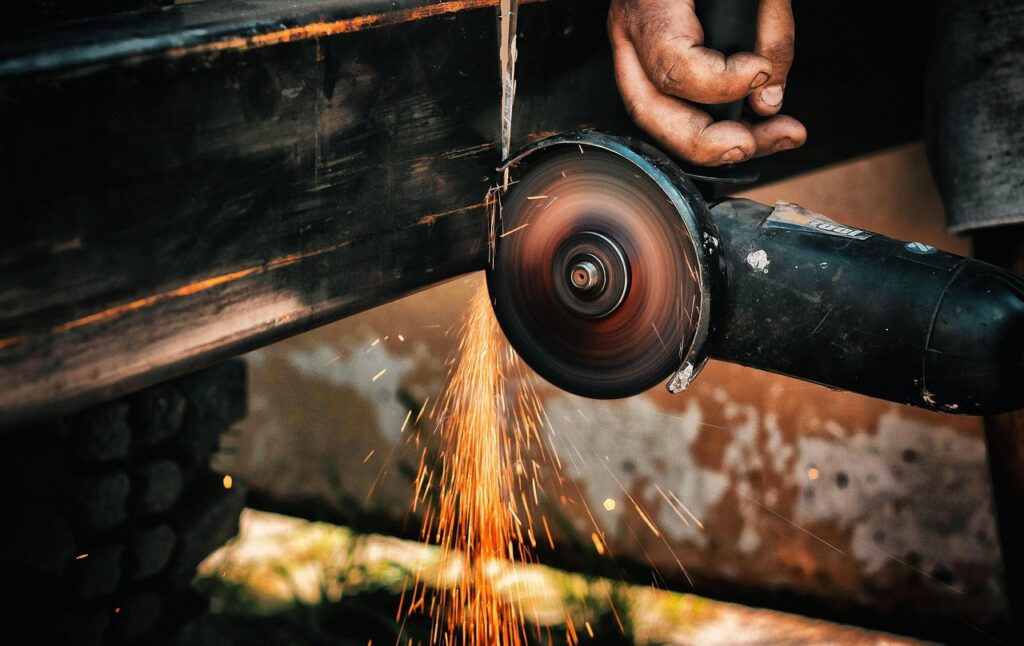
How Can an Aluminium Cutting Mitre Saw Improve Daily Production?
An aluminium cutting mitre saw looks like a basic machine, but in a busy workshop it can decide whether the parts match the drawing or end up in the scrap bin. When buyers, fabricators, and sourcing teams compare cutting options, the saw price is only one part of the decision. Clean edges, steady angles, safe clamping, and repeatable length control matter just as much. If your work includes profiles, tubes, heat sink stock, or architectural trim, this guide in the Materials category gives you practical points to check before placing an order.
Public industry sources also put cutting quality in the right place. The Aluminum Association notes in its Processing 101 material that fabrication of extruded aluminum often starts with cutting the extruded length, then moves to punching, machining, bending, or welding. In many factories, the saw cut is the first real production step after extrusion. If that cut is poor, the error can follow the part into every next process.
Cleaner Edges Reduce Rework
Aluminum is softer than steel, but it still needs the right cutting setup. A dull blade can smear the edge, and a loose clamp can make thin wall tube vibrate during the cut. Burrs may look minor, but they can keep a bracket from sitting flat or make anodized trim look low grade. In shop numbers, one extra minute of deburring over 400 cuts is more than six hours of labor, so it is not a small issue.
Accurate Angles Help Assemblies Fit
Mitre cuts are important when profiles meet in frames, guards, rail systems, and cabinet corners. A 45 degree cut that moves by even half a degree can leave a gap after assembly. For export parts, that gap can create a bad first impression after packaging and shipping, because the customer sees the defect right away. A rigid aluminium cutting mitre saw with a positive angle stop, a stable fence, and a clear scale makes repeat work easier to control.
Repeatable Lengths Save Inspection Time
Length stops, digital readouts, and solid feed support all reduce pressure on inspection. You still need checks, but the team does not have to measure every part with the same level of worry when the saw repeats within your tolerance. For batch work, a simple mechanical stop may be enough. For larger volume, a pneumatic or servo feeding system gives a steadier pace and cuts down hand measuring mistakes.
What Materials Should You Check Before Cutting?
Before choosing a blade or setting feed speed, check the actual aluminum alloy, temper, wall thickness, and surface finish. Not every aluminum profile cuts the same way. Two bars can look almost the same on the rack, but one may cut cleanly while the other starts loading the teeth after only a few pieces.
6xxx Series Extrusions Are Common
The Aluminum Extruders Council reported that, as of 2022, The Aluminum Association had registered 564 aluminum alloys, including 110 in the 6xxx series. The same industry source describes 6000 series alloys as widely used for extrusion because they give a workable mix of strength, corrosion resistance, weldability, machinability, and surface finish. This is why many aluminium cutting mitre saw jobs involve 6061, 6063, or similar extrusion alloys. These materials are common in both standard stock and custom profiles.
6061 and 6063 Need Different Attention
6061 is often used for stronger structural parts, while 6063 is common in building products, trim, heat sinks, and electronic housings. The Aluminum Association states that 6061 is one of the most widely used alloys in the 6xxx series, and the Aluminum Extruders Council points to 6063 for applications where high strength is not the main need. For sawing, this difference matters because gummy chips, thin decorative walls, and visible surfaces need a sharp blade and firm support. If the setup is weak, the cut edge and the finished face show it quickly.
Surface Finish Can Change the Setup
If the profile is anodized, painted, brushed, or polished, the visible face should not drag against a rough fence. Use clean support pads, keep loose chips out from under the stock, and clamp hollow sections without crushing them. This sounds like basic workshop work, but many scratches come from chips already on the saw table, not from the blade. A quick brush between batches is simple, and it saves complaints later.
Which Saw Features Matter Most for Aluminum?
A general woodworking mitre saw may cut aluminum in light work with the right blade, but production cutting needs more control. Aluminum chips move fast, thin parts can vibrate, and mitre accuracy can shift if the head has play. The right choice depends on stock size and daily volume, not just the largest motor on the catalog page.
Rigid Head and Fence Design
The saw head should move down smoothly without side play. The fence should be square, high enough for the profile, and easy to clean. On wide extrusions, a sliding head can help, but it still needs to stay rigid through the cut. If the head flexes, the blade can rub on the exit side and leave a heavier burr.
Proper Clamping for Thin Wall Profiles
Clamping is where many aluminum cutting problems start. A vertical clamp holds the part down, while a horizontal clamp pushes it against the fence. For hollow profiles, the clamping force should hold the part without denting it. Soft jaws help protect decorative surfaces, and if the operator keeps holding the part by hand because the clamp is slow, the setup needs attention.
Chip Control and Guard Coverage
OSHA machine hazard guidance says guards should have enough strength to protect operators from flying chips, broken saw teeth, cutting heads, and tools. That point fits aluminum cutting because the chips are sharp, bright, and easy to underestimate. A guard, chip tray, and vacuum or mist collection point keep the work area cleaner. They also help the operator see the cut line without leaning into the machine.
How Should You Choose the Right Blade?
The blade is not a minor accessory. It touches the material, controls the finish, and often tells you by sound whether the cut is running properly. For aluminum, use a blade made for non ferrous metals, not a rough wood framing blade. If a shop wants a fast improvement by changing only one thing, blade choice is usually the first place to start.
Carbide Teeth for Non Ferrous Metals
A tungsten carbide tipped blade is common for aluminum because it holds its edge longer than plain steel tooling in repeated cuts. For profiles and trim, a fine tooth count usually gives a smoother finish. For thicker solid bar, too many teeth can pack chips in the cut. The right pitch should match the wall thickness and cross section, not just the blade diameter.
Tooth Geometry That Clears Chips
Many aluminum blades use triple chip grind tooth geometry because it spreads the cutting load and helps leave a cleaner edge on non ferrous metals. The teeth also need enough clearance to carry chips away from the kerf. If chips weld to the teeth, the blade starts rubbing and the motor works harder. The finish then turns dull, rough, or torn.
Blade Diameter and Speed Matching
Always match blade diameter, bore, rated speed, and saw spindle speed. Do not fit a blade just because the hole size looks correct. Manufacturers publish maximum RPM ratings for a reason, and those limits should be followed. Public agencies do not provide one universal RPM table for every aluminium cutting mitre saw, so the safer choice is to follow the saw maker and blade maker data for that exact setup.
What Cutting Setup Gives the Best Finish?
A good saw and blade still need a practical setup. Aluminum cuts best with steady feed, firm support, and room for chips to clear. Pushing the blade into the work too fast can pull thin sections. Moving too slowly can rub the material and heat the edge. A good cut feels controlled, with clean chips and a steady machine sound.
Firm Support on Both Sides
Long profiles need roller stands or a flat infeed and outfeed table. If the offcut drops before the blade leaves the material, it can pinch the blade and tear the corner. Good support also keeps the operator from trying to catch a falling part during the cut. That quick hand movement is exactly the kind of risk a proper setup should remove. See also: Machines.
Steady Feed Without Forcing
Feed the saw head at a steady pace. If the blade slows down hard, stop forcing it and check the setup. A forced cut can heat the blade, roughen the edge, and raise the risk of tooth damage. On small trim, a soft entry helps reduce surface chipping, while on heavy sections the teeth need to bite without shock.
Cooling or Lubrication When Needed
For many light profiles, a sharp blade can cut dry, especially in short runs. For higher volume, thick wall sections, or gummy alloys, mist lubrication can improve edge quality and reduce chip welding. Keep fluid away from finished faces if staining is a concern, and clean parts before packaging. A customer opening a box of oily trim will remember that problem more than the cutting method.
How Do Safety Rules Shape Saw Selection?
Safety is tied to productivity. A saw that forces awkward hand positions, leaves guarding loose, or needs manual chip clearing will slow the line and raise risk at the same time. For purchasing, safety features should be written into the machine specification instead of being added after an accident.
Machine Guarding Is a Core Requirement
OSHA guidance for machine hazards highlights the need for suitable safety accessories, proper machine condition, and trained operators. It also states that safeguarding depends on the operation, stock shape, material handling method, and production needs. For aluminum mitre cutting, this means covered blades, working lower guards, proper clamps, and clear steps for changing blades. These items are not extras when the saw is used every day.
PPE Still Matters With Good Guards
Guards reduce risk, but they do not replace eye and face protection. Aluminum chips can bounce from the fence or offcut. Hearing protection is also sensible because high speed cutting of hollow profiles can be loud. Gloves need care around rotating blades, so many shops allow cut resistant gloves for material handling but not near the active cut zone. Follow local safety rules and the machine manual.
Chip Removal Should Not Use Hands
Fresh chips can be sharp and hot. Use a brush, chip hook, vacuum system, or air control method approved for the work area. Blowing chips everywhere with compressed air may clear the table, but it can push metal into slides, eyes, and nearby machines. Remove chips often, especially before measuring finished parts.
When Is an Aluminium Cutting Mitre Saw Better Than Other Machines?
No single cutting machine suits every job. A mitre saw works well when you need fast crosscuts and accurate angles on profiles, tubes, channels, and light bar. It is not always the best answer for thick plate, heavy billets, or complex shapes. A good choice comes from matching the cut to the part, not from buying by machine name only.
Better for Profiles and Angle Cuts
For window frames, solar rail, display frames, guard profiles, and light assembly parts, a mitre saw is often faster than a bandsaw because angle changes are direct. The cut face can also be very clean when the blade and clamps are right. If your main work is 90 degree cut to length plus 45 degree corners, the mitre saw can justify its floor space quickly. It also keeps the workflow simple for repeat profile jobs.
Less Suitable for Heavy Solid Stock
Large solid bar and thick plate may fit a bandsaw, circular cold saw, or CNC cutting center better. The reason is not only motor power. Chip load, blade engagement, clamping force, and heat all affect the cut. A mitre saw can struggle when too much tooth length stays buried in metal during the cut.
Best Results Come From Matching the Job
Make a simple list before buying: alloy, maximum cross section, minimum length, common angles, cut tolerance, finish need, daily cut count, and available floor space. Then compare saws against that list. This basic checklist often works better than a polished catalog page. It also helps suppliers quote the right machine instead of pushing the biggest one.
FAQ
Q1: Can You Cut Aluminum With a Regular Mitre Saw? A: Yes, light aluminum can be cut on some mitre saws when the machine is suitable and fitted with a non ferrous metal blade. For regular production, choose a saw with strong clamping, proper guarding, chip control, and manufacturer approval for aluminum.
Q2: What Blade Is Best for an Aluminium Cutting Mitre Saw? A: A carbide tipped blade designed for non ferrous metals is usually the best choice. For clean visible edges, look for fine teeth, proper chip clearance, and tooth geometry made for aluminum rather than wood.
Q3: Why Does Aluminum Leave Burrs After Cutting? A: Burrs often come from a dull blade, weak clamping, wrong feed speed, poor support, or chip buildup. Thin wall profiles also burr more easily if the offcut moves as the blade exits.
Q4: Should Aluminum Be Cut Dry or With Lubrication? A: Many light profiles can be cut dry with a sharp blade. Thicker sections, long runs, or gummy alloys may need mist lubrication to reduce chip welding and improve the finish.
Q5: What Data Should You Give a Saw Supplier Before Buying? A: Share the alloy, temper, profile drawing, largest cross section, shortest cut length, angle range, cut tolerance, surface finish needs, and daily volume. Those details help the supplier recommend the right saw, blade, clamp, and feed system.