What Is CNC Cutting and Why Is It the Best Choice for Precision Metal Parts?
What Is CNC Cutting and Why Does It Matter for Your Parts?
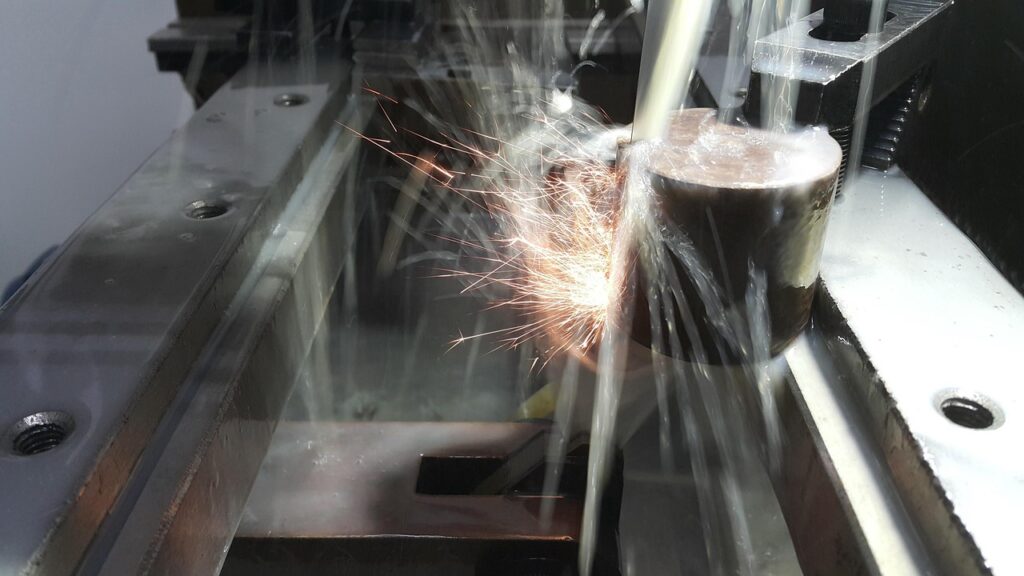
CNC cutting is a programmed manufacturing method that removes or separates material by controlled machine movement. If you buy brackets, housings, plates, fixtures, shafts, or custom metal parts, it gives you a clear route from drawing to finished component. For a wider view of related manufacturing processes, the same planning logic still applies: define the part, choose the right process, then check inspection before shipment.
The size of the market is one reason these small details matter. The U.S. Census Bureau’s Manufacturers’ Shipments, Inventories, and Orders Survey reported fabricated metal product shipments of $45.206 billion in March 2026, not seasonally adjusted, as published through the Federal Reserve Bank of St. Louis FRED database in May 2026. That figure covers far more than one cutting method, but it makes one thing clear: drawing notes, tolerances, and edge requirements all sit inside a large supply chain.
Programmed Motion Replaces Hand Guesswork
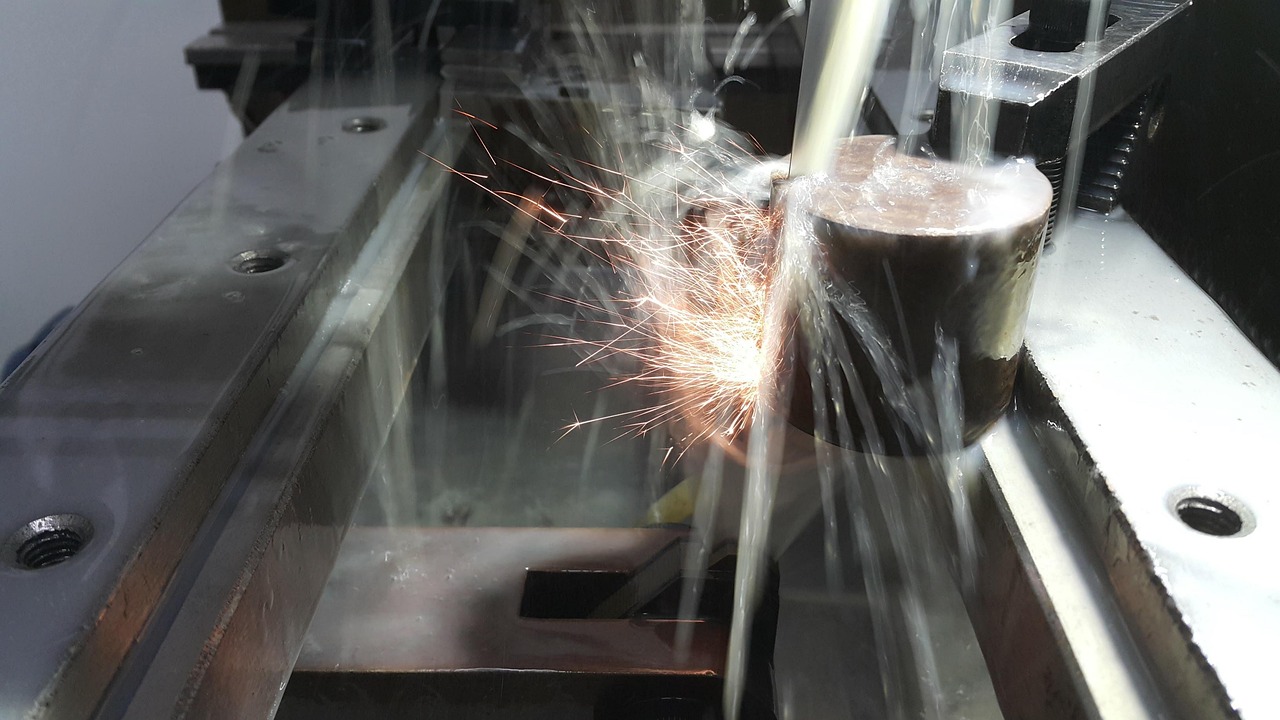
In CNC cutting, a controller follows code from CAM software or a machine program. The tool or cutting head moves along set axes, usually X, Y, and Z, while speed, feed, depth, and path are set before the cycle starts. That is why a 5 mm slot can stay a 5 mm slot across dozens or thousands of parts, as long as the machine, tool, workholding, and inspection routine are kept stable.
Repeatable Setups Make Small Batches Practical
For export buyers, repeatability is often worth more than pure speed. A supplier may cut ten prototypes today and 2,000 production pieces next month. If the setup is recorded properly, the next batch can match the approved sample. This saves time during incoming inspection, and it also avoids the usual email chain about why a hole moved by 0.4 mm.
Process Choice Shapes Cost Early
Cost is not only machine time. Material grade, sheet thickness, tool wear, nesting, burr removal, and inspection all add to the final price. A simple flat plate may suit laser cutting, while a thick aluminum block with pockets may need CNC milling. A hardened steel insert may point to wire EDM. When the process is chosen early, there are fewer quote changes later.
Which Materials Work Best With CNC Cutting?
Material choice affects almost every cutting decision. Two parts may look the same in CAD, but they can behave very differently on the shop floor. Stainless steel work-hardens, aluminum can build up on cutting tools, brass cuts cleanly but may need chip control, and some plastics move because of heat or clamping pressure. Clear material notes help the supplier choose a workable process before production starts.
Aluminum for Light and Fast Parts
Aluminum is widely used for frames, covers, heat sinks, equipment plates, and automation parts. It cuts faster than many steels, and it can give clean edges when the tool geometry is right. 6061 aluminum is a common choice for machined parts because it gives a useful balance of strength, corrosion resistance, and availability. For thin sheet parts, flatness and scratch control may be just as important as the cut line.
Stainless Steel for Strength and Corrosion Resistance
Stainless steel wears tools faster and usually cuts more slowly, but it is often needed for food equipment, medical hardware, marine parts, and outdoor assemblies. Grades such as 304 and 316 are common, yet they do not cut in the same way. A small note like “316 stainless, visible surface protected” can affect tool choice, packing method, and even whether film stays on the sheet during cutting. These details are easy to miss, but they matter once parts reach assembly.
Engineering Plastics for Low Weight and Wear Control
Plastics such as POM, nylon, PTFE, and acrylic can be CNC cut or machined for guides, spacers, covers, and wear pads. They need care because heat can melt edges or cause size change after cutting. If the part must slide, insulate, or stay transparent, mention that function in the RFQ. The supplier can then choose feeds, cutters, and finishing steps that match the actual use.
How Do Tolerances, Edges, and Surface Finish Affect Cost?
Tolerances tell the shop how much variation is allowed. Edge and finish notes tell the shop how the part should feel, fit, and look. These notes are not just paperwork. They decide whether a part needs simple cutting, secondary machining, deburring, grinding, tumbling, anodizing, passivation, or full inspection reports. Tight limits on every dimension can push the price up quickly, even when only two features actually control the function.
Critical Features Need Specific Tolerances
A locating hole, bearing seat, sealing surface, or press-fit pin needs a real tolerance. A cover outline may not need the same level of control. ISO 2768 is often used for general tolerances on linear and angular dimensions without individual tolerance callouts. The ISO page for ISO 2768 states that the standard covers general tolerances for linear and angular sizes, including parts made by metal removal and sheet metal work. In daily sourcing, the rule is simple: use general tolerances for normal features, and call out tight limits only where the function needs them.
Edge Quality Changes Assembly Behavior
A sharp burr can cut a cable, stop two plates from sitting flat, or make a worker reject a part that is otherwise usable. CNC cutting can leave different edge conditions depending on the method. Milling may leave tool marks. Laser cutting may leave a heat-affected edge. Waterjet can leave taper on thick material. If the edge touches hands, seals, wiring, or paint, say so on the drawing. “Deburr all edges” is helpful, but “no burrs on cable contact edges” gives the supplier a clearer target.
Surface Finish Drives Secondary Work
Surface finish affects sealing, sliding, coating, and appearance. A machined pocket inside a fixture may be fine with visible tool paths. A front panel for customer-facing equipment may need a better finish before anodizing or powder coating. Do not pay for a cosmetic finish where nobody will see it. At the same time, do not leave a visible cover unclear and expect the factory to guess your preference. That usually leads to rework or a sample rejection.
Is CNC Cutting Better Than Laser Cutting, Waterjet, or EDM?
There is no one cutting method that fits every job. CNC cutting is a broad term, and buyers often compare CNC milling, CNC routing, laser cutting, waterjet cutting, plasma cutting, and EDM. The right choice depends on material, thickness, shape, heat sensitivity, tolerance, edge quality, and budget. A quick process check helps you avoid using an expensive method for a simple part, or a rough method for a precision assembly.
CNC Milling for 3D Features and Tight Fits
CNC milling is usually the better option when the part needs pockets, steps, chamfers, counterbores, threaded holes, or tight positional accuracy. It removes material with rotating tools, so it can make shapes that flat cutting cannot. The tradeoff is time. A milled aluminum housing with six faces, threaded holes, and inspection points may take much longer than a flat laser-cut bracket. See also: Machines.
Laser and Waterjet for Flat Profiles
Laser cutting is a good fit for sheet metal profiles, especially when speed and nesting matter. It works well for brackets, covers, shims, and panels. Waterjet cutting is useful when heat is a problem or the material is thick. It can cut metals, stone, glass, and composites, though edge taper and slower cutting speed may affect the job. If a part is flat and has no machined pocket, ask whether profile cutting plus secondary drilling is cheaper than full milling.
EDM for Hard Metals and Fine Internal Corners
Wire EDM cuts conductive materials with electrical discharge, not a normal cutting edge. It is often used for hardened steels, dies, punches, and fine slots. It can make sharp internal corners that a round milling cutter cannot cut directly. The drawback is speed and cost. Use it when the material or geometry really needs it, not just because EDM sounds precise.
What Should You Prepare Before Requesting a Quote?
A good RFQ saves days. A weak RFQ makes the supplier guess, and guessed requirements often become revised prices later. The Bureau of Labor Statistics reported in May 2025 that the United States had 169,450 computer numerically controlled tool operators and 28,500 CNC tool programmers, with mean annual wages of $54,320 and $72,210 respectively. Skilled programming and setup time cost real money, so clean files and clear notes help the supplier quote on a solid basis.
Clean Drawings and 3D Files
Send a 2D drawing and a 3D model when possible. The 3D file shows the shape, while the 2D drawing gives tolerances, thread notes, finish, material, revision, and inspection rules. STEP files are common for 3D exchange. PDF drawings are useful for review, but they should not be the only file for a complex machined part. If the model and drawing do not match, state which one controls the order.
Clear Quantity and Delivery Targets
Quantity changes the process. Five parts may be cut one way, while 5,000 parts may justify fixtures, nesting plans, or dedicated tooling. Delivery targets also affect the route. A rushed prototype may accept a different finish than a production order for retail equipment. Give annual demand if you know it. Even a rough range, such as 200 pieces per month after sample approval, helps the supplier plan material and capacity.
Inspection Rules That Match Real Risk
Ask for inspection where it matters. For a simple plate, a dimensional spot check may be enough. For an automation part with dowel holes, request inspection of hole size, position, and flatness. NIST’s Augmented Intelligence for Manufacturing Systems project notes that thermal distortion is a major source of machining inaccuracy, and its measurements showed thermal compensation errors exceeding 80 micrometers on some modern machines. That 2026 NIST program context points to a practical shop habit: check the features that control fit, not every harmless edge length.
FAQ
Q1: What Is CNC Cutting? A: CNC cutting is a computer-controlled process that cuts, shapes, or removes material from metal, plastic, and other workpieces based on programmed toolpaths.
Q2: Is CNC Cutting Good for Custom Metal Parts? A: Yes. It is a solid choice for custom parts because you can move from prototype to repeat production with recorded programs, drawings, and inspection steps.
Q3: Which File Format Should You Send for CNC Cutting? A: Send a STEP file for the 3D model and a PDF drawing for tolerances, material, finish, threads, and inspection notes.
Q4: Does Tighter Tolerance Always Mean Better Quality? A: No. Tighter tolerance is only better when the function needs it. Overly tight non-critical dimensions add machining time, inspection work, and cost.
Q5: Can Public Data Prove an Average Scrap Rate for CNC Cutting? A: No reliable public source gives one universal scrap rate for all CNC cutting. Scrap depends on material, part shape, operator skill, tooling, machine condition, and inspection rules.