Which CNC Milling Materials Should You Choose for Better Parts and Lower Cost?
What Makes a CNC Milling Material Good for Your Part?
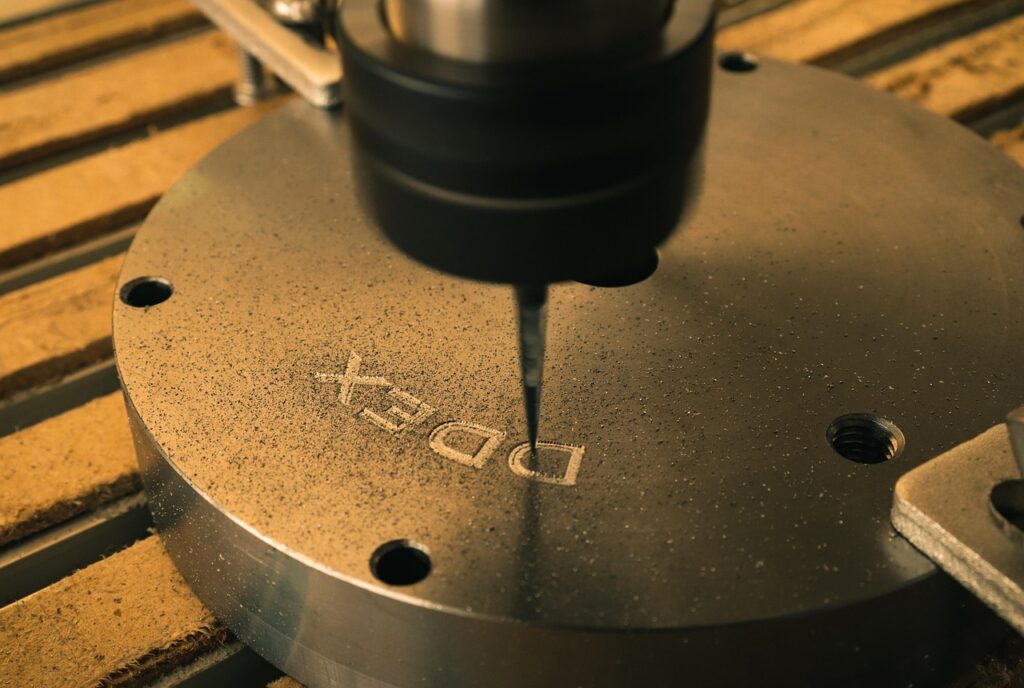
CNC milling materials affect the things buyers and engineers check first: part strength, tolerance, surface finish, tool life, price, and delivery time. If you are checking metals and plastics for a new machined component, the Materials guide is a useful place to review before the drawing is fixed. The right choice is not always the strongest grade listed on a data sheet. It is the grade that suits the job, cuts in a stable way, and does not bring problems after milling.
Machinability and Chip Control
Good machinability means the material cuts cleanly, makes chips the machine can clear, and does not wear tools too quickly. Aluminum 6061, brass, and acetal are usually easy to manage in milling, while Austenitic stainless steels, titanium, and gummy copper need more care.
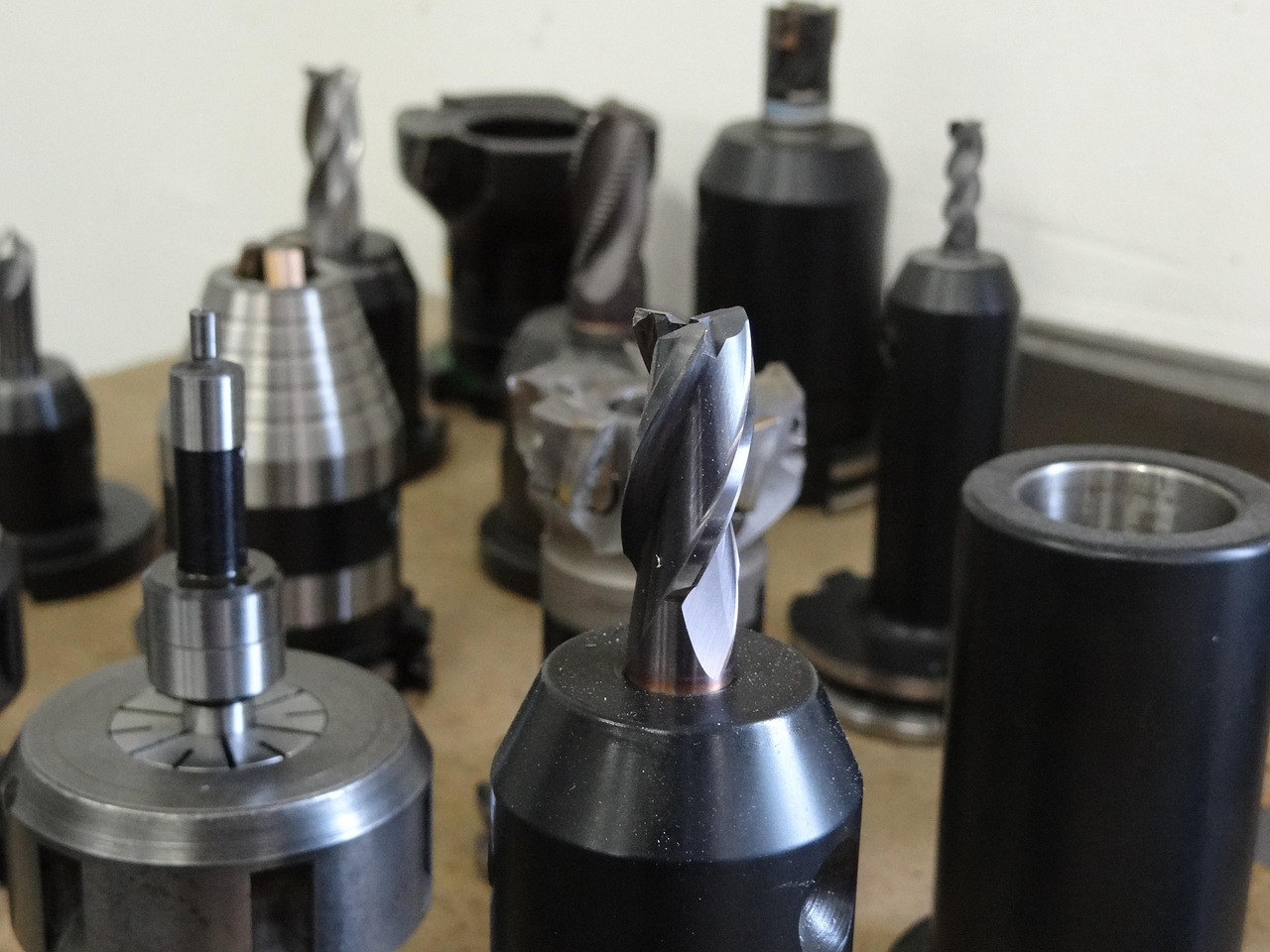
When chips stay in pockets or wrap around tools, heat builds up and the surface can become rough. For small holes, thin walls, and deep slots, chip behavior can matter more than the listed tensile strength.
Strength, Weight, and Heat
Weight is often the first real limit on a design. Aluminum works well for brackets, covers, and automation parts because it is light and easy to cut, while Steel handles load and impact at a lower raw material price but adds weight.
Heat also needs attention. MatWeb’s public 6061-T6 aluminum data sheet, accessed July 2026, lists density at 2.70 g/cc and thermal conductivity at 167 W/m-K at 77°F. That heat transfer helps aluminum move cutting heat away from the tool, which is one reason it mills well.
Tolerance Risk After Cutting
A material can cut well and still move after roughing. Rolled plate, flame-cut steel, and some plastics can carry internal stress, so thin parts may bow when one side is machined away.
If your part has a 0.5 mm web, a long pocket, or a flatness callout across a wide face, ask for stress-relieved stock or plan roughing and finishing as separate steps. This small planning step often saves more money than choosing a cheaper alloy.
Which Aluminum Alloys Fit Most CNC Milling Jobs?
Aluminum is often the first option when you need a clean machined part without long machine time. It cuts fast, takes anodizing, and keeps shipping weight down. Still, not all aluminum grades act the same in the mill. Choose by function first, then look at finish, availability, and post-machining treatment.
6061-T6 for General Purpose Parts
6061-T6 is the common default for many CNC milled parts, including machine frames, sensor mounts, covers, robot plates, and light-duty fixtures. It gives a practical balance of strength, corrosion resistance, price, and stock availability.
It also anodizes well, which helps when the part needs a hard, colored, or cleaner surface. For prototypes, 6061 can lower risk because most CNC shops already know how it cuts. It may look like a plain choice, but plain is often what a purchase order needs.
7075-T6 for High Strength Designs
7075-T6 is stronger than 6061 and suits aerospace-style brackets, high-load clamps, and lightweight structural parts. It is not as good for welding and usually costs more, so it makes sense when strength-to-weight ratio is a real requirement.
It also needs more attention during anodizing because color and corrosion behavior are different from 6061. If a part fails by bending or permanent set, 7075 may be the right upgrade. If the part only holds a sensor cover, it is probably more than you need.
2024 for Fatigue Critical Components
2024 is often used where fatigue strength matters, such as aircraft-related brackets and motion components. Its copper content helps strength, but corrosion protection becomes more important.
For many commercial milled parts, 6061 or 7075 is still easier to buy and finish. Use 2024 when the drawing or engineering review clearly asks for it, not just because the grade sounds more technical.
When Should You Choose Steel or Stainless Steel?
Steel and stainless steel come into the discussion when the part needs stiffness, wear resistance, thread strength, magnetic behavior, or corrosion resistance. They usually cut slower than aluminum, but they are often the right choice when the part has to handle rough use. The main point is not to treat every steel grade as the same material.
Low Carbon Steel for Budget Fixtures
Low carbon steel is a practical choice for jigs, bases, spacers, brackets, and welded assemblies. It machines fairly well, welds well, and keeps raw material cost under control.
The drawback is corrosion, so black oxide, zinc plating, painting, or oiling may be needed. If the part stays indoors and weight is not an issue, low carbon steel can beat aluminum on cost and toughness.
4140 for Tough Loaded Parts
4140 alloy steel is common for shafts, tooling plates, high-load pins, and mechanical components that see impact or repeated stress. Pre-hardened 4140 removes some heat treatment work and gives better wear resistance than mild steel.
It needs more machine time and more tool care, but it gives you a tougher part. For threaded holes that will be used again and again, 4140 often feels safer than aluminum.
303, 304, and 316 Stainless Choices
Choose 303 stainless when machining speed matters and the service environment is not harsh. Choose 304 for broad corrosion resistance, food equipment, and general industrial use.
Choose 316 when chloride exposure, marine service, or chemical contact makes corrosion a real concern. Public machining data from thyssenkrupp Materials North America, accessed July 2026, lists 304L at 44% and 316L at 45% relative speed based on C1212 at 100. The basic point is simple: stainless can be milled well, but it does not usually cut like free-cutting steel.
Are Engineering Plastics Better for Light Parts?
Engineering plastics can be strong CNC milling materials when you need low weight, electrical insulation, low friction, or chemical resistance. They are not only cheap replacements for metal. Many plastics solve issues that metals can cause, such as noise, galling, and electrical conductivity. The tradeoff is that plastics expand, flex, and react to heat in their own way.
Acetal for Smooth Accurate Components
Acetal, also called POM or Delrin in common shop talk, is often used for bushings, rollers, guides, gears, and small precision parts. Curbell Plastics material guidance, accessed July 2026, describes acetal as a low-friction engineering plastic with low moisture absorption and good machinability for tight tolerances.
It cuts cleanly, gives a good surface, and holds size better than many softer plastics. For small milled parts with close fits, acetal is usually a low-risk plastic choice.
Nylon for Wear Parts with Moisture Caution
Nylon is tough and works well for wear pads, wheels, sleeves, and impact parts. It can absorb moisture, and that moisture can change dimensions and mechanical behavior. See also: Machines.
For a loose wear pad, the change may not matter. For a tight bearing fit or a long slot with close clearance, it can matter a lot. If you need nylon, allow practical tolerance room and do not judge the part only in a dry inspection room.
PEEK for Heat and Chemical Resistance
PEEK is the higher-cost plastic option for heat, chemical exposure, medical-style components, and semiconductor or electronics fixtures. Victrex public polymer data, accessed July 2026, gives PEEK an operating temperature up to 260°C.
That performance is useful in the right service environment, but the raw stock is costly and reinforced grades can wear cutters faster. Use PEEK when the working conditions support the cost, not as a premium replacement for acetal.
How Do Titanium, Copper, and Brass Change the Milling Plan?
Some materials look simple on a quote sheet and then show their real behavior at the spindle. Titanium, copper, and brass all have clear uses, but each one changes feeds, tools, fixturing, and inspection planning. A good material choice includes the cutting plan, not just the alloy name.
Titanium Grade 5 Needs Heat Control
Grade 5 titanium, also known as Ti-6Al-4V, gives high strength at low weight and good corrosion resistance. That is why it is used in aerospace, medical, marine, and high-performance industrial parts.
AZoM’s Grade 5 Ti-6Al-4V data sheet, accessed July 2026, lists density at 4.43 g/cm³ and thermal conductivity at 6.60 W/m-K. Low thermal conductivity means heat stays near the cutting edge, so sharp tools, proper coolant, and steady cutting are important. Light rubbing cuts are not helpful here.
Copper Needs Sharp Tools and Chip Clearance
Copper is chosen for electrical and thermal performance, especially bus bars, heat spreaders, and conductive components. Pure copper can feel sticky during milling, so the shop needs sharp tools and good chip clearance.
It may smear, grab, and leave burrs if the tool is dull or chips are not cleared well. Tell the shop if conductivity is the main feature, because changing to an easier copper alloy may change the part’s electrical or thermal role.
Brass Saves Time on Small Accurate Features
Brass is one of the easiest metals to mill, especially for small fittings, inserts, manifolds, and decorative parts. It can make fine detail with low cutting force, which helps thin walls and small features.
Lead-free brass may be required for water-contact or regulatory reasons, so do not assume every brass grade is acceptable. A clear material callout can prevent a compliance problem later.
How Should You Match Material to Cost, Lead Time, and Risk?
The best material choice is rarely made from a property chart alone. You need the working load, environment, finish, quantity, and inspection plan in the same discussion. A one-piece prototype and a 5,000-piece production order may need different material choices, even when the model is the same.
Start with the Function
List what the part must do before naming the grade. Does it carry load, slide against another part, seal fluid, conduct heat, resist salt spray, or stay flat after machining?
A simple function list helps avoid costly mistakes. For example, switching from 6061 to 7075 may increase strength, but it will not solve galling, corrosion, or poor clamping during milling.
Check the Supplier Form and Certification
Bar, plate, sheet, casting, and extrusion can behave differently in machining. If the part needs traceability, ask for material certificates before production starts.
If the part needs tight flatness, ask about stress-relieved plate. Also check common stock sizes. A design that removes 3 mm of part width may still waste money if it forces the shop to buy a larger plate size. It sounds like a small detail, but purchasing teams notice it.
Discuss Finishing Before Final Cutting
Anodizing, plating, passivation, heat treatment, bead blasting, and polishing can affect final size or appearance. Sharp corners may look different after finishing, and threads may need masking.
Stainless parts may need passivation after machining to restore corrosion resistance. If finishing is discussed early, the CNC shop can leave the right allowance and avoid rework.
FAQ
Q1: What Is the Best Material for CNC Milling? A: For many general parts, 6061-T6 aluminum is the best starting point because it cuts well, costs less than high-performance alloys, and supports common finishes. For load, wear, heat, or corrosion, another material may fit better.
Q2: Which CNC Milling Materials Are the Cheapest? A: Low carbon steel and 6061 aluminum are often cost-effective choices, but total cost also includes cycle time, tool wear, finishing, scrap risk, and inspection. The cheapest raw stock is not always the cheapest finished part.
Q3: Is Stainless Steel Hard to CNC Mill? A: Stainless steel is not impossible, but it usually needs slower cutting than aluminum and more attention to heat and work hardening. 303 is easier to machine, while 304 and 316 are chosen more for corrosion resistance.
Q4: Are Plastics Good for Tight Tolerance Milled Parts? A: Some plastics, especially acetal, can hold tight tolerances well. Others may move with heat, moisture, or stress release. For tight plastic parts, material choice, stock condition, and inspection temperature all matter.
Q5: How Do You Avoid Choosing the Wrong Material? A: Match the material to load, environment, tolerance, finish, quantity, and certification needs. If reliable public data is not available for a special grade, do not guess. Ask the material supplier or request tested data before production.