Which Materials Used for Milling Cutters Are Best for Your Machining Job?
Why Do Milling Cutter Materials Matter More Than Many Buyers Think?
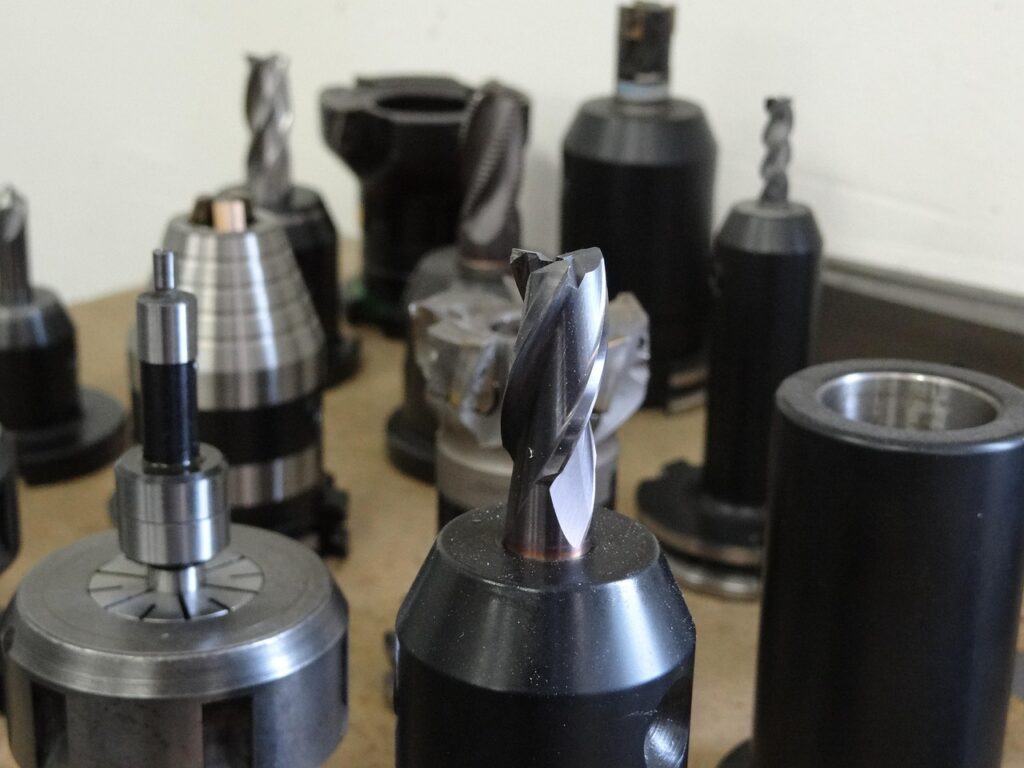
Choosing the right materials used for milling cutters is not just picking a line from a catalog. It changes cutting speed, tool life, surface finish, spindle load, and how many parts you can run before the edge is gone. If you are checking cutter bodies, inserts, or solid end mills, the Materials category is a useful place to match the tool with the way the workpiece cuts.
The Edge Carries Heat, Load, and Shock
Milling is not a steady cut like turning. Each tooth goes into the material, makes a chip, comes out, cools for a short moment, and then cuts again. This repeated hit is the reason milling cutter material needs both hardness and toughness. A very hard edge may wear slowly, but it can chip quickly if the setup is not stable. A tougher edge may stay alive in roughing, but it may lose size control when the speed is pushed too high.
ISO 513 Gives a Shared Language
ISO 513:2012 classifies hard cutting materials for chip-removal machining, including hardmetals, ceramics, diamond, and boron nitride. In normal tool buying, people also use workpiece groups such as P for steel, M for stainless steel, K for cast iron, N for non-ferrous metals, S for heat-resistant alloys, and H for hardened materials. This common language helps both the buyer and the tool supplier talk about the same cutting problem. It also keeps a tool quote from becoming a guess based only on part drawings.
Cost per Part Beats Tool Price Alone
ASM International’s Tool Materials handbook makes a point that most shops already know from daily work: the lowest-price tool is not always the lowest-cost tool. If one cutter costs more but holds size for 300 parts instead of 80, the saving may come from fewer tool changes, less scrap, and a more stable finish. Tool price matters, but machine stop time matters too. Nobody wants to stop a machine in the middle of the shift because one edge failed earlier than expected.
Which Main Materials Are Used for Milling Cutters?
Most milling cutters fit into several material families. Each one has a working range where it makes sense, and each one has a point where it starts to cost money fast.
High Speed Steel for Tough and Low Speed Work
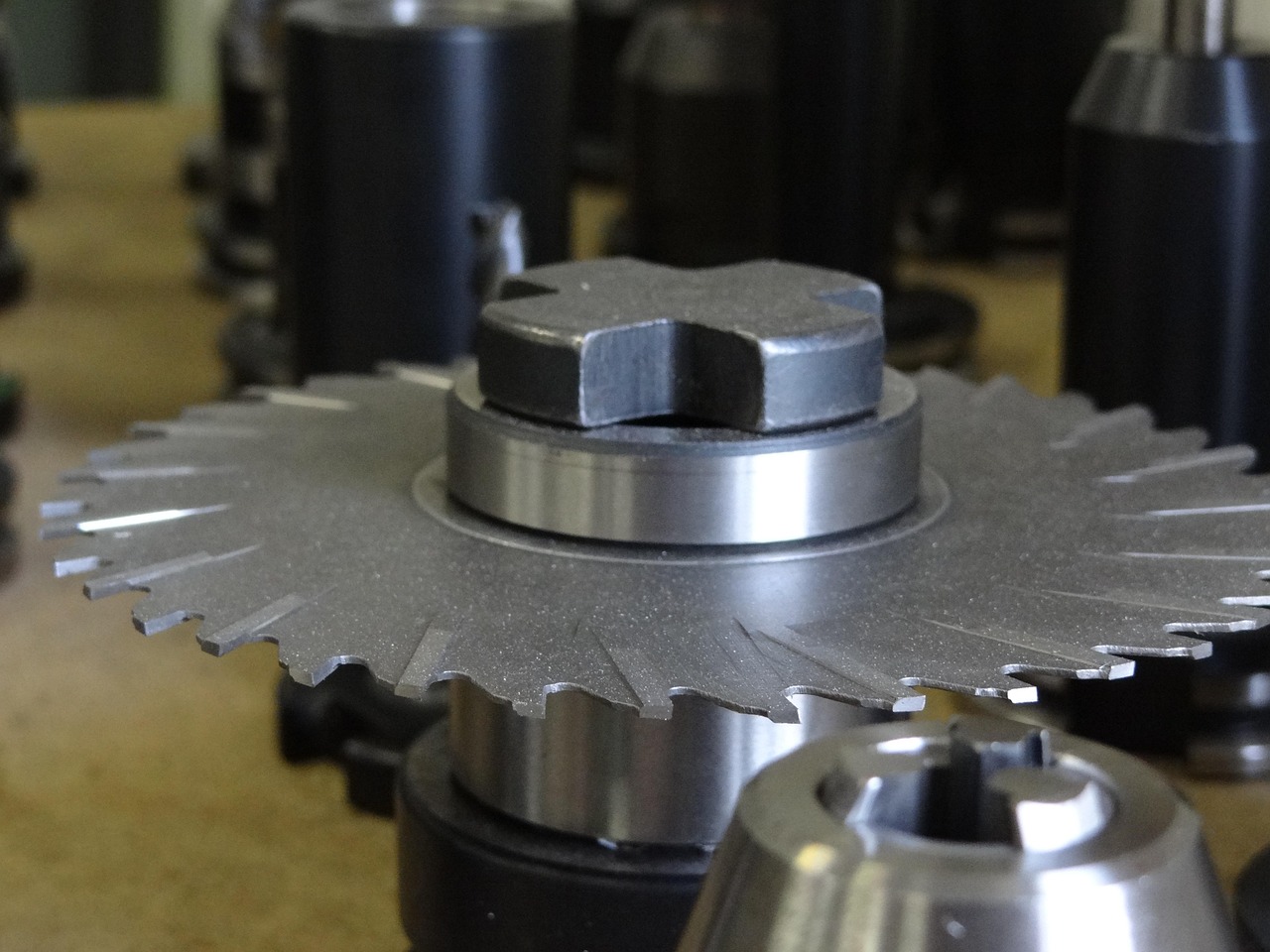
High speed steel, or HSS, still has a place in form cutters, slitting saws, gear cutters, and machines that are not very rigid. It is tough, and it is easier to grind into special shapes. ASM’s published preview data places typical HSS limitations around lower cutting speeds, with plastic deformation becoming a concern near 30 to 60 m/min in many cases. For a manual mill, old fixture, small batch, or repair job, HSS can still be the practical choice.
Cemented Carbide for General CNC Milling
Cemented carbide is the normal choice for many CNC milling jobs. It usually uses tungsten carbide particles with a cobalt binder, then the grade and coating are selected for steel, stainless, cast iron, aluminum, or hard materials. The U.S. Geological Survey notes that tungsten’s largest use is as tungsten carbide in cemented carbides. That shows why carbide is so common in metalworking, mining, and construction tools.
Cermet, Ceramic, CBN, and PCD for Special Jobs
Cermet can make a fine finish in steel when the cut is stable and the machine is not shaking. Ceramic cutters can handle very high heat in cast iron and nickel-based alloys, but they do not like heavy shock. CBN is a good option for hard steel finishing, and ASM lists cubic boron nitride at about 4500 HK, with use in steels above 50 HRC. PCD works very well in aluminum, copper alloys, composites, and graphite. It is not a good choice for steel cutting because iron can attack diamond at cutting temperature.
How Should You Match Cutter Material to the Workpiece?
The workpiece often decides the cutter material before the brand does. A high-grade cutter in the wrong material can fail faster than a basic cutter that is matched to the job.
Steel and Stainless Steel Need Different Edge Behavior
For ISO P steel, coated carbide covers a wide range of face milling, shoulder milling, and slotting. For ISO M stainless steel, the issue is different. Stainless steel often work hardens and keeps heat near the edge, so sharp geometry, the right coating, and steady feed are important. If the cutter starts rubbing, tool life can drop fast. A cutter that runs well in 1045 steel may not give the same result in 304 stainless.
Cast Iron and Aluminum Reward Opposite Choices
Cast iron is abrasive and usually makes short chips. It often works well with strong carbide, ceramic, or CBN, depending on hardness and surface finish needs. Aluminum behaves in a different way. It is soft, sticky, and usually run at high speed. Polished uncoated carbide or PCD can help reduce built-up edge. In a real slotting job on 6061 aluminum, chip welding can damage the finish before the cutting edge is actually worn out.
Titanium, Nickel Alloys, and Hardened Steel Need Heat Control
ISO S materials, such as titanium and nickel alloys, are hard on tools when heat is not controlled. Titanium has low thermal conductivity, so heat stays close to the cutting edge. Nickel alloys stay strong when hot, which is useful in a turbine part but difficult for the cutter. For ISO H hardened steel, carbide may rough some jobs, while CBN often fits stable finishing. Ceramic can run fast in nickel alloys, but the machine and holder need to be rigid. The coolant plan also needs to be clear, because poor cooling can crack an edge or move heat to the wrong place.
When Is Carbide Better Than HSS for Milling?
Carbide is not better in every shop and every cut. It is better when the machine, holder, clamping, and program allow it to run the way it was designed.
Rigid CNC Machines Favor Carbide
On a modern machining center with a good spindle, balanced holders, and low runout, carbide can run much faster than HSS. Solid carbide end mills also keep deflection lower than HSS in many small and medium diameters. This helps when the job needs a clean wall, accurate slot width, or repeatable tool path in production.
Manual Machines and Interrupted Cuts Still Like HSS
HSS can bend a little before it breaks. That gives it some forgiveness on older knee mills, uneven castings, keyways, and one-off repair work. If the setup chatters, carbide may chip at the corner while HSS keeps cutting. The cycle time will be slower, but the edge may survive the job. Speed only helps when the cutting edge stays in one piece.
Small Diameter Cutters Need a Careful Tradeoff
For 1 mm to 3 mm cutters, carbide stiffness can help, but brittleness becomes a real concern. Small carbide tools do not tolerate runout well. If a holder has 0.01 mm runout, one flute may take too much of the cut. HSS or cobalt HSS can sometimes handle light and awkward cuts better. Carbide usually wins in stable micro-milling when the toolholding is clean and accurate.
Do Coatings Change the Best Cutter Material?
Coatings do not replace the base material. They add a surface layer that changes friction, heat flow, oxidation resistance, and wear. The tool core still takes the cutting load. See also: Machines.
PVD Coatings Help Sharp Edges Stay Useful
PVD coatings such as TiAlN, AlCrN, or TiSiN are common on solid carbide end mills because they can be thin enough for sharp edges. They help in steel, stainless, and heat-resistant alloys when cutting speed and chip load match the grade. Kennametal’s March 2025 technical article notes that coating choice depends on tool geometry, workpiece material, application, feed, speed, and coolant use. In daily selection, that means the coating should follow the job, not just the catalog name.
CVD Coatings Fit Tough Insert Milling
CVD coatings are often thicker and can handle high temperature, so they are used on many indexable carbide inserts. They can fit face milling and heavy work in steel or cast iron. The tradeoff is edge sharpness. If the job needs a very sharp edge for gummy aluminum, a thick coating can create more trouble than benefit.
Uncoated Tools Still Win in Some Aluminum Jobs
Uncoated polished carbide is still common for aluminum because it can let chips slide away cleanly. PCD goes further when the job is high-volume non-ferrous machining. ASM data also reports PCD cutting speeds up to about 2000 m/min in aluminum-silicon alloys. That is why automotive and electronics shops may pay for diamond tools when the part quantity is high enough.
How Can You Choose Milling Cutter Material Without Guesswork?
A good selection process does not need to be complicated. Identify the workpiece, check the machine condition, choose the cutter family, and then read the wear on the edge. Catalogs are helpful, but the chips and wear marks show what is really happening.
Start with Workpiece Group and Hardness
Write down the exact grade if possible: 4140 prehard, 316 stainless, ADC12 aluminum, grey cast iron, Inconel 718, H13 at 52 HRC. Hardness changes the cutter choice, even when the material name looks similar. A cutter for annealed tool steel is not the same choice as a cutter for hardened die steel, even if both drawings only say “steel”.
Check Machine Power, Holder Rigidity, and Coolant
A high-performance carbide cutter needs enough spindle speed, torque, and holding stability. Long overhang, weak clamping, or poor coolant delivery can make a good grade look bad. For ceramic milling of nickel alloys, many makers recommend dry cutting or controlled air instead of flooding a red-hot edge. For stainless, directed coolant can help control heat and chip flow. These machine-side details are often the difference between a normal tool life and a short one.
Test by Wear Pattern, Not by Feel Alone
After a short test cut, check the edge before it fails. Do not wait until the cutter breaks or the part finish is already out of spec. Wear marks usually show whether the cutter material, grade, or cutting data is wrong. This is a simple habit, but it saves many repeat tool trials.
- Even flank wear usually means the cutter is working in a normal range.
- Chipping points to impact, vibration, weak edge prep, or too much feed per tooth.
- Crater wear suggests heat and chemical wear on the rake face.
- Built-up edge often means the tool is rubbing, too slow, or not polished enough for sticky material.
If the first cutter fails, change one item at a time. Cutter material, coating, feed, speed, coolant, and tool path all affect each other. If five settings are changed together, it is hard to know which change fixed the issue.
FAQ
Q1: What Is the Most Common Material for Milling Cutters? A: Cemented carbide is the most common choice for modern CNC milling because it offers high hardness, good wear resistance, and many grade options for steel, stainless steel, cast iron, aluminum, and hard materials.
Q2: Is HSS Still Good for Milling Cutters? A: Yes. HSS is still useful for low-speed milling, form tools, repair work, older machines, and unstable setups where toughness matters more than speed.
Q3: When Should You Use PCD Milling Cutters? A: Use PCD for high-volume aluminum, copper alloys, graphite, composites, and other non-ferrous materials. Avoid PCD for steel because iron can damage diamond at cutting temperature.
Q4: Is CBN Better Than Carbide for Hardened Steel? A: CBN is often better for stable finishing of hardened steel above about 50 HRC. Carbide can still work for roughing or lower hardness, especially when the setup is not rigid enough for CBN.
Q5: Do Coated Milling Cutters Always Last Longer? A: No. Coatings help only when the coating, base material, speed, feed, coolant, and workpiece match. For some aluminum jobs, polished uncoated carbide or PCD can beat a coated tool.