Can an Aluminium Plasma Cutter Deliver the Best Cut for Your Sheet and Plate Parts?
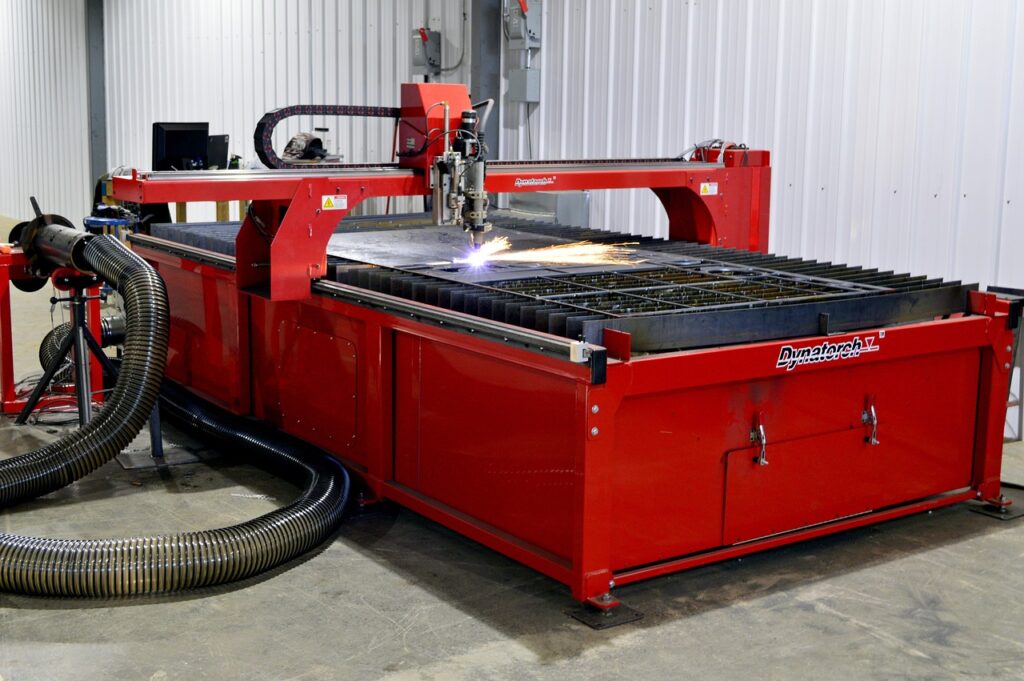
An aluminium plasma cutter is a common shop choice when you need profiles, bracket blanks, machine guards, repair plates, or small batches of aluminium parts without waiting for laser time. In day-to-day fabrication, the cut quality is not decided by the machine only. It also depends on the material, gas choice, torch height, travel speed, clamping, and the operator’s feel for the arc. If you are checking other metal fabrication processes, plasma sits in a useful place: faster and easier than many saw-cut layouts, often lower cost than waterjet for rough-to-medium precision work, and more suitable than oxy-fuel because aluminium is non-ferrous.
This guide covers how plasma cutting works on aluminium, where it fits, which settings matter, and what to check before you order cut parts or buy equipment.
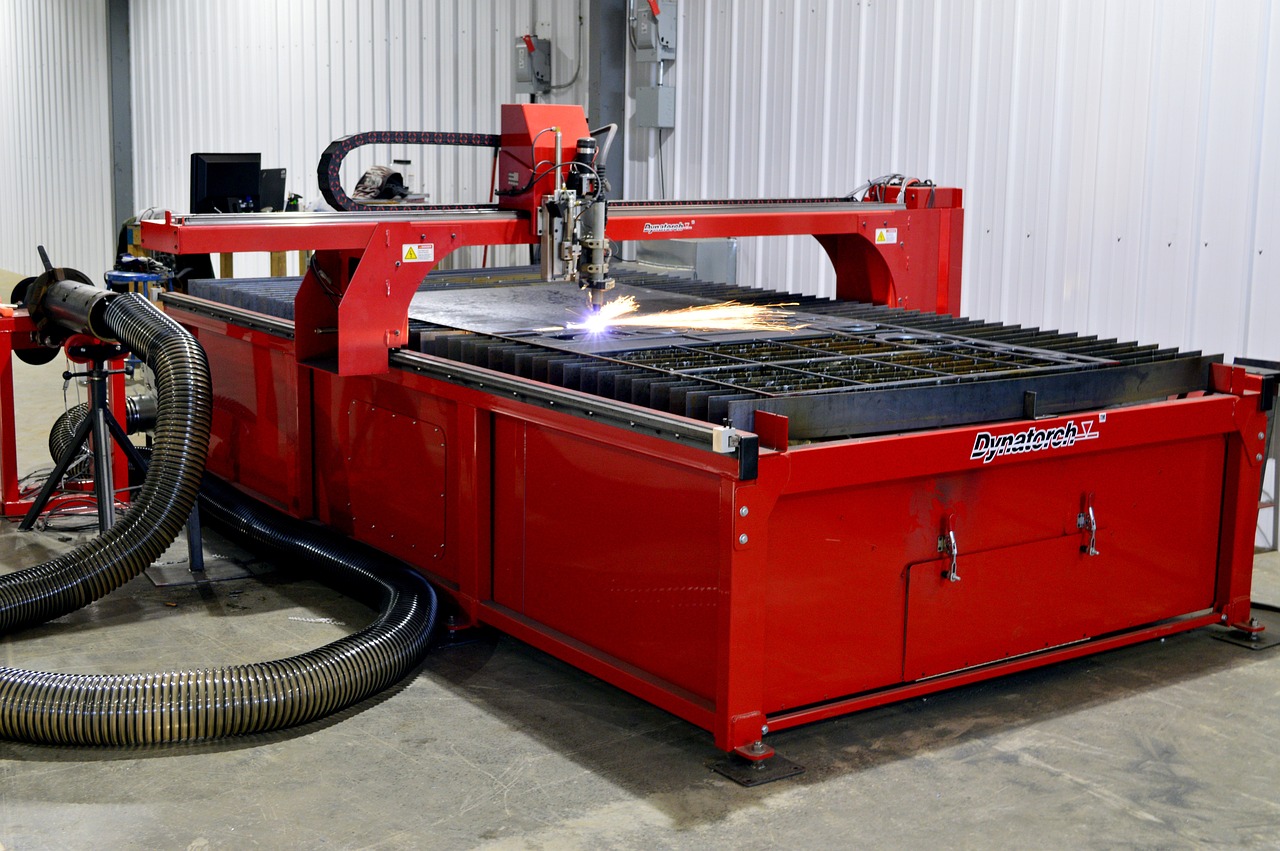
What Makes an Aluminium Plasma Cutter Different?
Plasma cutting is not just a flame heating the metal. It is an electrical cutting process, so the workpiece has to carry current. Aluminium does this well, but it handles heat differently from mild steel, and that changes the way the cut behaves.
A Hot Arc That Cuts Conductive Metal
A plasma cutter pushes high-temperature ionized gas through a small nozzle. The arc melts a narrow path, and the gas stream blows molten metal out of the kerf. Since aluminium conducts electricity, it works well with plasma. Oxy-fuel cannot cut aluminium the same way it cuts carbon steel, so plasma becomes a practical option for many non-ferrous jobs in a fabrication shop.
Aluminium’s Heat Flow Changes the Cut
Aluminium carries heat away fast. Because of that, the torch needs enough current and the right travel speed to keep the cut open without making the kerf wider than needed. NIST data lists high-purity aluminium freezing at 660.323°C, which shows how early the base metal melts compared with many steels. This low melting point helps cutting, but the fast heat flow can still make poor settings show up quickly. (nvlpubs.nist.gov)
Oxide Skin Needs Steady Settings
The thin oxide layer on aluminium is hard and stubborn. A NIST paper on aluminium oxide notes melting values around 2050°C to 2072°C depending on the temperature scale and environment. That large gap between the base metal and its oxide skin is one reason torch height, gas flow, and pierce control matter. The plate may be ready to melt, while the skin still resists the cut. (nvlpubs.nist.gov)
When Should You Choose Plasma Cutting over Laser or Waterjet?
No cutting process is best for every order. Plasma should be judged by cutting speed, edge needs, tolerance, thickness, and total cost. For many fabrication jobs, it is a sensible choice, especially when parts will be welded, formed, drilled, or cleaned after cutting.
Fast Work on Thin to Medium Plate
Plasma is useful when speed matters more than a polished edge on aluminium sheet and plate. It can cut signs, covers, cabinet panels, trailer parts, base plates, and repair pieces in a short lead time. On thinner material, the time saved during cutting can be worth more than the small amount of edge cleanup that may follow. This is common on parts that are painted, welded, or used inside equipment.
Lower Setup Cost for Practical Fabrication
Waterjet gives a cold cut and a fine edge, but it is slower and often costs more per metre. Laser can work very well on thin aluminium, but reflective material and available machine capacity can affect the price. Plasma usually has a lower entry cost for general fabrication. It also fits mixed shop work where steel, stainless, and aluminium are handled on the same floor.
Good Fit for Brackets, Guards, and Frames
If a part will be welded or bolted after cutting, plasma often gives enough accuracy with good cutting speed. A 6 mm aluminium bracket inside a machine frame is a good example. If bolt holes are drilled later and edges are cleaned before welding, paying for a waterjet edge may not add much value. That is a normal shop decision, not a way to cut corners.
Which Gas and Power Settings Give Cleaner Aluminium Edges?
Gas selection affects edge colour, dross, cut face, and consumable life. Aluminium should not be treated like mild steel with a different label. A small change in gas, current, or speed can change a rough edge into one that is ready for the next step.
Air for Budget Cutting and Shop Speed
Compressed air is used often because it is low cost and easy to supply. It works for many hand cutting jobs and general CNC plasma jobs. The tradeoff is edge oxidation and possible extra cleanup. Dry air is important, because wet air shortens consumable life and can make the arc wander. When that happens, the cut line can look rough even if the program is correct.
Nitrogen for Cleaner Thin Material
For cleaner aluminium cuts, nitrogen is a common choice. Hypertherm’s public aluminium plasma guidance says nitrogen-based processes are often used for thin aluminium when edge appearance and lower oxidation matter. Its guide also notes nitrogen as a good choice for aluminium under about 1/2 inch when cut quality is a priority. This is why many shops move from air to nitrogen when the customer cares about the visible edge. (hypertherm.com)
Argon Hydrogen for Thick Plate
When aluminium plate gets thicker, argon-hydrogen blends can bring more heat into the cut and help produce a better edge on mechanized systems. This is usually not the first choice for a small repair bench because gas cost and setup work are higher. It makes more sense when thick plate quality, repeatability, and less grinding can pay back the extra process control. The decision should be based on the part, not only on the gas chart.
How Do You Control Dross, Bevel, and Heat Marks?
Poor plasma cuts are easy to see: heavy dross, wide bevel, arc marks, and holes that are not round. Most defects come from a small group of causes, so troubleshooting should stay simple. Check the basics first before changing the whole program.
Torch Height and Arc Voltage
Torch height is one of the first things to check. If the torch is too high, the arc spreads before it reaches the work. If it is too low, the nozzle can drag, double-arc, or damage consumables. On CNC systems, arc voltage height control has to match the consumable set and cut chart. Guessing may work for one cut, but it will not hold up through a full sheet.
Travel Speed and Kerf Width
Slow travel adds heat and often leaves bottom dross. Fast travel can leave uncut sections or a backward-swept edge. The right speed keeps sparks moving through the plate and exiting below the cut. Kerf width also affects finished part size. If the CAM file does not allow for kerf, a 100 mm tab may not come off the table as 100 mm. See also: Machines.
Consumables, Moisture, and Grounding
Worn electrodes, damaged nozzles, damp air, and weak grounding all show up on the cut edge. A simple routine helps: inspect the nozzle bore, drain the air system, put the work clamp on clean metal, and replace consumables before a critical nest. Saving one nozzle is not a saving if it ruins a full sheet. This is basic shop discipline, but it prevents many avoidable problems.
What Tolerances and Surface Finish Can You Expect?
Plasma is a production cutting method, not a magic pen. It can be accurate enough for many fabricated parts, but the target tolerance should match the machine class, plate thickness, table condition, and downstream process. Buyers and shops should agree on this before cutting starts.
Production Tolerance Comes From the Whole System
Cut accuracy depends on more than amperage. Table motion, backlash, torch squareness, plate flatness, CAM lead-ins, and heat movement all play a part. A high-definition CNC plasma table will beat a handheld torch, of course. Even so, a good table still needs clean slats, correct calibration, and stable setup to hold repeatable results.
Hole Quality Depends on Diameter and Motion
Small holes are harder than outside profiles because the torch has to slow down and keep a steady arc in a tight path. For bolted aluminium parts, many shops plasma-cut pilot holes and drill or machine final holes later. That adds one step, but it gives better fit when fasteners, bearings, or pins are involved. It also avoids asking plasma to do work that a drill or mill can finish more accurately.
Edge Cleanup Still Matters for Welding
Aluminium welding is sensitive to contamination. A plasma edge may need brushing, scraping, light grinding, or machining before welding, especially if air plasma was used. The aim is to remove oxide, dross, and soot without pushing dirt into the joint. Good prep saves time later, because porosity after welding starts is much harder to fix.
How Should You Plan Safety, Scrap, and Purchasing?
A good aluminium cutting job also includes fume control, scrap handling, and clear order notes. These items may not stand out on a drawing, but they affect how the job runs on the shop floor. They also help avoid rework and safety problems.
Fume Control and Combustible Dust
Plasma cutting creates fumes and fine particles. OSHA states that materials such as aluminium can be explosible in dust form under the right conditions, and it lists metalworking among industries where combustible dust hazards can occur. Ventilation, housekeeping, dust collection, and hot-work control are not minor details in a busy shop. They should be planned before cutting starts, not after dust builds up. (osha.gov)
Scrap Sorting and Aluminium Value
Keep aluminium scrap separate from steel and stainless. It helps recycling value and reduces material mix-ups. The Aluminum Association says around 75% of all aluminium ever produced is still in use today, which is a useful reminder for any shop. Clean scrap is not just waste; it is part of the material cycle. (aluminum.org)
A Practical Buyer Checklist
Before you order, send the alloy grade, thickness, quantity, required edge condition, hole requirements, bend direction if forming comes later, and any welding needs. If cosmetic faces matter, mark them clearly on the drawing. If dross is not acceptable, say that before quoting. Clear notes prevent rework, and rework is where cheap cutting stops being cheap.
FAQ
Q1: Can an Aluminium Plasma Cutter Cut Thin Sheet Cleanly? A: Yes. Thin aluminium can cut well with the right amperage, speed, and gas. Nitrogen often gives a cleaner edge than air, though air can still be fine for general shop parts.
Q2: Is Plasma Cutting Better Than Laser for Aluminium? A: It depends on the job. Plasma is often better for practical fabrication, thicker plate, and lower setup cost. Laser is usually better for fine detail and tight cosmetic work on thinner sheet.
Q3: Why Does Aluminium Plasma Cutting Leave Dross? A: Common causes include slow travel speed, wrong torch height, wet air, worn consumables, or poor grounding. Start with speed, height, and consumables before changing the whole program.
Q4: Do You Need Special Gas for Cutting Aluminium? A: Not always. Compressed air can work, but nitrogen can improve edge appearance on thinner aluminium. Argon-hydrogen blends are used for thicker plate on suitable mechanized systems.
Q5: What Information Should You Send for a Plasma Cut Aluminium Quote? A: Send alloy, thickness, drawing files, quantity, tolerance needs, hole details, edge finish needs, and any welding or forming steps. Better input usually means a faster quote and fewer surprises.


