Is Glass Bead Blast Better than Sandblasting for Precision Metal Parts?
What Is a Glass Bead Blast?
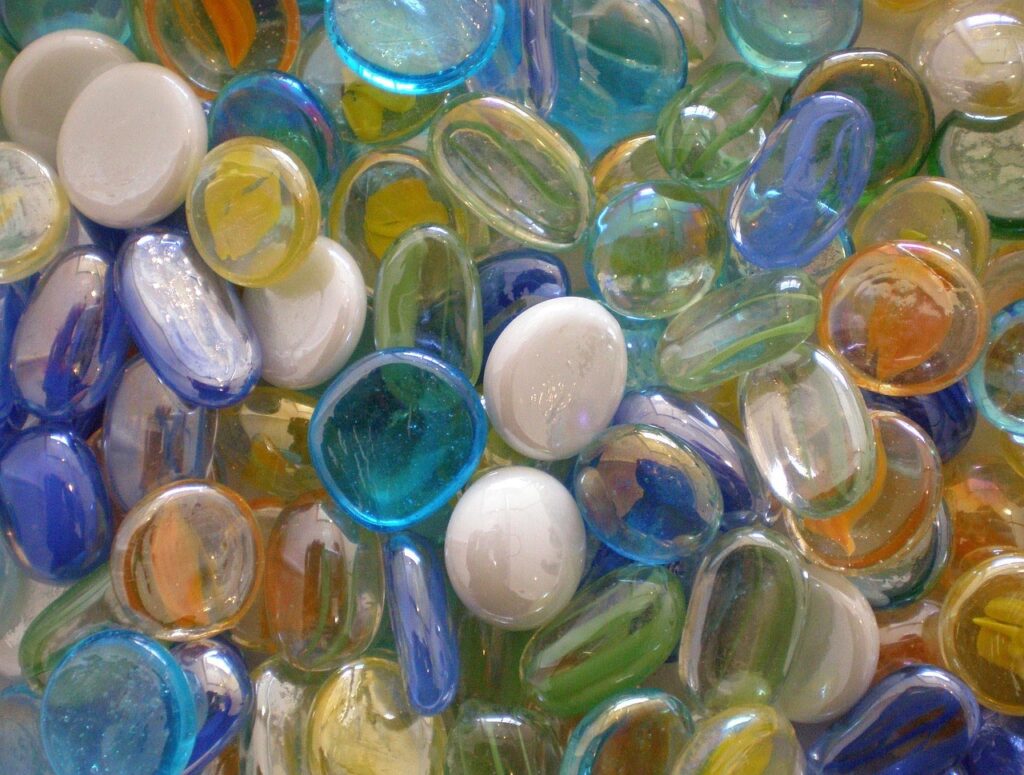
A glass bead blast uses small round glass media to clean, brighten, or lightly texture a metal surface. If you buy machined parts, castings, sheet metal covers, or small hardware, this process can give the part a tidy satin finish without making it look heavily ground. For more surface treatment options, you can also review related manufacturing processes before choosing a finish for production.
Round Media Creates a Soft Satin Finish
Glass beads are round, so they contact the surface in a different way from angular abrasives. They do not dig sharp valleys like sharp media; instead, they peen and clean the top layer. The finish is usually a smooth matte or satin look. On aluminum housings, stainless brackets, and CNC turned parts, buyers often choose it because it hides light tool marks while keeping the part clean and professional.

It Cleans More than It Cuts
A glass bead finish is a cleaning and light finishing step, not a heavy cutting process. It can remove light oxidation, small discoloration, fine burrs, and handling marks. It is not the right first choice for thick scale, deep rust, heavy paint removal, or a strong coating profile. If the surface needs real bite for paint or powder coating, angular abrasive media is usually the better route.
It Works Best on Controlled Part Geometry
The best results come from parts with reachable faces, open edges, and surfaces that can be blasted evenly. Deep blind holes, tiny slots, and tight internal channels are harder to treat well. Threads, sealing faces, bearing fits, and polished cosmetic areas often need masking. A small untreated line around a masked thread is normal, and it is much safer than damaging a critical fit.
How Does Glass Bead Blast Compare with Sandblasting?
The word sandblasting is still used in daily shop talk, but buyers should not leave it too loose on a drawing or RFQ. In many shops, people use the term for almost any abrasive blasting. In technical buying, the media needs to be named. OSHA has warned that silica sand can cause silicosis, and its 2015 abrasive blasting fact sheet also notes that glass beads and crushed glass can still create dust hazards. So the real question is not only sand or bead. It is which media fits the part, the finish, and the workplace controls.
Sandblasting Is Usually More Aggressive
Traditional sand or other angular media cuts faster than glass beads. That speed can help with thick rust, weld scale, or old coating removal. The same cutting action can also leave a rougher profile and change sharp edges more than expected. For precision machined parts, that roughness may be too much, especially when the drawing calls for a fine cosmetic surface instead of a coating anchor profile.
Glass Beads Are Better for Visual Parts
Glass beads are often a better fit when the part will be seen by the customer or end user. A clean, even, low-glare surface makes machine covers, medical equipment housings, food machinery parts, and visible automation components look properly finished. The result depends on control, not luck. Media size, pressure, nozzle distance, and exposure time all need to stay consistent from batch to batch.
Both Processes Need Dust Control
Glass beads do not remove the need for safety controls. Abrasive blasting can release dust from the media and from the surface being cleaned. The U.S. EPA AP-42 Section 13.2.6 covers abrasive blasting emissions and notes that blasting may use sand, glass beads, and other materials. In practice, that means enclosed cabinets or blast rooms, dust collectors, proper cleanup, and suitable personal protective equipment.
When Should You Choose Glass Bead Blast for Metal Parts?
Glass bead blasting makes sense when the goal is a clean appearance, light deburring, and steady surface texture. It is not about force; it is about finish control. If the part will be visible to an end user, or if a bright machined surface looks too shiny under light, a bead blasted finish can solve the issue without paint or plating.
Stainless Steel Parts with a Uniform Matte Look
Stainless steel can show fingerprints, heat tint, and small polishing differences very easily. Glass bead blast helps even out the surface on brackets, panels, fixtures, and sanitary equipment parts. Media cleanliness is important here. Dirty media can carry iron contamination, and that contamination may later show up as rust spots. For stainless work, ask whether the supplier uses dedicated media and whether passivation is needed after blasting.
Aluminum Housings and CNC Machined Covers
Aluminum usually responds well to bead blasting when the target is a soft silver surface. It can reduce the visual difference between milled faces and side walls. If the part will be anodized, bead blasting before anodizing can change the final shade. Sometimes the change looks better, and sometimes it does not. A sample is worth the small delay because color drift on anodized parts becomes a real problem once the order is assembled.
Die Castings with Light Surface Marks
Die cast zinc and aluminum parts often have flow marks, trim marks, and fine parting lines. Glass bead blast can improve the visual surface before plating, painting, or assembly. It will not fix porosity, deep dents, or casting defects under the surface. In some cases, blasting makes those defects easier to see, which helps inspection but does not repair the part.
What Process Variables Affect the Final Finish?
A bead blasted finish comes from media, air, distance, angle, material, and time working together. Small changes in any of these can make two batches look different. A clear drawing or purchase order should name the required finish, define protected areas, and request samples when the surface is cosmetic. Public agencies do not publish one universal roughness value for glass bead blasting because the result depends on media grade, air pressure, nozzle distance, part material, and blasting time.
Media Size Changes Texture and Brightness
Fine beads usually give a smoother and softer look. Coarser beads create a more visible matte texture. SAE AMS2431 is often referenced in industry for glass shot media used in cleaning and peening, but the right grade still depends on the part and the purpose. For export projects, do not rely on a vague note like bead blast finish. Ask for the bead size or the approved sample number.
Air Pressure Changes Cutting Energy
Higher pressure hits harder and cleans faster. It can also round edges, raise surface roughness, or leave an uneven look on thin sections. Lower pressure takes more time but is gentler on small precision parts. A good shop will test coupons or scrap parts first, then record the setting. Copying a 60 psi setting from another job without testing is a shortcut that can cause trouble.
Operator Distance Affects Surface Uniformity
Nozzle distance and angle have a big effect on the final look. If the operator works too close, the surface may show cloudy bands. If the angle changes across a large panel, the finish may look patchy under side light. Rotary tables, fixtures, and standard handling paths help keep the work stable. On larger covers, a careful pass and a rushed pass can look different before any inspection tool is used. See also: Machines.
What Quality Checks Should Buyers Request?
For many buyers, the hard part is not choosing glass bead blast. The hard part is describing it clearly enough so two suppliers quote the same finish. A written standard helps, and a physical sample helps more. In real production, disputes often come from words like smooth, matte, or clean because those words mean different things in different shops.
Approved Samples Reduce Finish Disputes
For cosmetic parts, approve one golden sample before mass production. Keep another sample at the supplier so both sides have the same reference. The sample should show acceptable color, texture, masking, and edge condition. Photos are useful for records, but photos alone are weak because lighting changes the surface appearance. A bead blasted stainless part under warehouse light may look different under a trade show spotlight.
Critical Features Need Clear Masking Notes
Threads, sealing grooves, O-ring faces, bearing bores, polished faces, and part numbers may need protection. Put those notes on the drawing instead of leaving the decision to the blasting operator. If a threaded hole must stay clean, say so clearly. If a logo face needs blasting but the machined back face does not, write that as well. Clear notes save rework and avoid arguments after delivery.
Inspection Should Cover Both Look and Function
Inspection should cover visual uniformity, loose media removal, burr condition, and dimensional checks where needed. Glass beads can lodge in holes, slots, and small pockets. Parts for pneumatic systems, food equipment, or moving assemblies need extra cleaning after blasting. A nice surface is not enough if grit later falls into a valve, seal, or bearing.
What Safety and Environmental Points Matter?
Glass bead blasting may look like a clean finishing method, but it is still part of abrasive blasting. Safety rules still apply because the media and the part surface can create dust. OSHA guidance says blasting material and the blasted surface may contain toxic substances such as silica or lead. NIOSH also has guidance on abrasive blasting respiratory protection, including supplied-air respirators for certain exposure conditions.
Dust Can Come from the Part Surface
The hazard is not only the glass bead. Old coating, oxide, base metal, filler, and residue can become airborne during blasting. If a part has unknown paint, plating, or contamination, the supplier should review the material before work starts. This matters more for repair parts, used equipment, and painted assemblies. New machined parts are usually easier to control, but dust control is still needed.
Ventilation and Housekeeping Are Not Optional
OSHA ventilation rules for abrasive blasting cover exhaust ventilation, visibility, and housekeeping. In plain shop terms, the blast area should not fill with dust, media should not pile up on walkways, and cleanup should not push fine dust back into the air. Vacuum systems, dust collectors, and enclosed cabinets are common controls. Dry sweeping is a poor choice when fine dust is present.
Reusable Media Still Becomes Waste
Glass beads can be reused many times in a cabinet. Over time, they break down, and the mix changes as beads fracture and collect residue from the workpiece. When that happens, the finish can become dull or inconsistent, so the media has to be replaced. Used media may need proper waste handling if it contains metals, paint residue, or other contaminants from the parts being blasted.
FAQ
Q1: Is Glass Bead Blast the Same as Sandblasting? A: No. In shop use, sandblasting often means aggressive blasting with sand or angular media. Glass bead blast uses round glass beads and usually gives a smoother satin finish with less cutting action.
Q2: Can Glass Bead Blast Remove Rust? A: It can remove light surface rust or oxidation. For heavy rust or thick mill scale, angular media is usually faster and more suitable.
Q3: Will Glass Bead Blast Change Part Dimensions? A: It normally has less dimensional effect than aggressive abrasives. Even so, edges, thin walls, and tight tolerance features still need protection or inspection.
Q4: Is Glass Bead Blast Safe for Stainless Steel? A: Yes, if clean media and correct handling are used. For stainless parts, dedicated media and possible passivation help reduce the risk of iron contamination and later rust spots.
Q5: What Should Be Written on a Drawing for This Finish? A: State the required glass bead finish, protected areas, cleaning needs, cosmetic sample approval, and any surface roughness or appearance limits if they matter to the part.