Can CNC Milling Drive the Next Phase of Online Manufacturing Evolution
Online CNC Milling Reshapes Manufacturing Supply Chains
CNC milling has become the backbone of digital manufacturing, transforming how products move from design to delivery. By linking precision machining with cloud-based systems, it enables distributed, on-demand production that shortens lead times and cuts costs. The shift toward online CNC milling networks is redefining supply chains into flexible, data-driven ecosystems where agility and sustainability replace traditional mass production models.
CNC Milling as a Catalyst in the Digital Manufacturing Landscape
The digital manufacturing era thrives on integration. CNC milling, once confined to factory floors, now operates within online platforms that merge design, simulation, and production into one seamless process.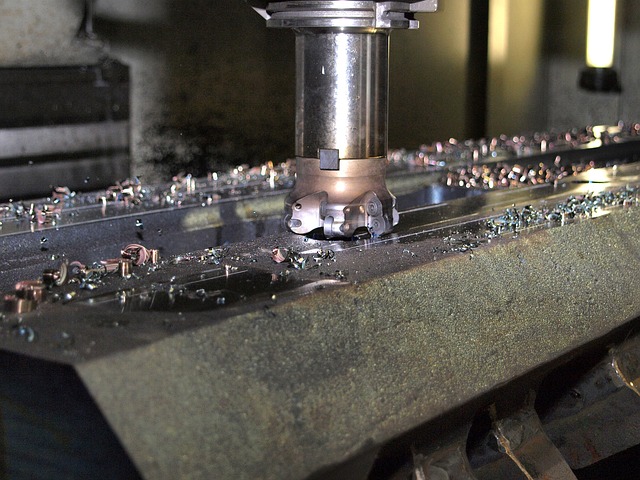
The Integration of CNC Milling into Online Manufacturing Platforms
Online manufacturing platforms increasingly include CNC milling as part of their service portfolios for rapid prototyping and small-batch production. Designers upload CAD files directly through cloud-based interfaces that connect to machine networks capable of executing complex geometries with minimal manual intervention. This digital link reduces quoting time and accelerates the transition from concept to finished part. Companies using such systems report shorter development cycles and improved collaboration between engineers and machinists.
The Evolution of CNC Milling Technology in the Digital Era
Modern CNC milling machines have evolved far beyond their early analog counterparts. Multi-axis configurations—often five or more—allow intricate tool movements that achieve micron-level tolerances across challenging materials like titanium or carbon composites. Integration with IoT sensors gives operators real-time visibility into spindle load, vibration, and temperature data. AI-driven algorithms interpret these signals to predict tool wear or adjust feeds dynamically, maintaining accuracy while reducing downtime. Data collected across distributed sites supports repeatable performance even when jobs are split across different facilities.
The Role of CNC Milling in Reshaping Supply Chains
As global supply chains face increasing disruption risks, online CNC milling offers a practical path toward decentralization and resilience.
Distributed Manufacturing Enabled by CNC Milling
CNC milling enables localized production near end markets rather than relying solely on centralized factories. This proximity shortens logistics routes and lowers transportation emissions while allowing faster response to regional demand shifts. Cloud-based coordination tools align specifications and quality standards across multiple sites so identical parts can be produced anywhere without loss of consistency. During crises such as port closures or raw material shortages, distributed networks built around digital machining remain operational with minimal interruption.
On-Demand Production and Inventory Reduction
Digital workflows linked to CNC machines support just-in-time manufacturing strategies by producing components only when needed. A single machine can switch between product types within minutes using automated tool changers and standardized fixturing systems. This flexibility reduces inventory carrying costs and warehouse footprints while maintaining high throughput levels. For manufacturers pursuing leaner operations, such agility translates directly into financial savings and lower environmental impact.
The Synergy Between CNC Milling and Other Digital Fabrication Technologies
The future of fabrication lies not in competition between technologies but in their collaboration within integrated workflows.
Complementarity with Additive Manufacturing
Additive manufacturing excels at creating complex shapes quickly but often lacks the surface finish or dimensional precision required for final parts. CNC milling complements it perfectly by refining 3D printed components through post-processing steps like contour finishing or hole reaming. Hybrid systems now combine both methods within a single machine frame—depositing material additively before subtractive finishing—to produce geometries previously impossible through either process alone.
Integration with Automation and Robotics
Automation extends the productivity of CNC milling far beyond standard working hours. Robotic arms handle material loading and unloading between machining cycles, enabling continuous “lights-out” operation overnight. Automated inspection units verify dimensions inline, feeding data back to controllers for instant correction if deviations occur. AI software further tunes cutting parameters based on historical performance trends, improving consistency across entire robotic cells.
Data Connectivity and Process Optimization in Online CNC Manufacturing
Connectivity defines modern machining efficiency. Data flows seamlessly from design files to cutting paths to maintenance logs.
The Role of Data Analytics in Process Efficiency
Real-time analytics monitor spindle utilization rates, cycle durations, and energy consumption patterns across all connected machines. Predictive models schedule maintenance before failures occur, avoiding costly downtime during high-demand periods. Centralized dashboards allow managers to compare productivity metrics between facilities worldwide, identifying best-performing setups for replication elsewhere.
Cybersecurity and Data Integrity Challenges
While connectivity brings efficiency gains, it also introduces cybersecurity concerns. Protecting proprietary CAD/CAM files from unauthorized access is vital for safeguarding intellectual property within online ecosystems. Encryption protocols such as TLS 1.3 secure file transfers between clients and remote machines, while compliance with ISO/IEC 27001 standards reinforces trust among partners exchanging sensitive data globally.
Economic and Strategic Implications of Online CNC Milling Adoption
The economic logic behind online CNC networks favors scalability, transparency, and accessibility for firms of all sizes.
Cost Structures and Competitive Advantages for Manufacturers
By joining shared online machining networks, smaller manufacturers gain access to advanced equipment without heavy capital investment. Dynamic pricing algorithms match job costs with real-time machine availability, balancing workloads efficiently across suppliers. This model supports both rapid prototyping for startups and full-scale serial production for established OEMs under a unified infrastructure.
Shifting Roles of Manufacturers, Designers, and Platform Providers
Designers now receive instant manufacturability feedback from platform-integrated analysis tools before production begins, reducing rework rates significantly. Traditional manufacturers increasingly act as service providers offering specialized machining capacity through digital marketplaces rather than direct contracts alone. Platform operators coordinate quality control audits, logistics tracking, and customer communication—functions once scattered among multiple intermediaries.
Sustainability Considerations in the Next Phase of Online Manufacturing Evolution
Sustainability has become a measurable outcome rather than a marketing term within digitally enabled factories.
Material Efficiency Through Precision Machining
Advanced toolpath programming minimizes excess material removal by calculating optimal cutter engagement angles per operation stage. Recovered metal chips are recycled back into foundries for reuse in new billets or castings—a closed-loop approach that strengthens circular economy goals within industrial supply chains. Energy-efficient servo drives further cut power consumption during idle states without compromising cutting speed or torque output.
Localized Production for Reduced Carbon Footprint
When parts are produced closer to where they will be assembled or consumed, total transportation emissions drop sharply compared with offshore sourcing models reliant on container shipping routes spanning continents. Distributed networks also encourage local procurement of raw stock materials aligned with regional sustainability policies or renewable energy grids powering digital factories themselves.
FAQ
Q1: How does online CNC milling differ from traditional machining?
A: Traditional machining depends on physical orders handled locally; online CNC milling connects designers directly with remote machine networks via cloud platforms for faster turnaround times.
Q2: What industries benefit most from distributed CNC manufacturing?
A: Aerospace, medical devices, automotive prototyping, and industrial tooling sectors gain flexibility through localized production nodes that maintain consistent quality worldwide.
Q3: How do hybrid additive–subtractive systems improve part quality?
A: They combine additive layer buildup with precise subtractive finishing steps that achieve tight tolerances while preserving complex internal structures created during printing.
Q4: Are cybersecurity measures mandatory for online manufacturing platforms?
A: Yes; compliance with international data protection frameworks like ISO/IEC 27001 is essential to protect design files during transmission between clients and remote machines.
Q5: What sustainability advantages does localized machining offer?
A: It reduces transport-related emissions by producing near consumption points while supporting recycling loops through efficient material recovery practices within regional supply chains.