How Do You Choose the Best Circular Saw for Aluminium Cutting?
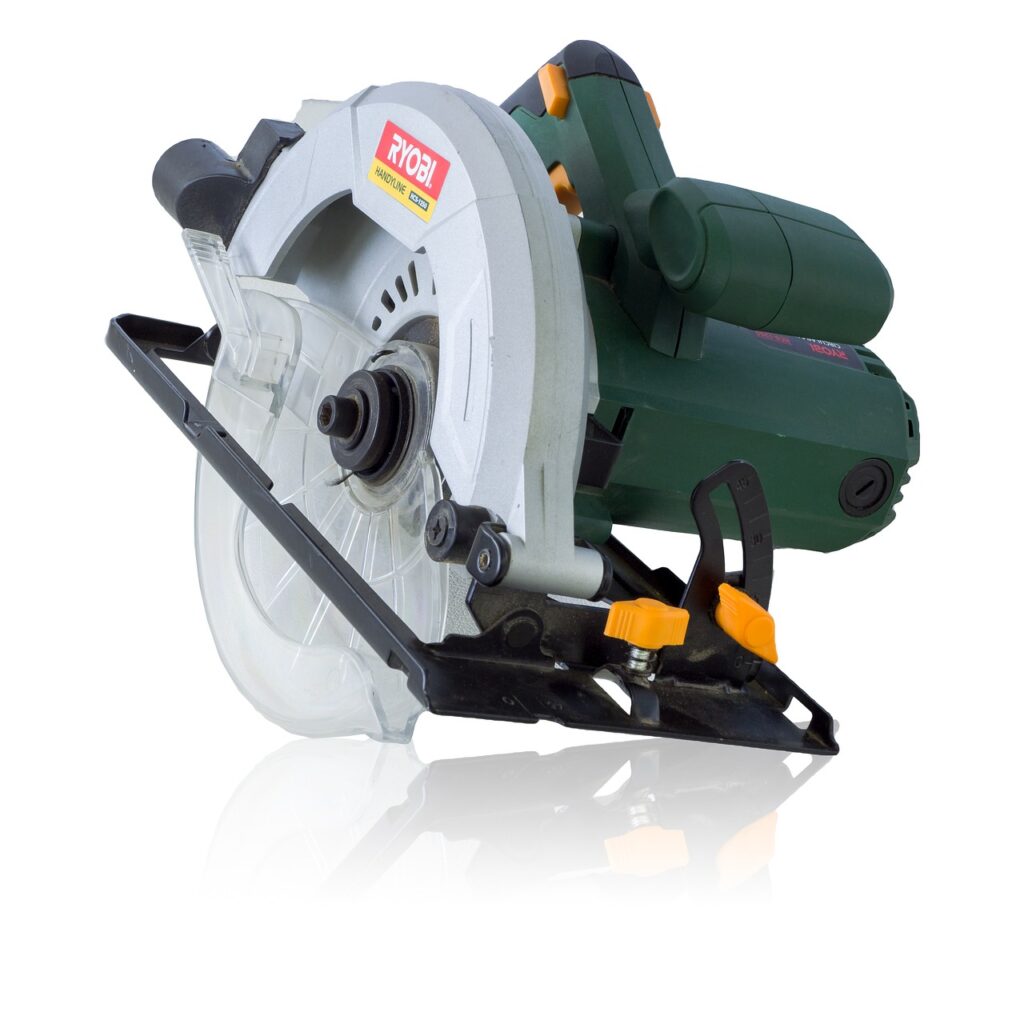
A circular saw for aluminium cutting is not the same as a wood saw with another blade fitted to it. Aluminium is softer than steel, but it clogs teeth fast, throws hot chips, and makes poor setup easy to see on the cut face. If you cut extrusion, window profiles, heat sinks, tubes, or solid bar, the saw has to hold the work tight, move chips away, and keep the blade steady from entry to exit. For more related fabrication topics, you can visit the Processes section.
The right choice depends on the profiles you cut every day, not only on the power shown in the catalogue. A shop cutting 20 mm square tube is not facing the same job as a plant cutting 120 mm wide aluminium extrusion with internal ribs. This guide covers machine structure, blade choice, cutting settings, safety, and common faults, with public data from OSHA, NIOSH, USGS, and the Aluminum Association noted in plain text where it helps.
What Makes a Circular Saw Right for Aluminium Cutting?
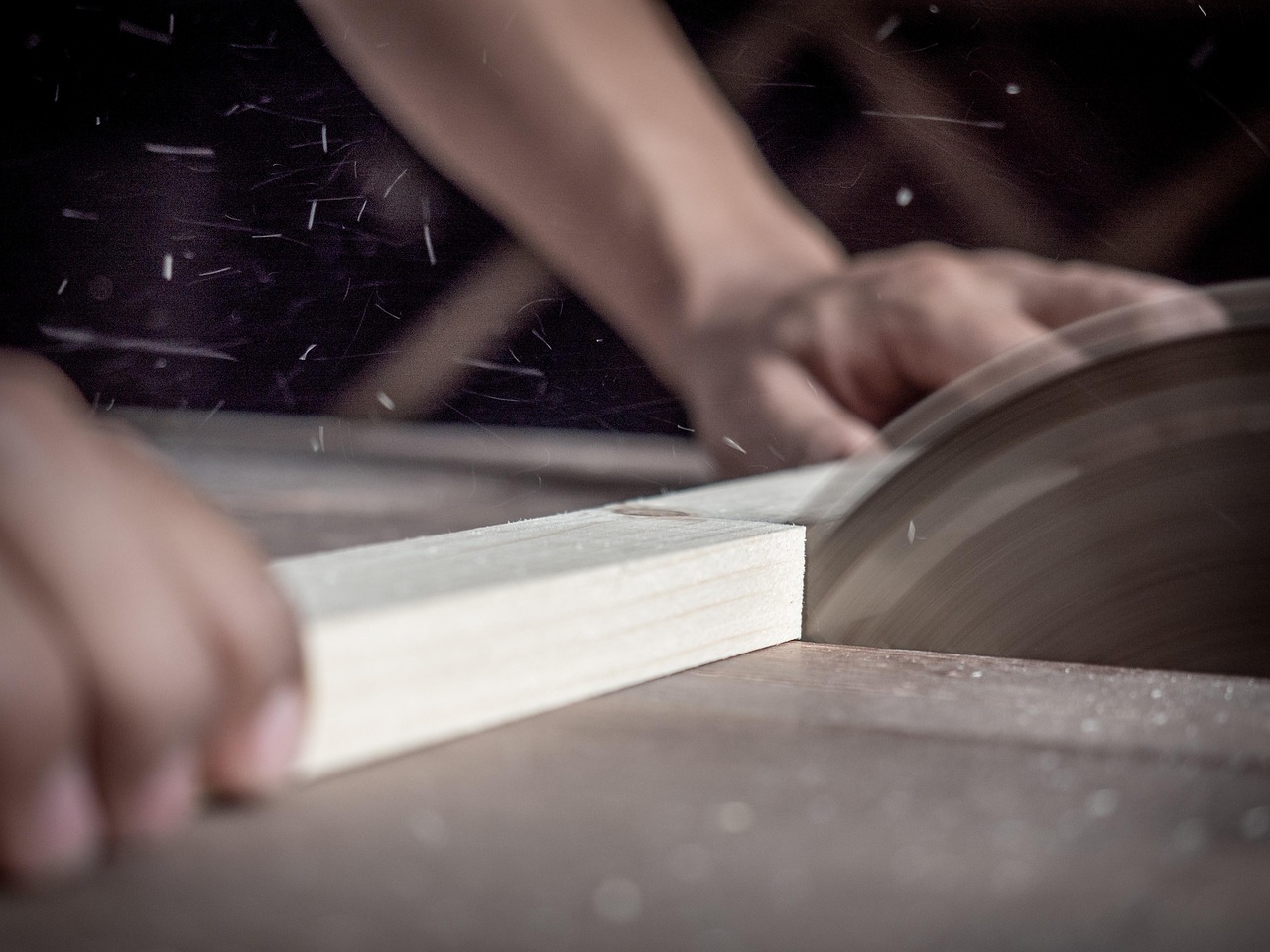
Good aluminium cutting starts with control. The blade runs fast, the material can catch, and thin profiles may shake if the clamp is weak. A suitable machine gives you a firm base, a blade made for non-ferrous metal, and a clamping layout that keeps the workpiece still when the cut is under load.
A Rigid Frame for Cleaner Cuts
A stiff saw frame keeps the blade path steady. This matters when you need square ends for welding, assembly, or CNC machining after sawing. On light machines, the head can move a little as the blade enters a hollow profile, so one part of the cut may look bright while another edge tears. Check for a solid pivot, smooth head travel, and a table that does not twist when long stock is sitting on it.
Non-Ferrous Blade Geometry
Aluminium cutting usually needs a carbide-tipped blade made for non-ferrous metals. Many shops use a negative or low hook angle because it helps reduce grabbing, mainly on thin wall extrusion. Triple-chip grind teeth are common because the chamfered tooth and the flat-top tooth share the work. It is a small blade detail, but on real jobs it can decide whether the part is ready to use or needs filing by hand.
Workholding That Stops Vibration
Clamping is where many cutting troubles start. The part needs support close to the blade on both sides of the cut. For thin extrusion, a vertical clamp by itself may not hold the shape well enough, so a horizontal clamp can stop the profile from rolling or lifting. If you cut miters, make sure the clamp still touches the work properly at 45 degrees, not only at 90 degrees.
Which Blade Features Matter Most?
The blade does the cutting, but it also shows whether the whole setup is working. A good blade can still give poor results if the tooth count, kerf, and chip space do not match the material. Before choosing a blade, look at wall thickness, alloy, and the number of cuts expected before sharpening.
Tooth Count Matched to Wall Thickness
Thin aluminium profiles often need more teeth, so several teeth stay in the cut at the same time. Thick solid bar needs enough gullet space to move chips out. As a simple shop rule, very thin tube and trim often cut better with higher tooth counts, while solid sections may need fewer teeth than buyers first assume. If chips pack between the teeth, the blade rubs instead of cutting, and the edge heats up quickly.
Carbide Tips and a Negative Hook
Carbide tips work well on aluminium because they keep an edge longer than plain steel teeth in production use. A negative hook angle lets the blade enter the work with less bite. This helps when the operator cuts short offcuts or narrow profiles, where a sudden grab can pull the material. On automatic saws, it also reduces shock on the feed system.
Kerf Width and Chip Space
A thin kerf saves material, but the blade still has to stay stable. If the blade is too thin for the machine, or the part is not clamped well, it may drift in the cut. Wider kerf blades can feel steadier on large profiles, but they make more chips and need more motor power. For repeat jobs, write the blade model, tooth count, and feed setting on the job sheet, because that simple note can save a lot of test cutting later.
How Should You Set Speed, Feed, and Lubrication?
Aluminium often runs at a higher cutting speed than steel, but that does not mean the saw should always run at its top speed. A good setting gives clean chips, a blade body that stays under control, and a cut face that does not smear. Feed rate and lubrication matter just as much as spindle speed.
Moderate RPM With Steady Feed
When RPM is too high and feed is too light, the blade rubs instead of cutting. That rubbing makes heat, and heat makes aluminium stick to the teeth. A steady feed lets each tooth take a proper chip, so the operator on a manual saw should not ease the head too slowly through the cut. On pneumatic or hydraulic saws, set the downfeed so the machine cuts without being forced, then look at the chip shape; small curled chips are usually a better sign than fine powder.
Mist or Wax Lubrication for Long Runs
Many aluminium saws use mist lubrication, wax sticks, or a controlled spray. The purpose is not to flood the machine, but to reduce tooth loading and keep the cut face clean. For architectural profiles where the surface matters, a small amount of the right lubricant can cut down staining and burrs. Always match the lubricant to the alloy and the next process, especially if the parts will be welded, painted, anodized, or bonded.
Chip Clearing Before Heat Builds
Chips left in the cut path get cut again. This adds noise, scratches the face, and builds heat. A saw used for regular production should have chip trays, air assist, or an extraction point that workers can clean without trouble. Do not judge chip control only when the machine is new; check how fast the tray fills after 100 cuts, because that is closer to a normal shift.
What Safety Checks Should Come First?
A fast saw needs a plain safety routine that operators follow every day. Before pushing for output, check guarding, clamping, noise, and chip handling. Public safety sources give useful background: OSHA 29 CFR 1910.212 says machine guarding must protect people from hazards such as point of operation, rotating parts, flying chips, and sparks. This applies directly to aluminium sawing.
Guards, Clamps, and Blade Covers
The blade should be covered as much as practical during the cycle. The operator should not need to put hands near the cut line to hold the part. If short parts are common, use a fixture or stop system instead of fingers. A two-hand control, safety cover, or interlocked guard may suit automatic and semi-automatic machines, depending on local rules and machine design, but exposed teeth near the operator should never be treated as a minor issue.
Noise Control for Daily Operators
Cutting aluminium can be noisy, especially with hollow extrusion. NIOSH states a recommended exposure limit of 85 dBA as an 8-hour time-weighted average for occupational noise, while OSHA uses 90 dBA as the 8-hour permissible exposure limit for many general industry settings. These figures come from public NIOSH and OSHA guidance, not from sales material. If a saw runs all day, use a real sound measurement instead of judging by ear.
Dust and Chip Collection for Aluminium
Coarse aluminium chips are common in sawing, but fine dust can appear when blades are dull or parts rub. OSHA’s combustible dust guidance notes that aluminium can be explosible in dust form under the right conditions. This does not mean every saw is a dust explosion risk, but it does mean housekeeping matters. Keep fine dust from building up on motors, ledges, and extraction ducts, and if dry cutting creates fine powder, review the setup with a qualified safety professional.
How Can You Compare Machines for Real Production?
Machine comparison should start with the parts on your rack. A brochure may list a large round capacity, but your actual job may be a wide, thin, multi-chamber profile that needs careful clamping. Ask for test cuts on your own material if you can. Photos are useful, but a sample cut shows the situation faster. See also: Machines.
Cut Capacity by Profile Shape
Check capacity for round, square, rectangular, and flat profiles. A saw that cuts a 100 mm round bar may not handle a 160 mm wide extrusion well if the guard or clamp blocks the work. Also check the shortest safe offcut length. In many plants, short repeat cuts cause more trouble than large one-off cuts.
Repeatable Angles and Length Stops
If your parts go into frames, rails, doors, or machine guards, repeatability matters. A good miter scale should lock firmly and should not move after a few cuts. For straight production cuts, a length stop or digital measuring system can reduce operator error. A half-millimeter mistake may look small until 300 parts are stacked and the assembly team has to sort them by hand.
Motor Power and Duty Cycle
Motor power should match the blade diameter, material size, and shift pattern. A small saw may cut a thick aluminium billet once, but then struggle when the same cut repeats for two hours. Duty cycle is a basic question: can the machine handle your normal work without running hot, slowing down, or needing constant blade changes? For import buyers, voltage, spare parts, and service access should also be on the checklist.
What Problems Show the Saw Is Not Matched to the Job?
Poor cuts leave clear signs. Before blaming the operator, look at the burr, chip, sound, and cut face. Most problems come from a short list: wrong blade, weak clamp, poor feed, too much heat, or a saw that is too light for the profile.
Burrs on the Exit Edge
A small burr is normal on some alloys, but a heavy burr means the setup is wrong somewhere. The blade may be dull, the tooth count may not fit the wall thickness, or the profile may lack support near the exit side. Try a sharp non-ferrous blade and check the clamp first. If the burr changes when the operator changes hand pressure, the machine needs better workholding, not another talk with the operator.
Melted Chips and Blade Loading
Aluminium stuck to the teeth is a common sign of heat and rubbing. Reduce rubbing by feeding more steadily, adding suitable lubrication, or using a blade with better chip space. Once the teeth are loaded, cut quality drops fast. Stop and clean the blade before it damages more parts, because that costs less than turning a full batch into scrap.
Wandering Cuts or Rough Faces
A wandering cut can come from blade flex, worn bearings, loose pivots, or poor support under long stock. Rough faces often point to vibration. Add support rollers, check the fence, and make sure the blade is tight and clean. If the same blade cuts solid bar well but performs badly on a thin hollow profile, the fixture is probably the weak point.
When Is It Worth Upgrading Your Sawing Process?
An upgrade makes sense when sawing starts to limit the next process. Public material data gives useful context. The U.S. Geological Survey Mineral Commodity Summaries 2026 reported about 3.6 million tons of aluminium recovered from purchased scrap in the United States in 2025. The Aluminum Association also states that around 75% of all aluminium ever produced remains in use, and that more than 80% of U.S. aluminium production is secondary, or recycled, production. The shop lesson is simple: scrap has value, but avoidable scrap still costs money, time, and capacity.
Higher Scrap Costs From Bad Cuts
If the scrap bin fills with parts that are almost right, the saw is costing more than blades. Bad miters, short lengths, and scratched profiles often add hidden labor in sorting and rework. Track reject counts for one week. If one cut station makes most of the waste, a better saw, blade, or fixture may pay back sooner than expected.
Better Fit Before Welding or CNC Work
Clean saw cuts make later work easier. Welded frames fit with smaller gaps, and CNC fixtures locate parts more consistently. Assembly teams also spend less time pushing, grinding, or forcing parts into place. This is not a showy improvement, but it saves real factory time, and a neat cut at the start often removes two small problems later.
Stable Output Across Small Batches
Many aluminium shops run mixed orders, not one large batch all day. A good circular saw should change lengths and angles without a long reset. This matters for export work, repair parts, samples, and custom fabrication. When the machine holds accuracy across small batches, you can quote jobs with more confidence and less extra allowance for rework.
FAQ
Q1: What Blade Is Best for a Circular Saw for Aluminium Cutting? A: A carbide-tipped non-ferrous blade with a low or negative hook angle is usually the best starting point. For many profiles, triple-chip grind teeth give a clean cut and longer blade life.
Q2: Can You Cut Aluminium With a Wood Circular Saw? A: It may be possible for light occasional work, but it is not a good choice for production. Aluminium needs stronger clamping, proper guarding, chip control, and a blade made for non-ferrous metal.
Q3: Why Does Aluminium Stick to the Saw Blade? A: Aluminium sticks when heat builds and the teeth rub instead of cutting. Common causes include a dull blade, too little feed, poor lubrication, or chip space that is too small.
Q4: How Do You Reduce Burrs When Cutting Aluminium? A: Use a sharp blade, support the exit side, clamp the part close to the cut, and match tooth count to wall thickness. If burrs remain heavy, check blade runout and feed speed.
Q5: Is Lubrication Always Needed for Aluminium Sawing? A: Not always, but it helps in long runs, thick sections, and appearance-sensitive profiles. Use the smallest effective amount and confirm it will not affect welding, coating, anodizing, or bonding later.